


Primary sourceBook44 BC
De Officiis
Cicero · 44 BC
Cicero's ethical treatise, written months after Caesar's assassination, repeatedly condemns Caesar as a tyrant whose ambition destroyed the Republic.
Written soon after Caesar's death, this treatise repeatedly brands Caesar a tyrant, revealing how his opponents justified the assassination.
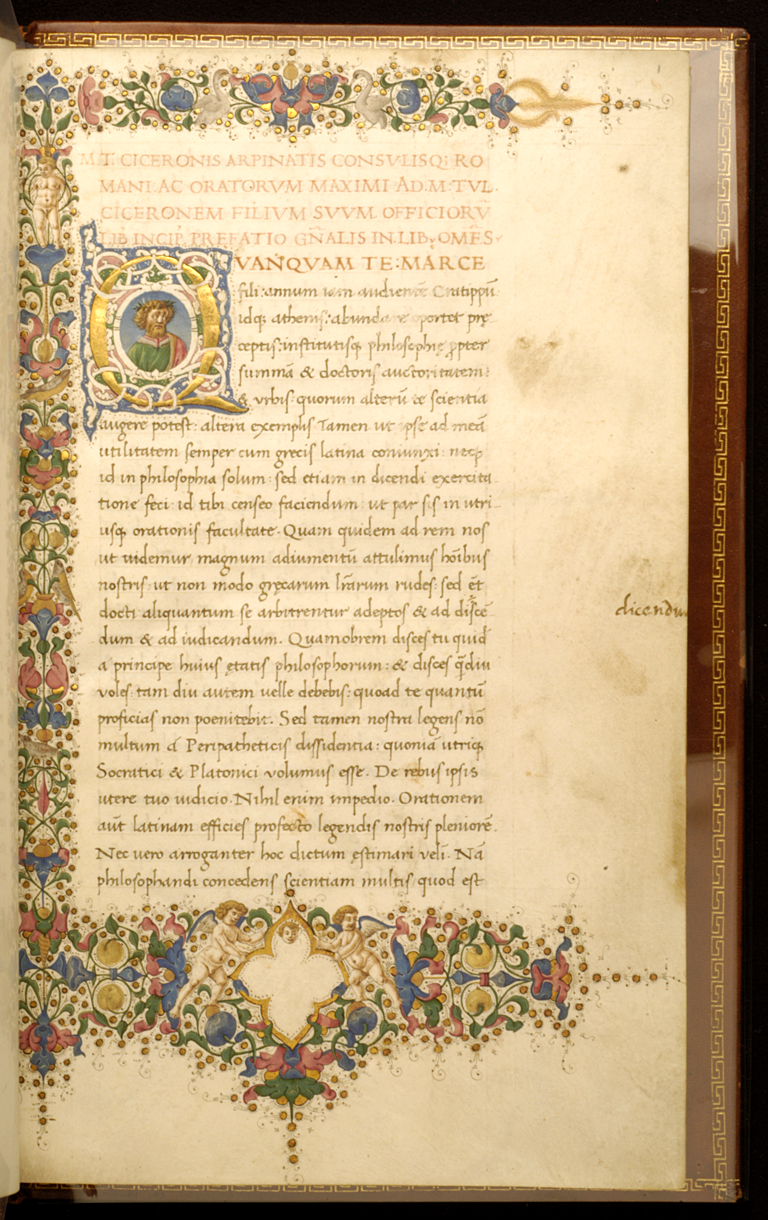
About this source
What it is
De Officiis (On Duties) is a philosophical treatise written by Cicero in October-November 44 BC, in the form of a letter to his son. It discusses honourable behaviour, personal advantage, and what to do when the two seem to conflict.
Why it matters
Written in the months after Caesar's assassination, the work criticises the recently overthrown dictator in several places, calling his rule a corruption of the Republic's political rights. It shows how one of Rome's leading statesmen justified the killing of Caesar on moral grounds, and became hugely influential later, read by Church Fathers like Augustine and Jerome.
Look closer
- Why might Cicero's criticism of Caesar be sharper here than in works written during Caesar's lifetime?
- What does Cicero's choice to address his son suggest about who he wanted to shape?
- How might a work written just after a political killing be biased in its judgement of the person killed?
This book is part of the curated material that grounds the AI version of Julius Caesar and Cicero on Humy.ai — when students ask about related events, the AI can quote it and cite it.
More Julius Caesar sources
Meet the AI Julius Caesar →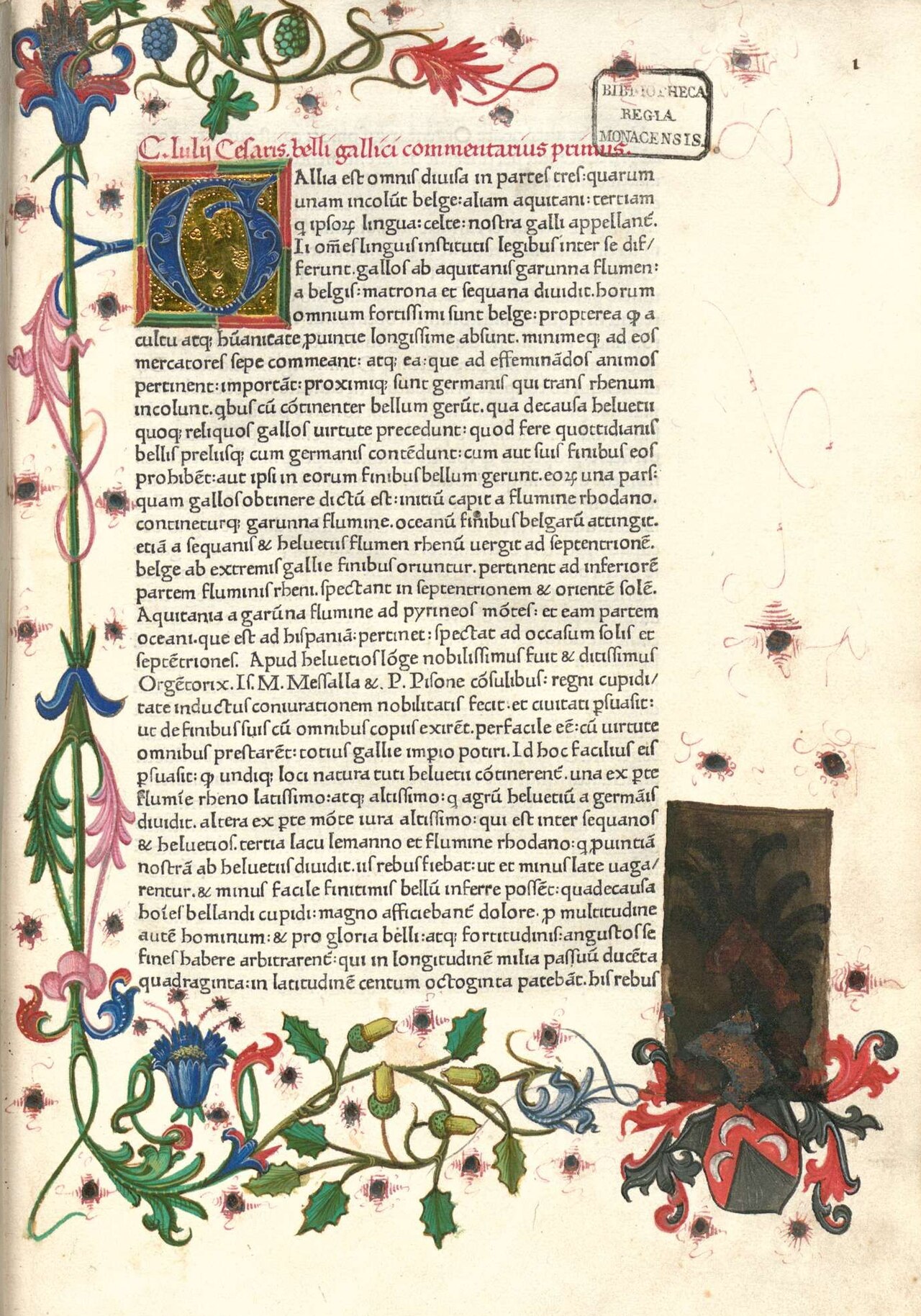 Book
Primary source
Commentarii de Bello Gallico
Julius Caesar · c. 58-50 BCE (this copy 1469)
 Painting
Secondary source
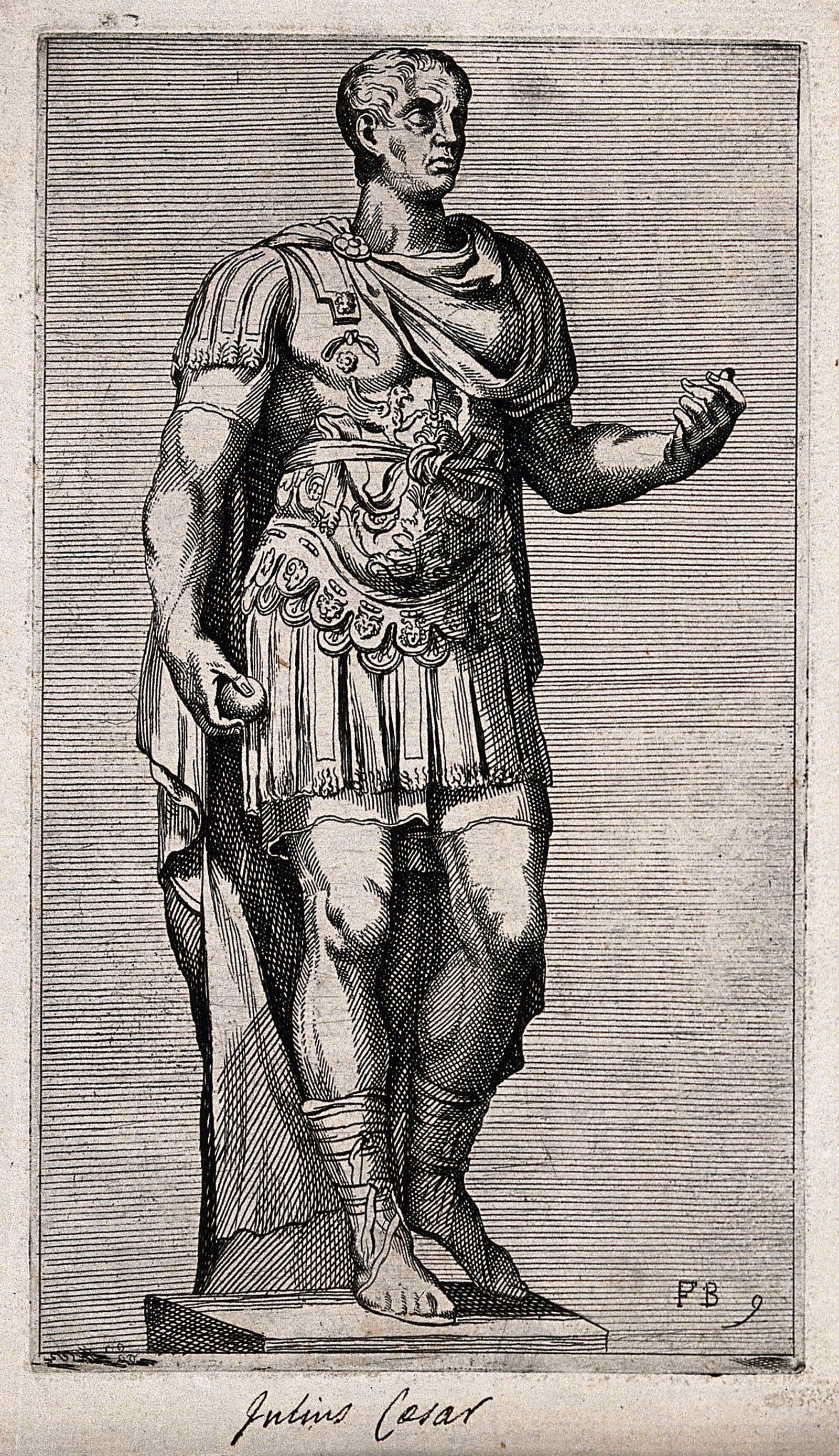
Etched Portrait of Julius Caesar
F. Perrier
 Painting
Secondary source
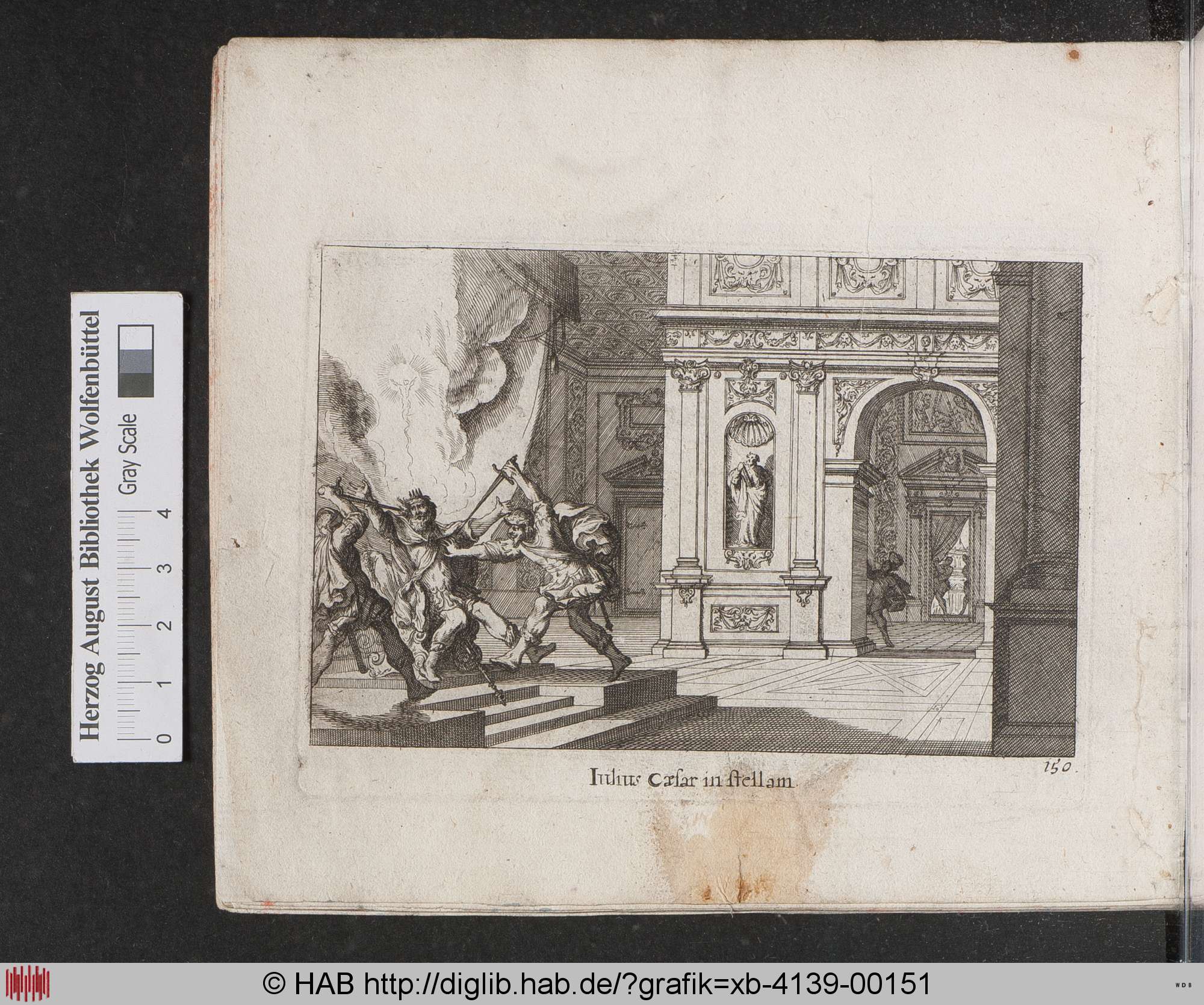
Murder of Julius Caesar in the Senate
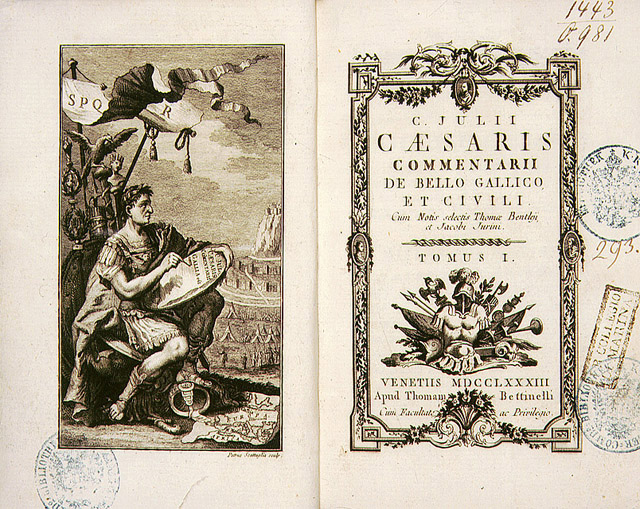 Book
Primary source
Commentarii de Bello Civili
Julius Caesar · 49-48 BCE
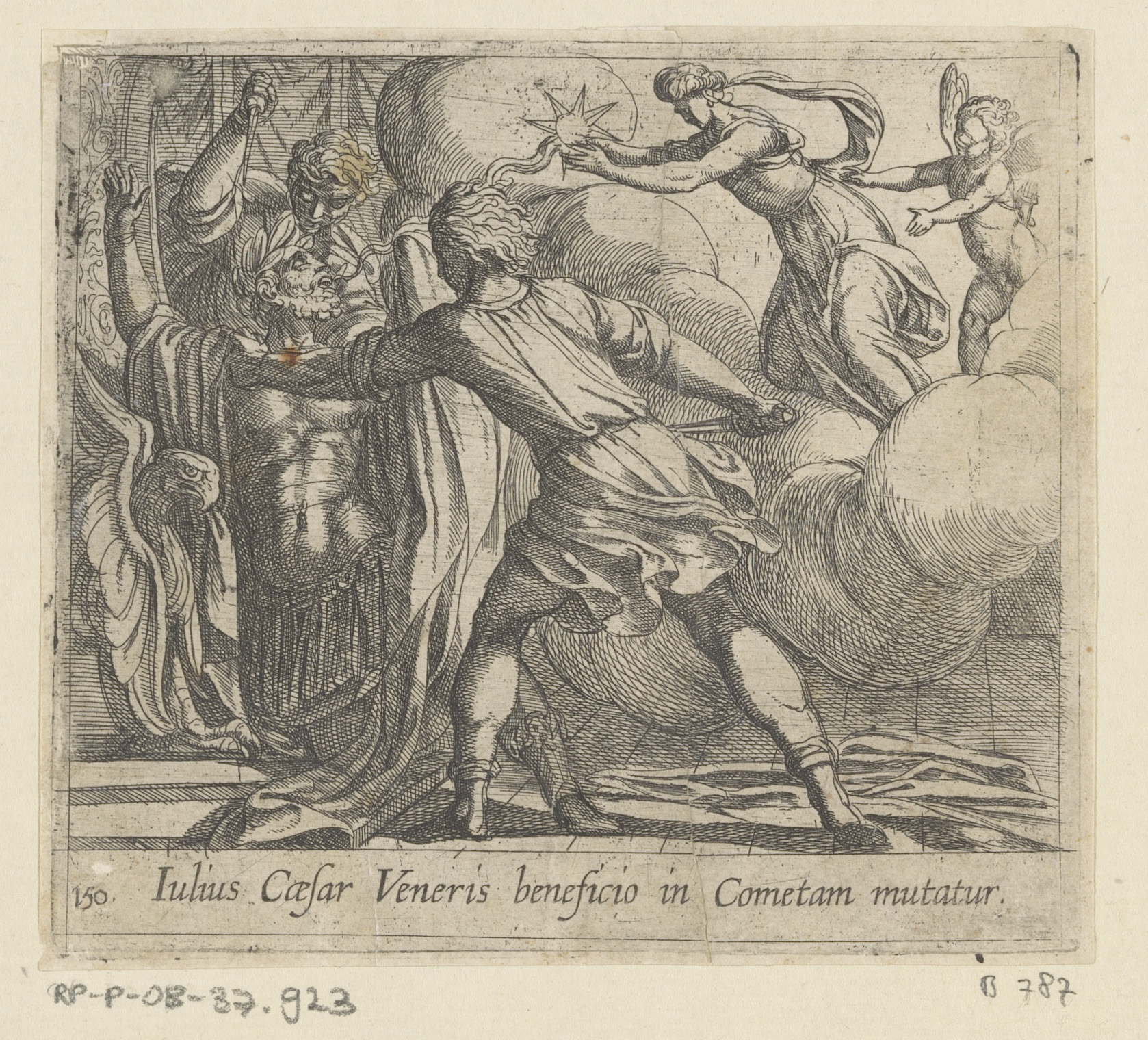 Painting
Secondary source
The Murder of Julius Caesar
1606
Ready when you are
Start chatting with Julius Caesar now.
20 messages free · No credit card · Available in 50+ languages.