


Secondary sourcePainting1606
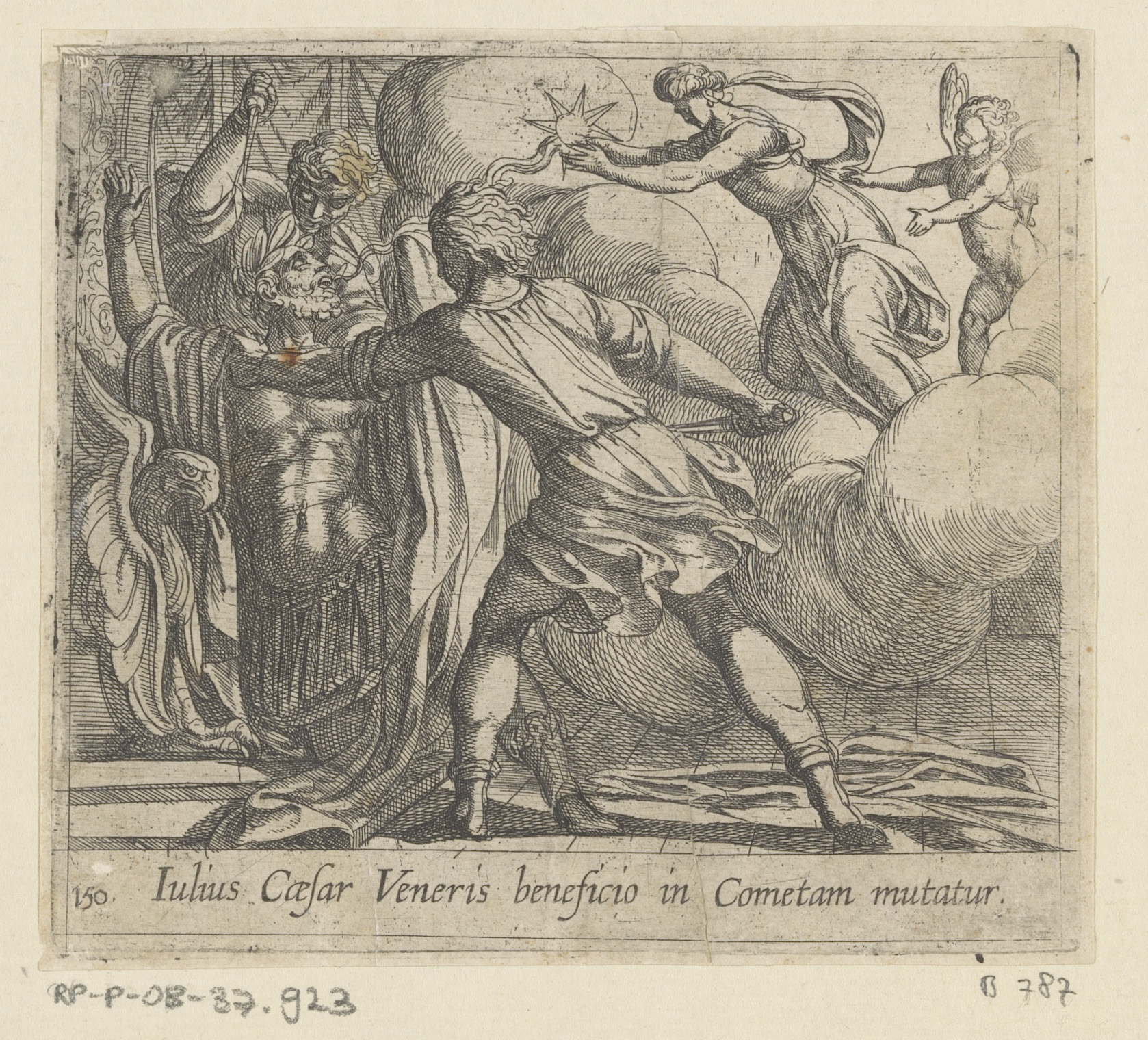
The Murder of Julius Caesar
1606
A 1606 Dutch engraving imagining Caesar's death and the legend that he was transformed into a comet.
This 1606 print reimagines Caesar's death as a mythical transformation, showing how later artists reinterpreted his assassination.
About this source
What it is
This is a Dutch engraving from 1606 showing the murder of Julius Caesar by conspirators in the Senate, with a Latin caption. It is held today by the Rijksmuseum in the Netherlands.
Why it matters
Made over 1,600 years after Caesar's death, this print is not a historical record of the event but a work of art. Its Latin title refers to the legend that Caesar was transformed into a comet by the goddess Venus, showing how later generations mythologized his death rather than simply recording it. It tells us about how artists of the 1600s used classical myths to explore Roman history.
Look closer
- Why is Caesar shown with a comet and a cupid instead of a dagger and blood?
- What does the Latin caption tell you about how the artist wanted viewers to understand this scene?
- How does this image differ from what you might expect a depiction of a murder to look like?
This painting is part of the curated material that grounds the AI version of Julius Caesar on Humy.ai — when students ask about related events, the AI can quote it and cite it.
More Julius Caesar sources
Meet the AI Julius Caesar →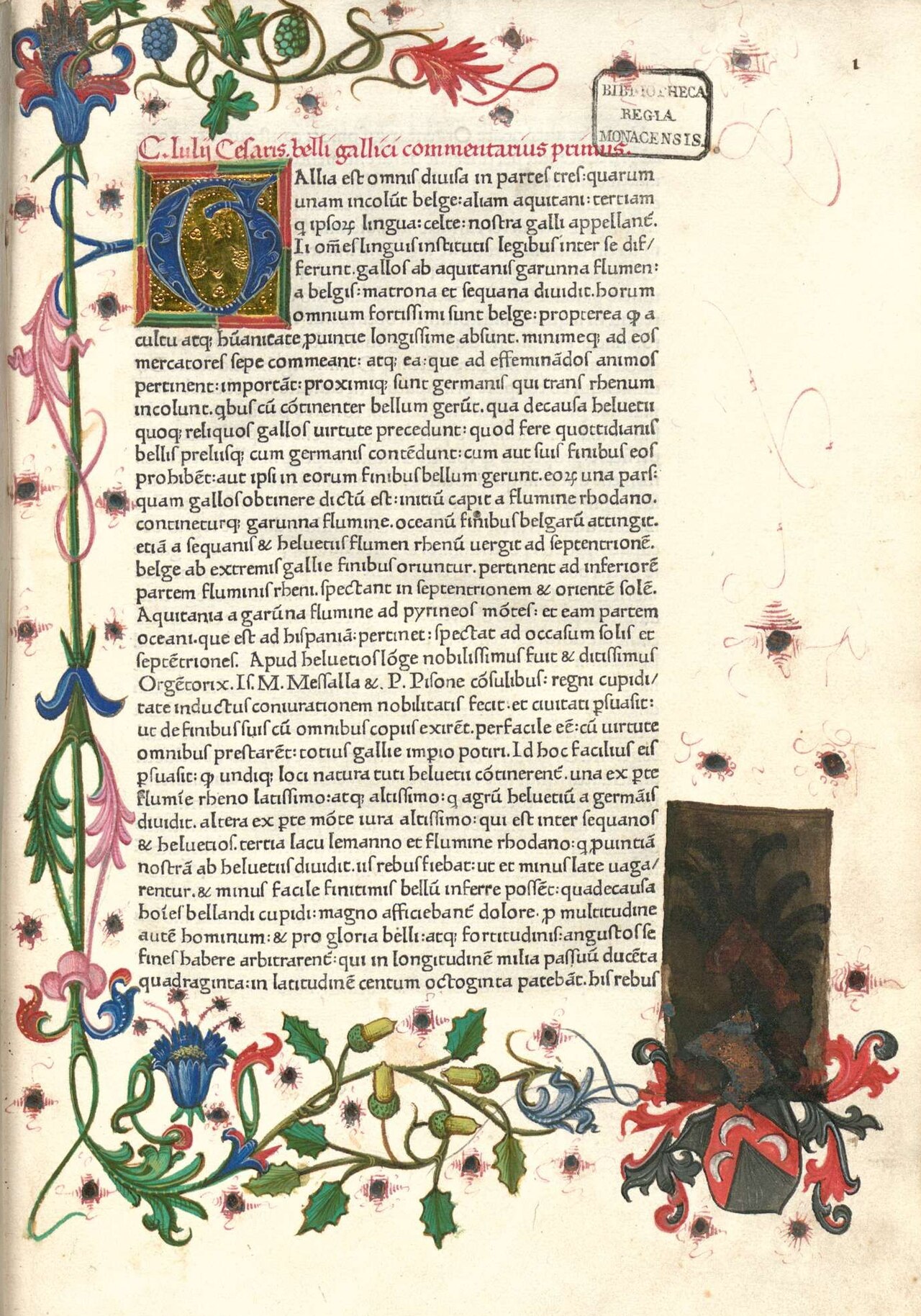 Book
Primary source
Commentarii de Bello Gallico
Julius Caesar · c. 58-50 BCE (this copy 1469)
 Painting
Secondary source
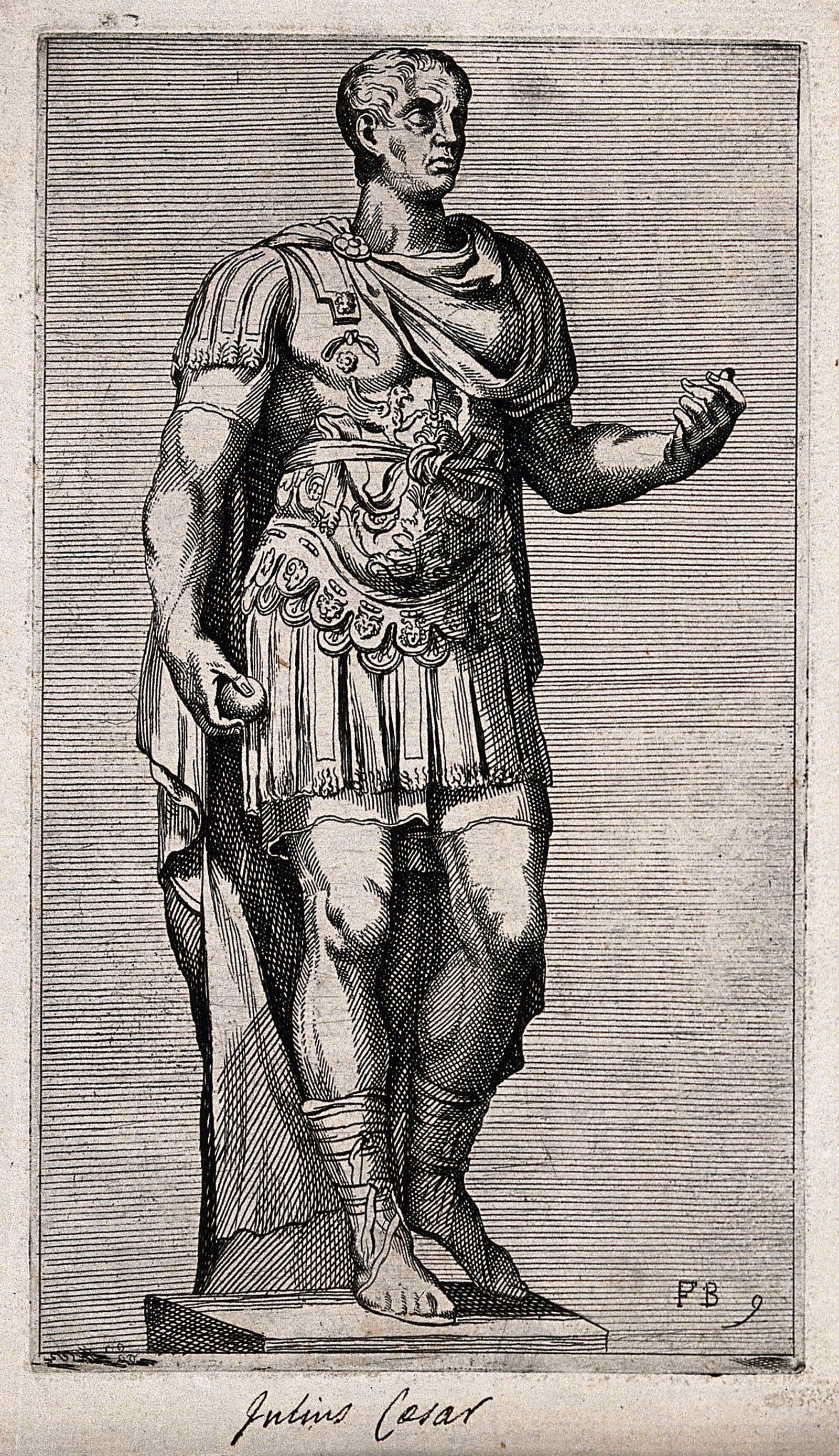
Etched Portrait of Julius Caesar
F. Perrier
 Painting
Secondary source
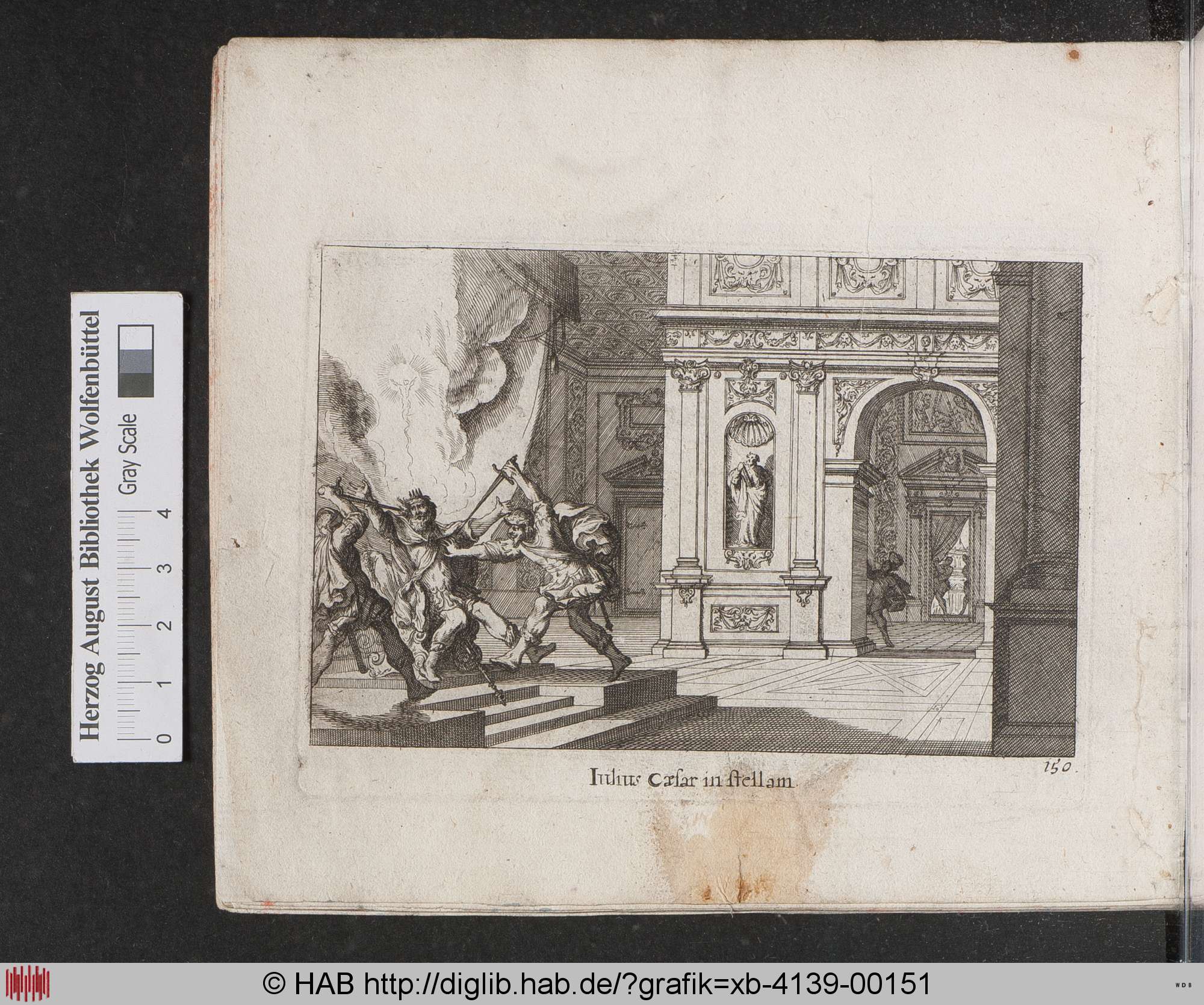
Murder of Julius Caesar in the Senate
 Book
Primary source
Commentarii de Bello Civili
Julius Caesar · 49-48 BCE
 Painting
Secondary source
The Death of Julius Caesar
J.C. Armytage after Jean-Léon Gérôme · 1800-1899
Ready when you are
Start chatting with Julius Caesar now.
20 messages free · No credit card · Available in 50+ languages.