


Secondary sourcePainting1800-1899
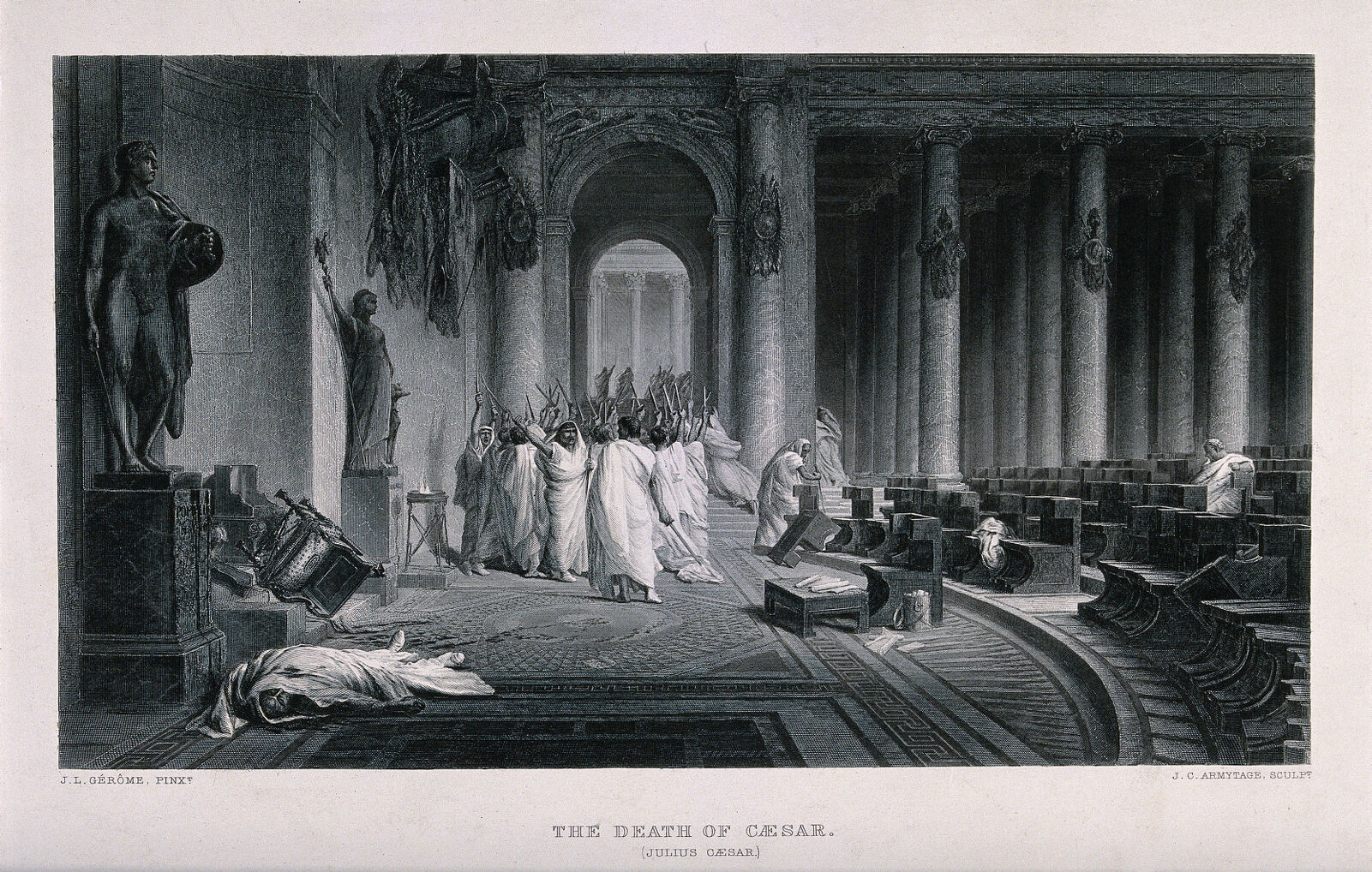
The Death of Julius Caesar
J.C. Armytage after Jean-Léon Gérôme · 1800-1899
A 19th-century engraving after Jean-Léon Gérôme showing the assassination of Julius Caesar by senators in the Roman Senate.
Depicts Caesar's assassination, the violent end of his rule by Brutus, Cassius, and fellow senators.
About this source
What it is
This engraving, made by J.C. Armytage after a painting by Jean-Léon Gérôme, depicts Julius Caesar lying dead on the floor of the Senate, surrounded by togaed conspirators with raised daggers. It dates from the 1800s and is held by the Wellcome Collection in London.
Why it matters
The image recreates the famous assassination of Caesar on the Ides of March, led by senators including Cassius Longinus and Marcus Brutus. Made centuries after the event, it shows how 19th-century artists imagined and dramatized this turning point in Roman history, when Caesar's dictatorship ended in violence.
Look closer
- What does the composition emphasize — the conspirators, the body, or the setting?
- Why might an artist in the 1800s want to depict this ancient event?
- What is left out of the scene that might also be important to the story?
This painting is part of the curated material that grounds the AI version of Julius Caesar on Humy.ai — when students ask about related events, the AI can quote it and cite it.
More Julius Caesar sources
Meet the AI Julius Caesar →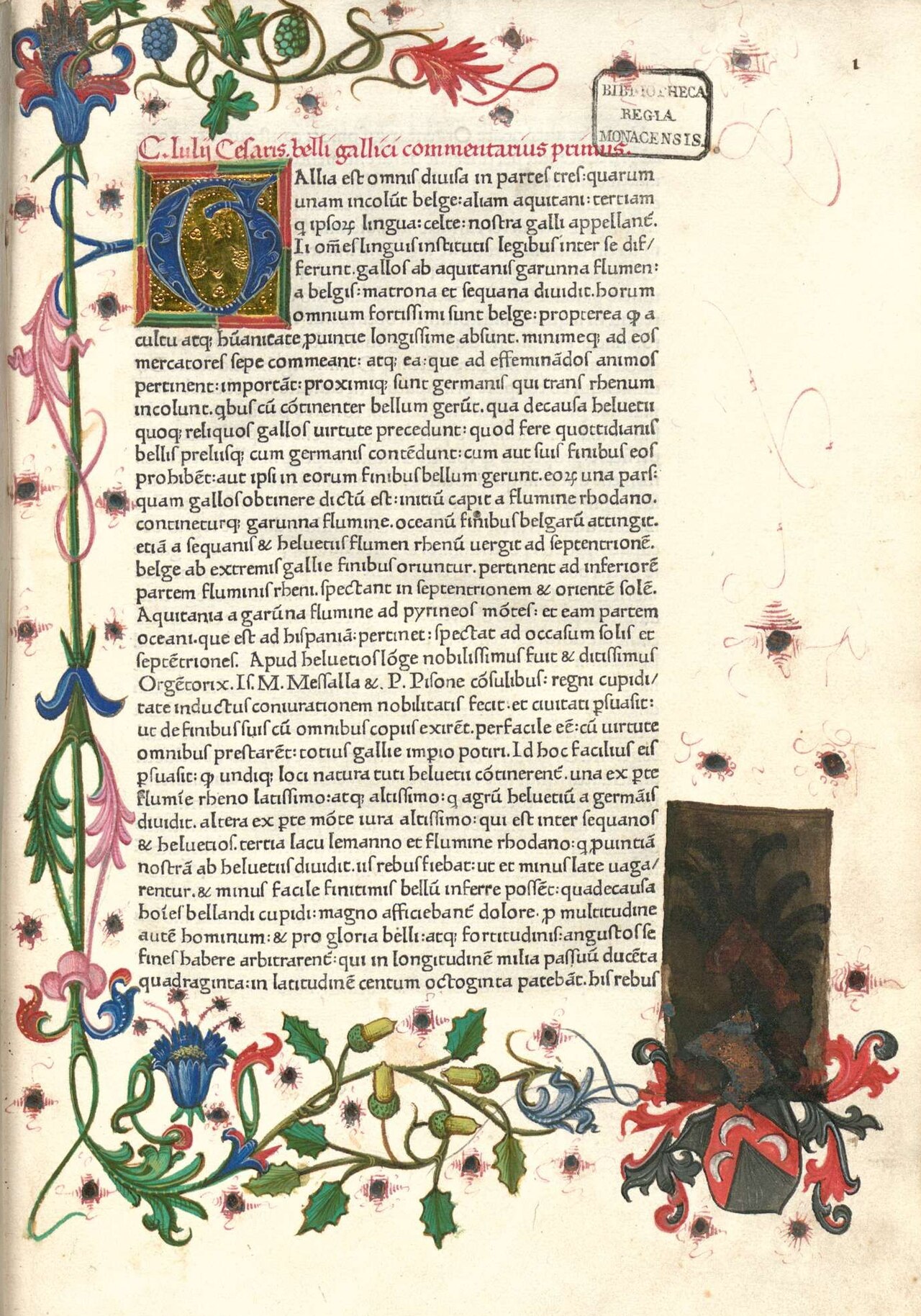 Book
Primary source
Commentarii de Bello Gallico
Julius Caesar · c. 58-50 BCE (this copy 1469)
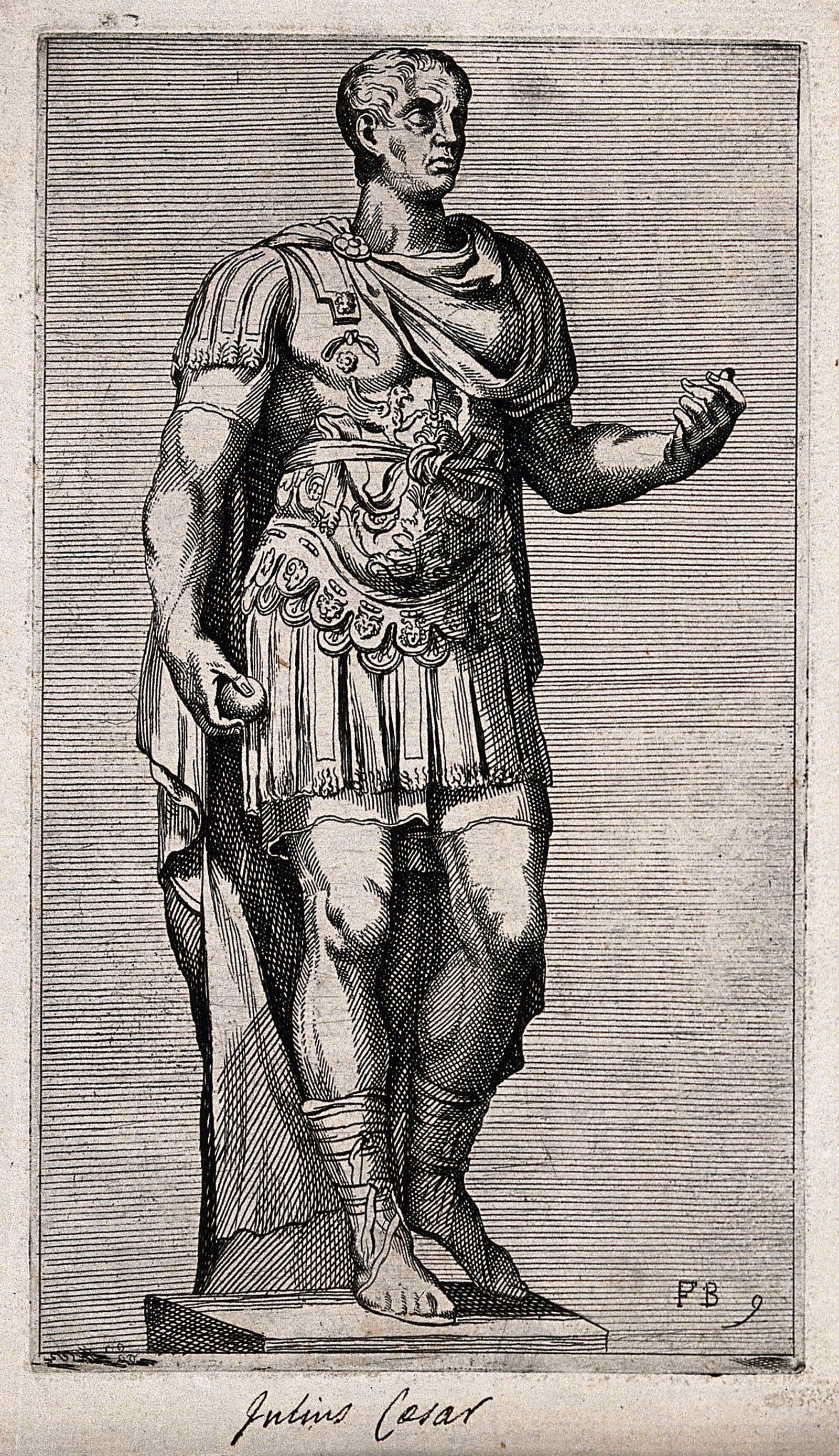 Painting
Secondary source
Etched Portrait of Julius Caesar
F. Perrier
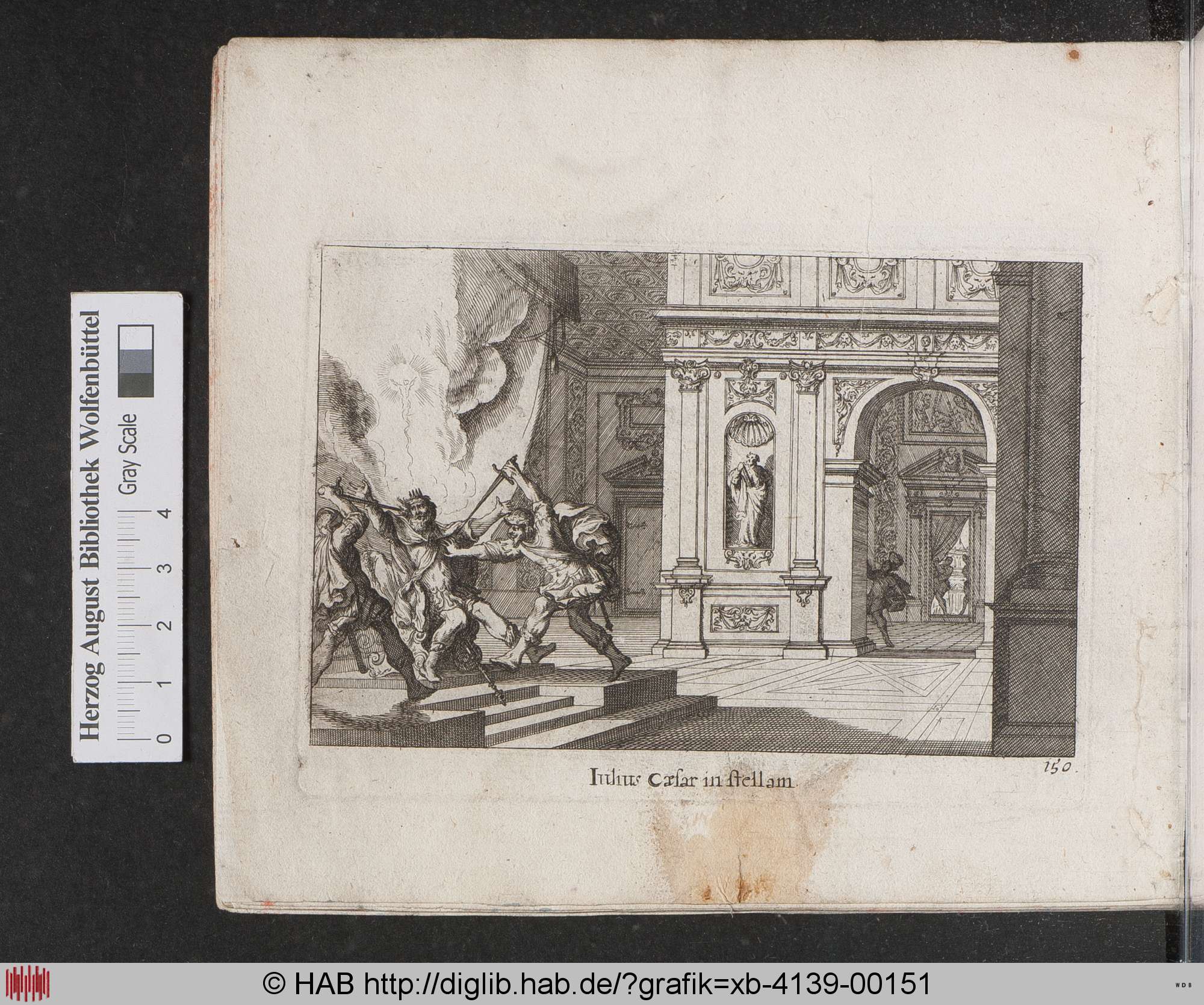 Painting
Secondary source
Murder of Julius Caesar in the Senate
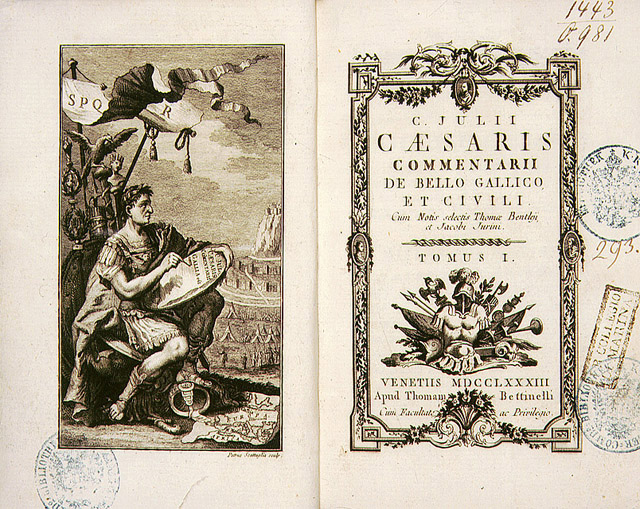 Book
Primary source
Commentarii de Bello Civili
Julius Caesar · 49-48 BCE
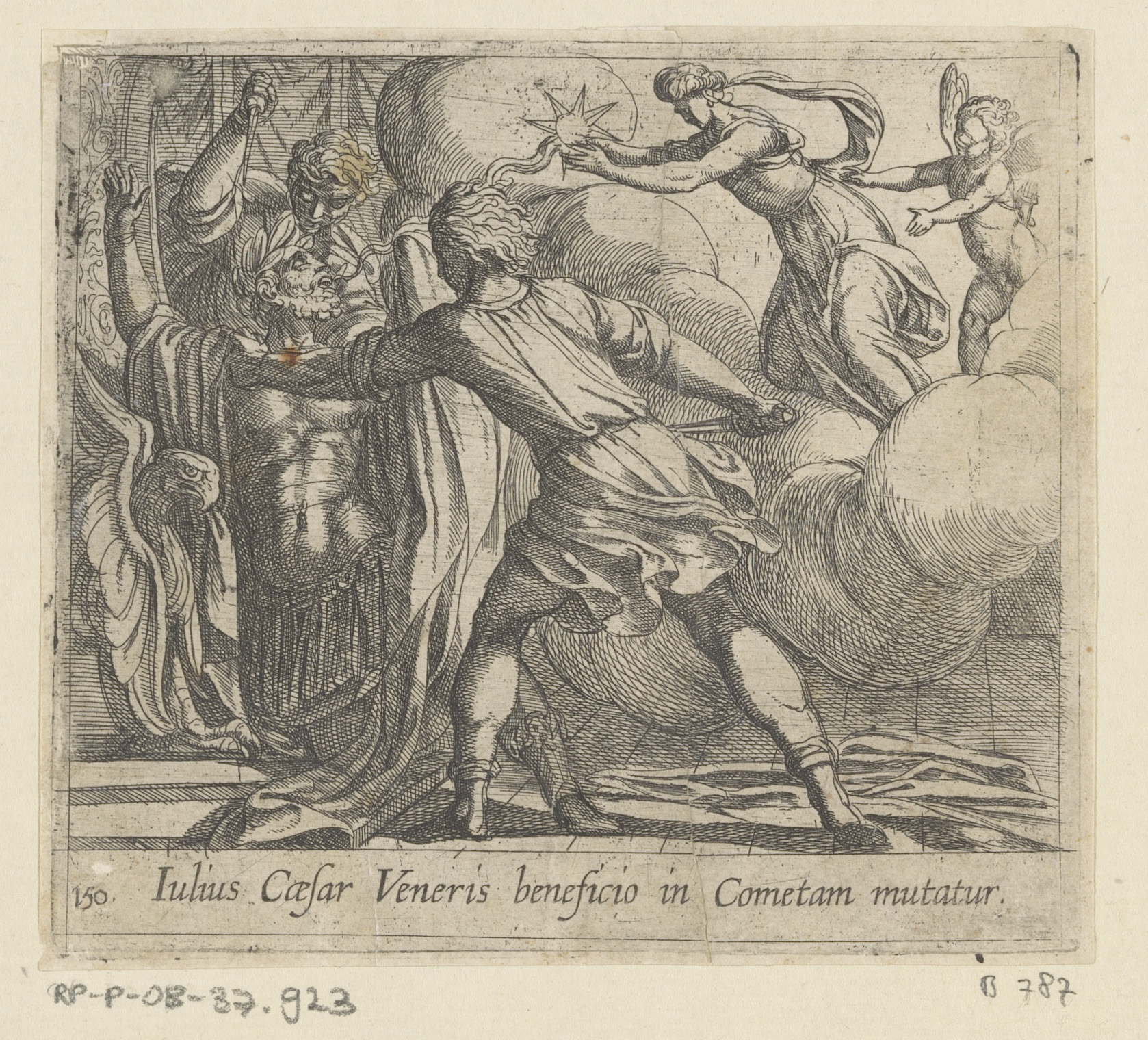 Painting
Secondary source
The Murder of Julius Caesar
1606
Ready when you are
Start chatting with Julius Caesar now.
20 messages free · No credit card · Available in 50+ languages.