


Secondary sourcePainting
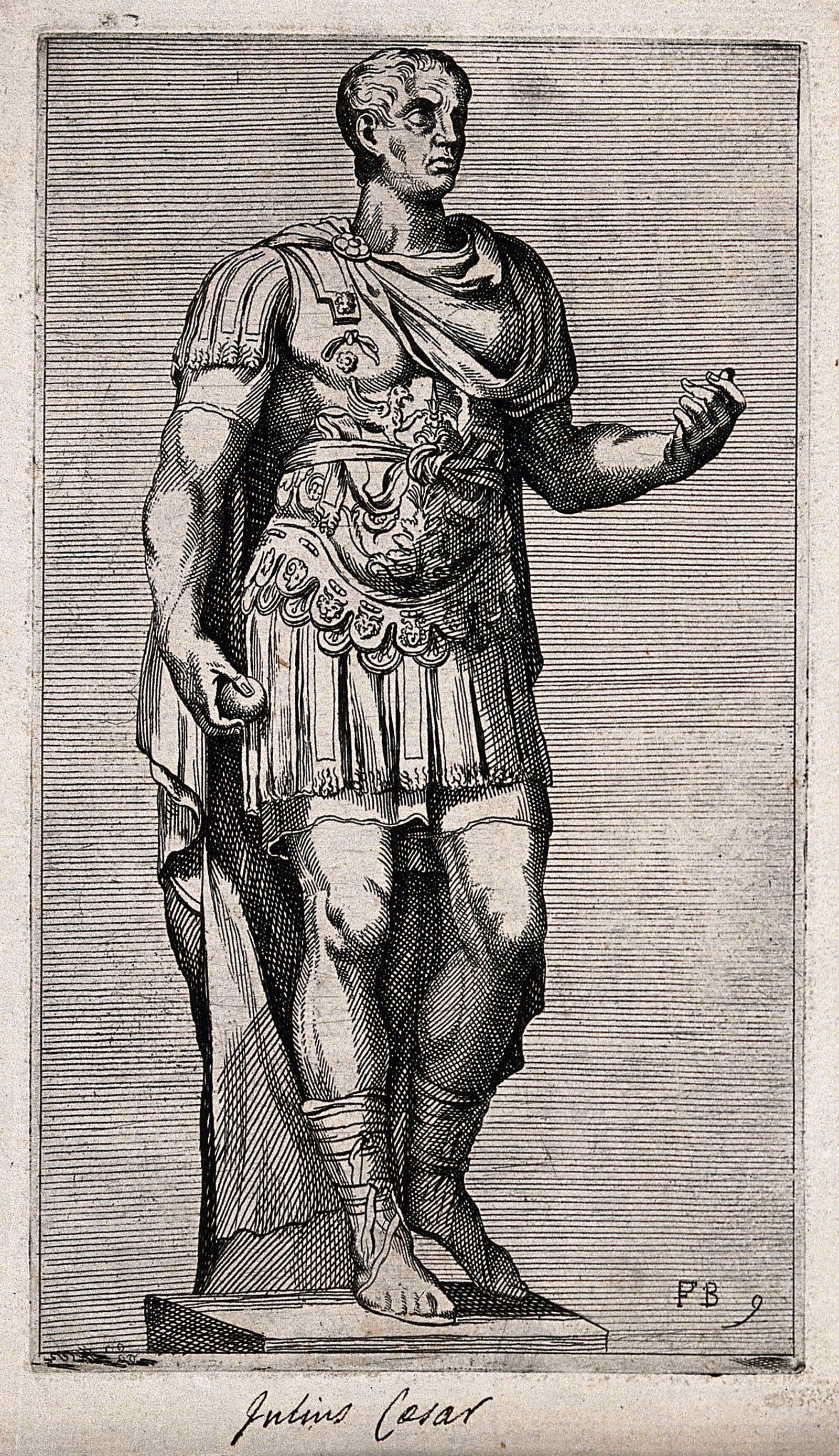
Etched Portrait of Julius Caesar
F. Perrier
An imagined 17th-century etching of Julius Caesar by printmaker F. Perrier, made long after his death.
An imagined later portrait of Caesar, showing how artists long after his death pictured him.
About this source
What it is
This etching, made by F. Perrier, shows an imagined portrait of Julius Caesar as a standing Roman soldier in armor and a draped cloak. It was created many centuries after Caesar's lifetime and is held today by the Wellcome Collection in London.
Why it matters
Because no portrait of Caesar from his own lifetime survives in this collection, images like this one show how later artists imagined him rather than how he actually looked. It reveals how people of the 1600s pictured ancient Roman leaders using the armor and poses familiar from their own time.
Look closer
- What details suggest this is an imagined, not a real, likeness?
- Why might artists centuries later want to create portraits of Caesar?
- What does the pose and costume tell you about how later Europeans viewed Roman leaders?
This painting is part of the curated material that grounds the AI version of Julius Caesar on Humy.ai — when students ask about related events, the AI can quote it and cite it.
More Julius Caesar sources
Meet the AI Julius Caesar →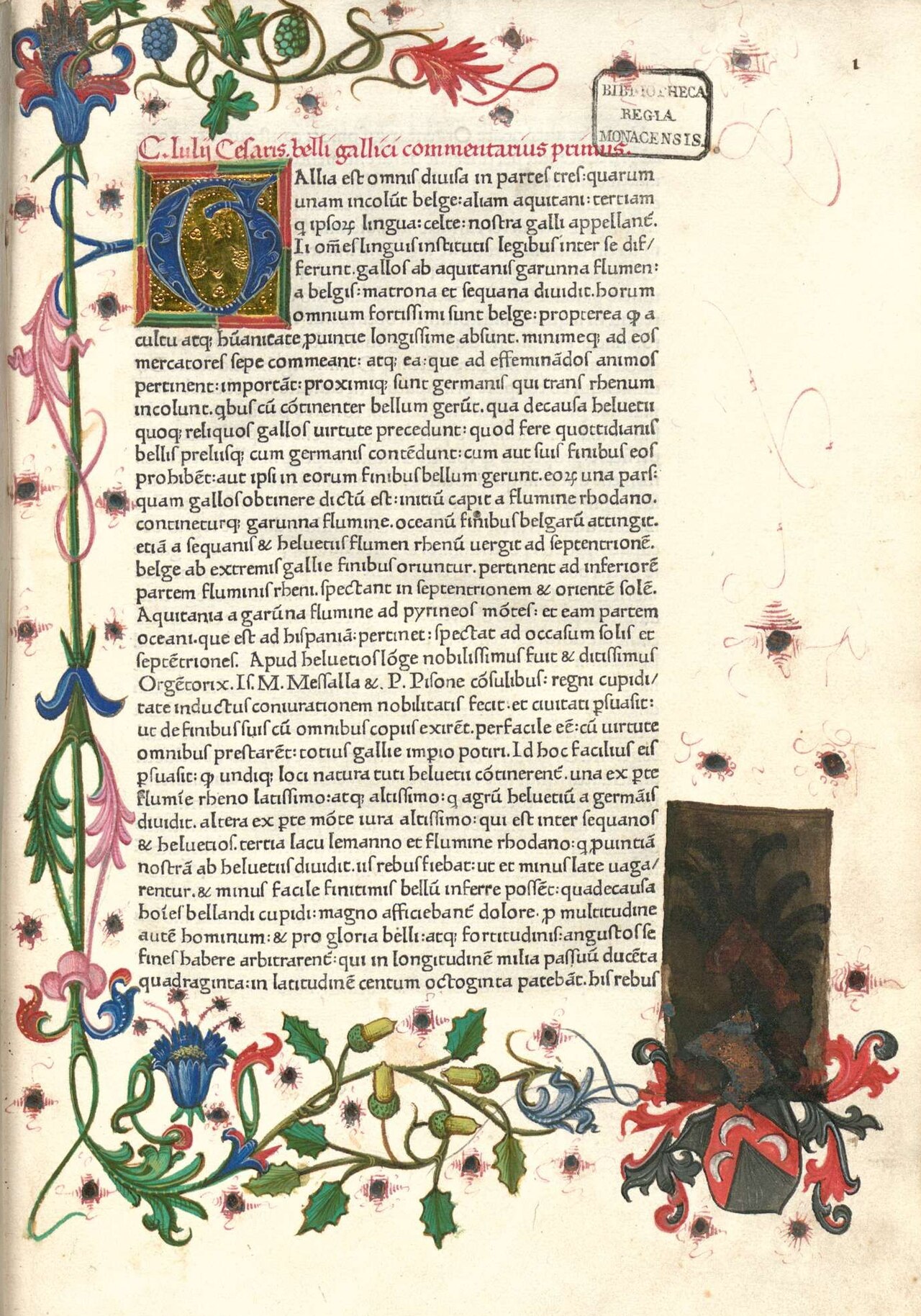 Book
Primary source
Commentarii de Bello Gallico
Julius Caesar · c. 58-50 BCE (this copy 1469)
 Painting
Secondary source
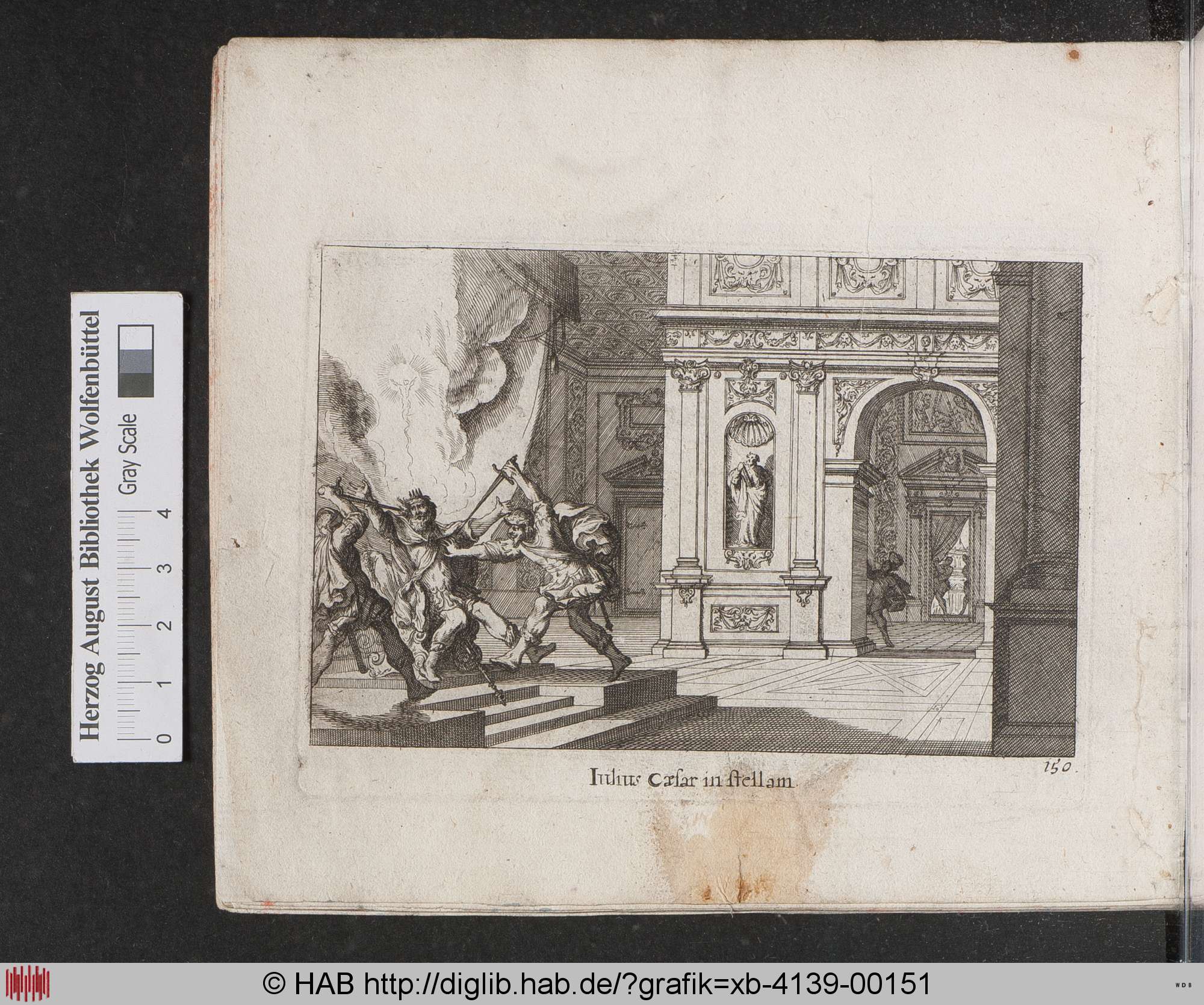
Murder of Julius Caesar in the Senate
 Book
Primary source
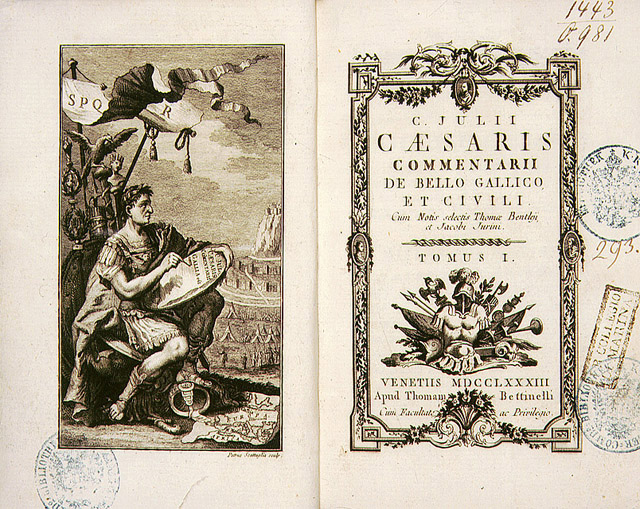
Commentarii de Bello Civili
Julius Caesar · 49-48 BCE
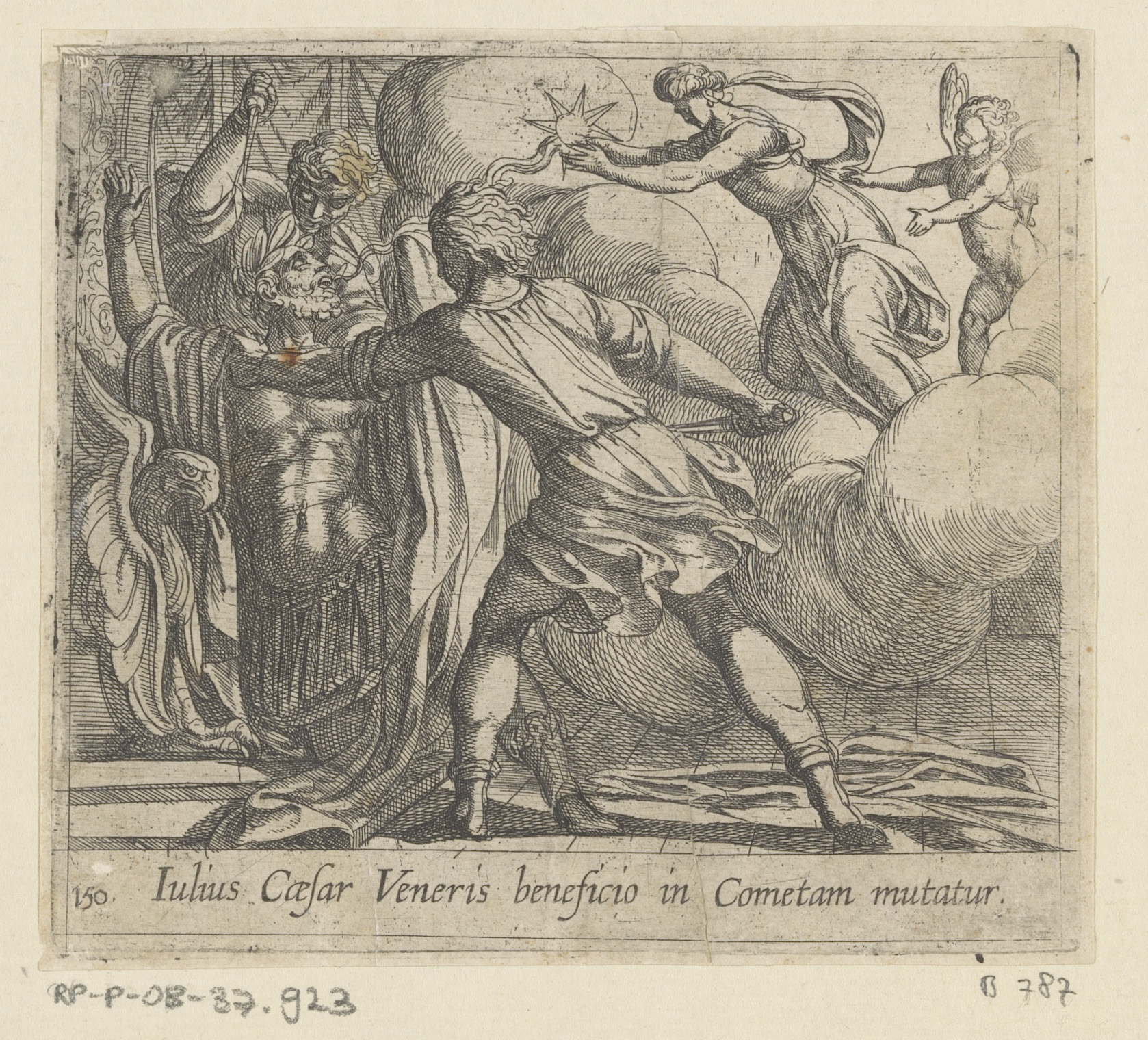 Painting
Secondary source
The Murder of Julius Caesar
1606
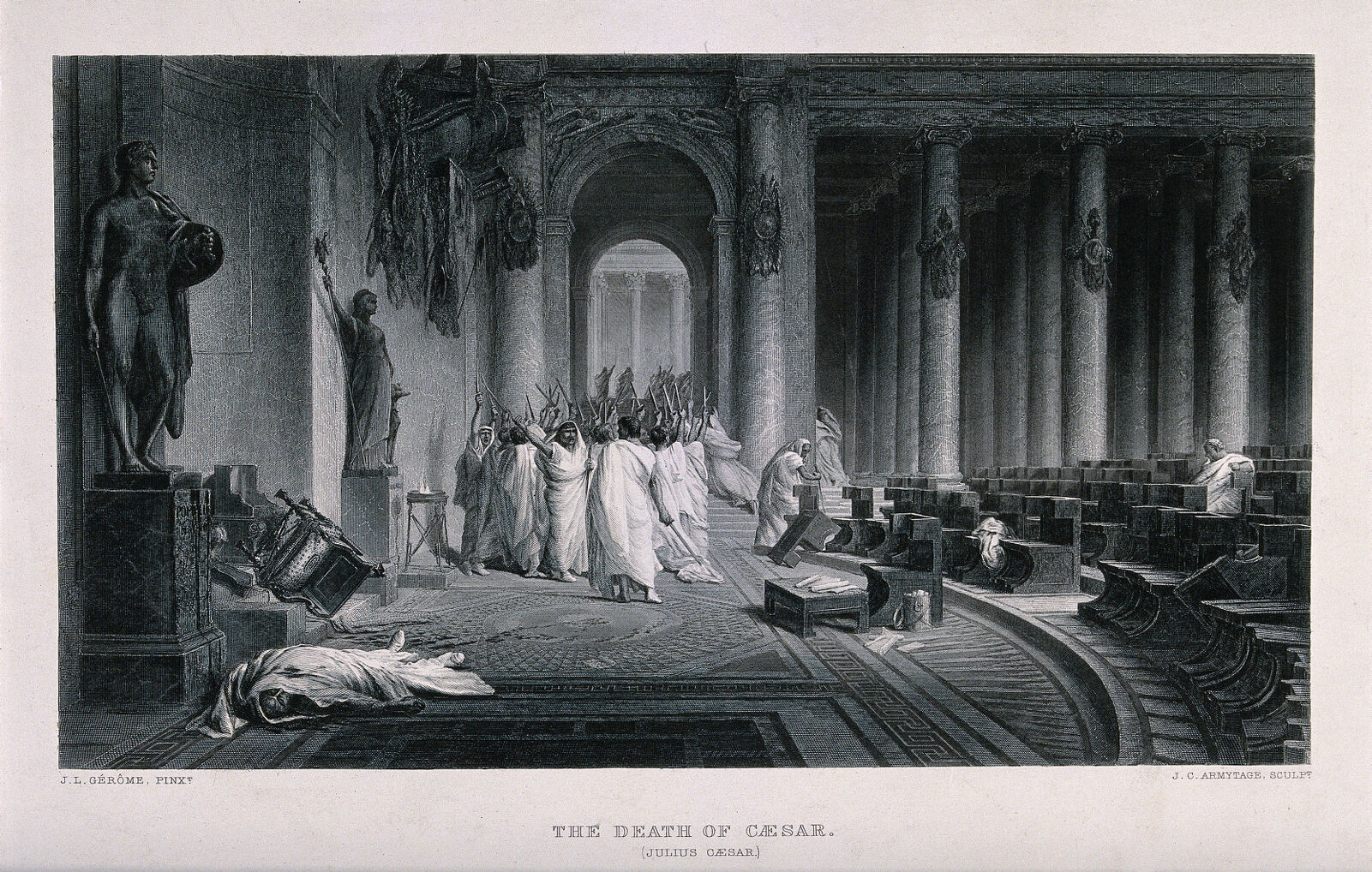 Painting
Secondary source
The Death of Julius Caesar
J.C. Armytage after Jean-Léon Gérôme · 1800-1899
Ready when you are
Start chatting with Julius Caesar now.
20 messages free · No credit card · Available in 50+ languages.