


Secondary sourceBookc. AD 120
Satire 10
Juvenal · c. AD 120
A Roman satirical poem by Juvenal that mocks Hannibal's ambitions, showing how later Romans remembered him as a cautionary example.
This satire shows how Hannibal's ambition became a famous cautionary tale in Roman literature long after his death.
About this source
What it is
Satire 10 is a poem by the Roman writer Juvenal, written around AD 120, long after Hannibal's lifetime. It is part of his larger collection of satires on human folly and includes a passage mocking Hannibal's grand ambitions.
Why it matters
Juvenal uses Hannibal as an example of the vanity of human wishes: a man who crossed the Alps with an army only to end up, in Roman memory, as a topic for schoolboys practicing speeches. This shows how Hannibal's name had become a byword in Roman culture for ambition that leads to downfall, centuries after his actual campaigns.
Look closer
- Why might a Roman writer use Hannibal, an enemy of Rome, as his example of foolish ambition?
- What does it tell us that Hannibal's story was still being used as a lesson almost 300 years after his death?
- How might Juvenal's satirical purpose change the way he describes Hannibal compared to a historian?
This book is part of the curated material that grounds the AI version of Hannibal Barca on Humy.ai — when students ask about related events, the AI can quote it and cite it.
More Hannibal Barca sources
Meet the AI Hannibal Barca →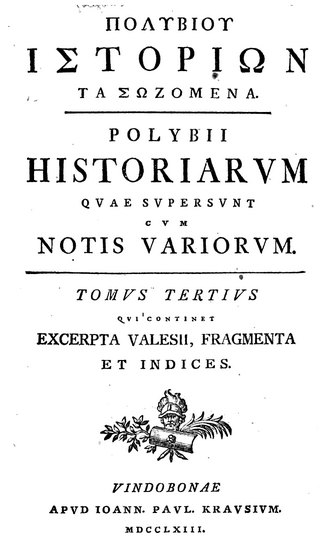 Book
Secondary source
The Histories
Polybius · c. 150 BCE
 Book
Primary source
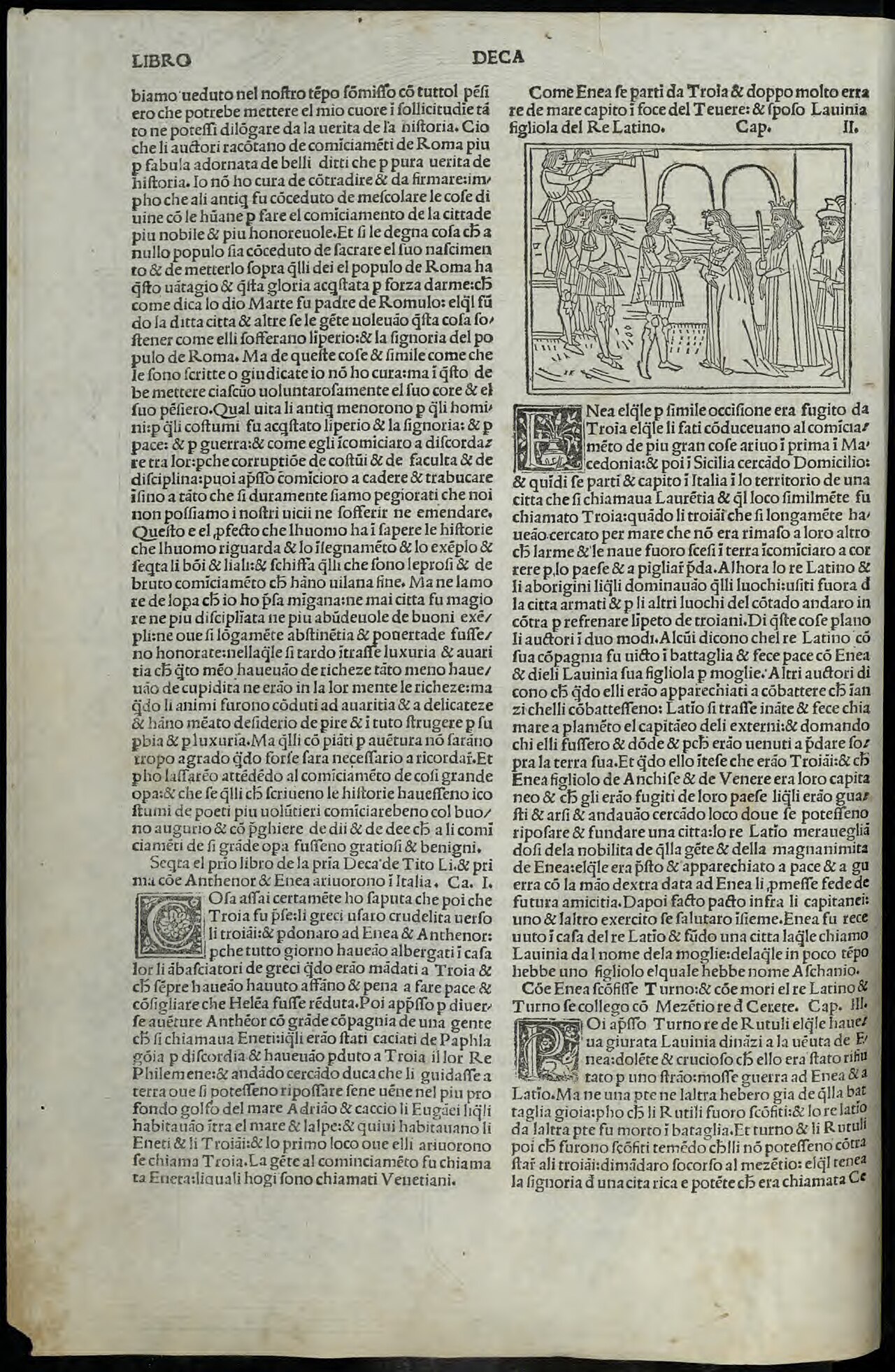
History of Rome
Titus Livius · 27-9 BC
Secondary source
Life of Hannibal
Cornelius Nepos
 Book
Secondary source
The Hannibalic War and The Punic Wars (Libyca)
Appian of Alexandria · c. AD 150
 Sculpture
Secondary source
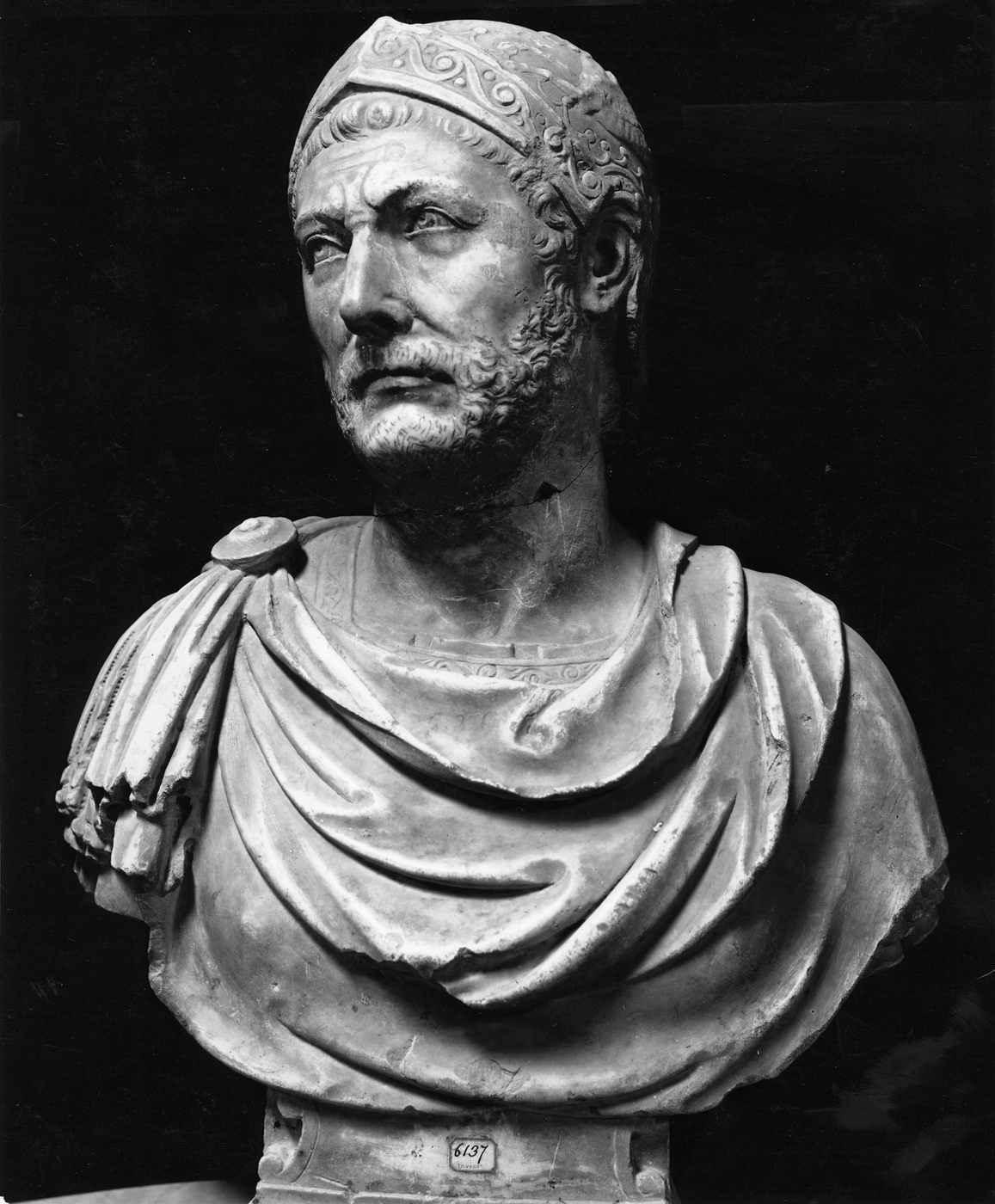
Capuan bust of Hannibal
1st century BC - 4th century AD
Ready when you are
Start chatting with Hannibal Barca now.
20 messages free · No credit card · Available in 50+ languages.