


Secondary sourceArtifact16th century
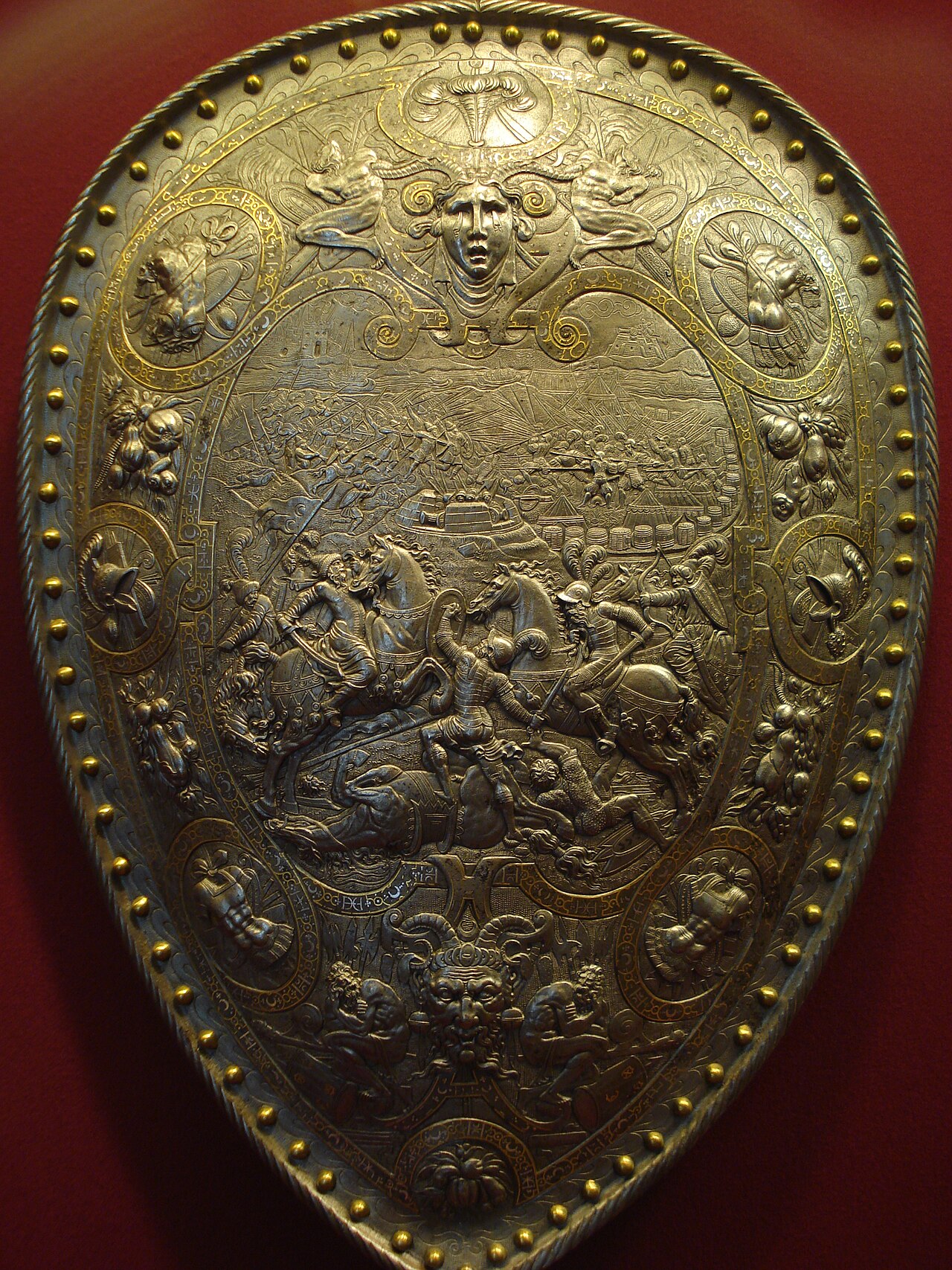
Shield of Henry II of France
Attributed to Étienne Delaune · 16th century
A richly decorated steel parade shield whose central scene shows Hannibal's victory over the Romans at Cannae.
Uses Hannibal's victory at Cannae as a symbol on a French royal ceremonial shield.
About this source
What it is
This steel shield is embossed and decorated with silver and gold, attributed in its design to the Paris goldsmith Étienne Delaune. It was made as a parade piece associated with Henry II of France in the 1500s.
Why it matters
The shield's central image shows Hannibal's victory over the Romans at Cannae in 216 BC, used here as a metaphor for France's struggle against the armies of the Holy Roman Empire. It shows how Renaissance rulers borrowed ancient battles to make political statements about their own wars.
Look closer
- Why would a French king want an ancient Carthaginian victory shown on his shield?
- What does using Hannibal as a symbol tell you about how rulers used history for propaganda?
- What details in the battle scene can you identify as soldiers, horses, or weapons?
This artifact is part of the curated material that grounds the AI version of Hannibal Barca on Humy.ai — when students ask about related events, the AI can quote it and cite it.
More Hannibal Barca sources
Meet the AI Hannibal Barca →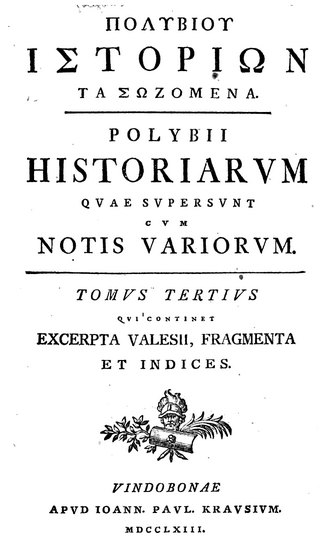 Book
Secondary source
The Histories
Polybius · c. 150 BCE
 Book
Primary source
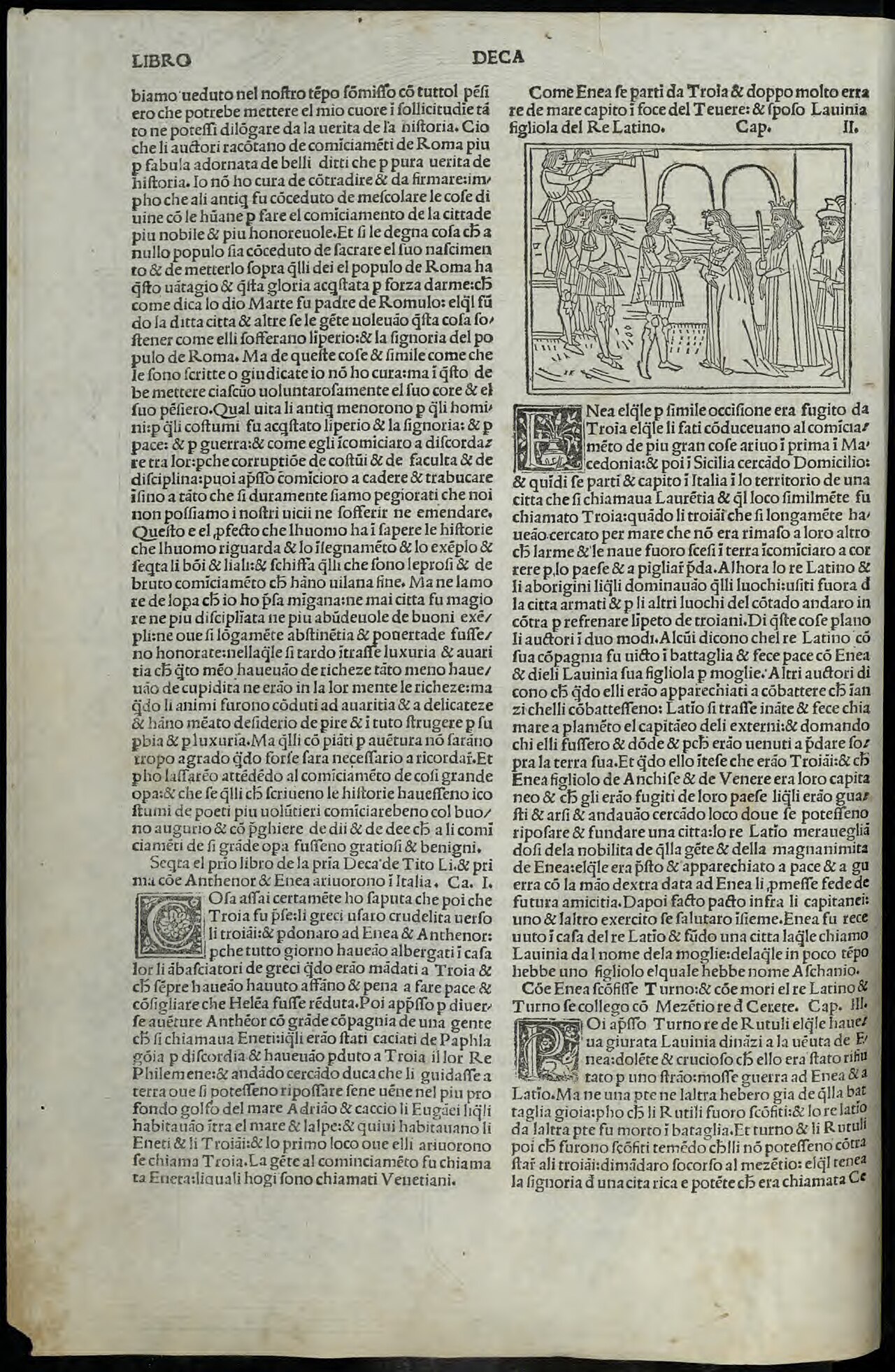
History of Rome
Titus Livius · 27-9 BC
Secondary source
Life of Hannibal
Cornelius Nepos
 Book
Secondary source
The Hannibalic War and The Punic Wars (Libyca)
Appian of Alexandria · c. AD 150
 Sculpture
Secondary source
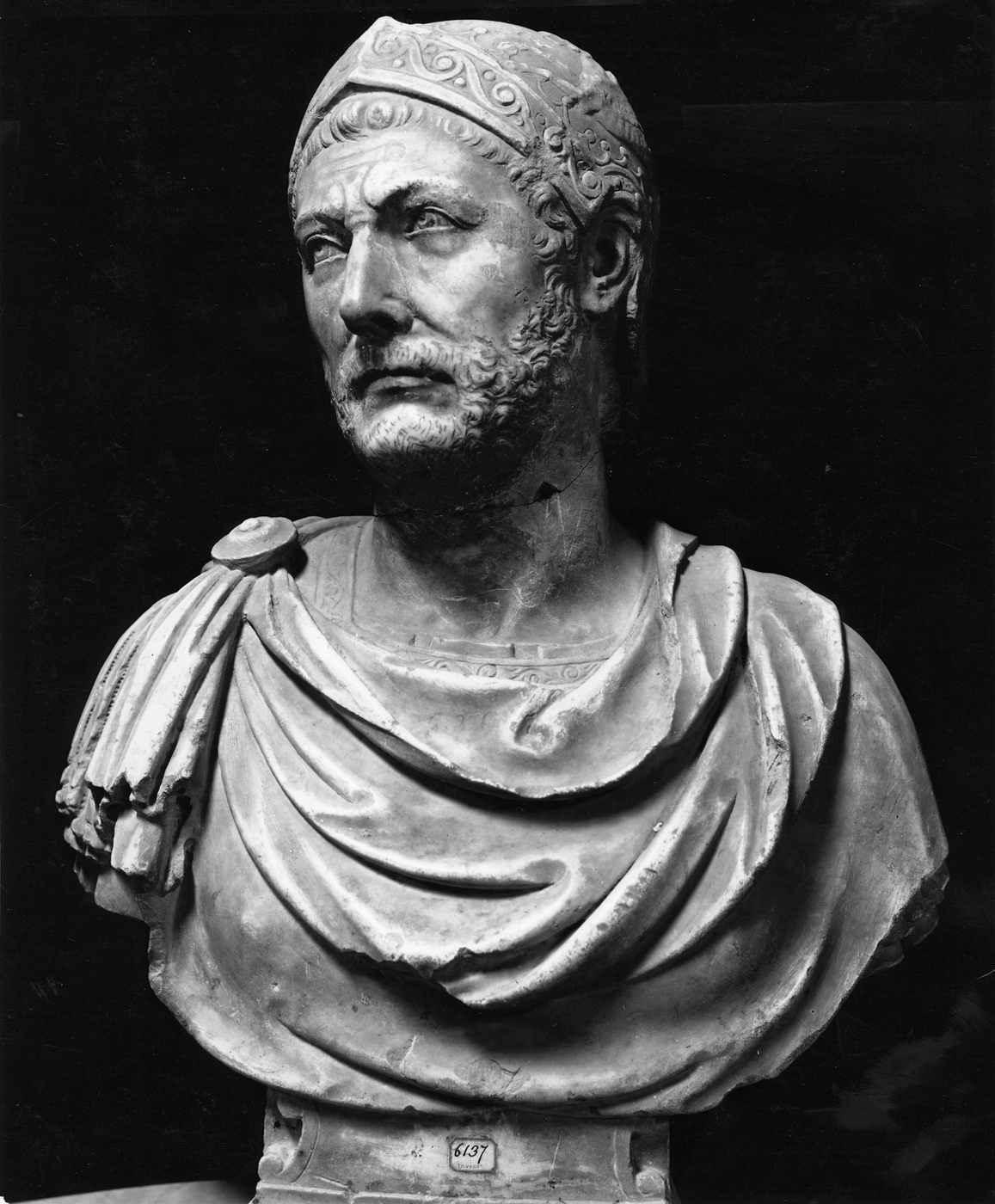
Capuan bust of Hannibal
1st century BC - 4th century AD
Ready when you are
Start chatting with Hannibal Barca now.
20 messages free · No credit card · Available in 50+ languages.