


Secondary sourcePainting1770-1771
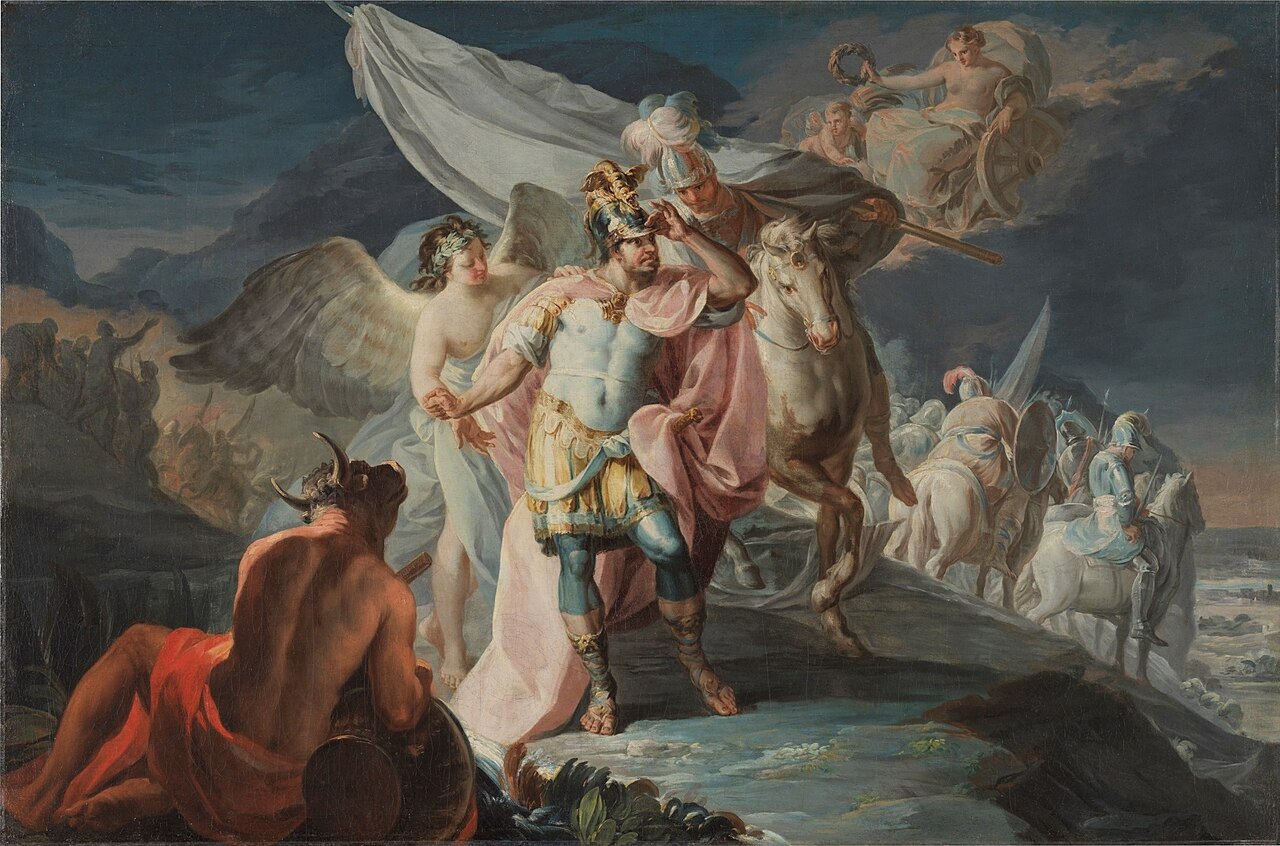
The Victorious Hannibal Seeing Italy from the Alps for the First Time
Francisco Goya · 1770-1771
An early painting by Francisco Goya, made for a 1771 competition in Parma, imagining Hannibal looking down on Italy from the Alps.
This early Goya painting imagines Hannibal's triumphant first view of Italy from the Alps, a defining moment of his legend.
About this source
What it is
This oil painting, created by a young Francisco Goya during his stay in Italy around 1770–1771, was his entry for a competition set by the Academy of Fine Arts in Parma. It shows an armoured figure pointing forward on a rocky ridge, supported by a winged female figure, with soldiers and allegorical figures nearby. The work is now in the Prado Museum; its attribution to Goya was only confirmed in 1993.
Why it matters
The competition's set theme was Hannibal gazing at Italy before his invasion, a popular Enlightenment subject symbolising ambition and conquest. Goya, then an unknown young artist seeking recognition, poured personal meaning into the theme, even quoting Virgil's Aeneid in his submission letter to link his own journey to Hannibal's. The painting did not win first prize but earned an honourable mention and is now recognised as Goya's oldest documented work.
Look closer
- Why might a competition for young painters choose Hannibal as its required subject?
- What do the allegorical figures (the winged woman, the reclining horned figure) add to the meaning of the scene?
- How might Goya's own ambitions have shaped the way he painted Hannibal's ambition?
This painting is part of the curated material that grounds the AI version of Hannibal Barca and Francisco Goya on Humy.ai — when students ask about related events, the AI can quote it and cite it.
More Hannibal Barca sources
Meet the AI Hannibal Barca →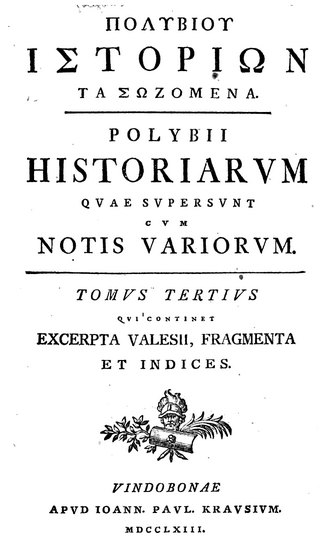 Book
Secondary source
The Histories
Polybius · c. 150 BCE
 Book
Primary source
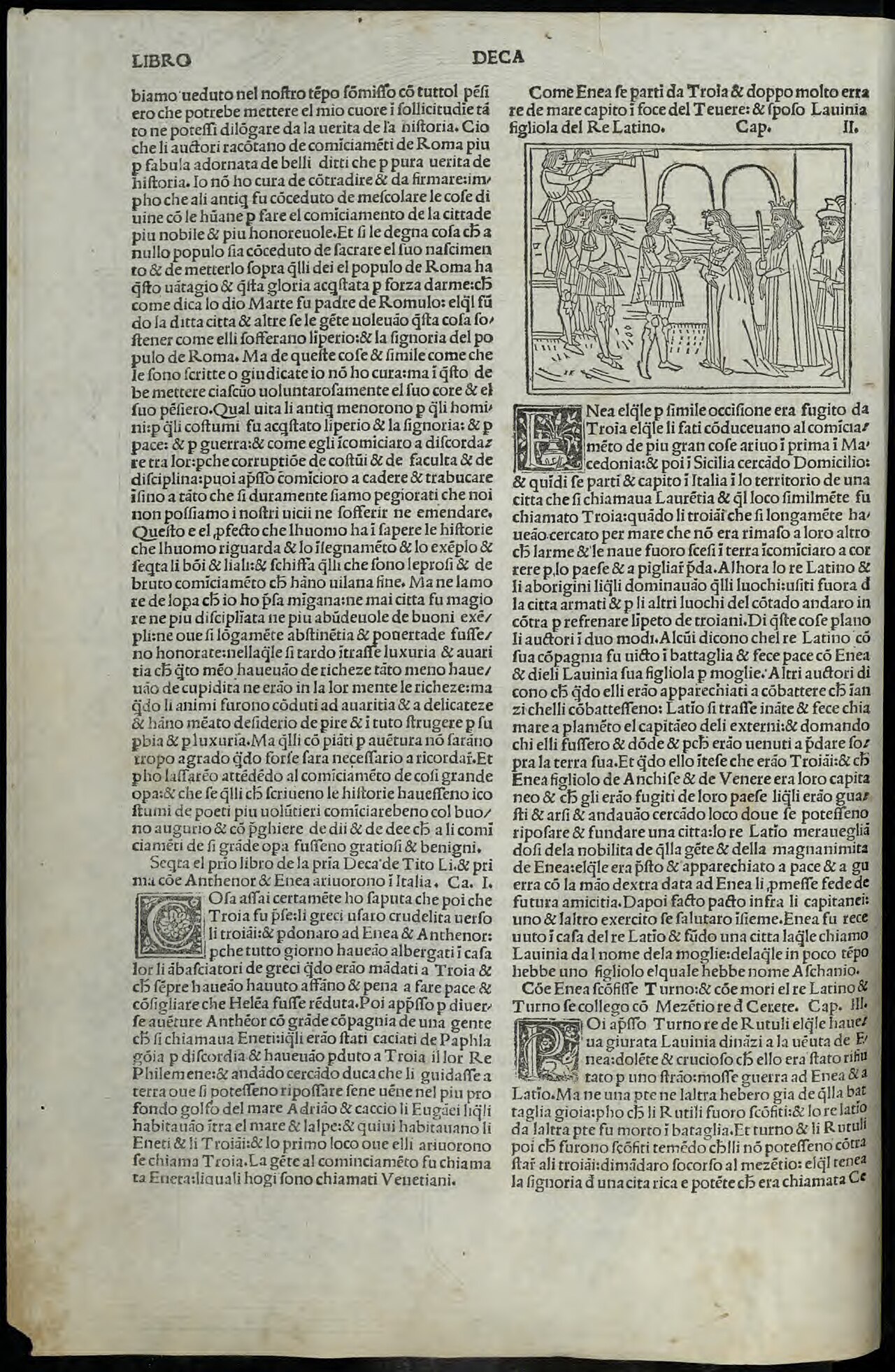
History of Rome
Titus Livius · 27-9 BC
Secondary source
Life of Hannibal
Cornelius Nepos
 Book
Secondary source
The Hannibalic War and The Punic Wars (Libyca)
Appian of Alexandria · c. AD 150
 Sculpture
Secondary source
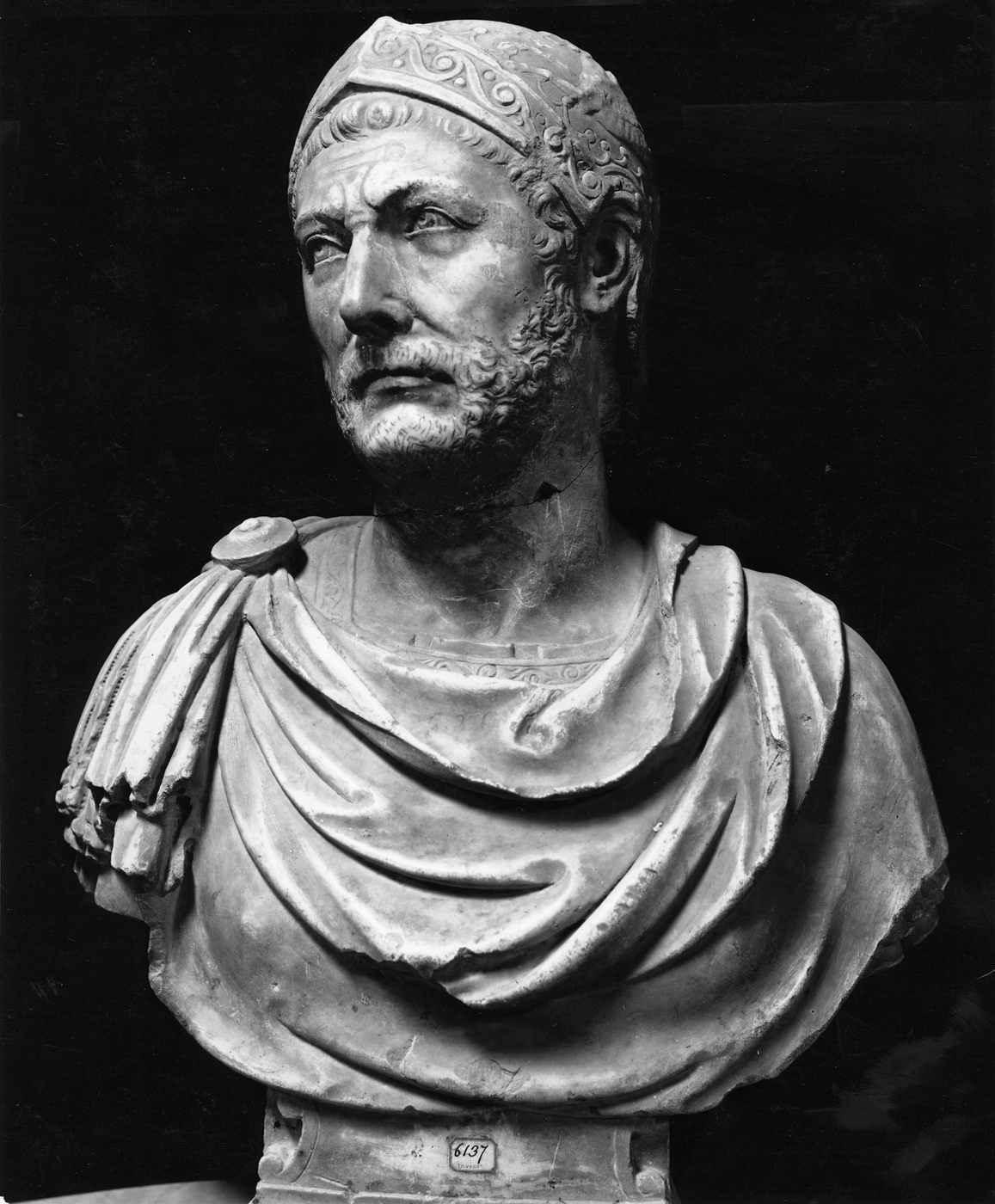
Capuan bust of Hannibal
1st century BC - 4th century AD
Ready when you are
Start chatting with Hannibal Barca now.
20 messages free · No credit card · Available in 50+ languages.