


Secondary sourcePainting1567
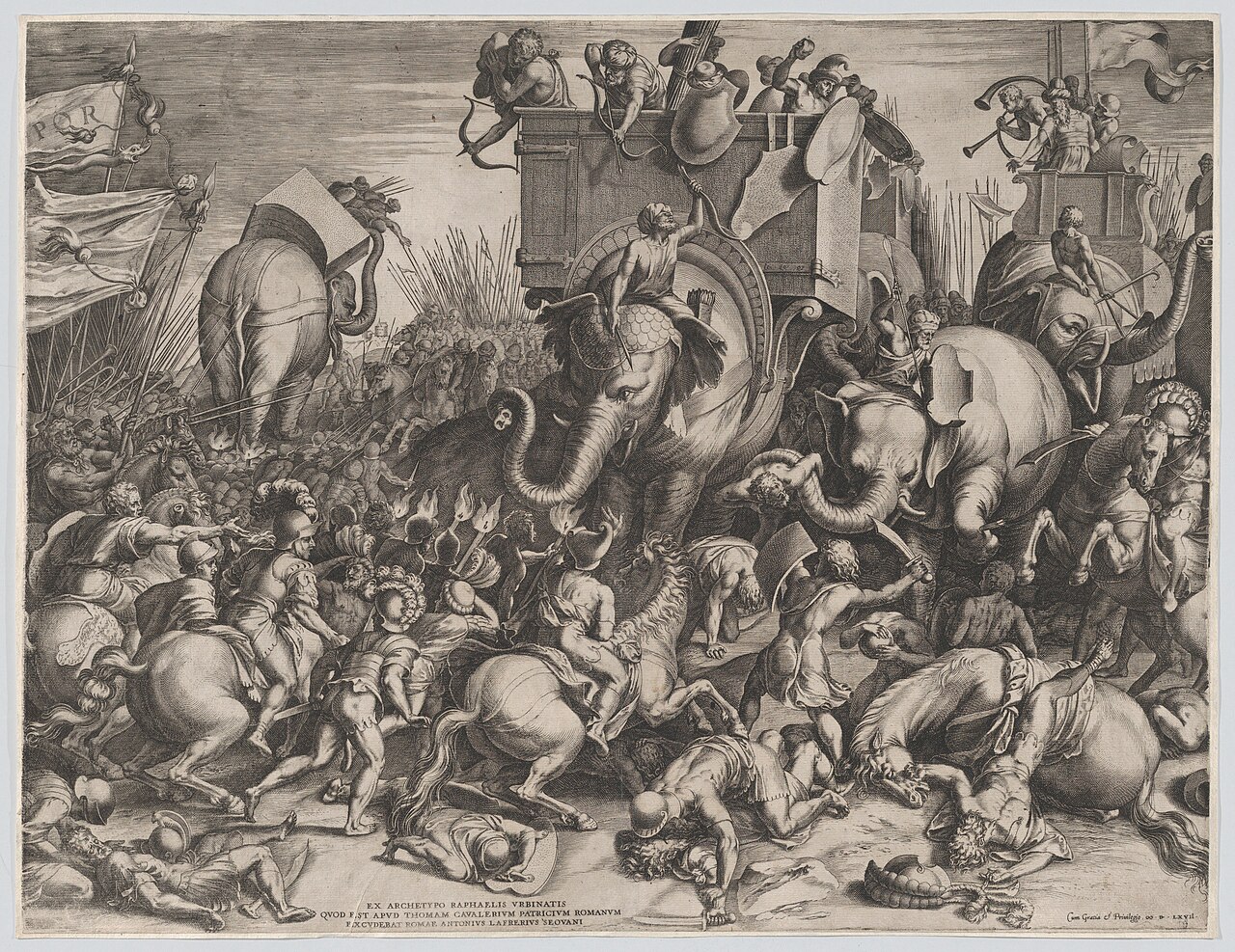
The Battle of Zama
Cornelis Cort after Giulio Romano · 1567
A 1567 engraving after Giulio Romano depicting the Battle of Zama, where Hannibal was finally defeated by Rome.
This print depicts Hannibal's final defeat at Zama, shaping how Europe pictured the end of his war with Rome.
About this source
What it is
This print, engraved by Cornelis Cort after a design by the Italian artist Giulio Romano, was made in 1567. It shows the Battle of Zama, with war elephants, armored soldiers, and Roman standards marked S.P.Q.R. amid fallen fighters. Copies are held today by the Rijksmuseum, the British Museum and the Metropolitan Museum of Art.
Why it matters
Zama was the battle that ended Hannibal's war against Rome, and this widely circulated Renaissance print helped fix how Europeans pictured that defeat for generations. It shows how prints, easily copied and spread, shaped popular imagination of ancient history long before photography, carrying the visual legacy of both Hannibal and the Roman general who defeated him.
Look closer
- What does the print choose to show in the foreground, and what effect does that have on the viewer?
- Why might an image made over 1,700 years after the battle still have been so influential?
- What can and can't a print like this tell us about what the real battle was like?
This painting is part of the curated material that grounds the AI version of Hannibal Barca on Humy.ai — when students ask about related events, the AI can quote it and cite it.
More Hannibal Barca sources
Meet the AI Hannibal Barca → Book
Secondary source
The Histories
Polybius · c. 150 BCE
 Book
Primary source
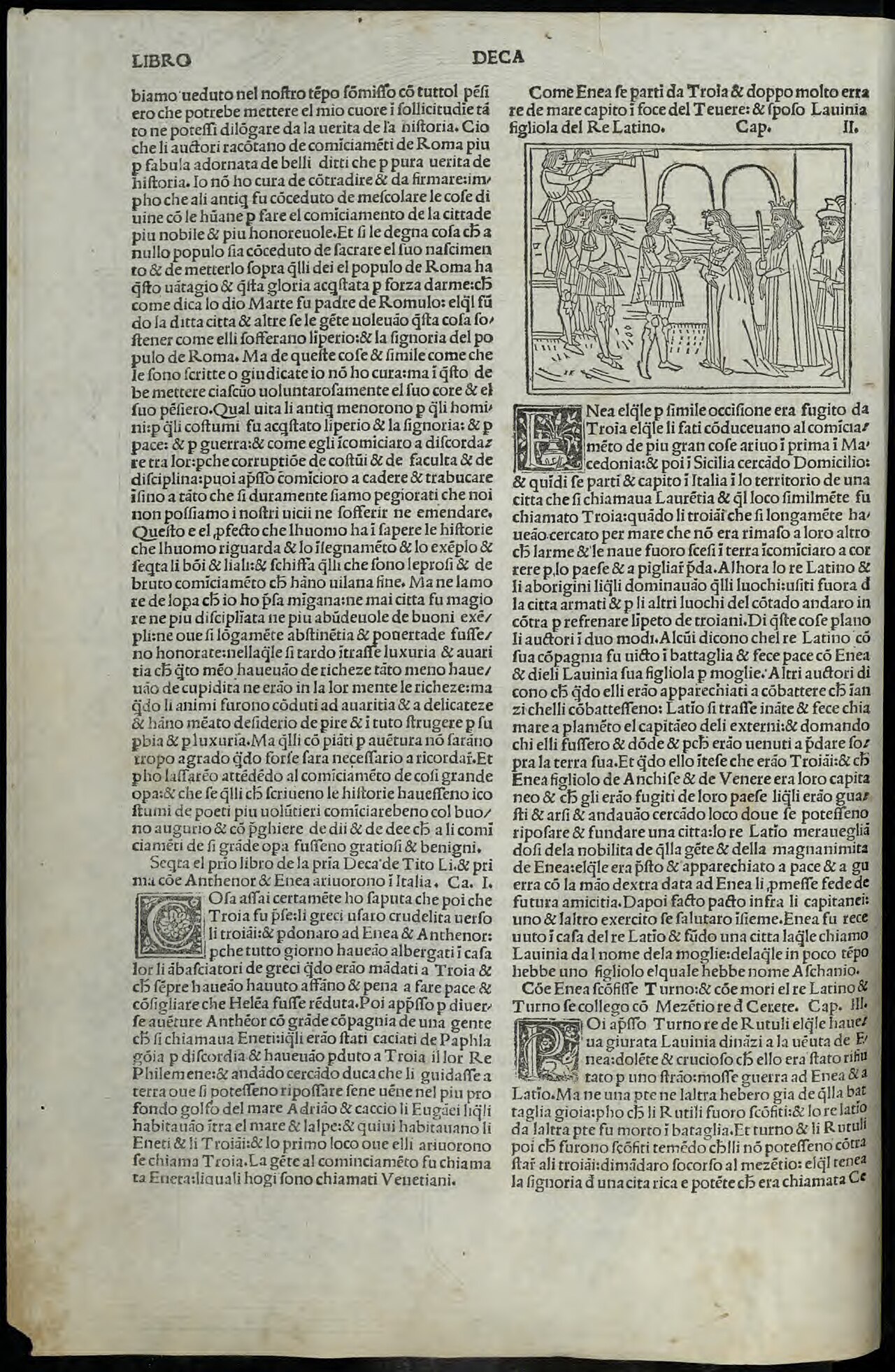
History of Rome
Titus Livius · 27-9 BC
Secondary source
Life of Hannibal
Cornelius Nepos
 Book
Secondary source
The Hannibalic War and The Punic Wars (Libyca)
Appian of Alexandria · c. AD 150
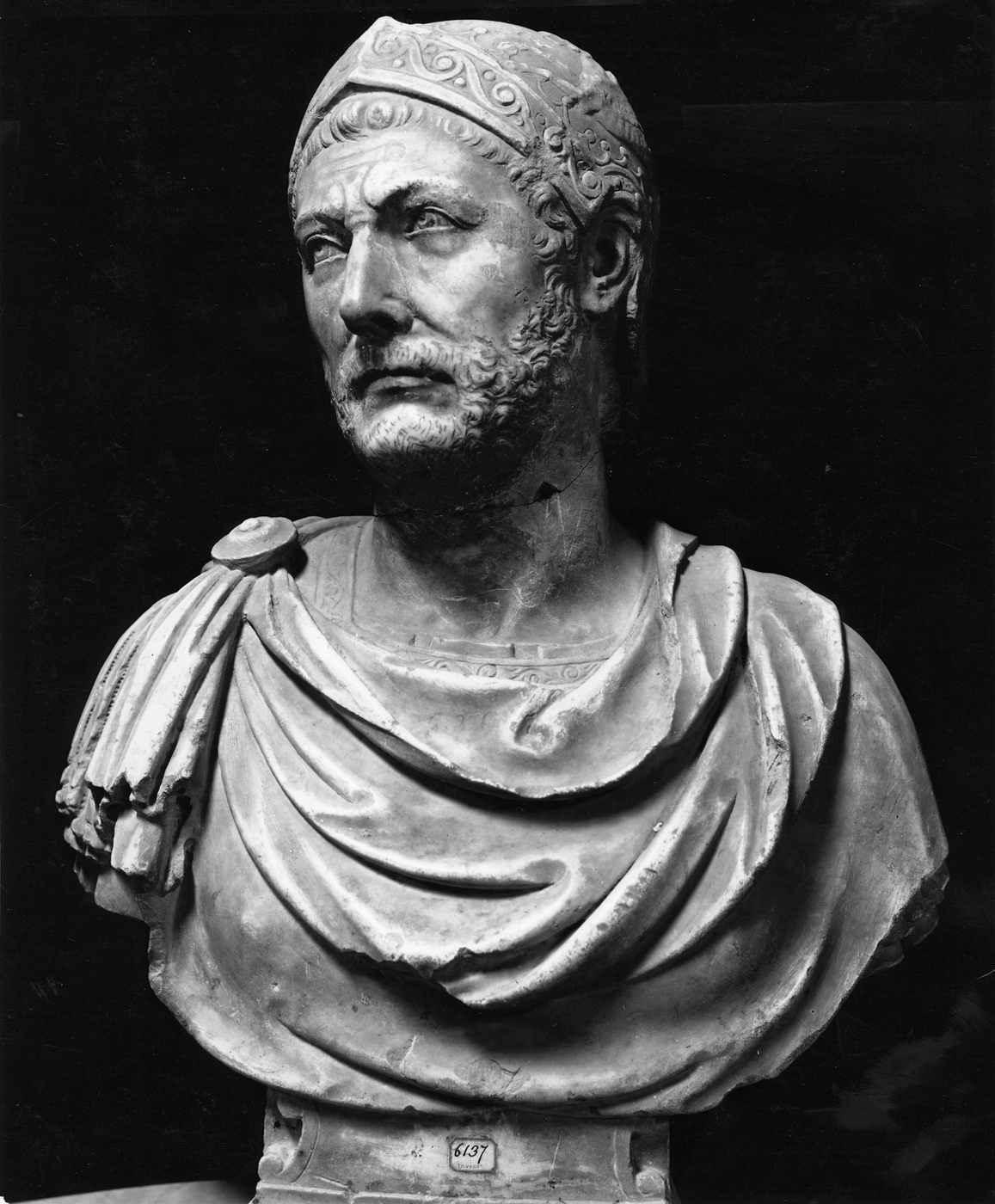 Sculpture
Secondary source
Capuan bust of Hannibal
1st century BC - 4th century AD
Ready when you are
Start chatting with Hannibal Barca now.
20 messages free · No credit card · Available in 50+ languages.