


Tertiary sourcePhotograph19th century (reproduction of ancient bust type)
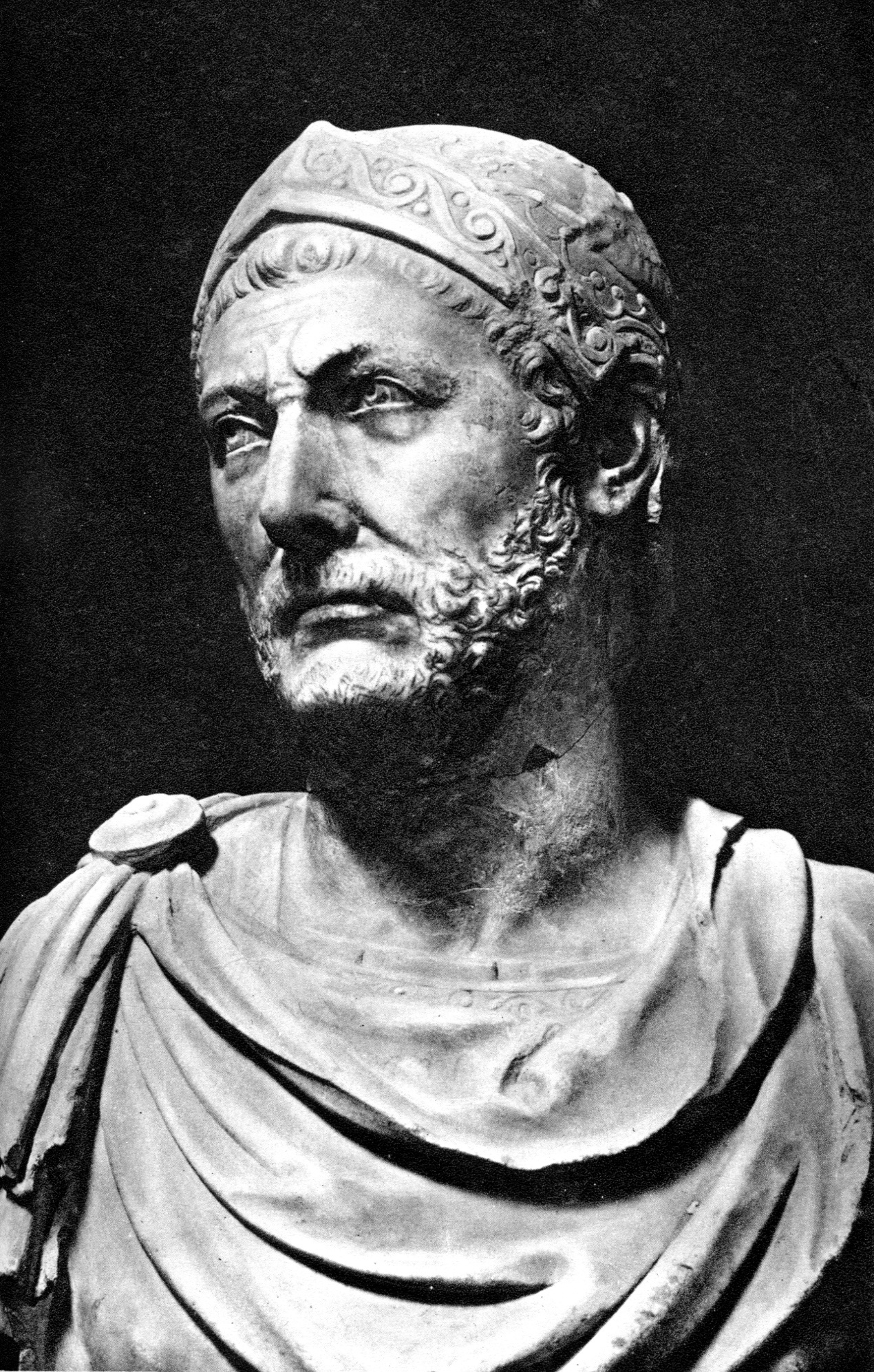
Portrait of Hannibal
19th century (reproduction of ancient bust type)
A 19th-century photographic reproduction of an ancient bust type, used as the standard image of Hannibal in textbooks.
This image is the standard modern depiction used to represent Hannibal, though its accuracy as a true likeness is uncertain.
About this source
What it is
This is a black-and-white photograph of a marble bust said to represent a bearded man with curly hair and a headband, draped in a garment over one shoulder. It was printed as an illustration in Theodor Mommsen's history of Rome, Römische Geschichte, and later became the image most often used online to represent Hannibal.
Why it matters
No portrait made during Hannibal's own lifetime survives, so later generations relied on busts like this one to imagine his face. The bust's connection to Hannibal is uncertain, but the image shows how 19th-century scholars like Mommsen shaped the way the ancient world has been pictured ever since.
Look closer
- What makes this image look authoritative, even though it may not really show Hannibal?
- Why might a 19th-century history book use an old bust as if it were a real portrait?
- What details are missing that would prove this is truly Hannibal?
This photograph is part of the curated material that grounds the AI version of Hannibal Barca on Humy.ai — when students ask about related events, the AI can quote it and cite it.
More Hannibal Barca sources
Meet the AI Hannibal Barca →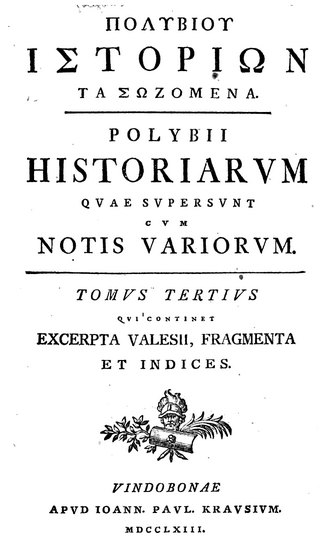 Book
Secondary source
The Histories
Polybius · c. 150 BCE
 Book
Primary source
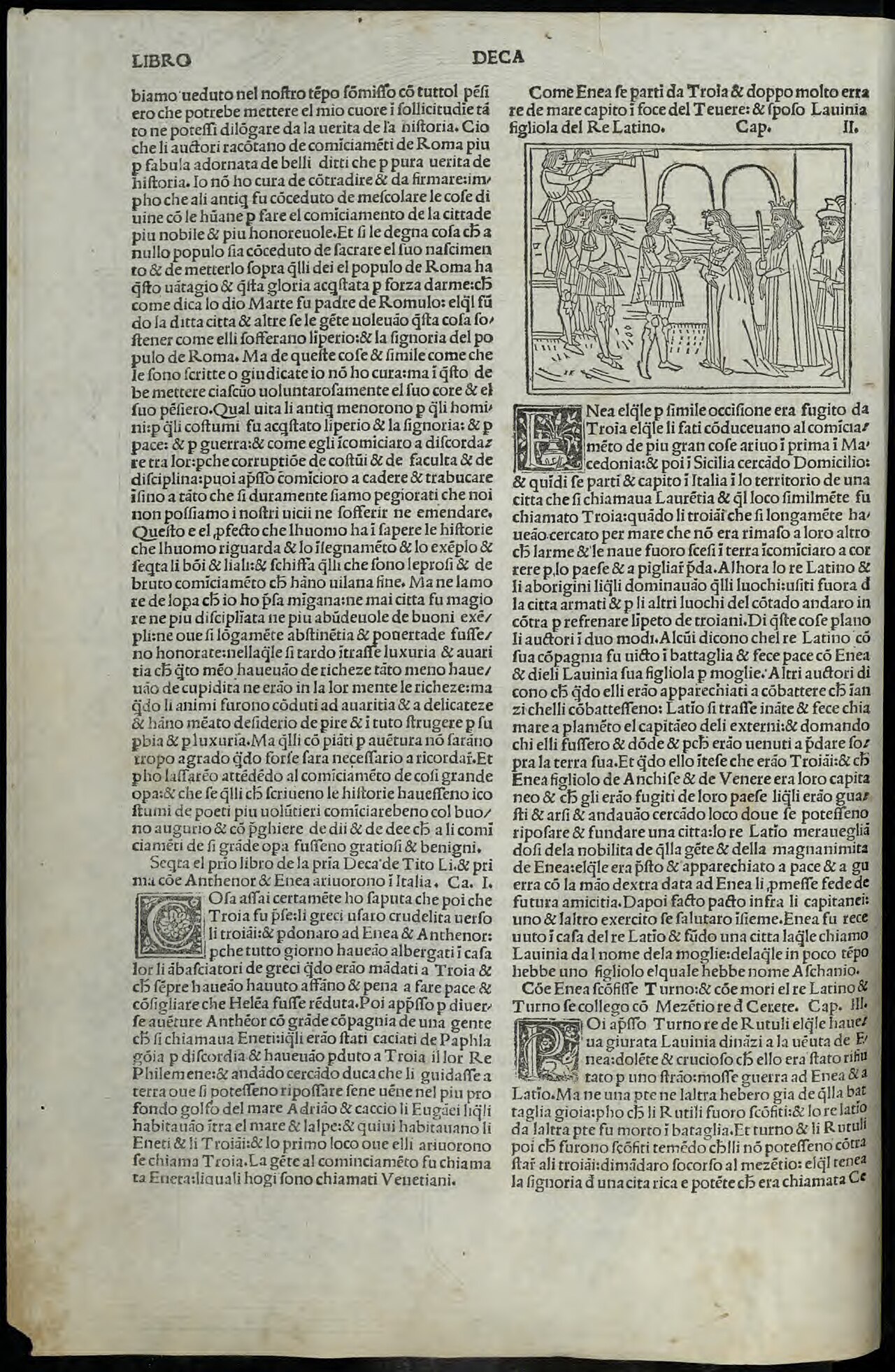
History of Rome
Titus Livius · 27-9 BC
Secondary source
Life of Hannibal
Cornelius Nepos
 Book
Secondary source
The Hannibalic War and The Punic Wars (Libyca)
Appian of Alexandria · c. AD 150
 Sculpture
Secondary source
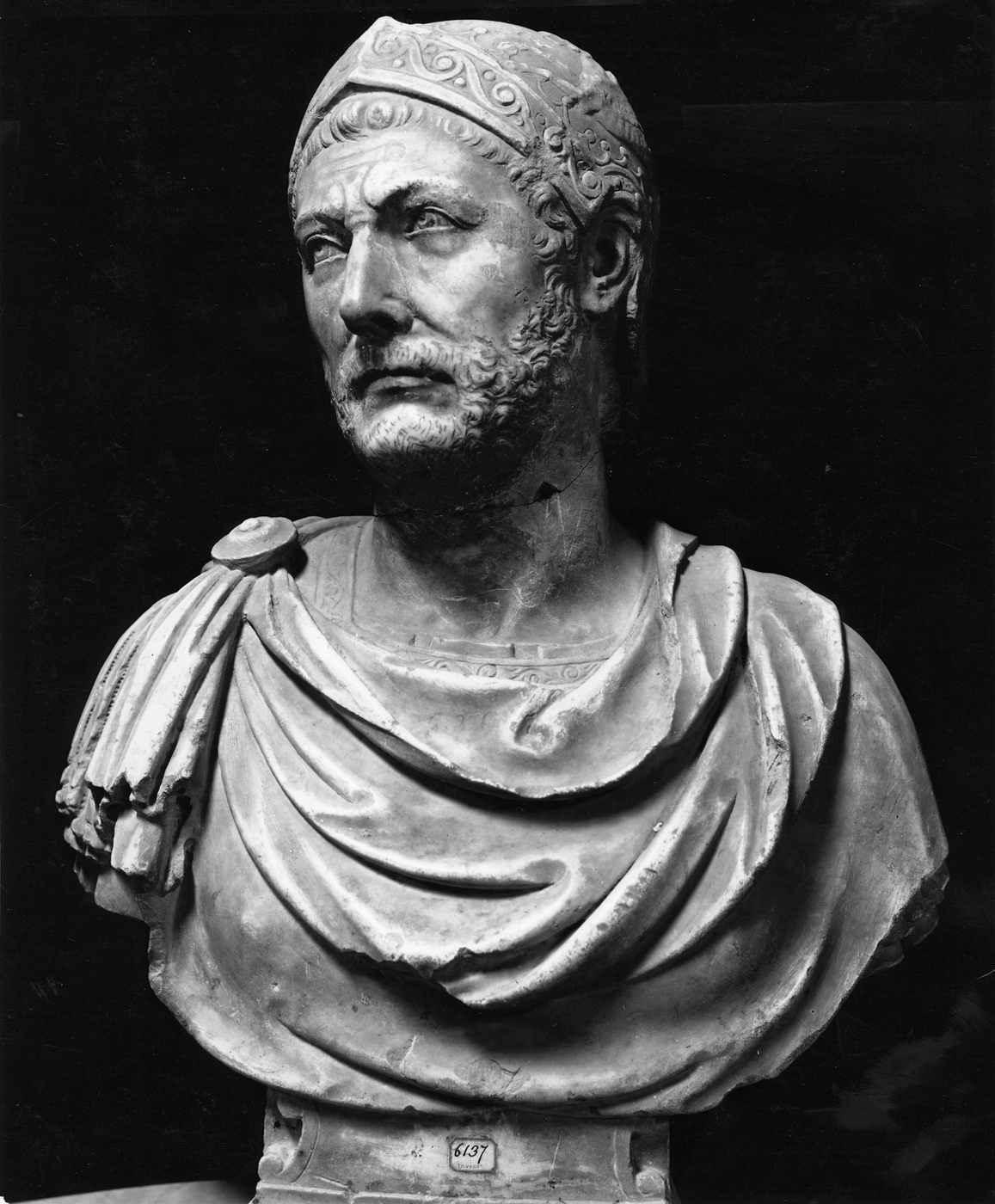
Capuan bust of Hannibal
1st century BC - 4th century AD
Ready when you are
Start chatting with Hannibal Barca now.
20 messages free · No credit card · Available in 50+ languages.