


Secondary sourceBook1st century BCE
Bibliotheca Historica
Diodorus Siculus · 1st century BCE
A Greek universal history by Diodorus Siculus whose description of a boastful royal inscription inspired the name 'Ozymandias' for Ramesses II.
Diodorus's history preserves some of the few surviving ancient accounts of Pythagoras's teaching and community in Croton.
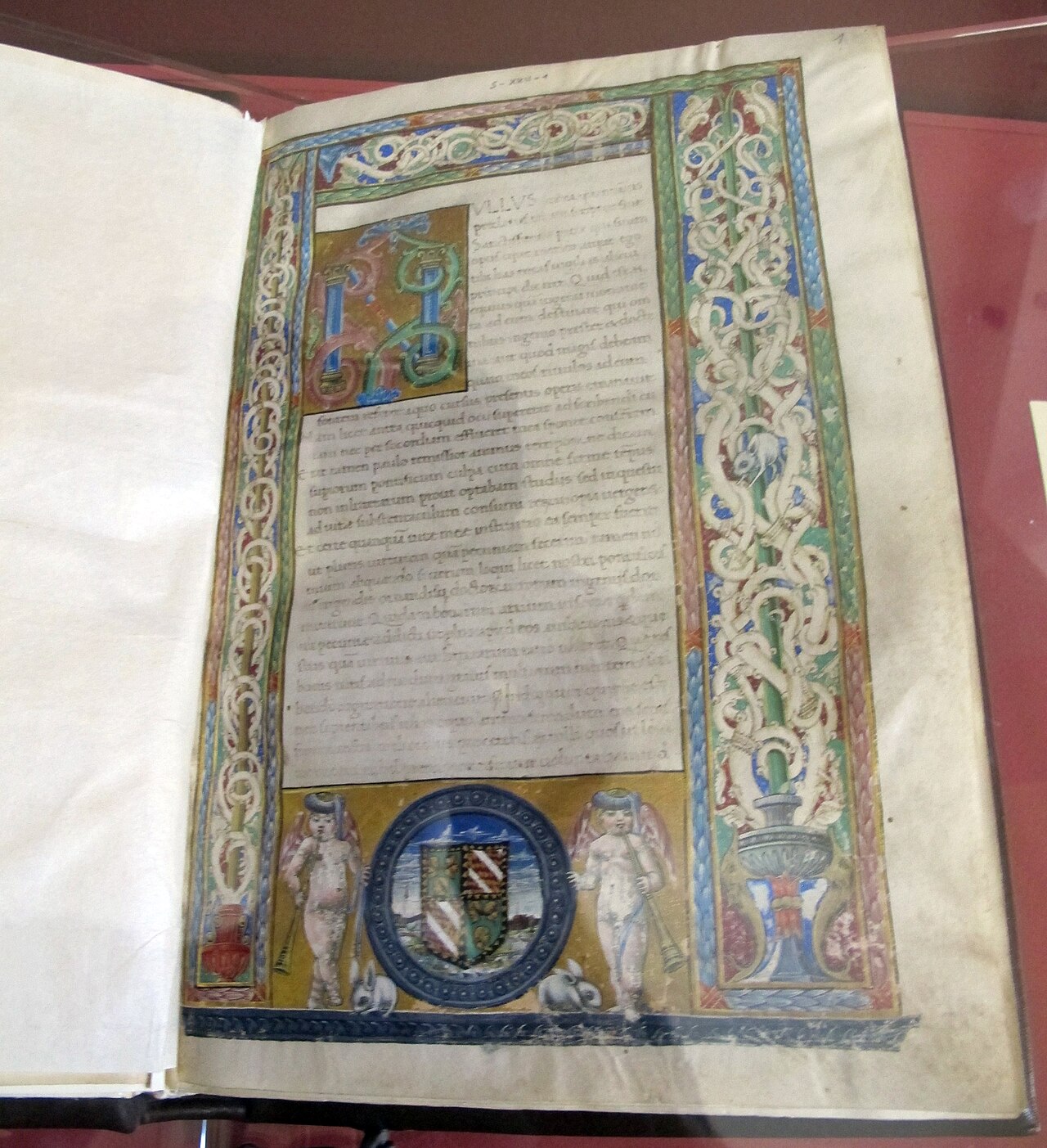
About this source
What it is
This is part of the Bibliotheca Historica, a universal history in Greek written by Diodorus Siculus, a historian who compiled his work from many earlier sources. One section describes Egypt, including a grand temple linked to a king known to the Greeks as Ozymandias, usually identified with Ramesses II.
Why it matters
Diodorus wrote centuries after Ramesses II lived, drawing on earlier writers rather than firsthand knowledge. His account of the temple's boastful inscription later inspired the name 'Ozymandias,' which the poet Percy Shelley used in his famous sonnet about the fall of great rulers. This shows how ancient writers shaped later ideas about Ramesses II long after his death.
Look closer
- Why might a description written centuries later not be fully reliable as evidence about Ramesses II?
- What does the survival of only parts of this huge work tell you about how ancient texts are preserved?
- Why do you think later poets were drawn to the idea of a boastful inscription on a ruined monument?
This book is part of the curated material that grounds the AI version of Pythagoras, Chandragupta Maurya, Ramses II (Ramses the Great), Pharaoh Khufu (Cheops), Alexander the Great, Ashurbanipal, Pericles and Hannibal Barca on Humy.ai — when students ask about related events, the AI can quote it and cite it.
More Pythagoras sources
Meet the AI Pythagoras → Book
Secondary source
Lives and Opinions of Eminent Philosophers, Book V (Life of Aristotle)
Diogenes Laërtius · c. 3rd century CE
 Book
Secondary source
Histories
Herodotus · c. 440 BCE
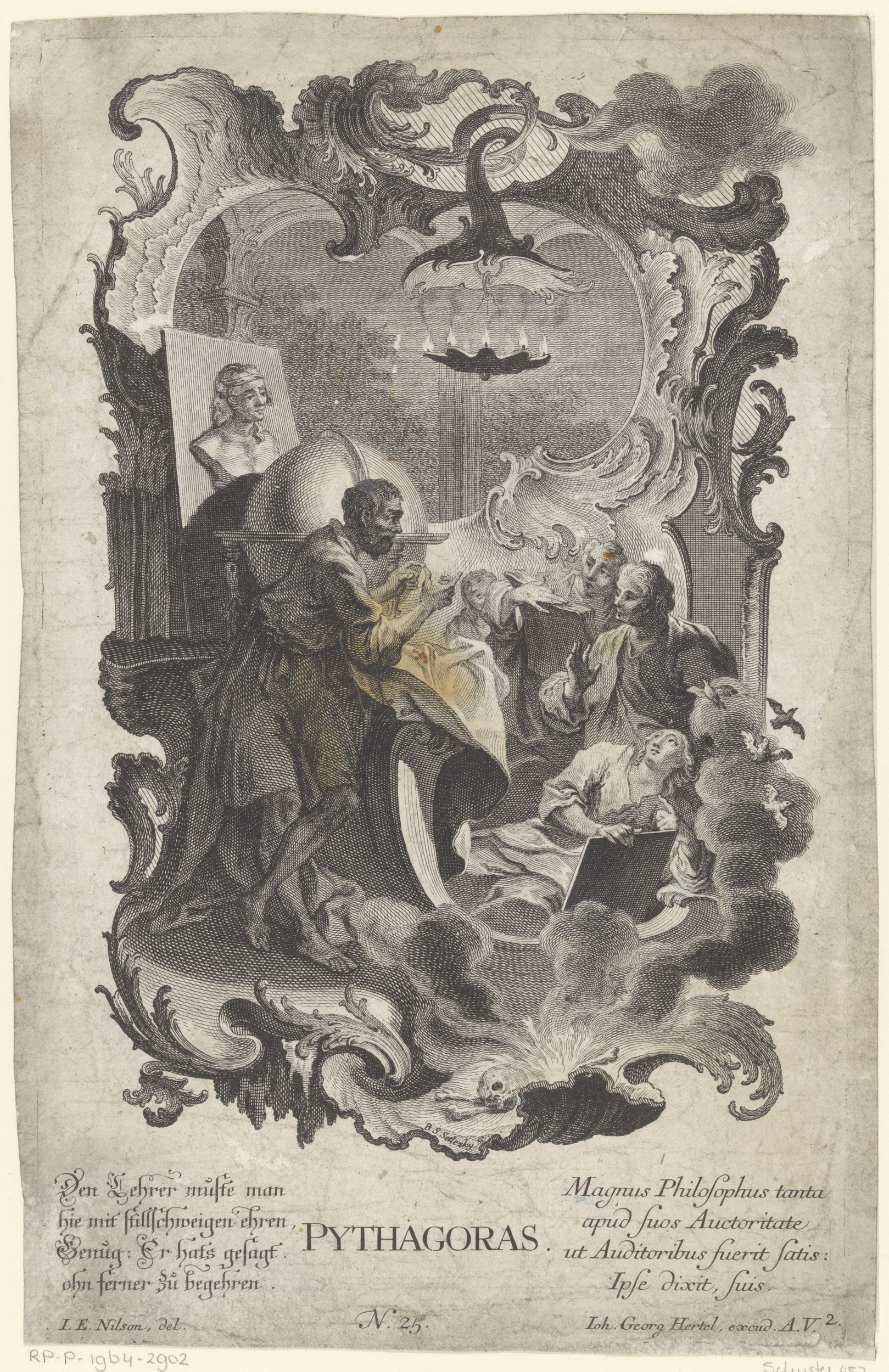 Painting
Secondary source
Pythagoras Leaning on a Globe with Four Listeners
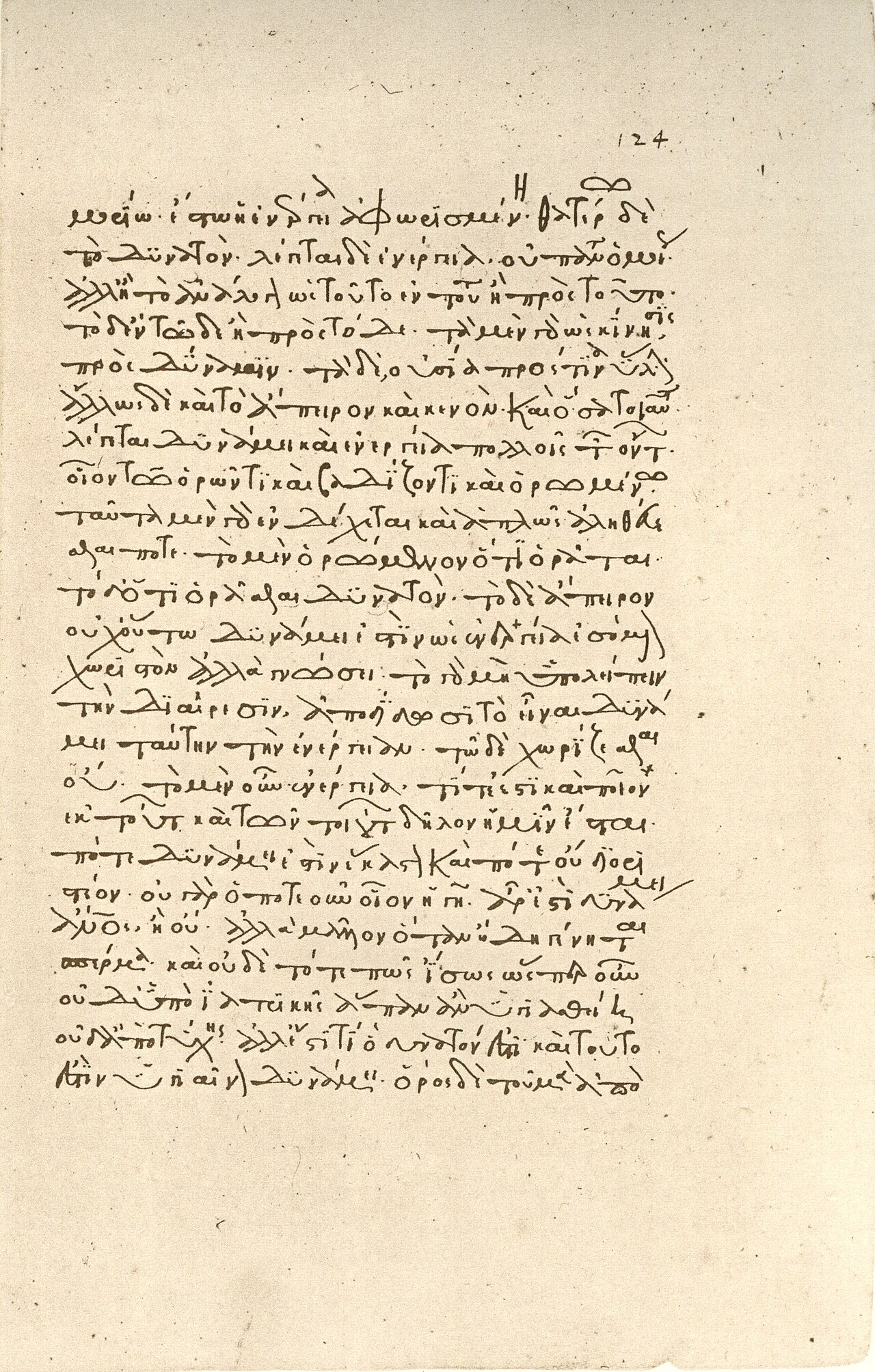 Book
Secondary source
Metaphysics
Aristotle · c. 400 BCE
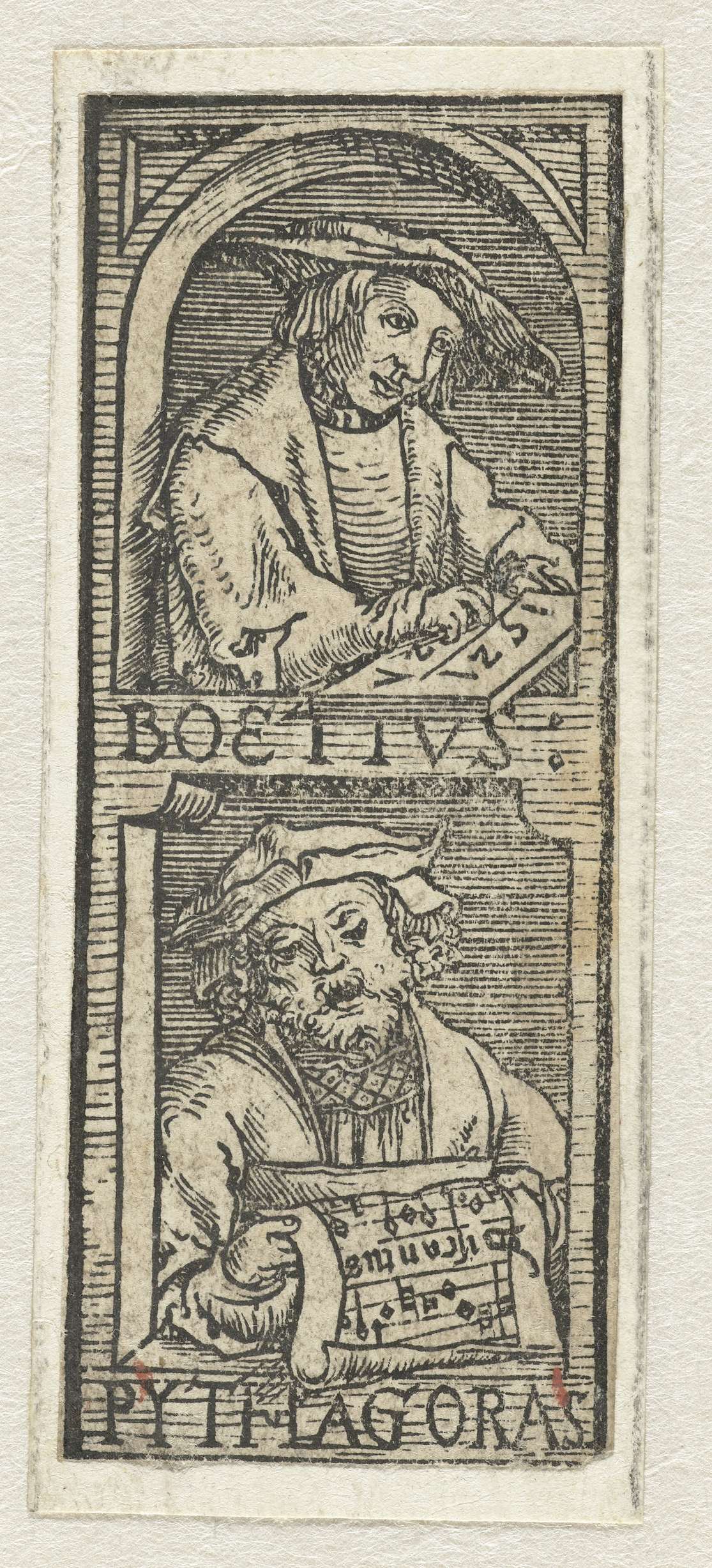 Painting
Secondary source
Boethius and Pythagoras
1521
Ready when you are
Start chatting with Pythagoras now.
20 messages free · No credit card · Available in 50+ languages.