


Secondary sourceBookc. 400 BCE
Metaphysics
Aristotle · c. 400 BCE
Aristotle's philosophical treatise, which credits Socrates with inductive arguments and universal definitions in ethics.
Aristotle's testimony here helps distinguish Socrates' own ideas from those later attributed to him by Plato.

About this source
What it is
The Metaphysics is a collection of philosophical treatises by Aristotle, likely compiled from lecture notes, dealing with substance, causation, and first principles. The page shown is from a manuscript copy held at the Vatican Library.
Why it matters
Aristotle, writing after both Socrates and Plato, gives important testimony distinguishing Socrates' own ideas from those of Plato. He credits Socrates with developing inductive arguments and universal definitions in ethics, while attributing the theory of Forms to Plato instead. This distinction is a key piece of evidence scholars use when trying to separate the historical Socrates from Plato's literary character, a puzzle known as the Socratic problem.
Look closer
- Why is it useful to have a source written by someone who studied under Plato, rather than by Plato himself?
- What problems arise when trying to tell apart what Socrates actually said from what Plato invented?
- How does a handwritten manuscript copy differ from the original work as Aristotle wrote it?
This book is part of the curated material that grounds the AI version of Socrates and Aristotle on Humy.ai — when students ask about related events, the AI can quote it and cite it.
More Socrates sources
Meet the AI Socrates →Secondary source
Apology
Plato · c. 395 BC
 Painting
Secondary source
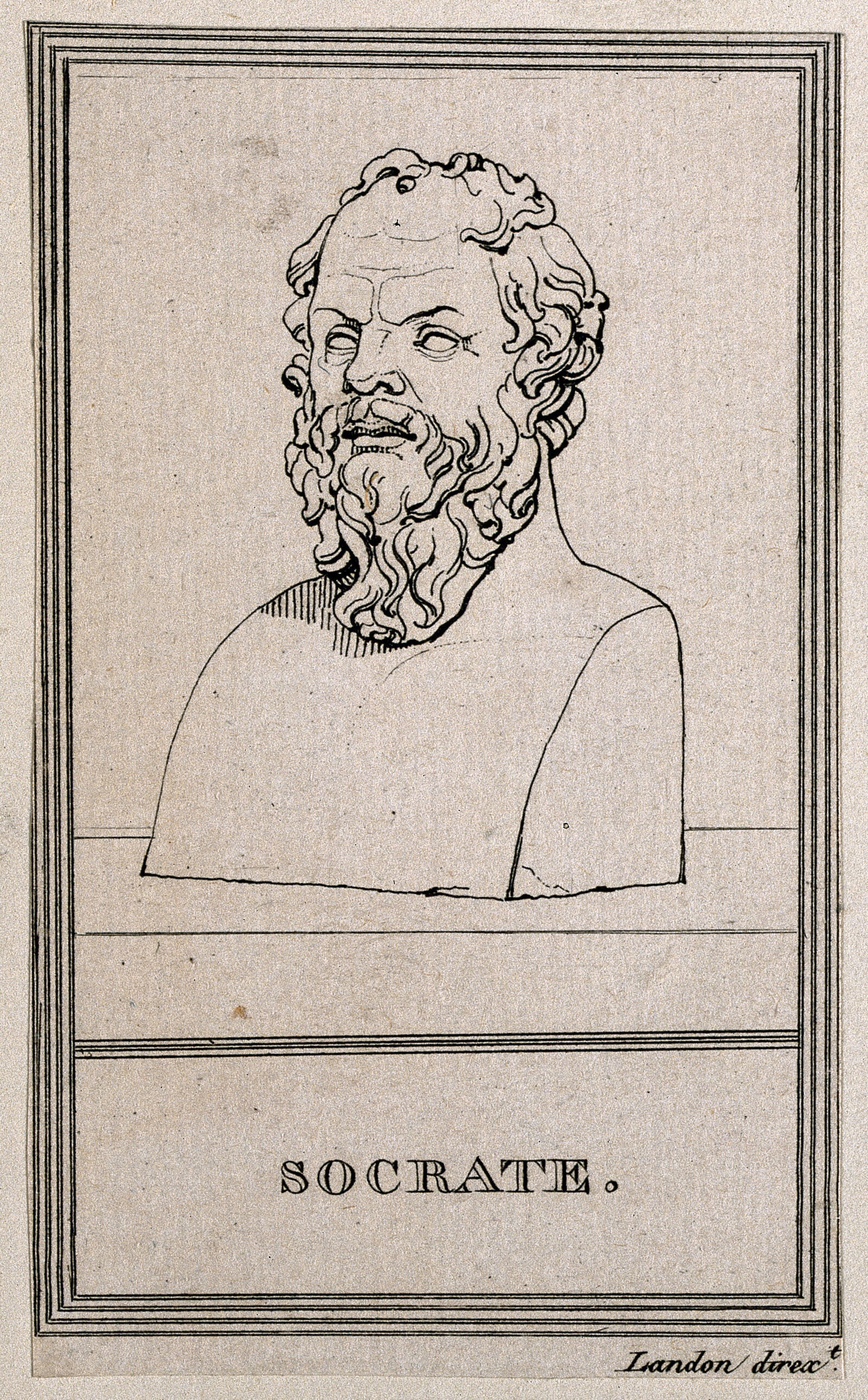
Line Engraving of Socrates by Landon
Charles Paul Landon
 Book
Secondary source
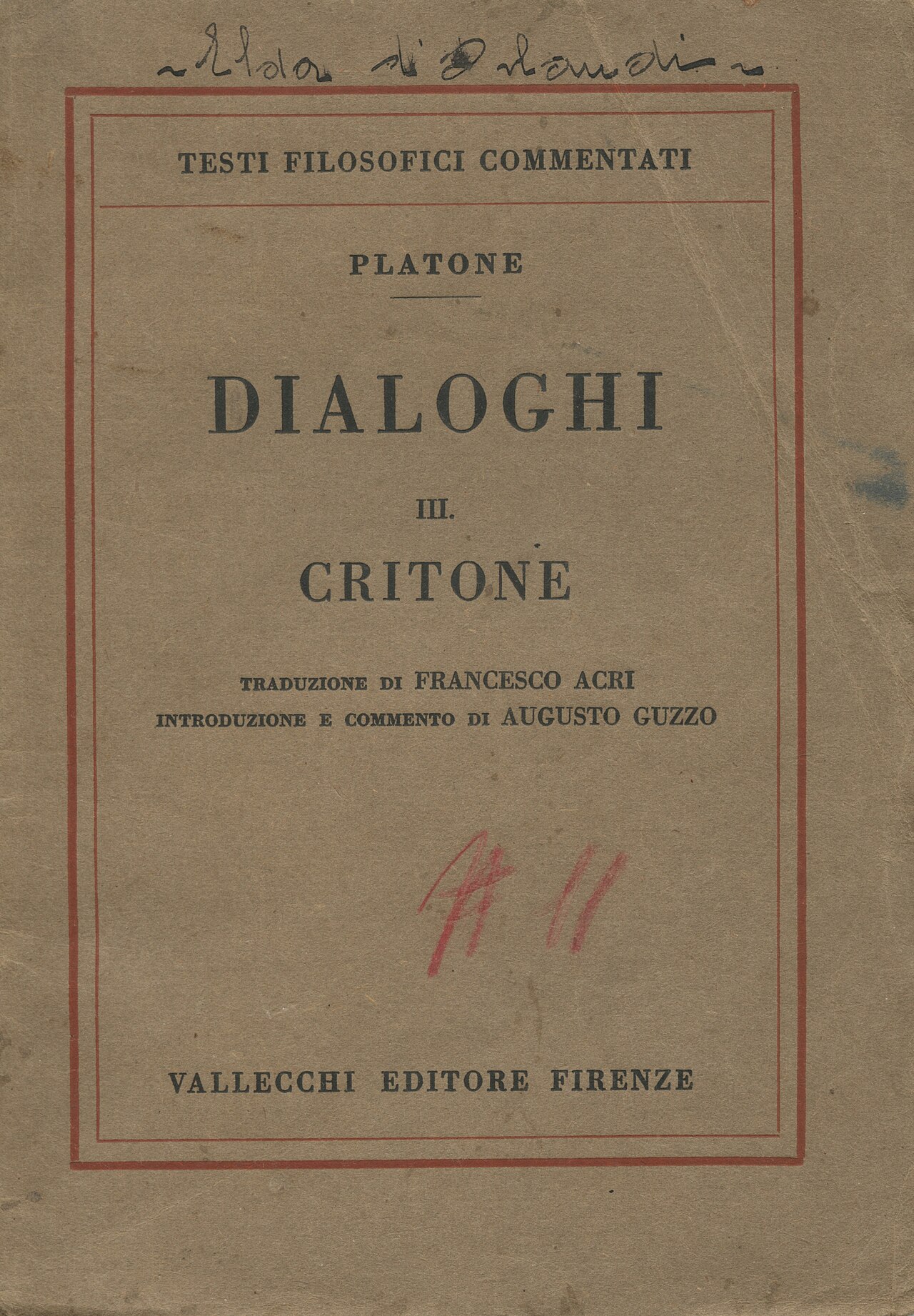
Crito
Plato · c. 400 BC
 Painting
Secondary source
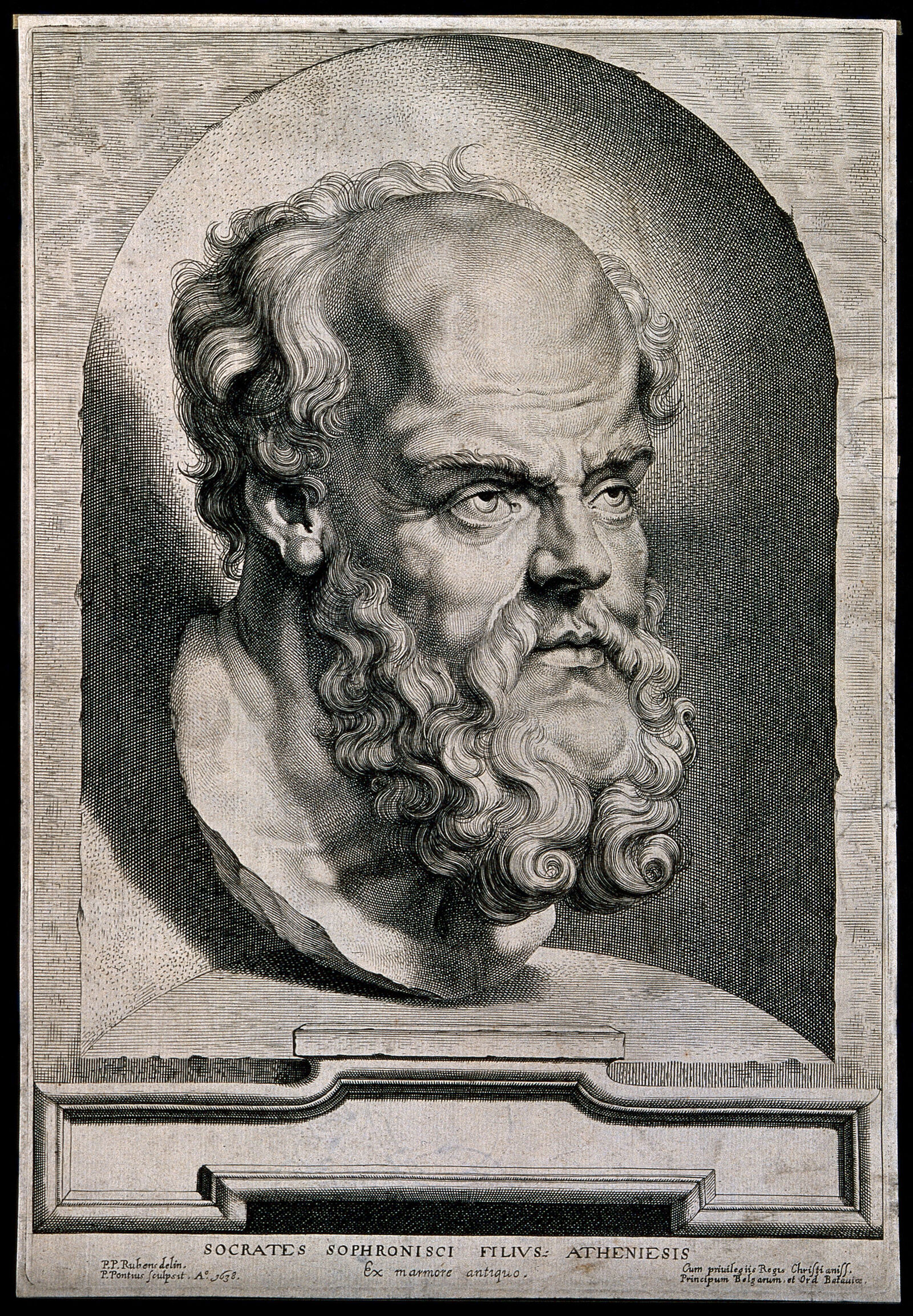
Socrates Engraving after Rubens by Pontius
Peter Paul Rubens · 1638
 Photograph
Secondary source
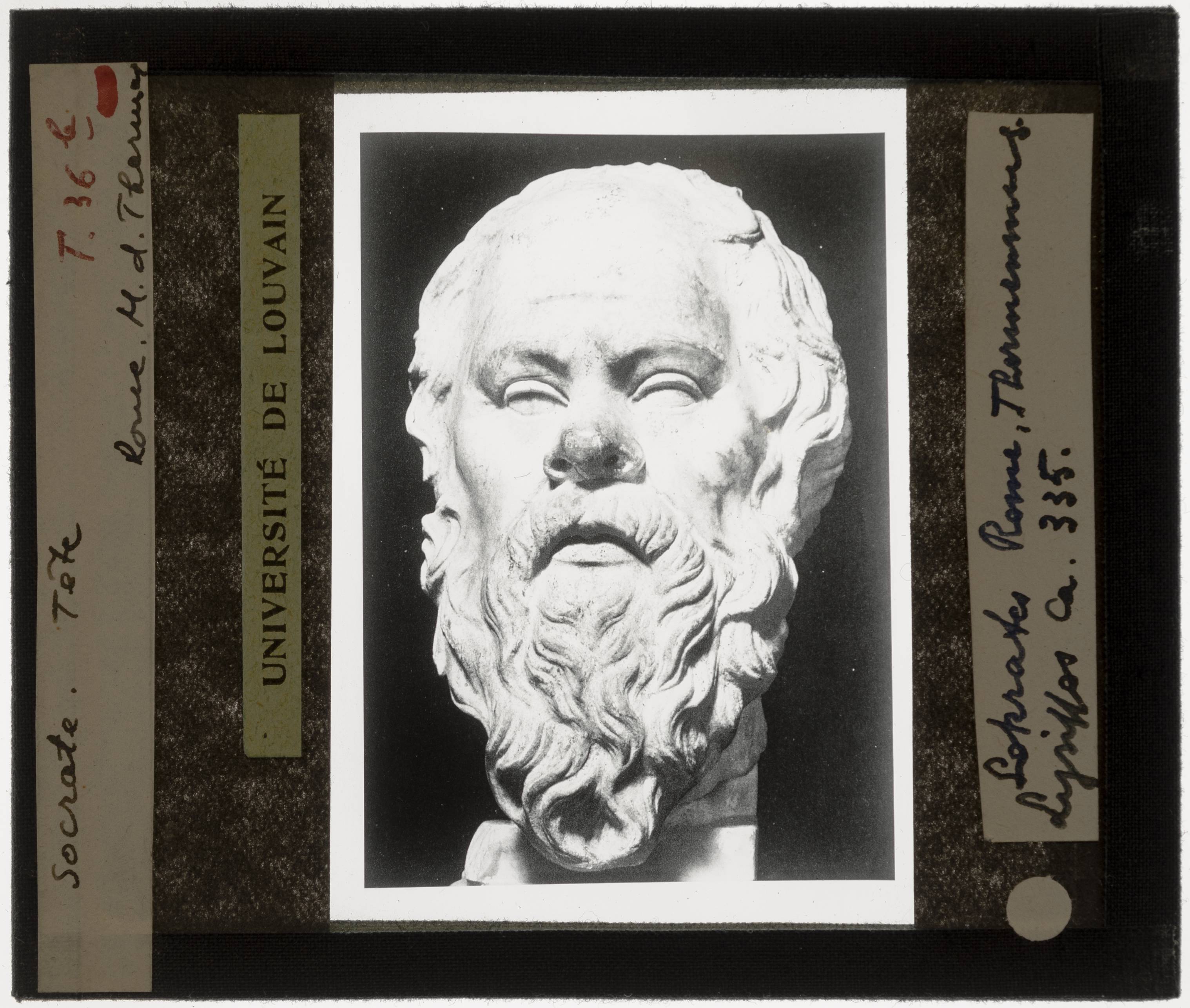
Roman Marble Bust of Socrates
between 1839 and 1939
Ready when you are
Start chatting with Socrates now.
20 messages free · No credit card · Available in 50+ languages.