


Secondary sourceBookc. 395 BC
Apology
Plato · c. 395 BC
Plato's account of Socrates' defence speech at his trial in 399 BC for impiety and corrupting the young.
Plato's dramatized version of Socrates' own trial speech, the key source for his philosophy and death.
About this source
What it is
The Apology of Socrates is a dialogue written by Plato, one of Socrates' students, depicting the speech Socrates gave in his own defence at his trial in Athens in 399 BC. It is written as Socrates speaking in the first person.
Why it matters
This is one of the most important sources for how Socrates presented his own mission as a philosopher: his claim that he was wise only because he knew he knew nothing, and his refusal to stop questioning people even to save his life. It also shows how Plato chose to remember and shape his teacher's image after his death. Scholars debate how closely it matches what Socrates actually said.
Look closer
- Why might Plato, writing after Socrates' death, want to defend his teacher's reputation?
- What does Socrates' claim of 'knowing nothing' tell us about his idea of wisdom?
- How might a text written by a follower differ from a trial transcript?
This book is part of the curated material that grounds the AI version of Socrates on Humy.ai — when students ask about related events, the AI can quote it and cite it.
More Socrates sources
Meet the AI Socrates →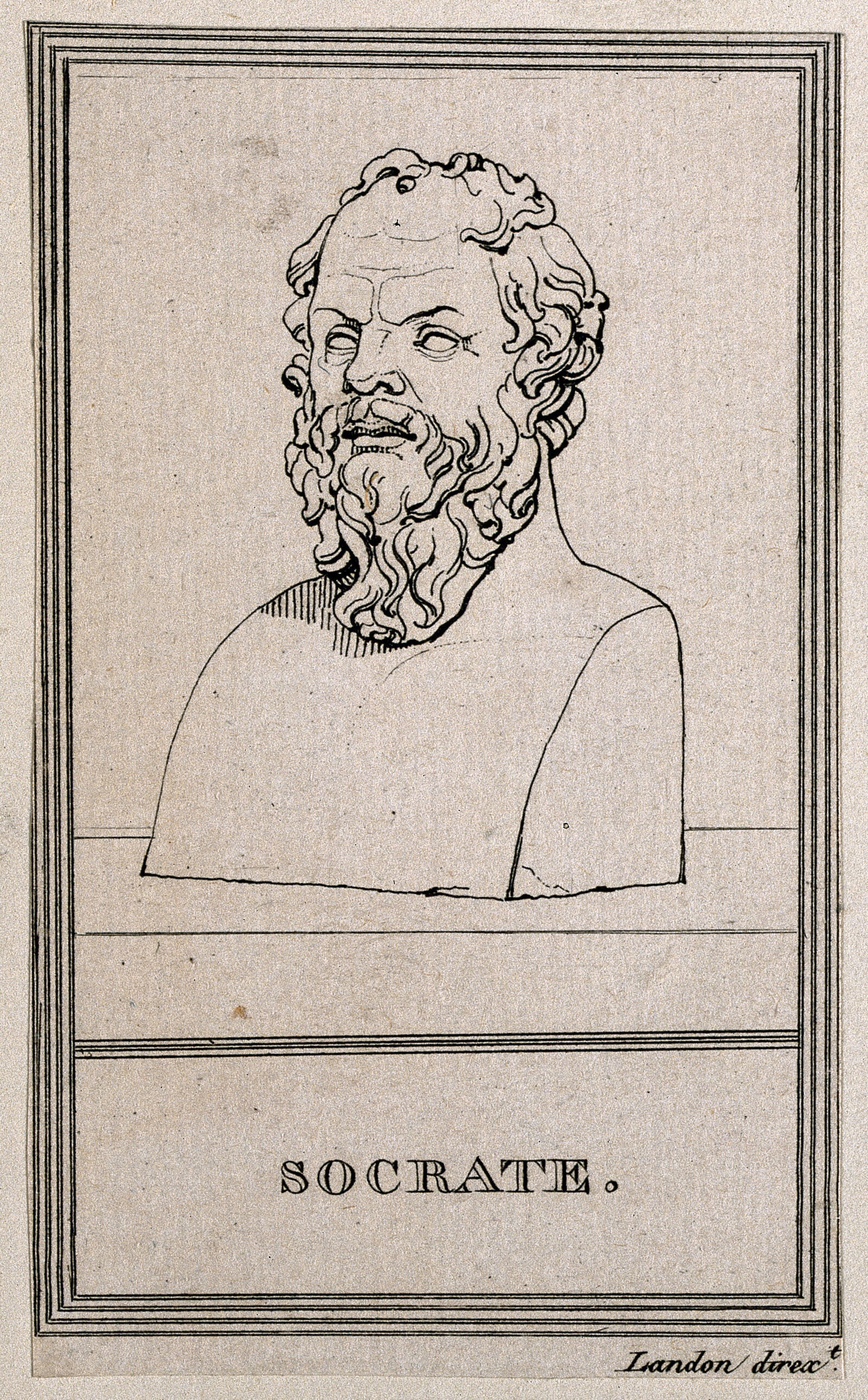 Painting
Secondary source
Line Engraving of Socrates by Landon
Charles Paul Landon
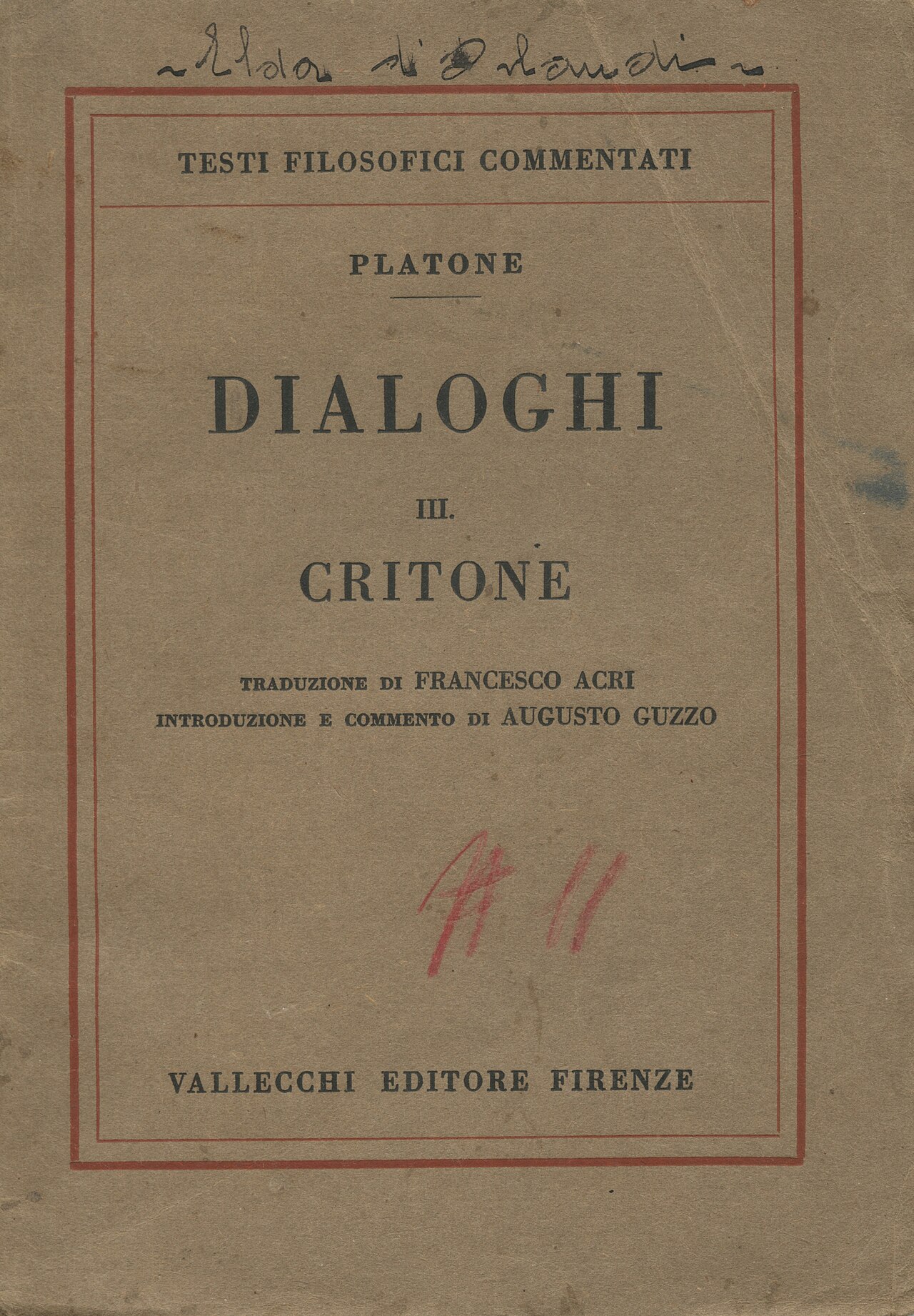 Book
Secondary source
Crito
Plato · c. 400 BC
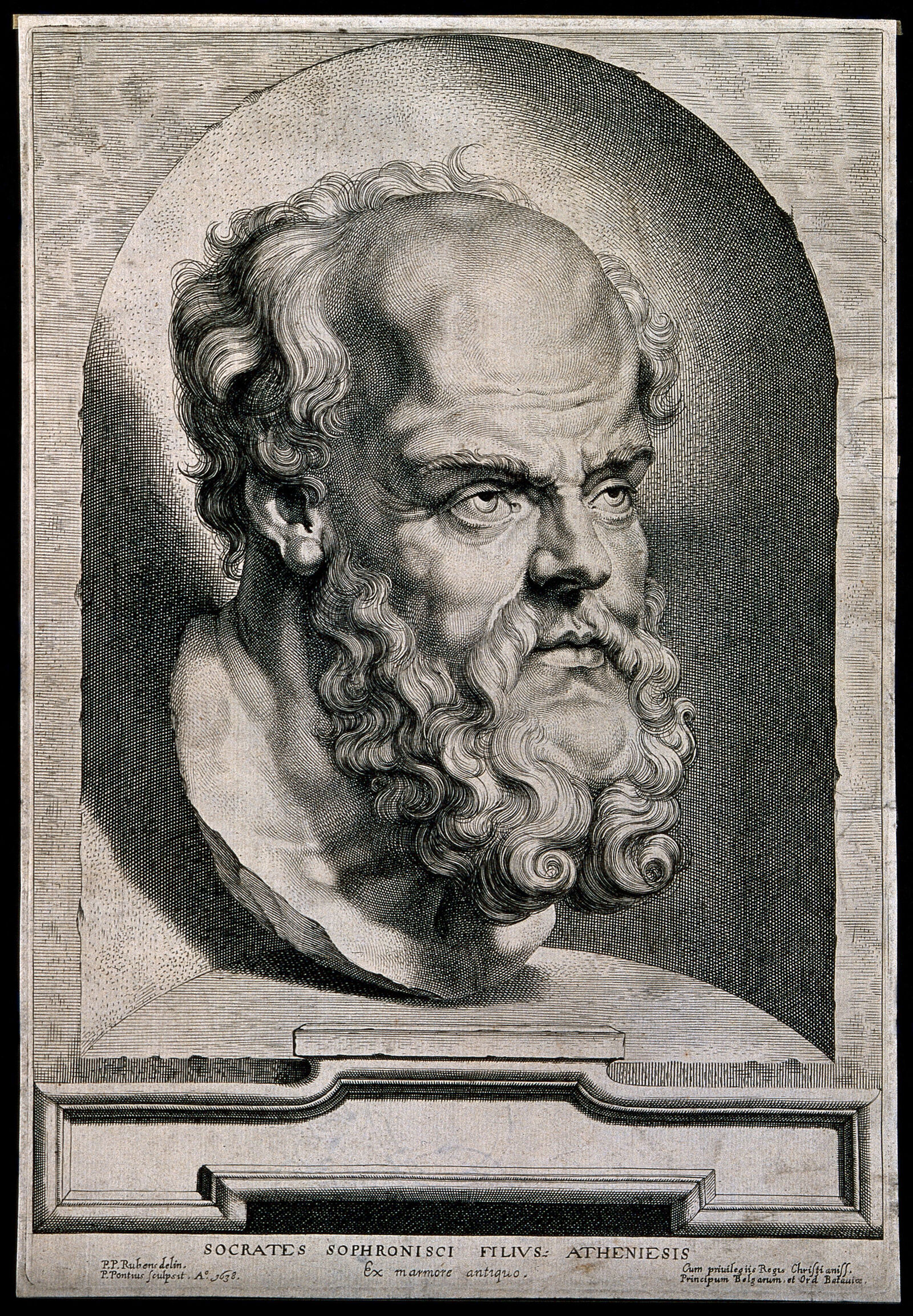 Painting
Secondary source
Socrates Engraving after Rubens by Pontius
Peter Paul Rubens · 1638
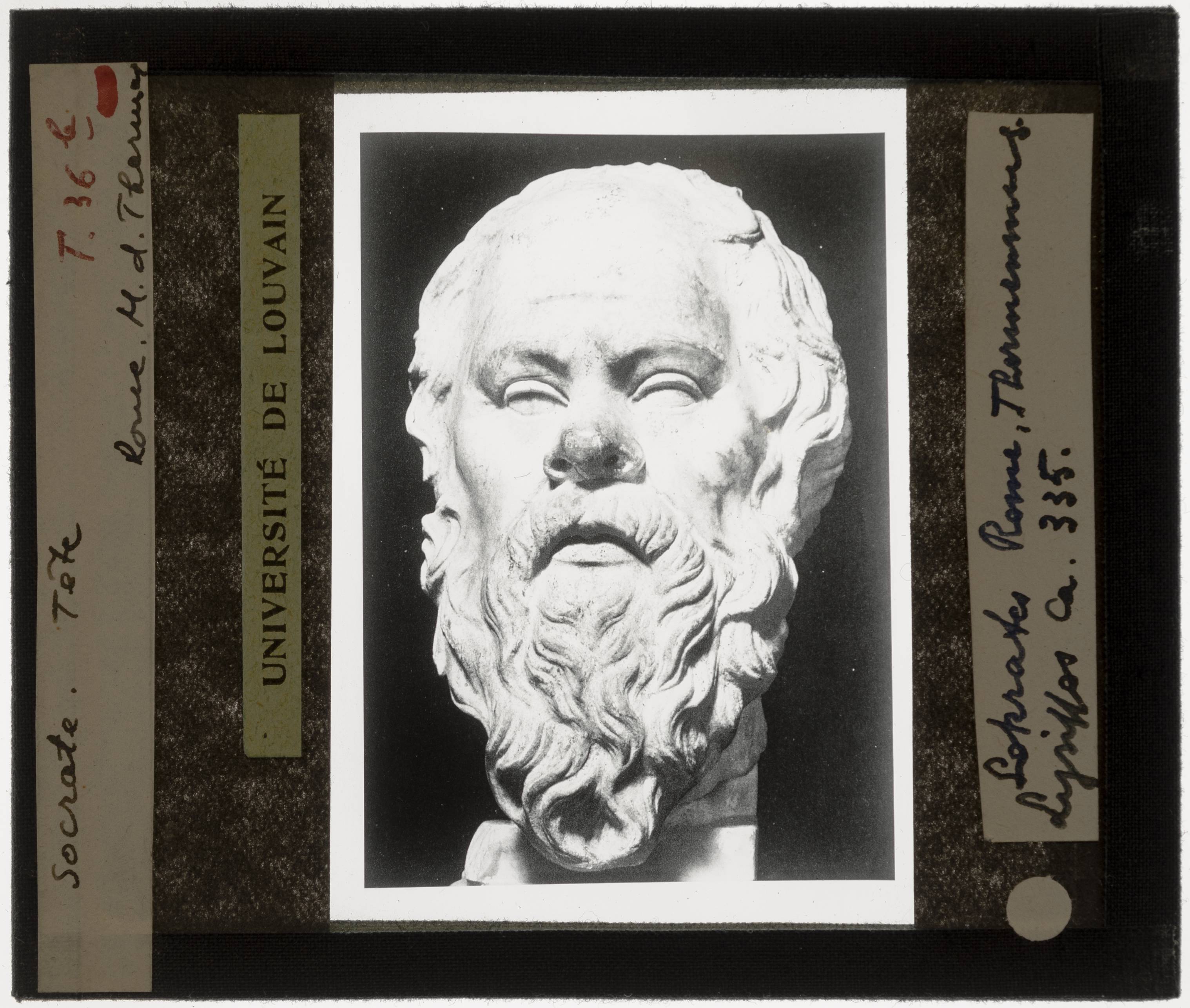 Photograph
Secondary source
Roman Marble Bust of Socrates
between 1839 and 1939
 Book
Secondary source
Phaedo
Plato · c. 360 BC
Ready when you are
Start chatting with Socrates now.
20 messages free · No credit card · Available in 50+ languages.