


Secondary sourceBookc. 400 BC
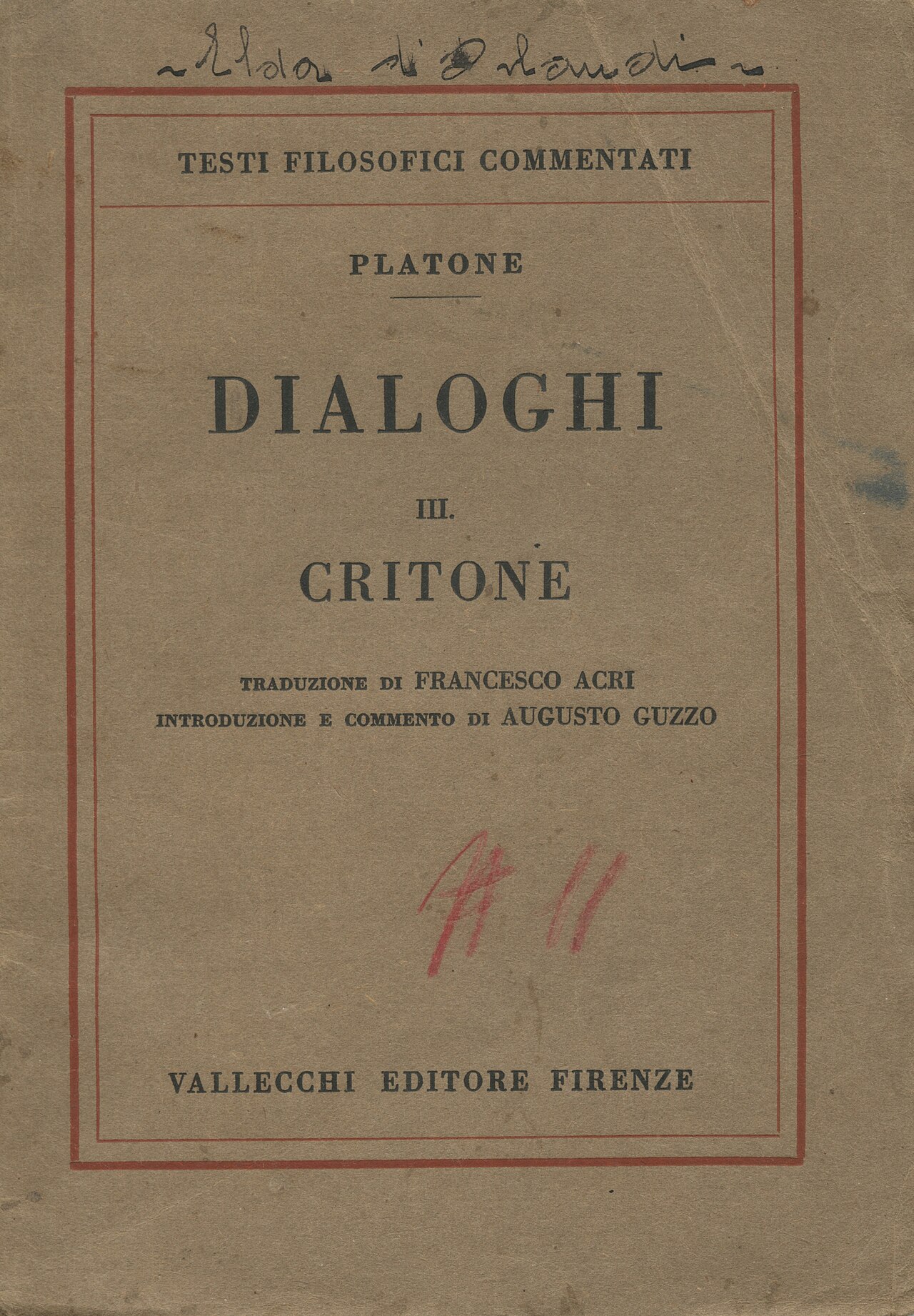
Crito
Plato · c. 400 BC
Plato's dialogue set in Socrates' prison cell, where he refuses his friend Crito's plan to help him escape execution.
Depicts Socrates in prison refusing to escape, showing his reasoning about justice and obedience to law.
About this source
What it is
Written by Plato, Crito depicts a conversation between Socrates and his friend Crito of Alopece, set in Socrates' prison cell shortly before his execution in 399 BC.
Why it matters
Crito offers to bribe guards and smuggle Socrates out of Athens, but Socrates argues that escaping would be unjust because it would break his lifelong agreement to obey the laws of the city. The dialogue is an early statement of ideas about citizens' duties to the state, and shows how Plato wanted later readers to understand Socrates' calm acceptance of death as a matter of principle.
Look closer
- Why does Socrates refuse a chance to save his own life?
- What does Crito's offer tell us about the loyalty of Socrates' friends?
- How reliable can a dialogue be as a record of what someone actually said in private?
This book is part of the curated material that grounds the AI version of Socrates on Humy.ai — when students ask about related events, the AI can quote it and cite it.
More Socrates sources
Meet the AI Socrates →Secondary source
Apology
Plato · c. 395 BC
 Painting
Secondary source
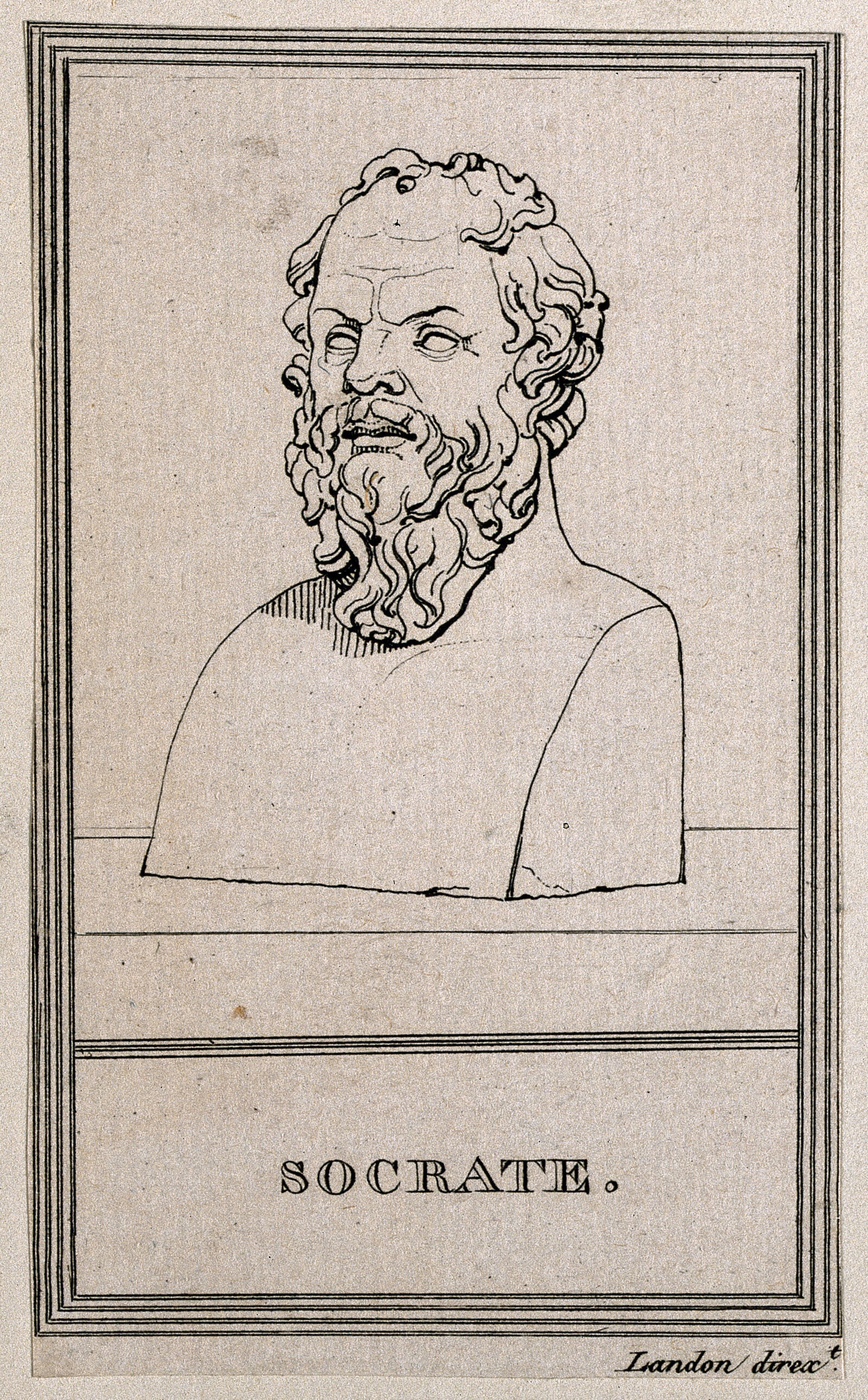
Line Engraving of Socrates by Landon
Charles Paul Landon
 Painting
Secondary source
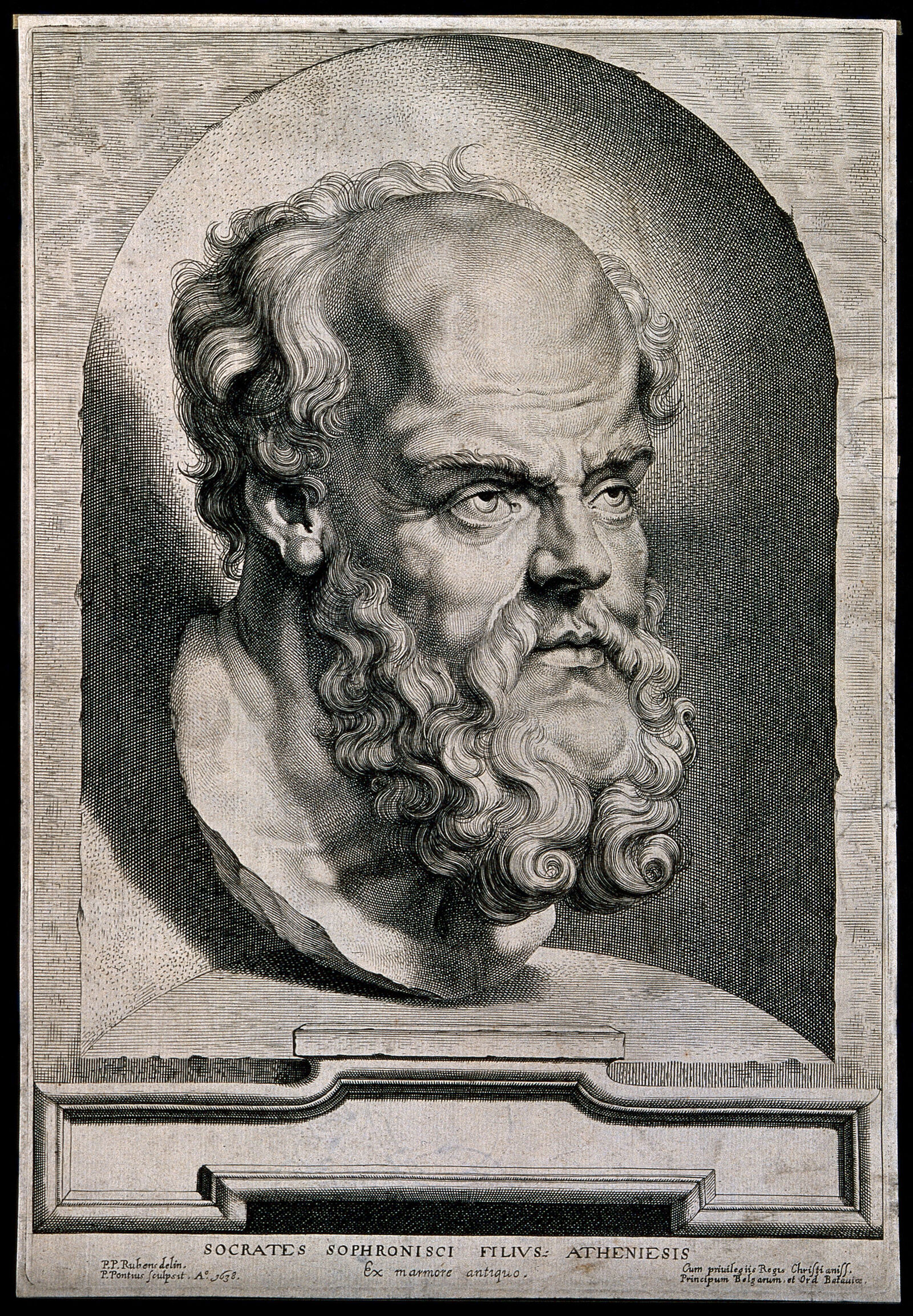
Socrates Engraving after Rubens by Pontius
Peter Paul Rubens · 1638
 Photograph
Secondary source
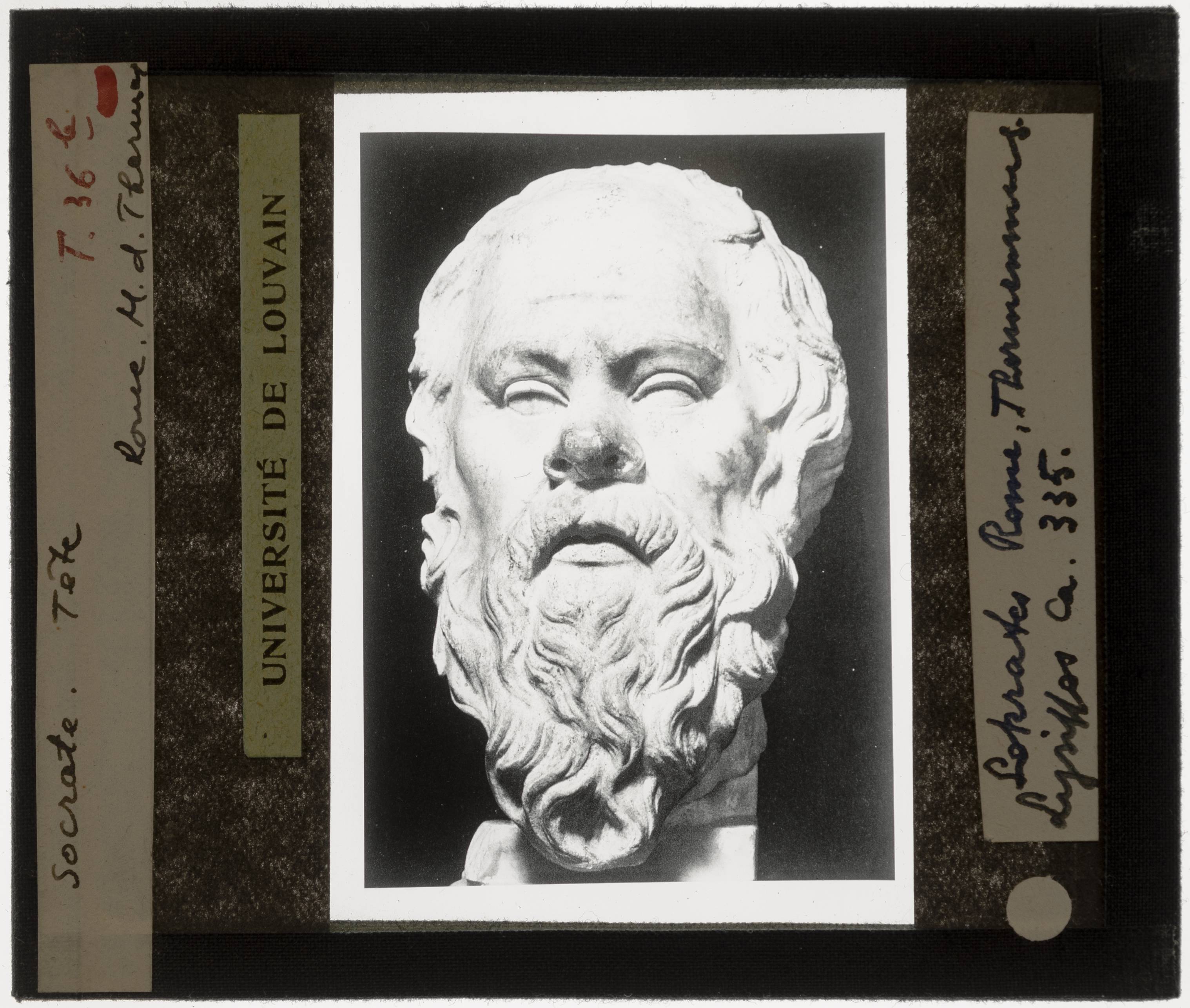
Roman Marble Bust of Socrates
between 1839 and 1939
 Book
Secondary source
Phaedo
Plato · c. 360 BC
Ready when you are
Start chatting with Socrates now.
20 messages free · No credit card · Available in 50+ languages.