


Secondary sourceBookc. 360 BC
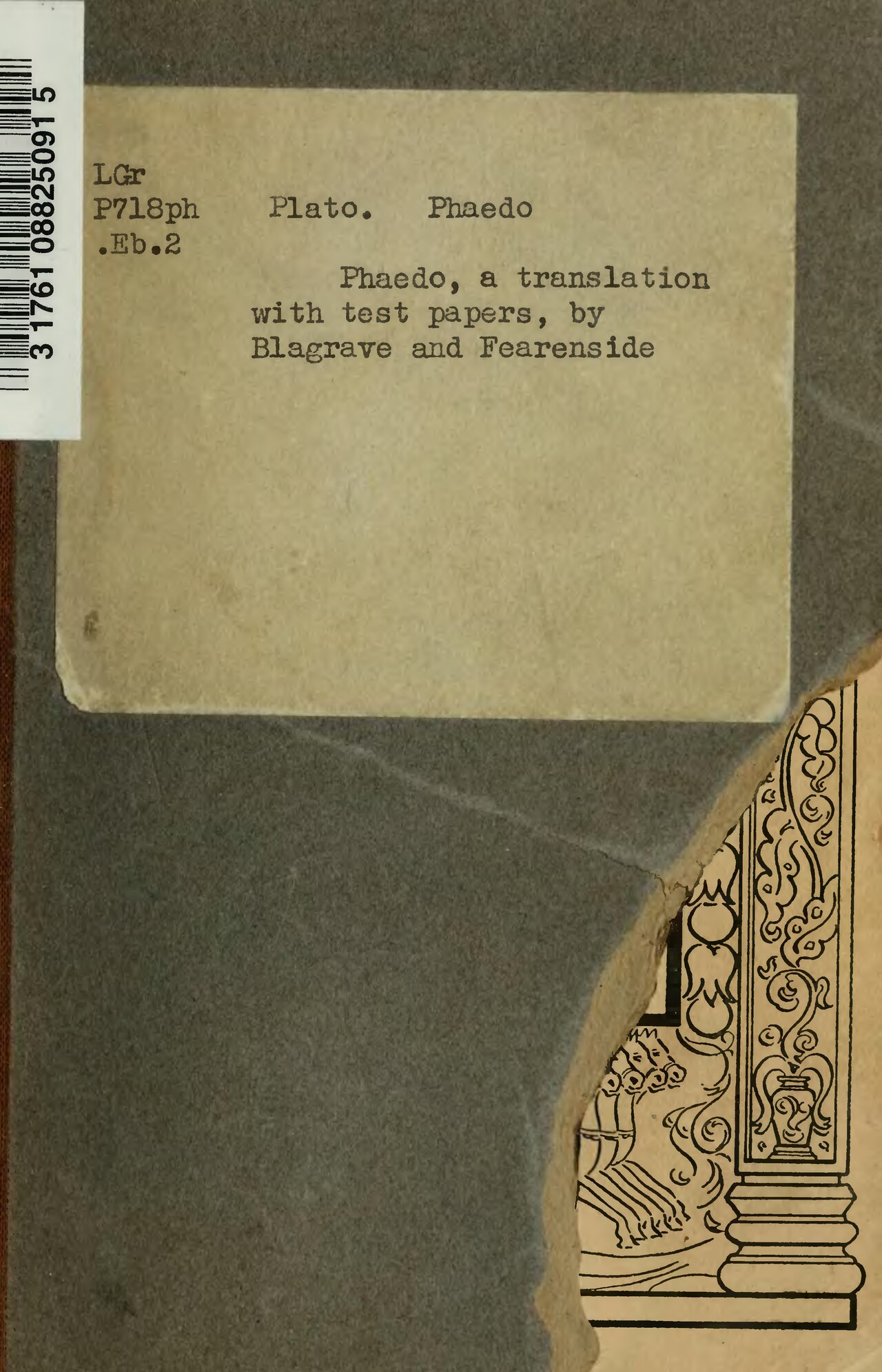
Phaedo
Plato · c. 360 BC
Plato's dialogue describing Socrates' last day in prison, his arguments on the soul, and his death by poison.
Narrates Socrates' final conversations and death, shaping the enduring image of his calm acceptance of execution.
About this source
What it is
Phaedo, written by Plato, is set in an Athenian prison on the day of Socrates' execution in 399 BC. It is narrated by Phaedo of Elis, who was present, and includes conversations with Socrates' friends Simmias and Cebes as well as Crito.
Why it matters
The dialogue presents Socrates' arguments for the immortality of the soul and ends with a detailed account of his execution by poison, including his request that a sacrifice be made to the god Asclepius. It is one of the main sources shaping how later generations pictured Socrates' calm death, and shows the influence of Pythagorean ideas among his followers, including Phaedo, Simmias and Cebes.
Look closer
- Why might Plato have chosen to end his account of Socrates with his death rather than his trial?
- What does the presence of so many followers around Socrates suggest about his influence?
- How might a dialogue written years later differ from an eyewitness account?
This book is part of the curated material that grounds the AI version of Socrates on Humy.ai — when students ask about related events, the AI can quote it and cite it.
More Socrates sources
Meet the AI Socrates →Secondary source
Apology
Plato · c. 395 BC
 Painting
Secondary source
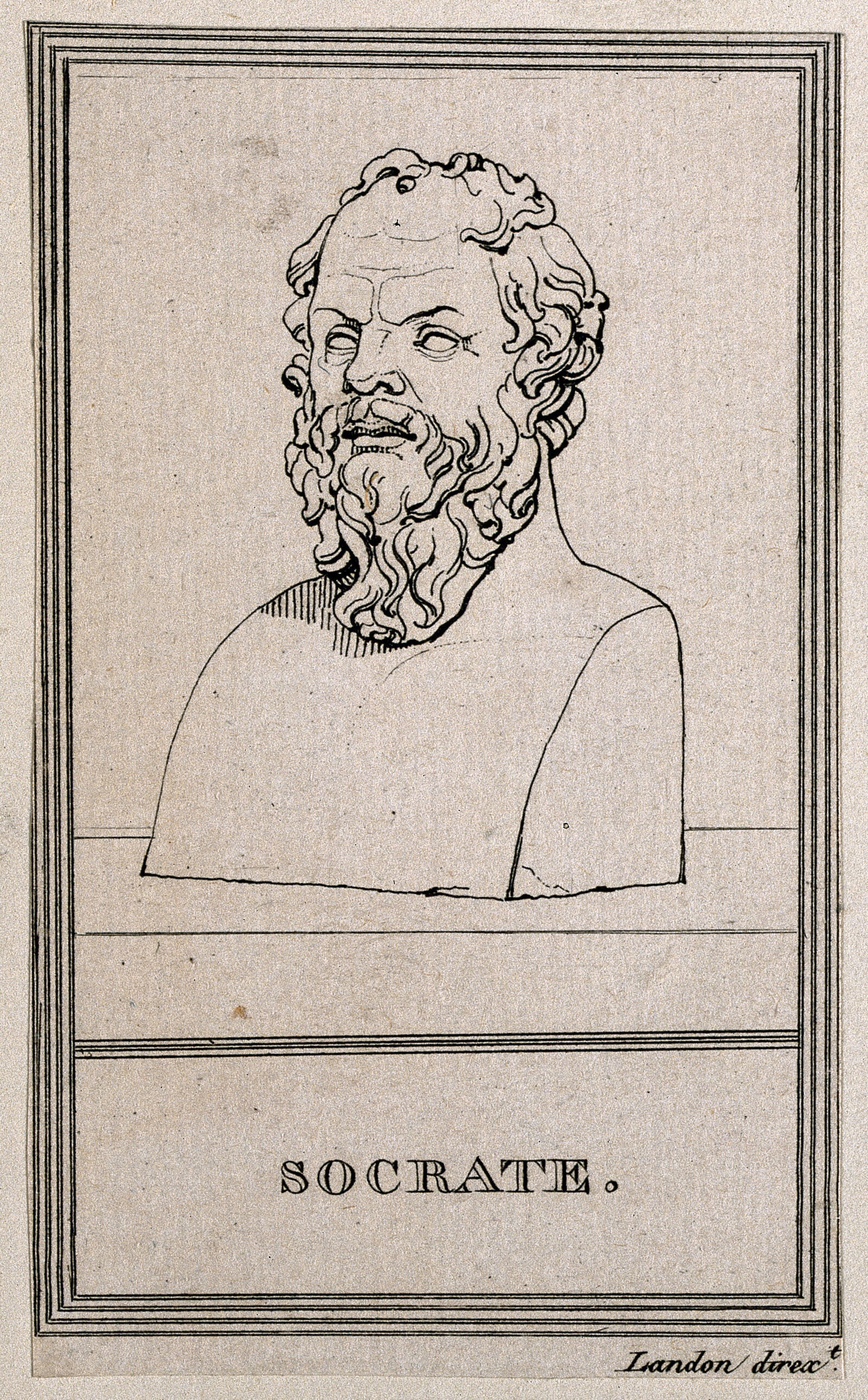
Line Engraving of Socrates by Landon
Charles Paul Landon
 Book
Secondary source
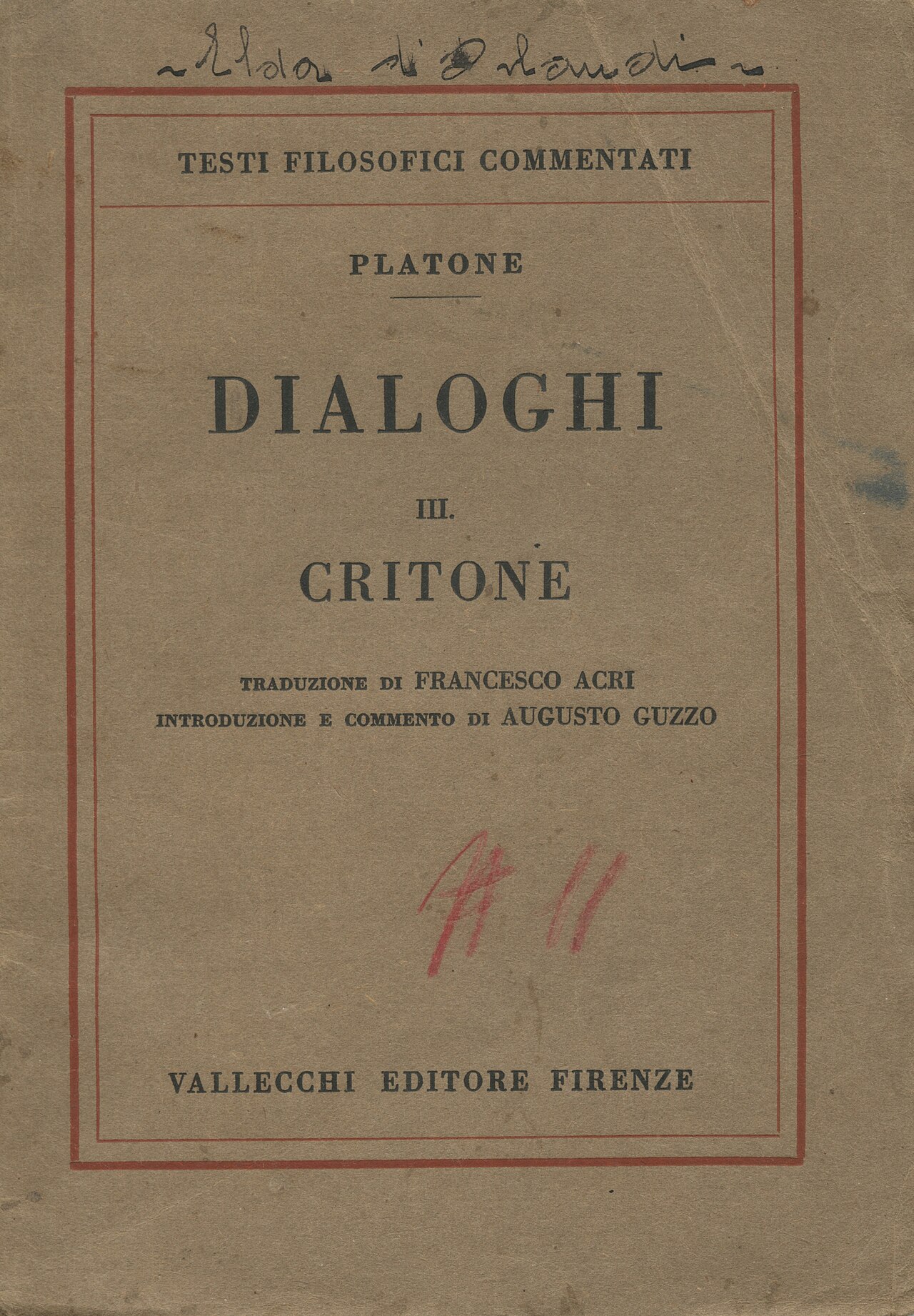
Crito
Plato · c. 400 BC
 Painting
Secondary source
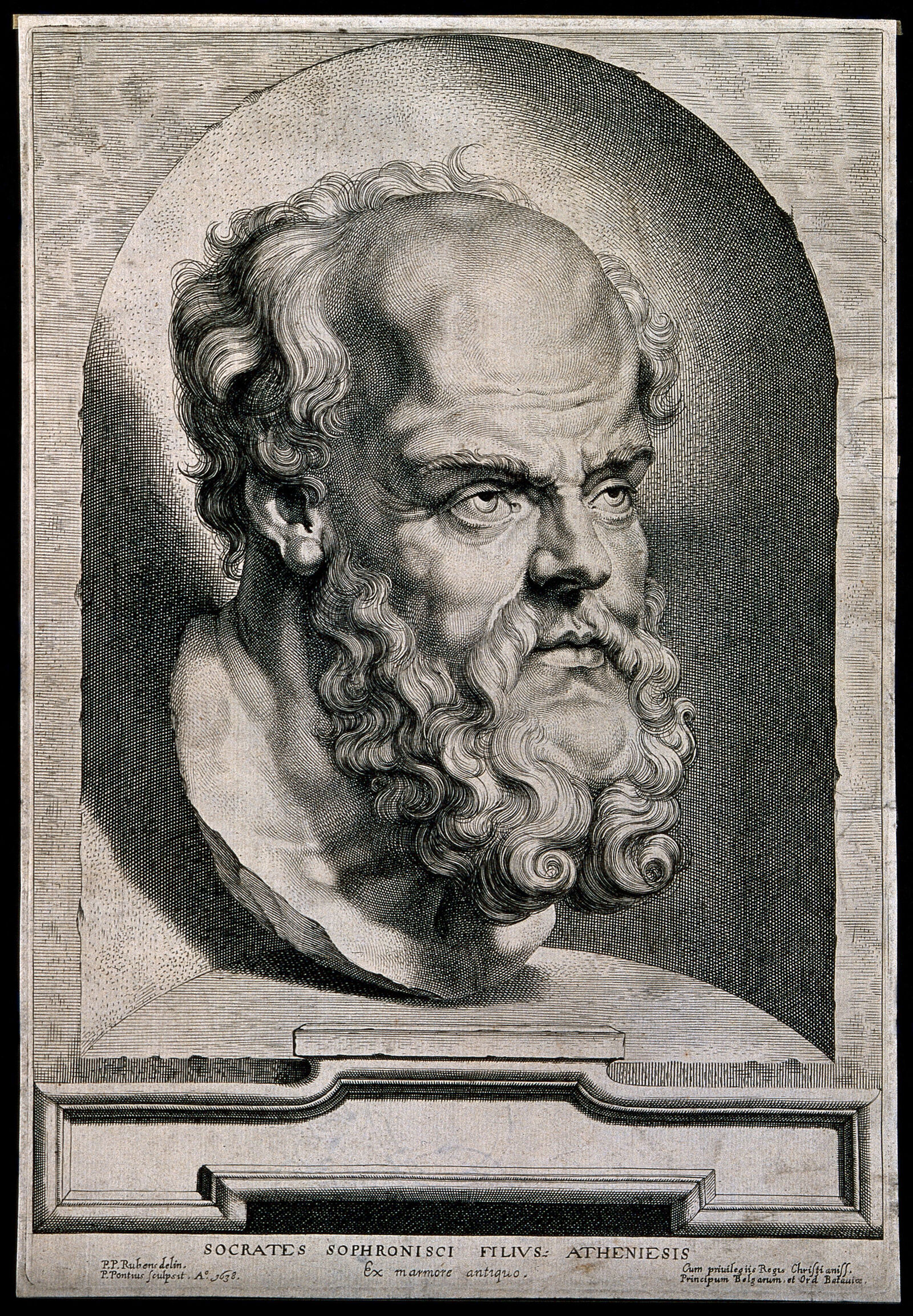
Socrates Engraving after Rubens by Pontius
Peter Paul Rubens · 1638
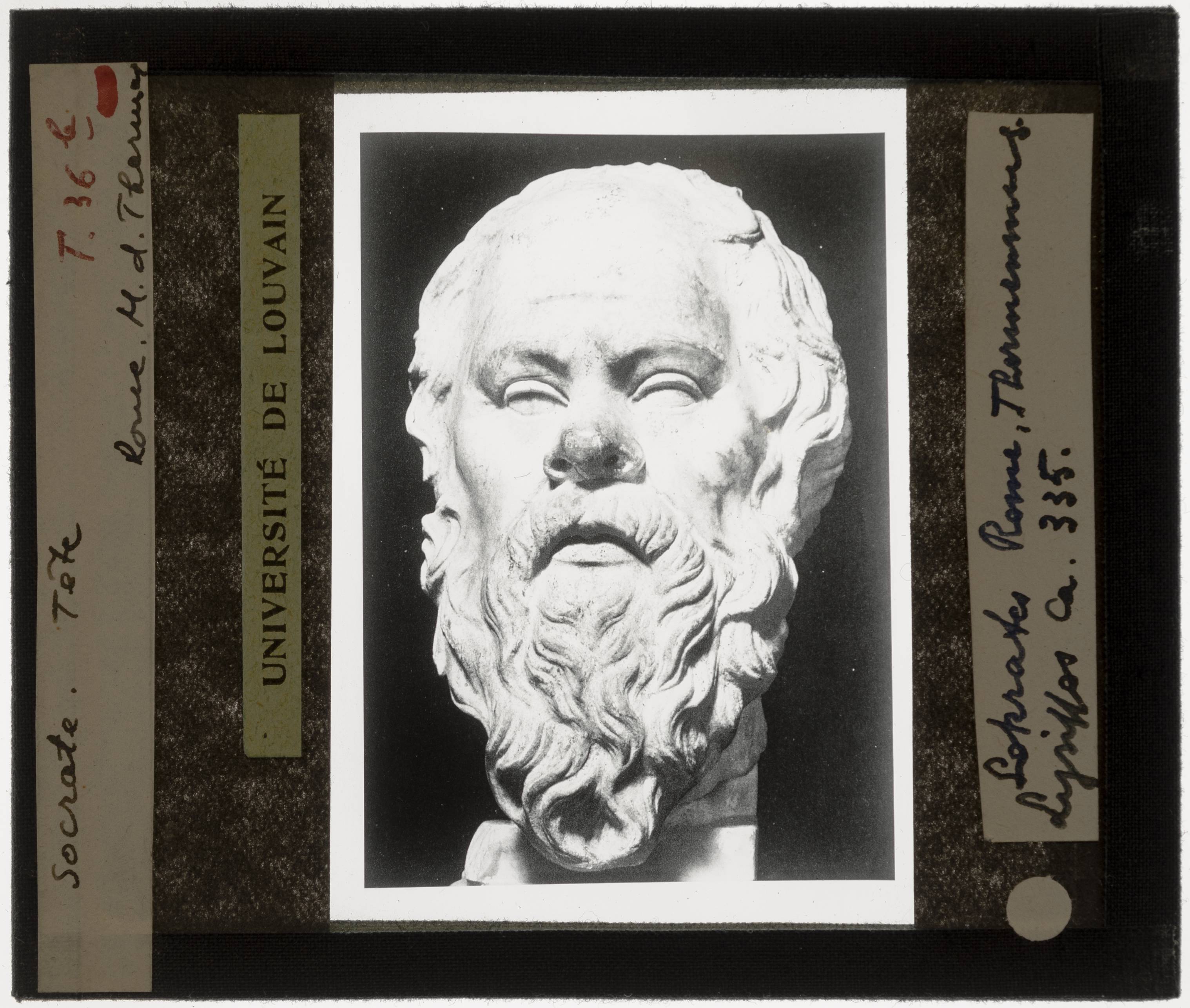 Photograph
Secondary source
Roman Marble Bust of Socrates
between 1839 and 1939
Ready when you are
Start chatting with Socrates now.
20 messages free · No credit card · Available in 50+ languages.