


Secondary sourcePainting1796
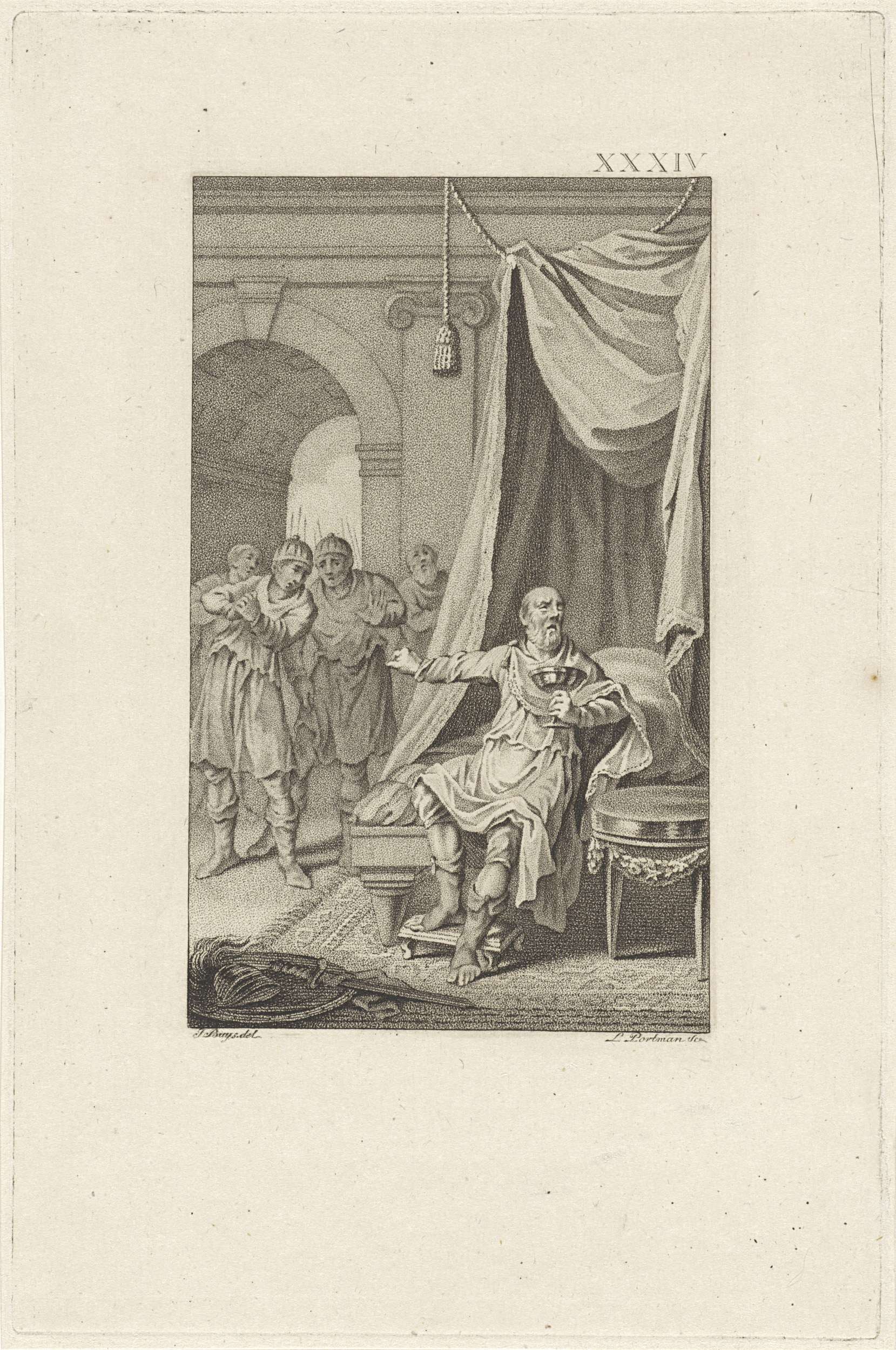
Hannibal's Suicide by Poison
A. Buys (designer); L. Portman (engraver) · 1796
An 18th-century print imagining Hannibal's final moment, taking poison rather than be captured by Rome.
This later print imagines Hannibal's death by poison, a key moment used to teach his final years in exile.
About this source
What it is
This is an engraved print made in 1796, now held by the Rijksmuseum in the Netherlands. It shows an elderly bearded man seated on a bed, holding a cup, while armed Roman soldiers stand nearby. The print is signed by its engraver and designer.
Why it matters
The scene imagines the end of Hannibal's life: discovered by Roman agents, he is shown choosing death by poison rather than surrender. Made centuries after Hannibal lived, it reflects how later European artists imagined and dramatized his downfall, turning him into a tragic hero resisting Rome to the last.
Look closer
- What details in the room suggest urgency or danger?
- Why might an 18th-century artist want to depict this moment rather than Hannibal's victories?
- What does the image leave out that we cannot know for certain about his actual death?
This painting is part of the curated material that grounds the AI version of Hannibal Barca on Humy.ai — when students ask about related events, the AI can quote it and cite it.
More Hannibal Barca sources
Meet the AI Hannibal Barca →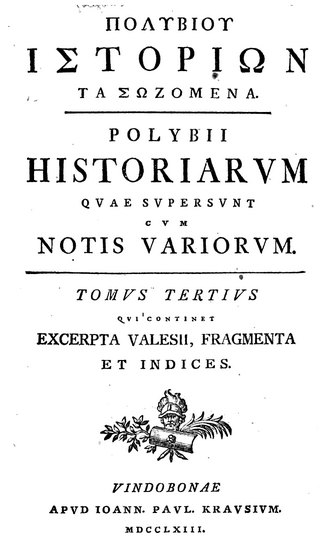 Book
Secondary source
The Histories
Polybius · c. 150 BCE
 Book
Primary source
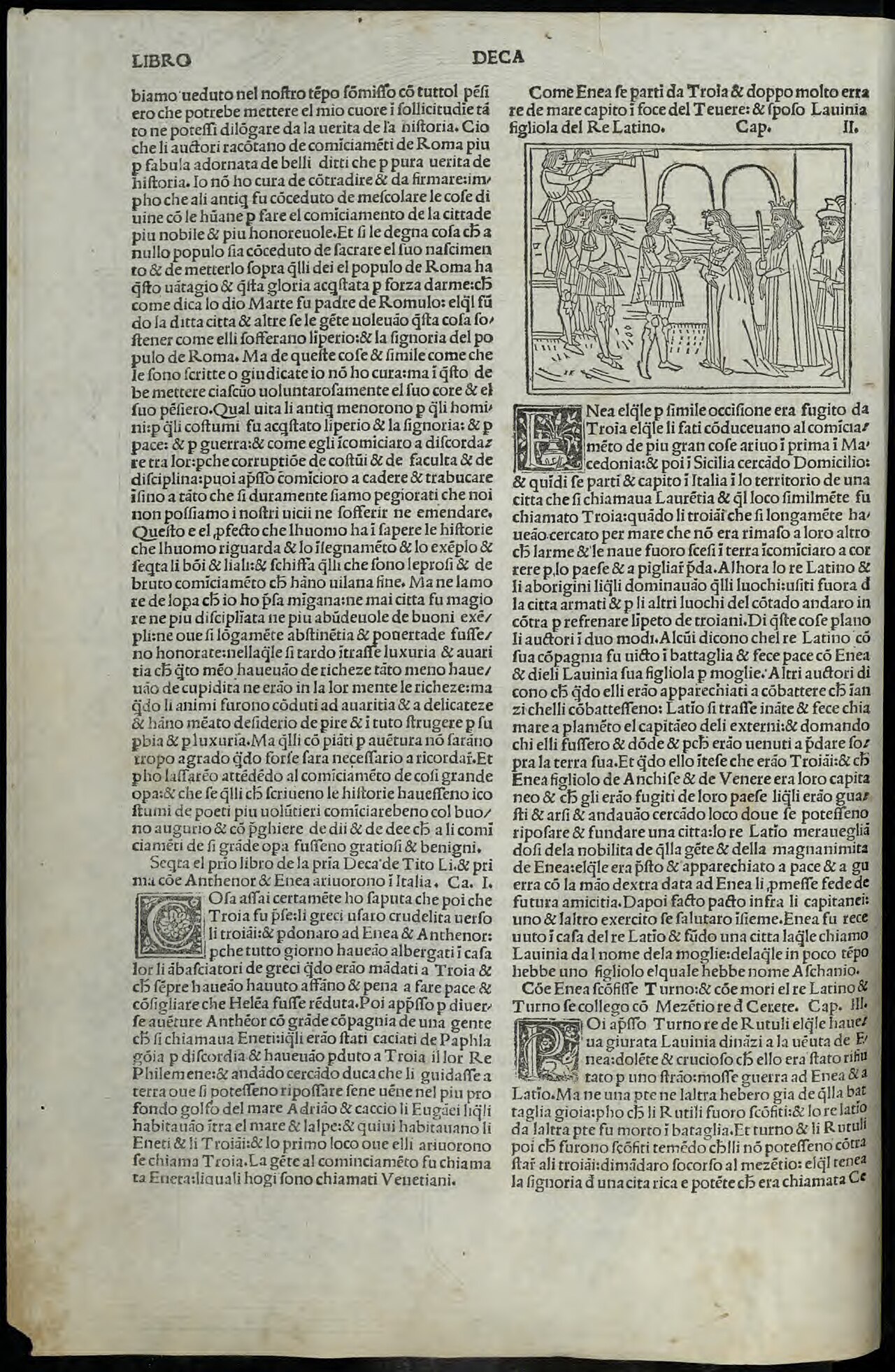
History of Rome
Titus Livius · 27-9 BC
Secondary source
Life of Hannibal
Cornelius Nepos
 Book
Secondary source
The Hannibalic War and The Punic Wars (Libyca)
Appian of Alexandria · c. AD 150
 Sculpture
Secondary source
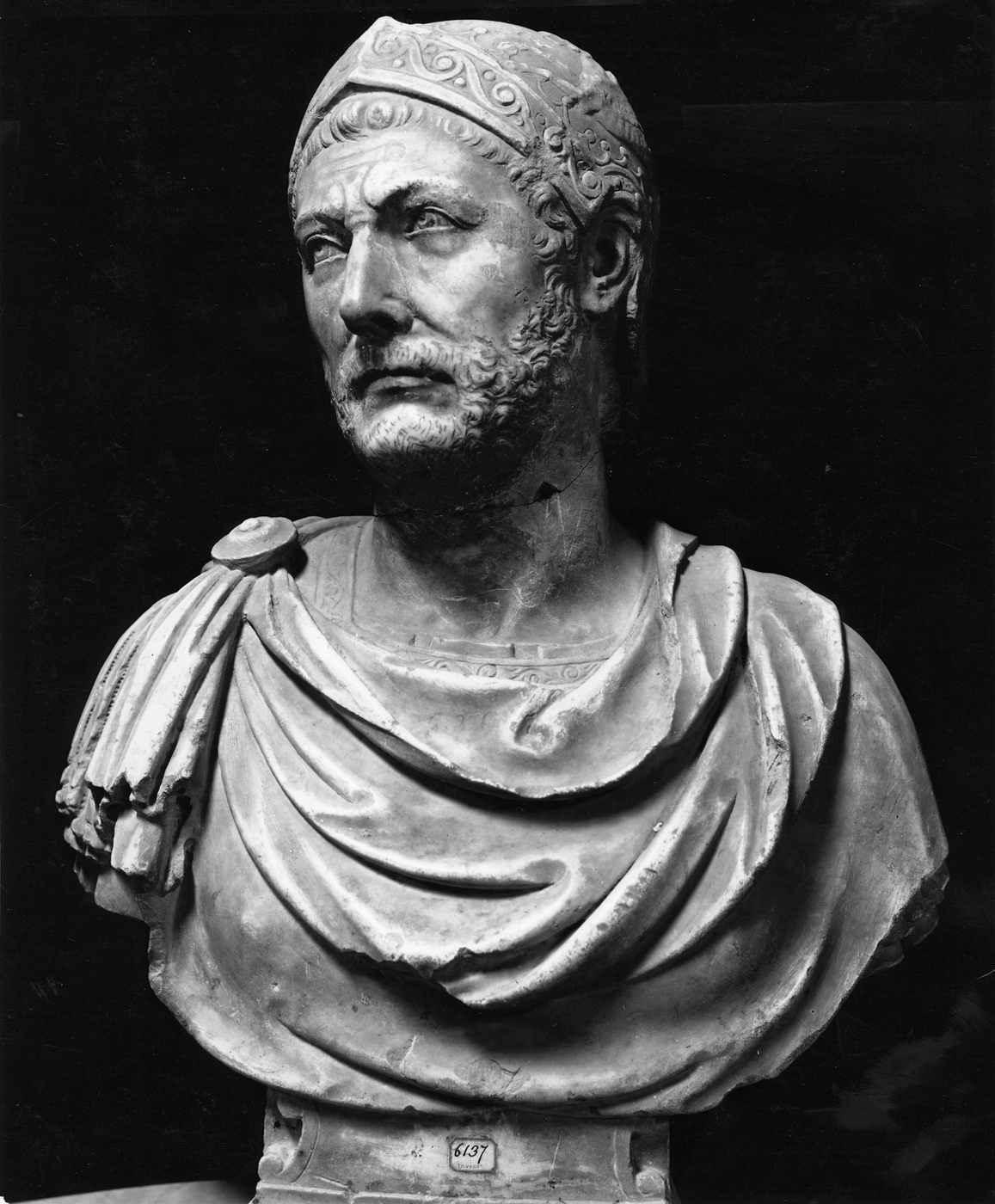
Capuan bust of Hannibal
1st century BC - 4th century AD
Ready when you are
Start chatting with Hannibal Barca now.
20 messages free · No credit card · Available in 50+ languages.