


Secondary sourcePainting1567
Battle of Zama
1567
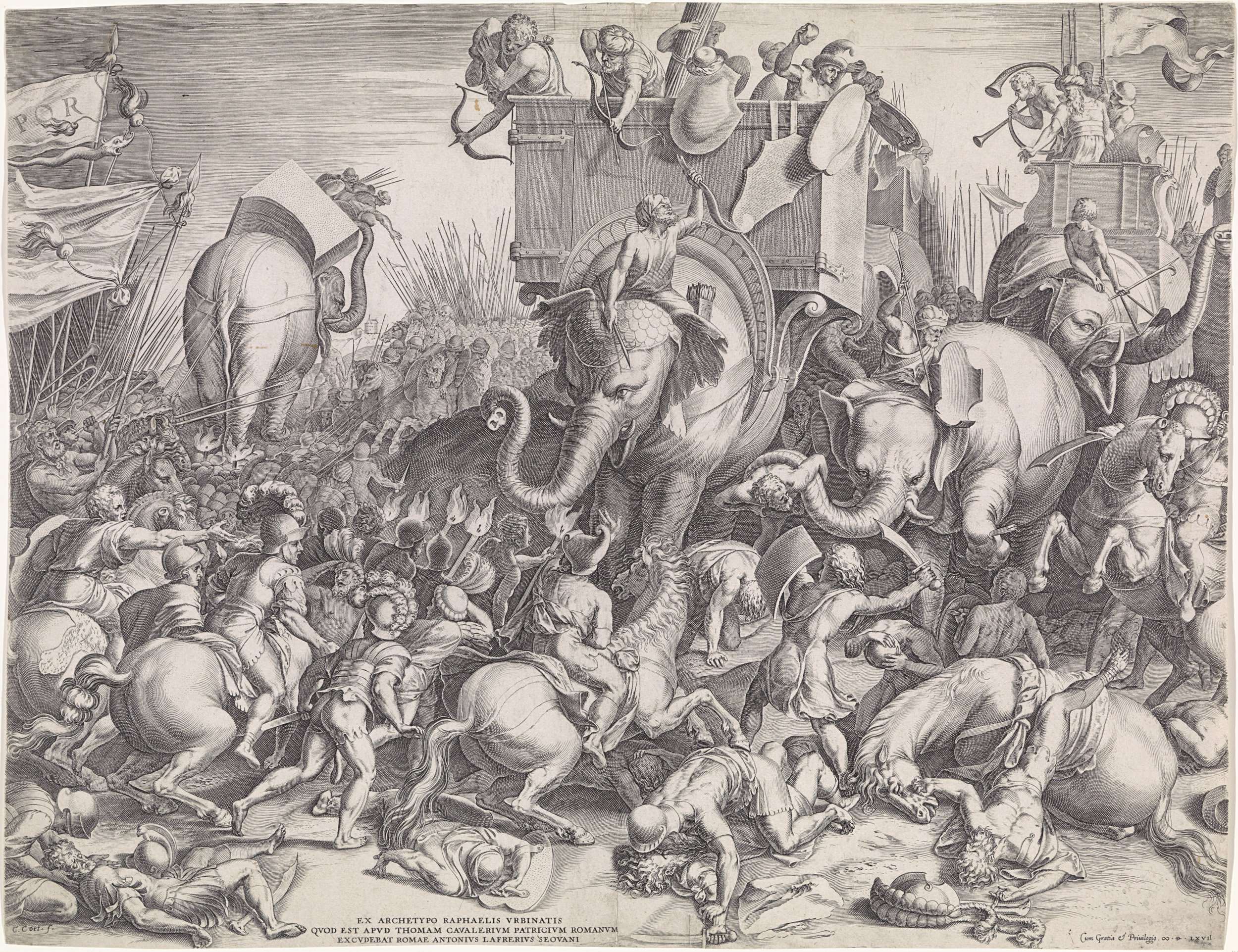
A 1567 black-and-white engraving of the battle of Zama, the final battle between Scipio's Roman forces and Hannibal's Carthaginian army, shown with war elephants and fallen soldiers.
Shows how Hannibal's final defeat at Zama was pictured centuries later, with his elephants and army in the thick of battle.
About this source
What it is
This is a print from 1567, held by the Rijksmuseum in the Netherlands. It shows a crowded battle scene with war elephants, a towered war chariot with archers, cavalry, and soldiers fighting, with fallen figures on the ground. Roman standards appear at the left. An inscription at the bottom reads "Ex archetypo Raphaelis Urbinatis," which links it to a design by Raphael of Urbino. The museum's record describes the scene as a battle between Rome and Carthage led by Scipio and Hannibal.
Why it matters
The print was made more than 1,400 years after the battle of Zama, so it is a later picture of the event rather than an eyewitness record. It shows how artists in the 1500s imagined ancient war, especially the Carthaginian elephants and the Roman victory that ended Hannibal's long struggle against Rome. It tells us more about European ideas of the ancient world than about what happened on the field.
Look closer
- What details does the artist use to show that the Carthaginian army is different from the Romans?
- Why might an engraving made in 1567 have been used to illustrate an ancient battle?
- What does the print leave out about the people who fought, and about the reasons for the war?
This painting is part of the curated material that grounds the AI version of Hannibal Barca on Humy.ai — when students ask about related events, the AI can quote it and cite it.
More Hannibal Barca sources
Meet the AI Hannibal Barca →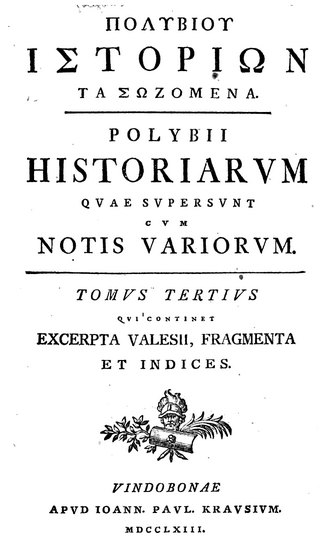 Book
Secondary source
The Histories
Polybius · c. 150 BCE
 Book
Primary source
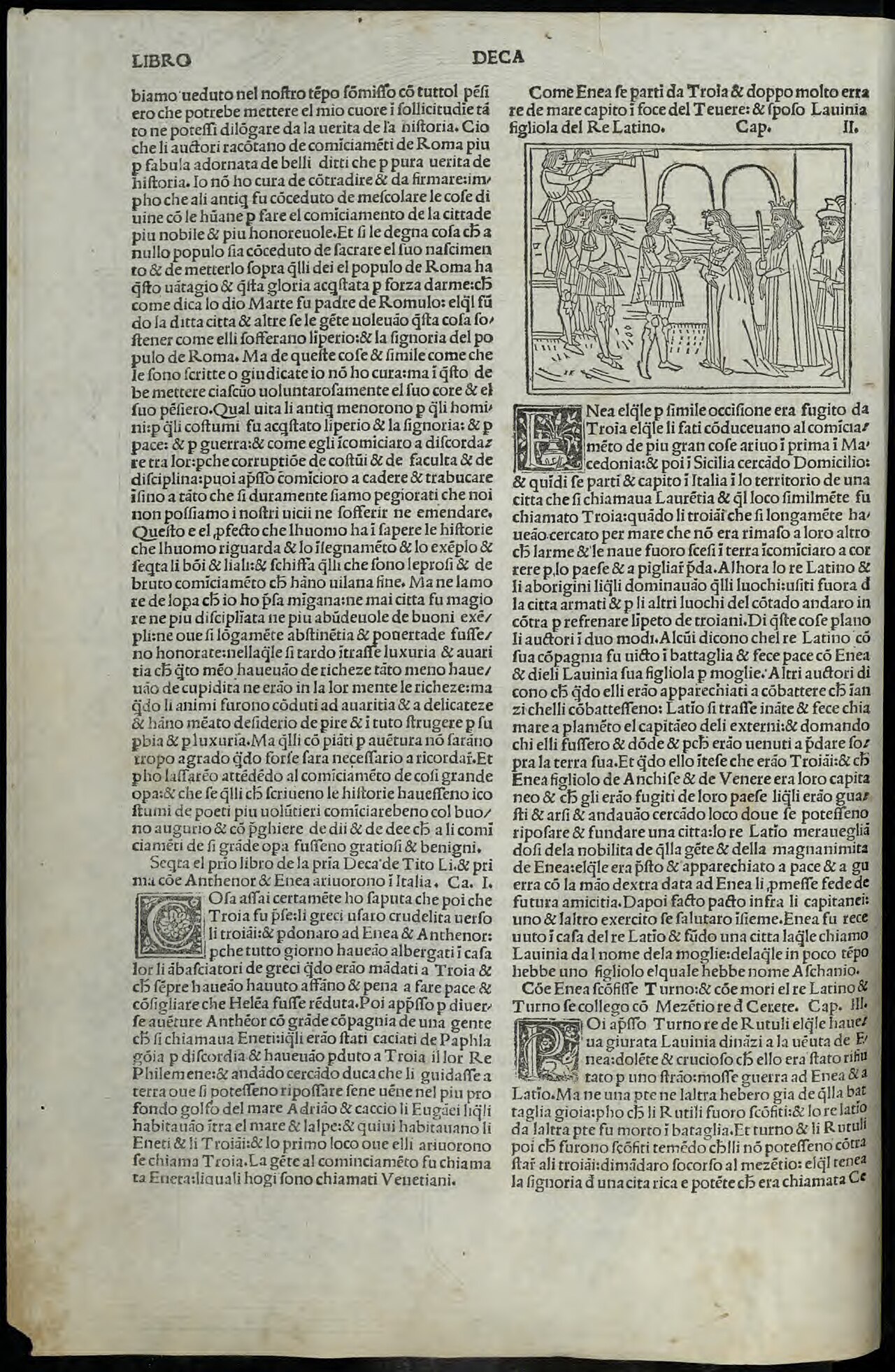
History of Rome
Titus Livius · 27-9 BC
Secondary source
Life of Hannibal
Cornelius Nepos
 Book
Secondary source
The Hannibalic War and The Punic Wars (Libyca)
Appian of Alexandria · c. AD 150
 Sculpture
Secondary source
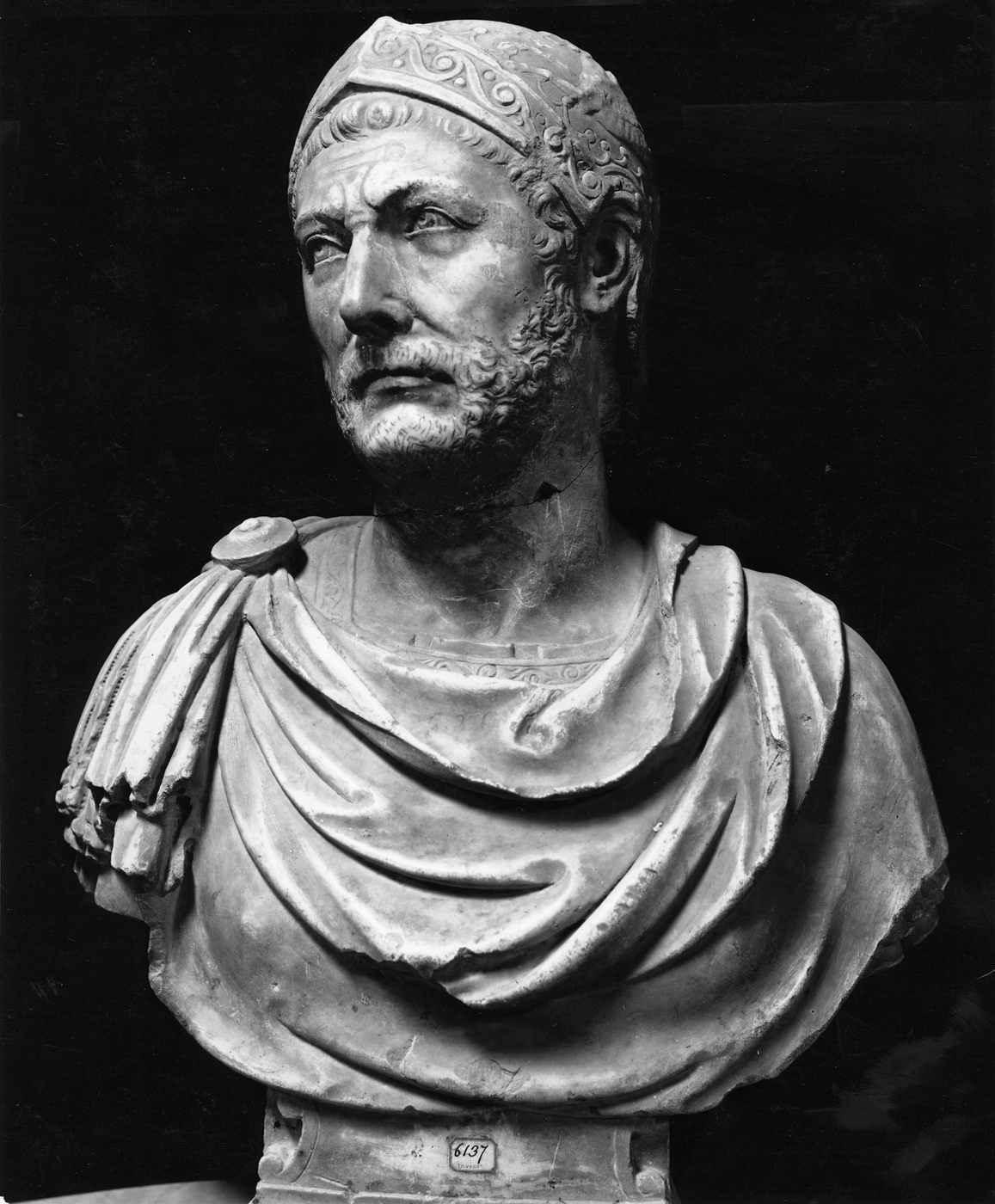
Capuan bust of Hannibal
1st century BC - 4th century AD
Ready when you are
Start chatting with Hannibal Barca now.
20 messages free · No credit card · Available in 50+ languages.