


Primary sourceArtifactc. 208-207 BC
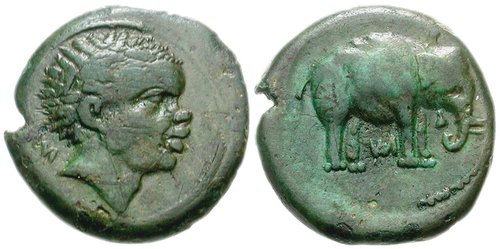
Etruscan Coin Possibly Depicting Hannibal
c. 208-207 BC
A bronze coin minted in Etruria around 208–207 BC showing a head possibly representing Hannibal and an elephant, linked to his wartime presence in Italy.
This coin, possibly showing Hannibal's face alongside an elephant, is physical evidence from the era of his campaign in Italy.
About this source
What it is
This bronze coin was discovered in Italy's Chiana Valley, in ancient Etruria, and is dated to around 208–207 BC. One side shows the head of a man with curly hair and a hooked nose, possibly depicting an African person; the other side shows a standing elephant with its trunk raised.
Why it matters
Some scholars have suggested the head may represent Hannibal, and the elephant recalls the famous animals he brought with his army, including his favourite elephant Surus. Coins like this are rare physical evidence from the period when Hannibal's forces were active in Italy, showing how ordinary objects can carry traces of great historical events.
Look closer
- Why is it hard to be certain who is shown on an ancient coin like this?
- What might the choice to put an elephant on a coin tell us about what people associated with Hannibal's campaign?
- How does a small coin differ from a written history as a source of evidence?
This artifact is part of the curated material that grounds the AI version of Hannibal Barca on Humy.ai — when students ask about related events, the AI can quote it and cite it.
More Hannibal Barca sources
Meet the AI Hannibal Barca →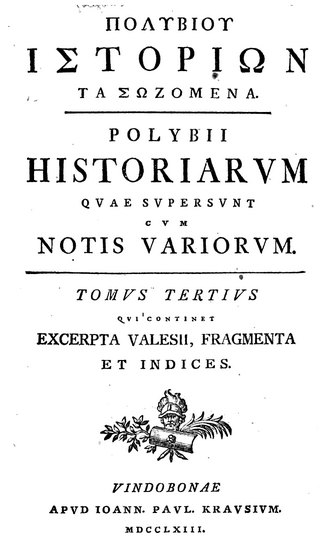 Book
Secondary source
The Histories
Polybius · c. 150 BCE
 Book
Primary source
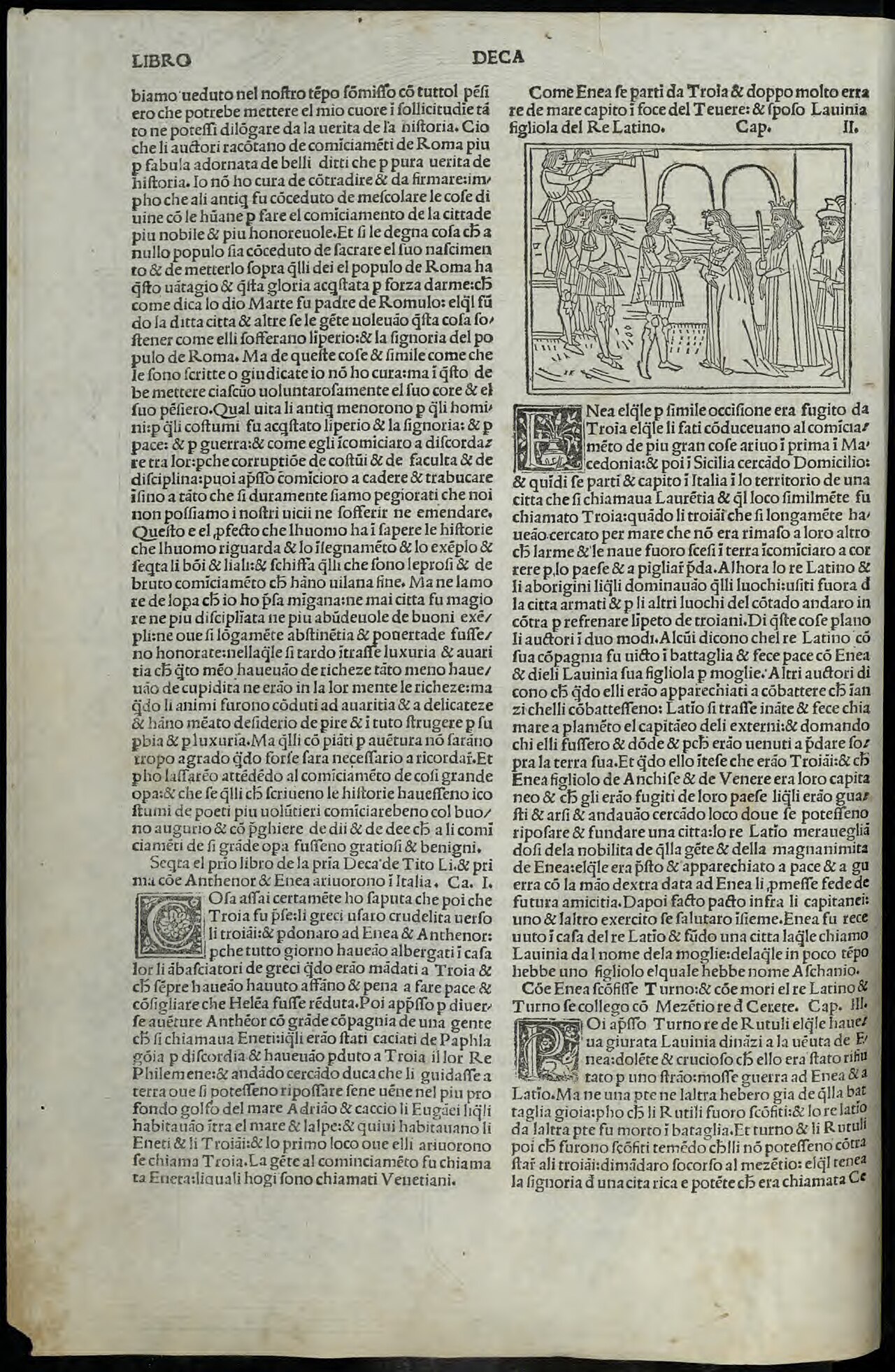
History of Rome
Titus Livius · 27-9 BC
Secondary source
Life of Hannibal
Cornelius Nepos
 Book
Secondary source
The Hannibalic War and The Punic Wars (Libyca)
Appian of Alexandria · c. AD 150
 Sculpture
Secondary source
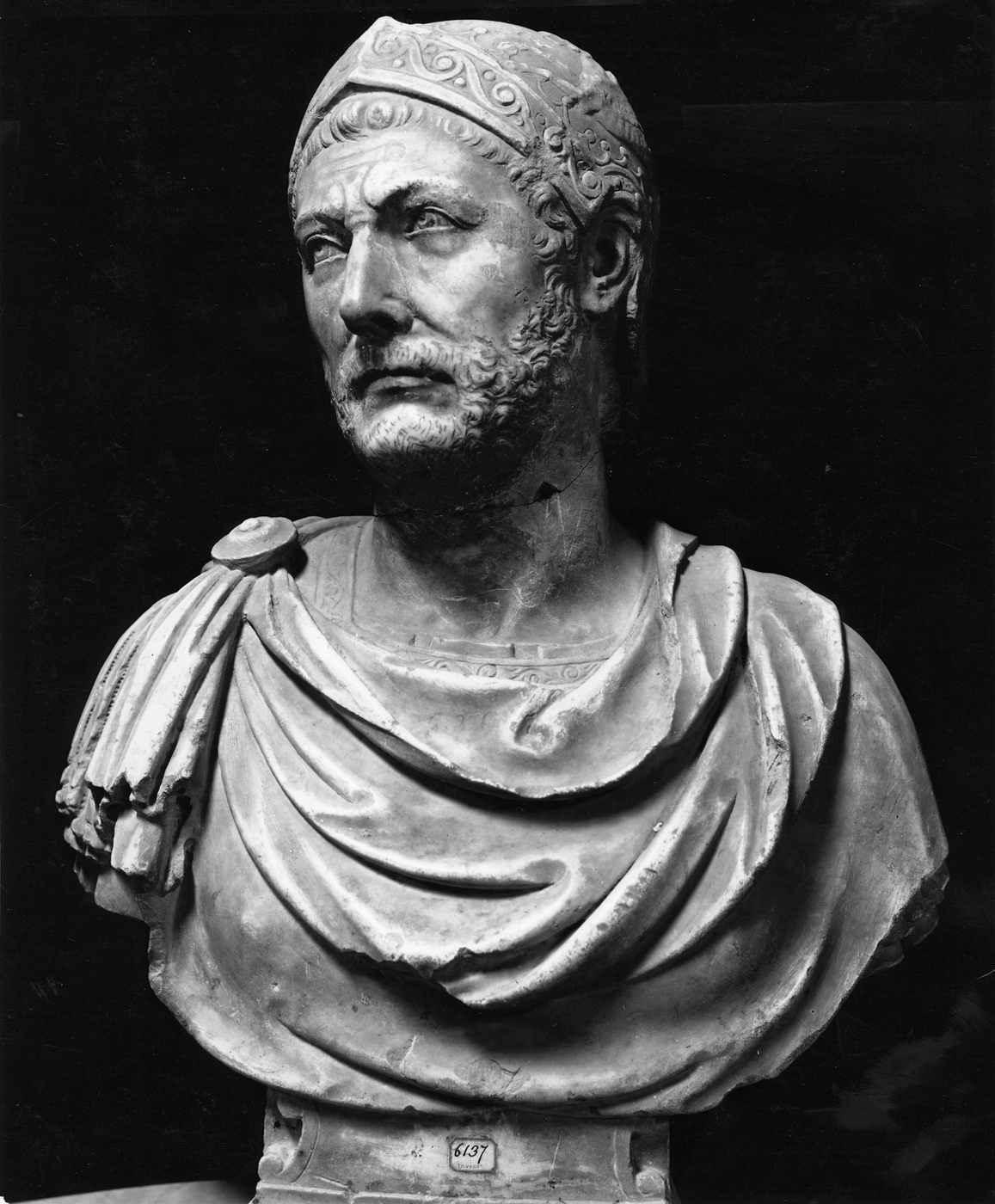
Capuan bust of Hannibal
1st century BC - 4th century AD
Ready when you are
Start chatting with Hannibal Barca now.
20 messages free · No credit card · Available in 50+ languages.