


Primary sourceDocument26 May 1972
Anti-Ballistic Missile Treaty
26 May 1972
A 1972 arms-control treaty between the United States and the Soviet Union limiting missile defense systems, signed by Nixon and Brezhnev in Moscow.
Nixon signed this treaty with Soviet leader Brezhnev, a landmark of his détente policy.
About this source
What it is
This treaty, signed in Moscow in 1972 by representatives of the United States and the Soviet Union, limited the number and type of anti-ballistic missile systems each country could deploy. It emerged from the Strategic Arms Limitation Talks (SALT I) that began in 1969.
Why it matters
The treaty reflects the policy of détente pursued by Nixon's administration, aiming to slow the nuclear arms race by limiting defensive systems rather than only offensive weapons. It stayed in force for thirty years before the United States later withdrew. It shows how Cold War leaders tried to manage mutual distrust through formal agreements.
Look closer
- Why would limiting defensive missiles help reduce the arms race rather than increase it?
- What does the treaty's later unilateral withdrawal suggest about the durability of such agreements?
- Who negotiated this treaty, and what interests did each side bring to the table?
This document is part of the curated material that grounds the AI version of Richard Nixon on Humy.ai — when students ask about related events, the AI can quote it and cite it.
More Richard Nixon sources
Meet the AI Richard Nixon →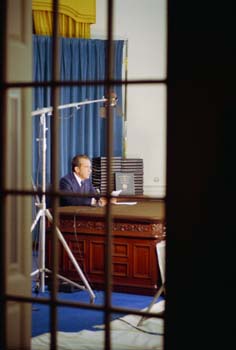 Artifact
Primary source
Nixon White House Tapes
Richard Nixon · 1971-1973
 Speech
Primary source
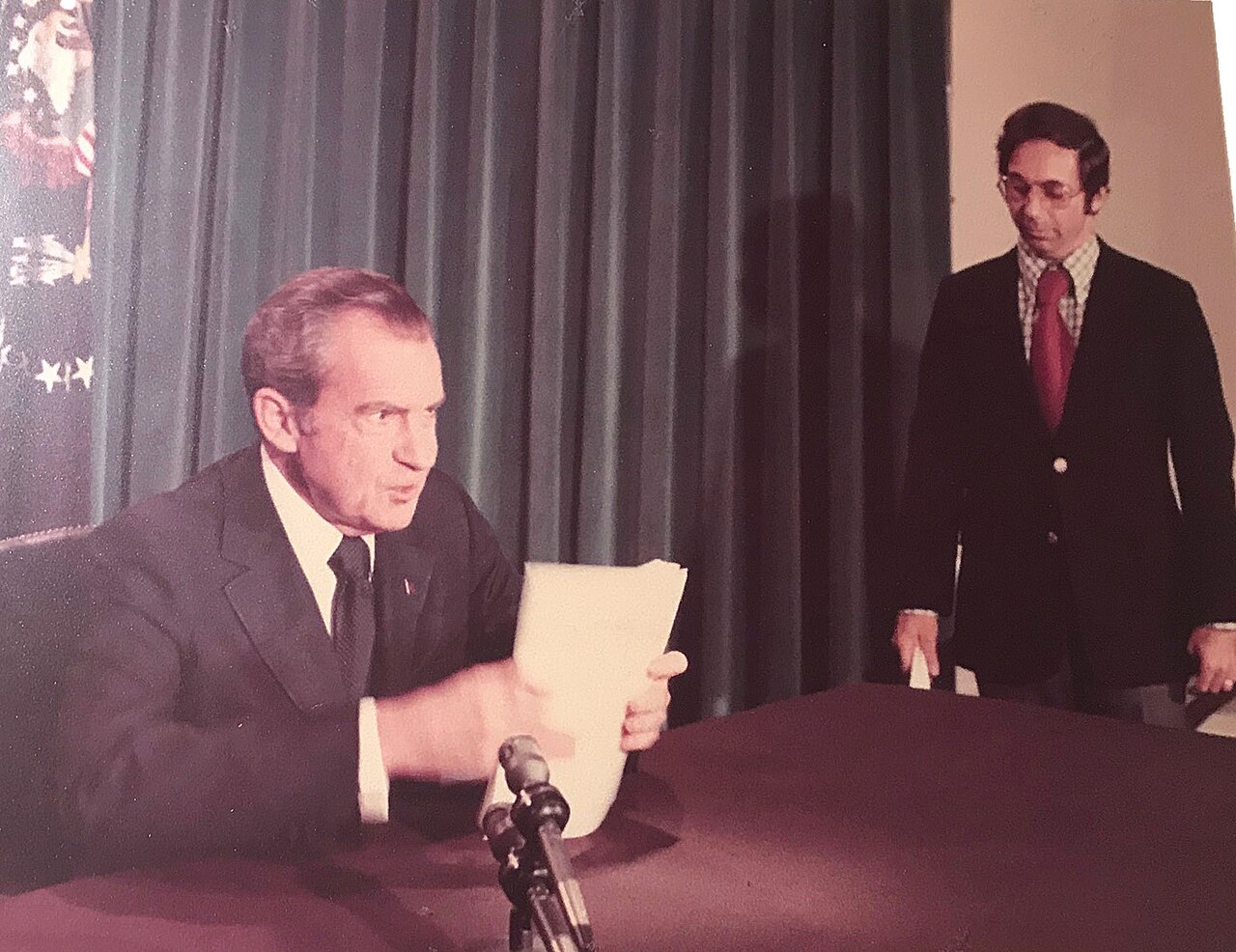
Richard Nixon's Resignation Speech
Richard Nixon · 8 August 1974
 Letter
Primary source
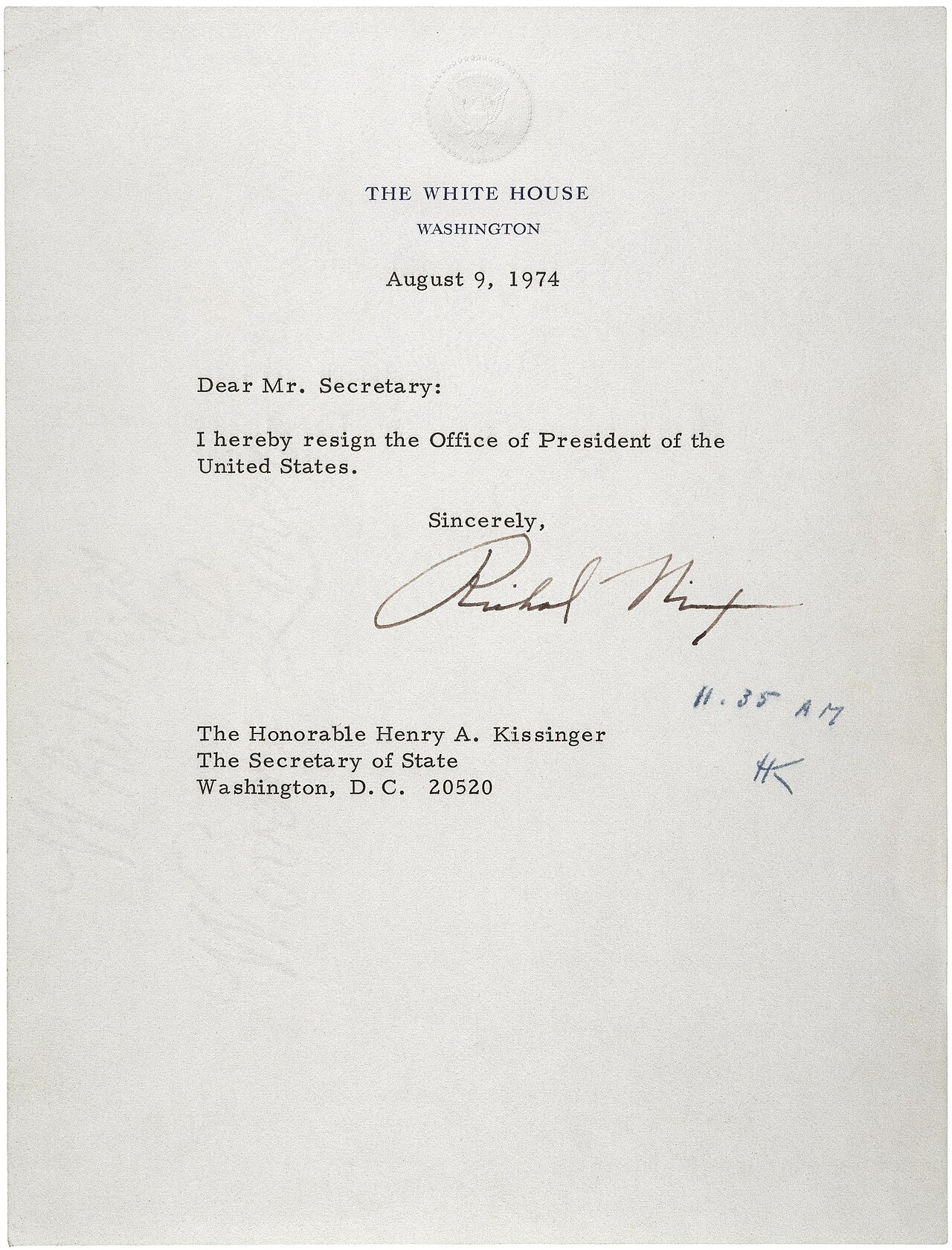
Richard Nixon's Resignation Letter
Richard Nixon · 9 August 1974
Primary source
Silent Majority Speech
Richard Nixon · 3 November 1969
 News clip
Primary source
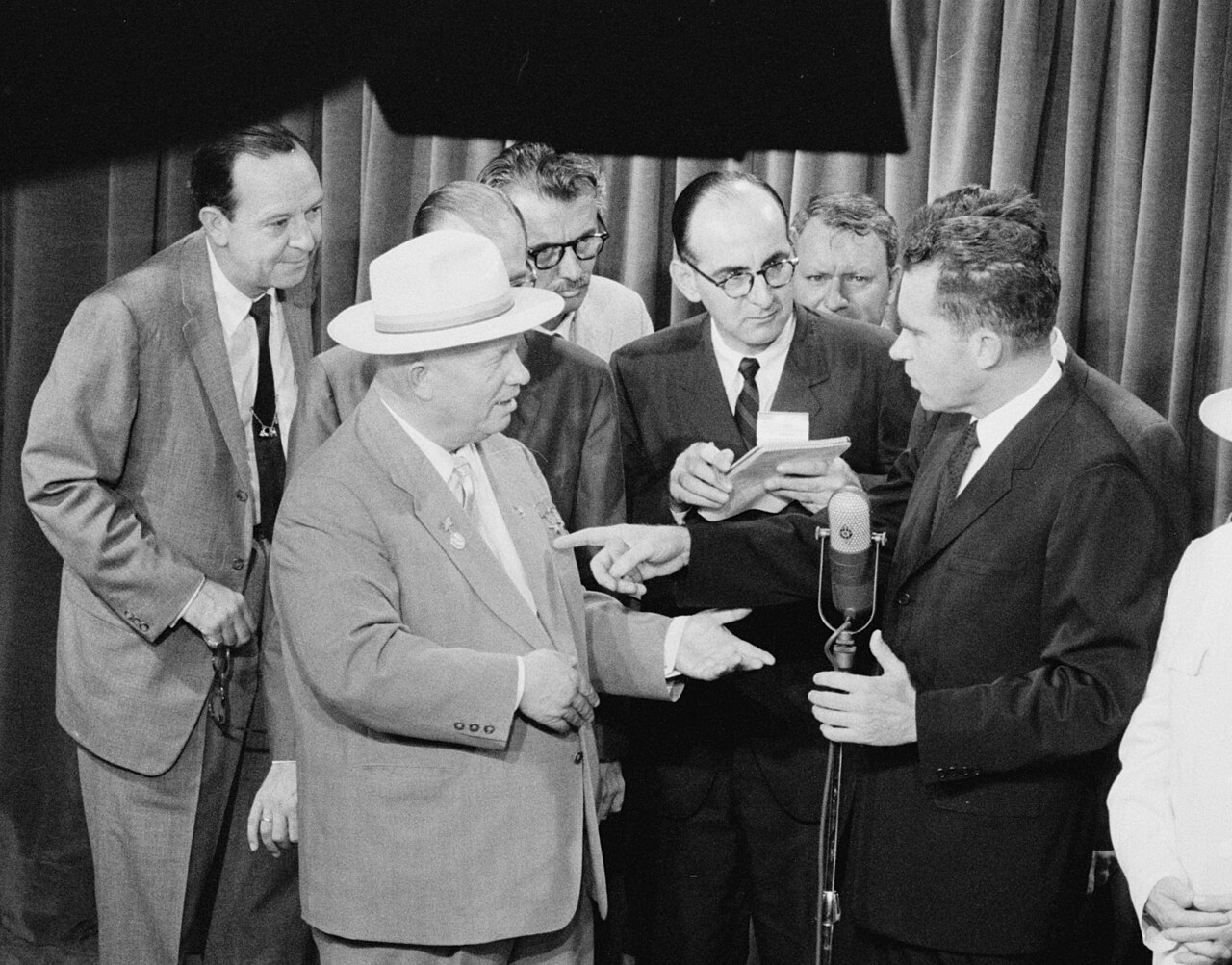
Kitchen Debate
24 July 1959
Ready when you are
Start chatting with Richard Nixon now.
20 messages free · No credit card · Available in 50+ languages.