


Primary sourceDocument8 June 1906
Antiquities Act
United States Congress · 8 June 1906
The 1906 law signed by Roosevelt that gave presidents power to create national monuments, used by him to protect sites like Devils Tower.
Roosevelt signed this act and used it to create the first national monuments, a central part of his conservation legacy.
About this source
What it is
This is the Antiquities Act, passed by the United States Congress and signed into law by President Theodore Roosevelt on June 8, 1906. It gives the president power to declare national monuments on federal lands to protect historic, scientific, or natural features.
Why it matters
The act grew out of concern over the looting of prehistoric Native American sites by private collectors in the American West. Roosevelt used the new law immediately, proclaiming Devils Tower as the first national monument later that year and creating sixteen more sites during his presidency, including the Grand Canyon. The act remains a lasting tool used by many later presidents to protect land without going through Congress.
Look closer
- Why might giving the president this power, instead of requiring a vote in Congress, have made protecting land easier?
- What does the act's focus on "objects of historic and scientific interest" tell you about the concerns of the time?
- Whose land and heritage were being protected, and whose voices might be missing from the law's text?
This document is part of the curated material that grounds the AI version of Theodore Roosevelt on Humy.ai — when students ask about related events, the AI can quote it and cite it.
More Theodore Roosevelt sources
Meet the AI Theodore Roosevelt →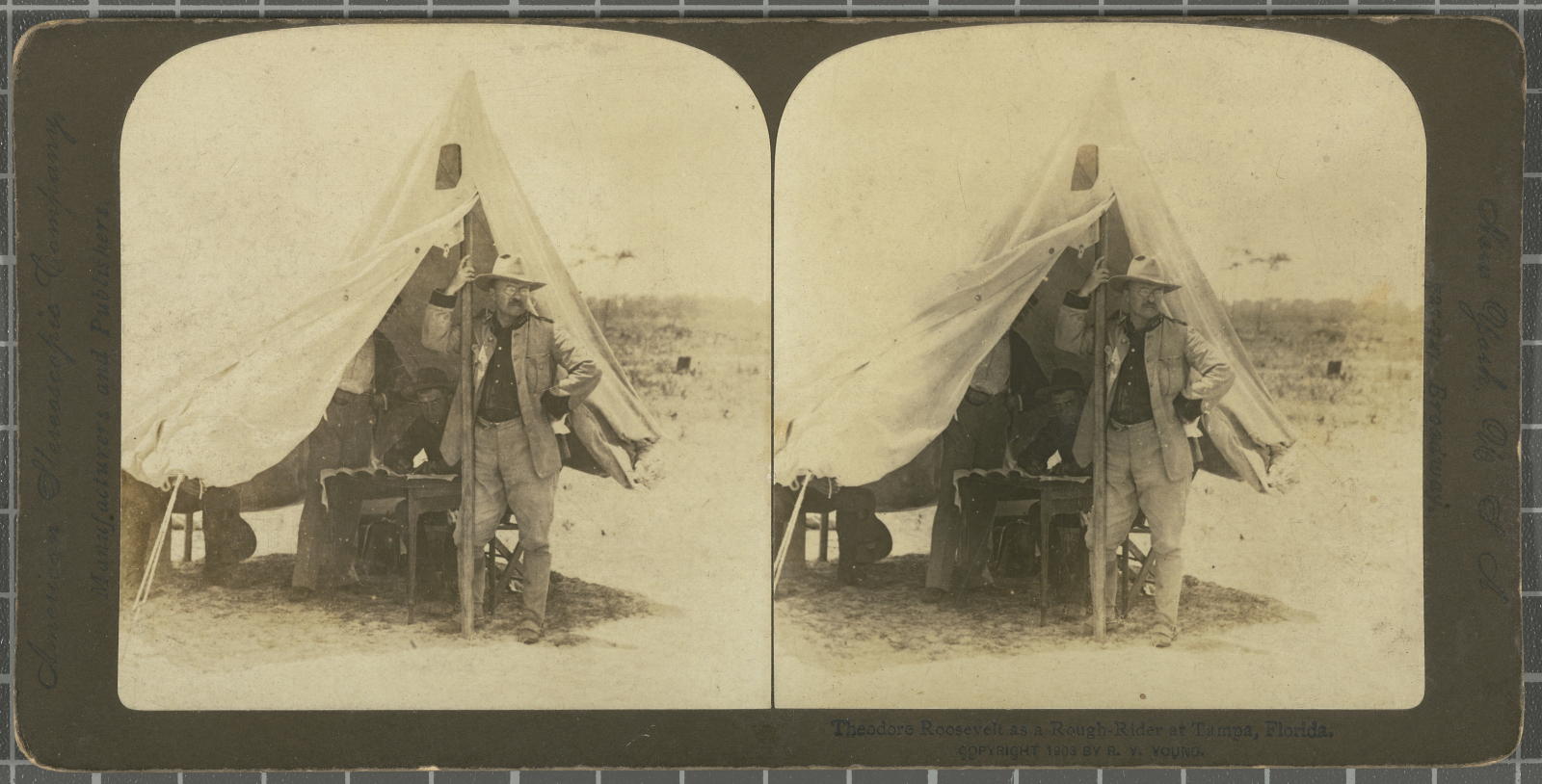 Photograph
Primary source
Theodore Roosevelt as a Rough Rider at Tampa, Florida
American Stereoscopic Company · c. 1898-1903
 Speech
Primary source
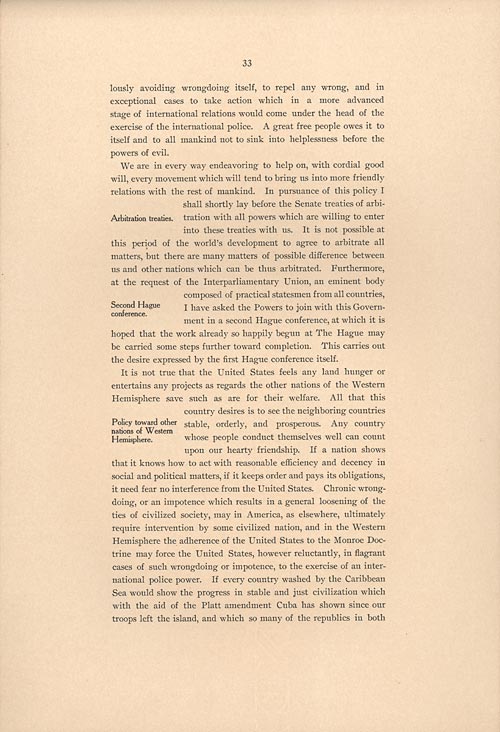
Theodore Roosevelt's Corollary to the Monroe Doctrine
Theodore Roosevelt · 6 December 1904
Primary source
Pure Food and Drug Act
1906
 Photograph
Primary source
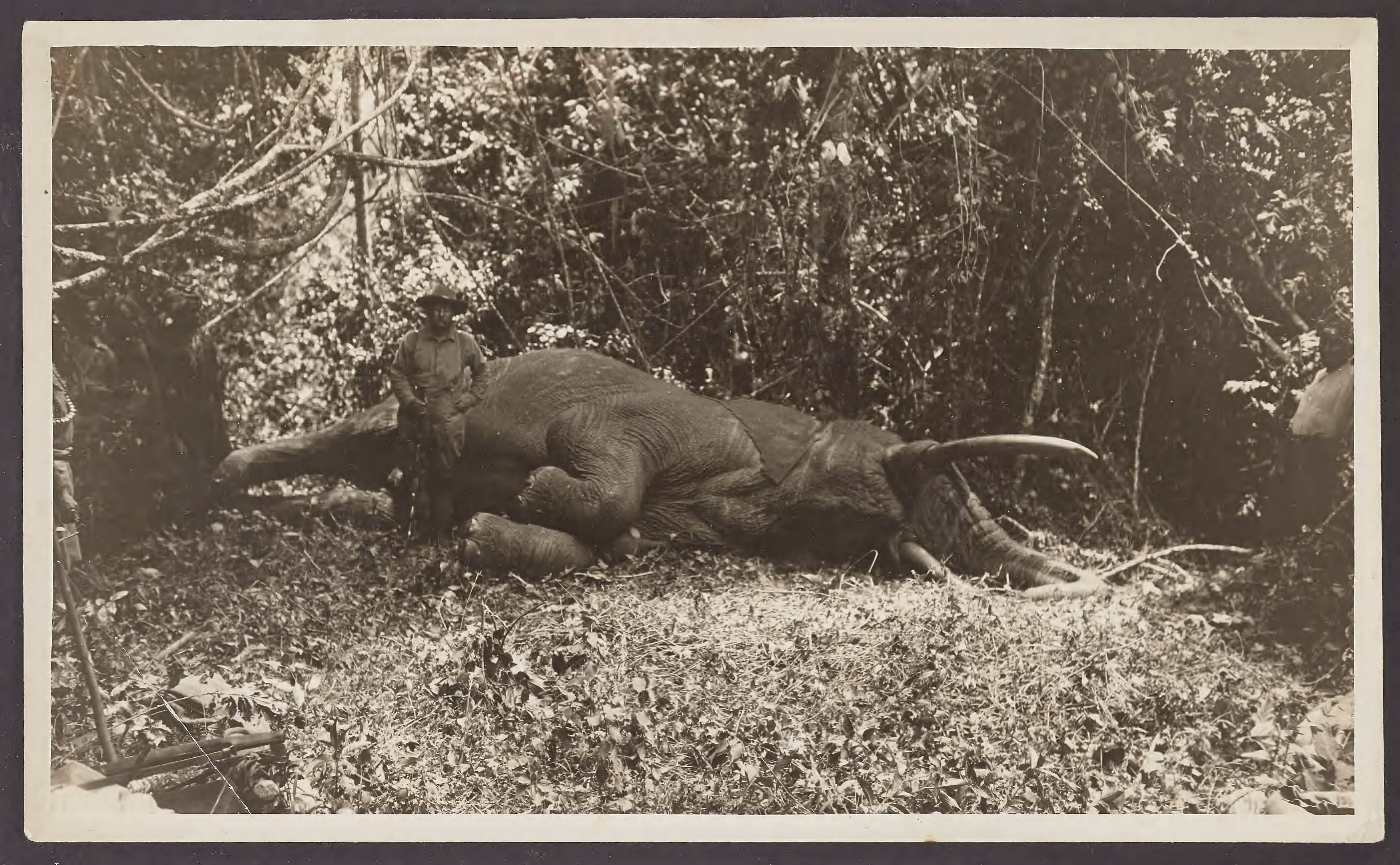
Theodore Roosevelt with the Bull Elephant He Killed
Edmund Heller
Primary source
The Man with the Muck Rake
Theodore Roosevelt · 1906
Ready when you are
Start chatting with Theodore Roosevelt now.
20 messages free · No credit card · Available in 50+ languages.