


Primary sourceDocument1927–1928
Apollo
Igor Stravinsky · 1927–1928
Stravinsky's 1928 neoclassical ballet for strings, choreographed by George Balanchine and based on Greek myth.
Stravinsky composed this ballet, beginning his lasting creative partnership with choreographer George Balanchine.
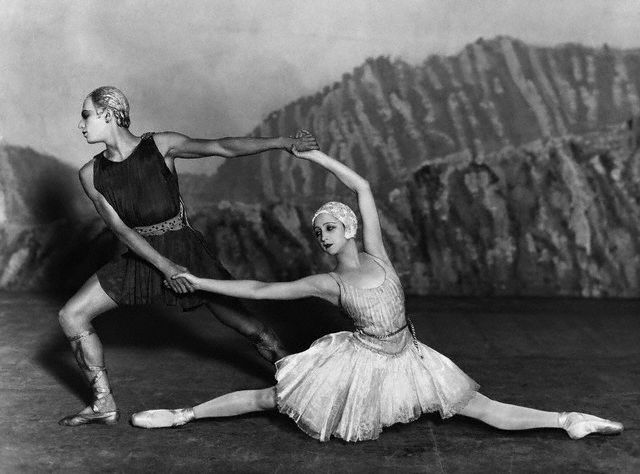
About this source
What it is
Apollo (originally Apollon musagète) is a neoclassical ballet composed by Igor Stravinsky between 1927 and 1928, with a libretto by the composer himself. It was choreographed by the young George Balanchine, with designs by André Bauchant and, later, costumes by Coco Chanel. It was commissioned by patron Elizabeth Sprague Coolidge and scored for a 34-piece string orchestra.
Why it matters
The ballet tells of the Greek god Apollo visited by three muses, and marks Stravinsky's turn toward classical restraint after his earlier, more dramatic Russian ballets. It also began his long and important artistic partnership with Balanchine, who went on to shape much of twentieth-century ballet.
Look closer
- Why might Stravinsky have chosen to write for strings alone rather than a full orchestra?
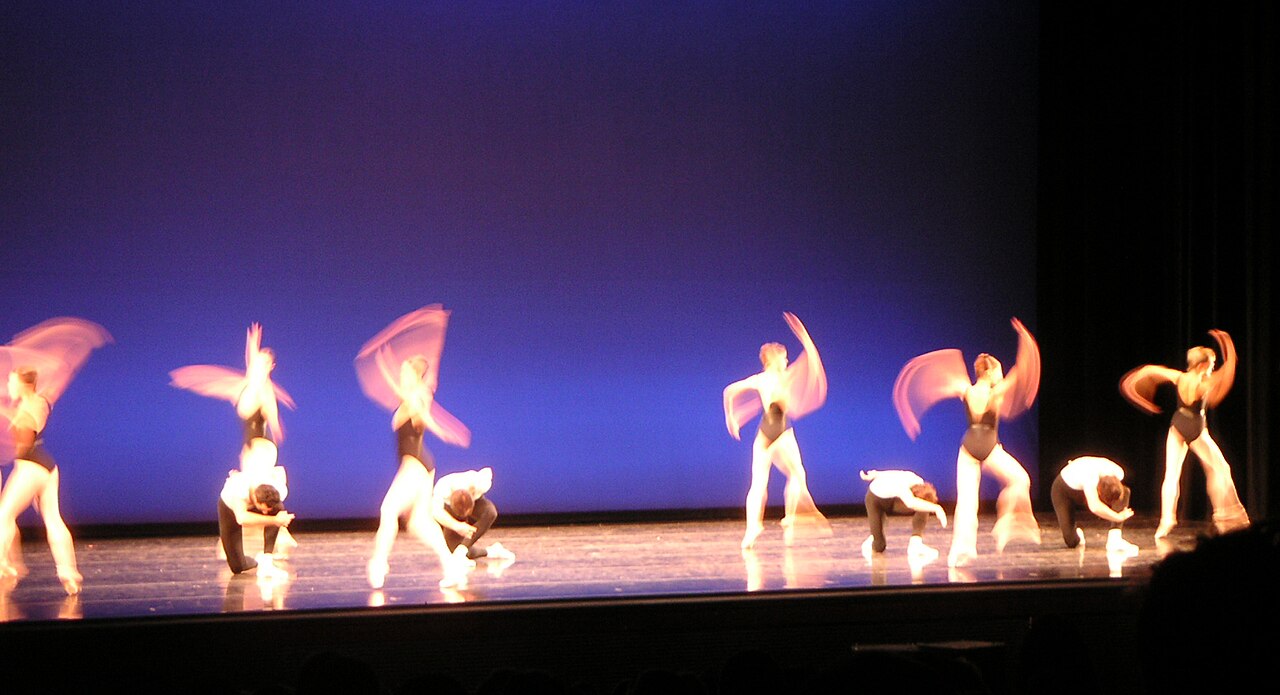
- What does the plain white costuming in the photograph suggest about the mood Stravinsky and Balanchine wanted?
- How does this classical subject differ from the folk themes of his earlier ballets?
This document is part of the curated material that grounds the AI version of Igor Stravinsky on Humy.ai — when students ask about related events, the AI can quote it and cite it.
More Igor Stravinsky sources
Browse all 89 → Document
Primary source
The Rite of Spring
Igor Stravinsky · 1913
 Photograph
Primary source
Portrait of Igor Stravinsky
George Grantham Bain
 Photograph
Primary source
The Firebird Premiere Rehearsal
Н. Александров · 1910
 Document
Primary source
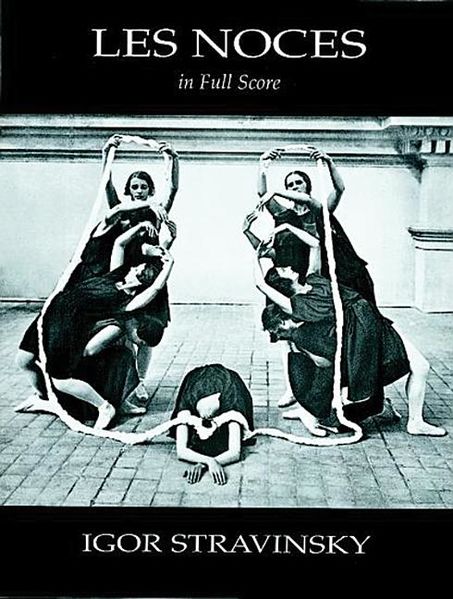
Les Noces
Igor Stravinsky · 1917 (final scoring 1923)
Free account
Read every Igor Stravinsky source
Sign up free →
Ready when you are
Start chatting with Igor Stravinsky now.
20 messages free · No credit card · Available in 50+ languages.