


Primary sourceDocument1917 (final scoring 1923)
Les Noces
Igor Stravinsky · 1917 (final scoring 1923)
Stravinsky's ballet-cantata depicting a Russian peasant wedding, scored for voices, four pianos and percussion.
Stravinsky composed and wrote the libretto for this work, dedicating it to Diaghilev as his most purely Russian creation.
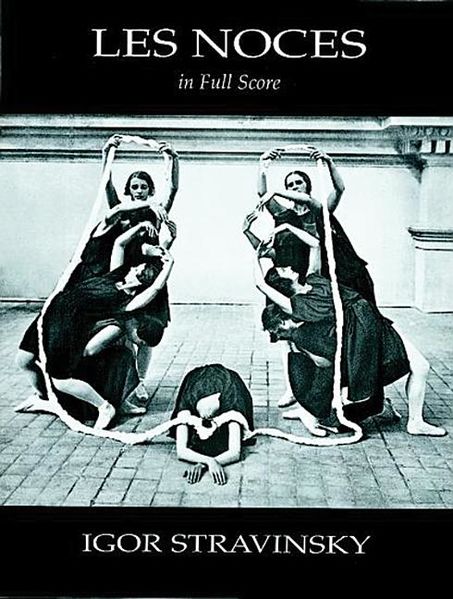
About this source
What it is
Les Noces is a Russian-language ballet-cantata composed by Igor Stravinsky, using a libretto he wrote from Russian wedding songs collected by Pyotr Kireevsky. Completed in 1917, Stravinsky settled on its final scoring for vocal soloists, chorus, percussion and four pianos only in 1923. It premiered in Paris that year, conducted by Ernest Ansermet with choreography by Bronislava Nijinska.
Why it matters
The work represents the height of what is often called Stravinsky's 'Russian period', dedicated to Diaghilev, who reportedly called it the most purely Russian of his ballets. Its stripped-down, mechanistic percussion sound shows Stravinsky experimenting radically with instrumentation over many years before settling on a final version.
Look closer
- Why might Stravinsky have taken six years to decide on the final instruments for this piece?
- What does using percussion and pianos, rather than a full orchestra, do to the sound of a wedding celebration?
- What does the score cover photograph suggest about the choreography?
This document is part of the curated material that grounds the AI version of Igor Stravinsky on Humy.ai — when students ask about related events, the AI can quote it and cite it.
More Igor Stravinsky sources
Browse all 89 → Document
Primary source
The Rite of Spring
Igor Stravinsky · 1913
 Photograph
Primary source
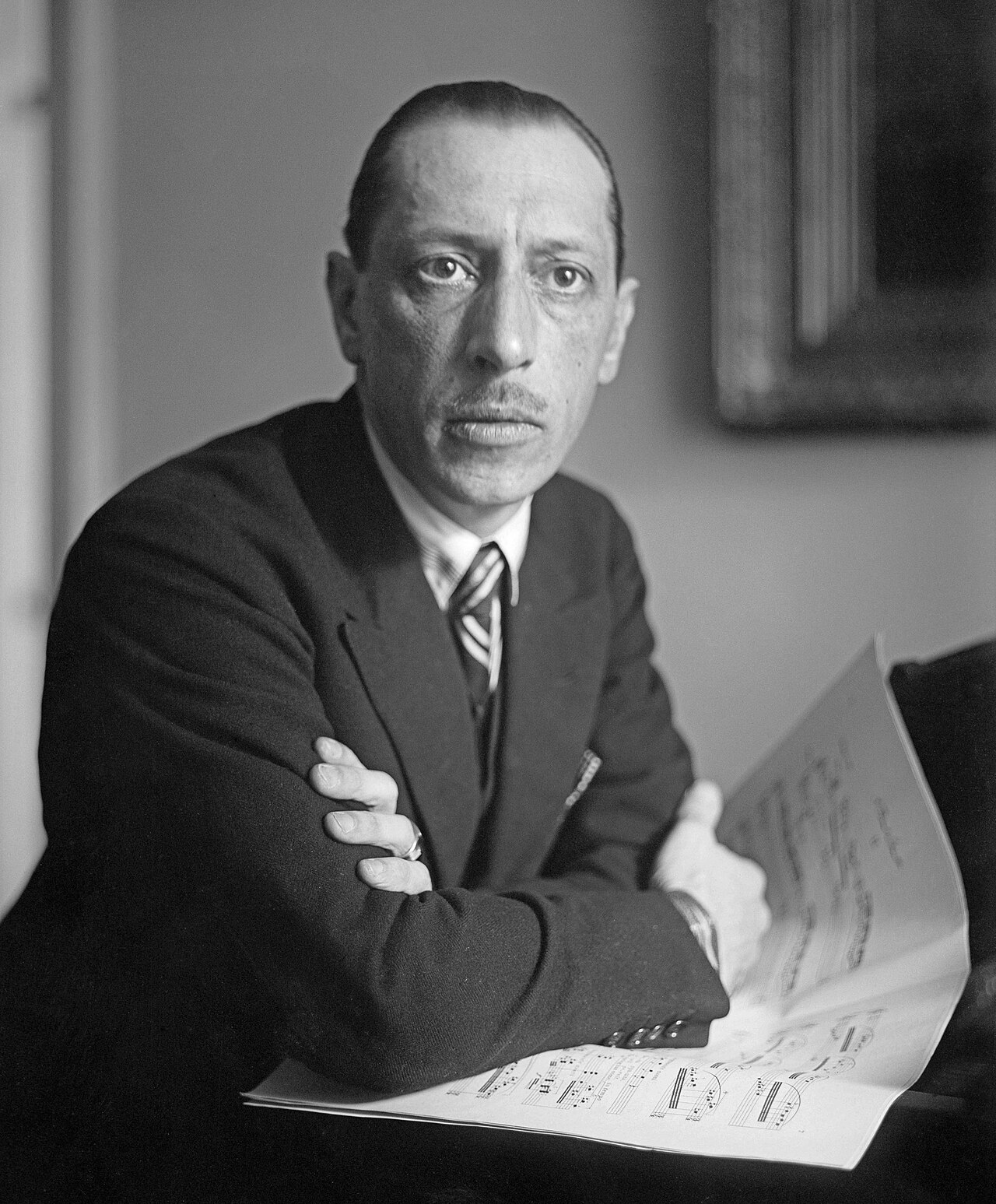
Portrait of Igor Stravinsky
George Grantham Bain
 Photograph
Primary source
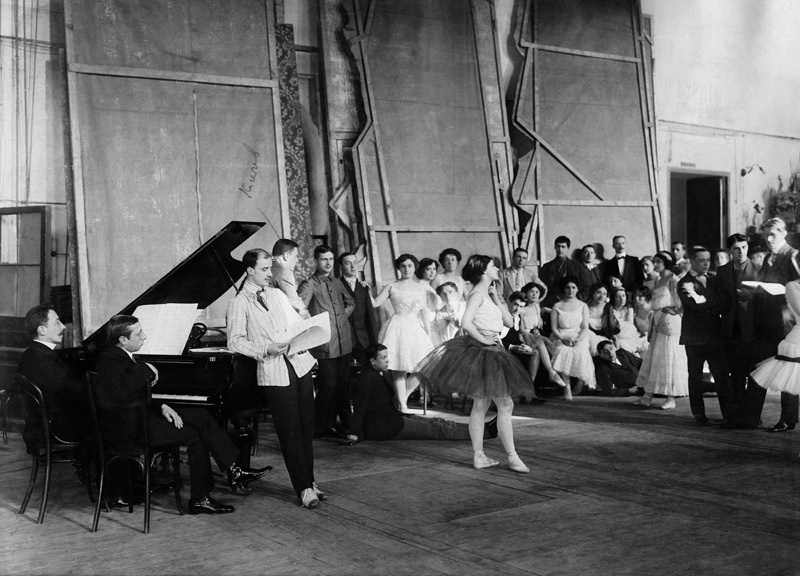
The Firebird Premiere Rehearsal
Н. Александров · 1910
 Document
Primary source
Apollo
Igor Stravinsky · 1927–1928
Free account
Read every Igor Stravinsky source
Sign up free →
Ready when you are
Start chatting with Igor Stravinsky now.
20 messages free · No credit card · Available in 50+ languages.