


Primary sourceArtifactc. 203
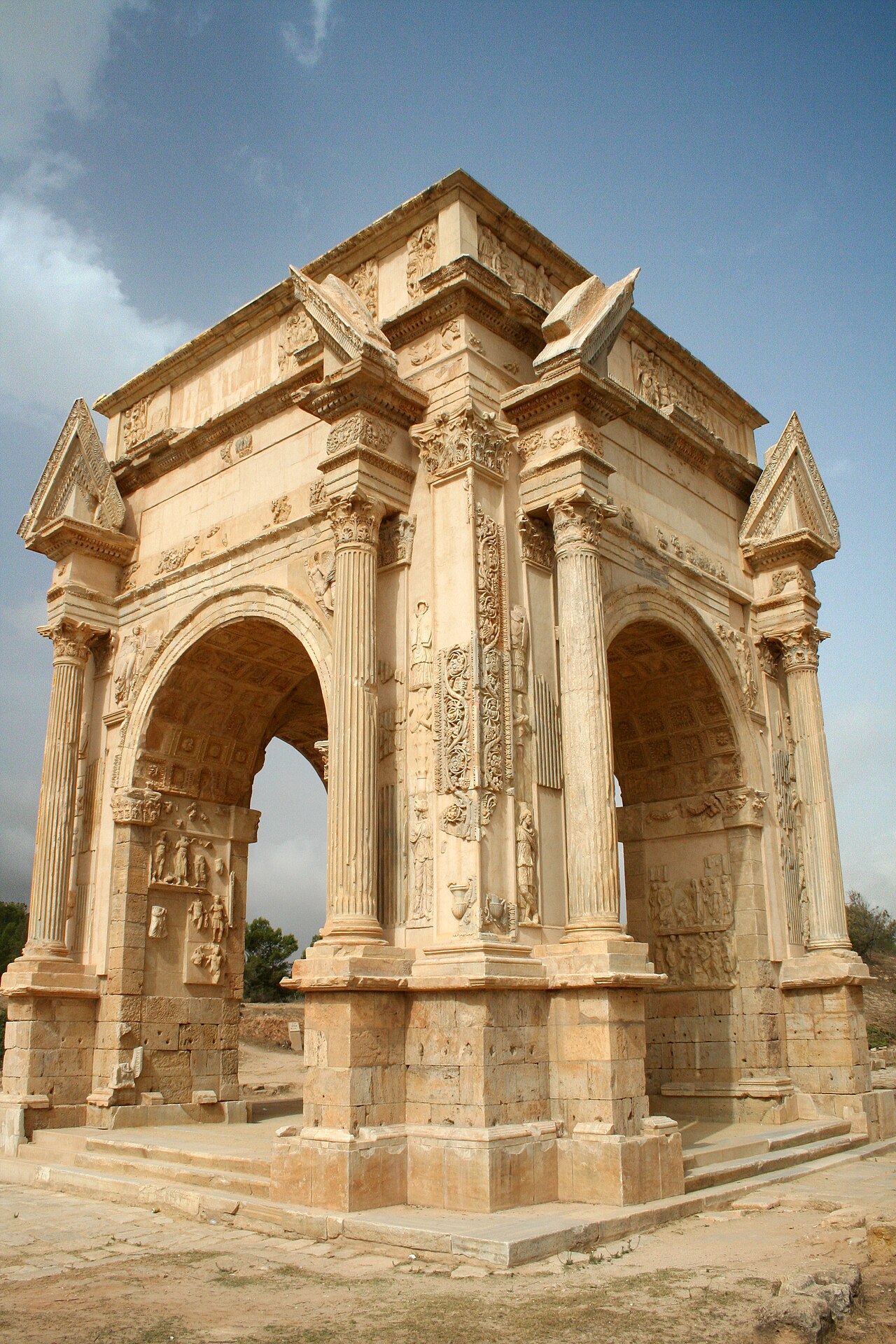
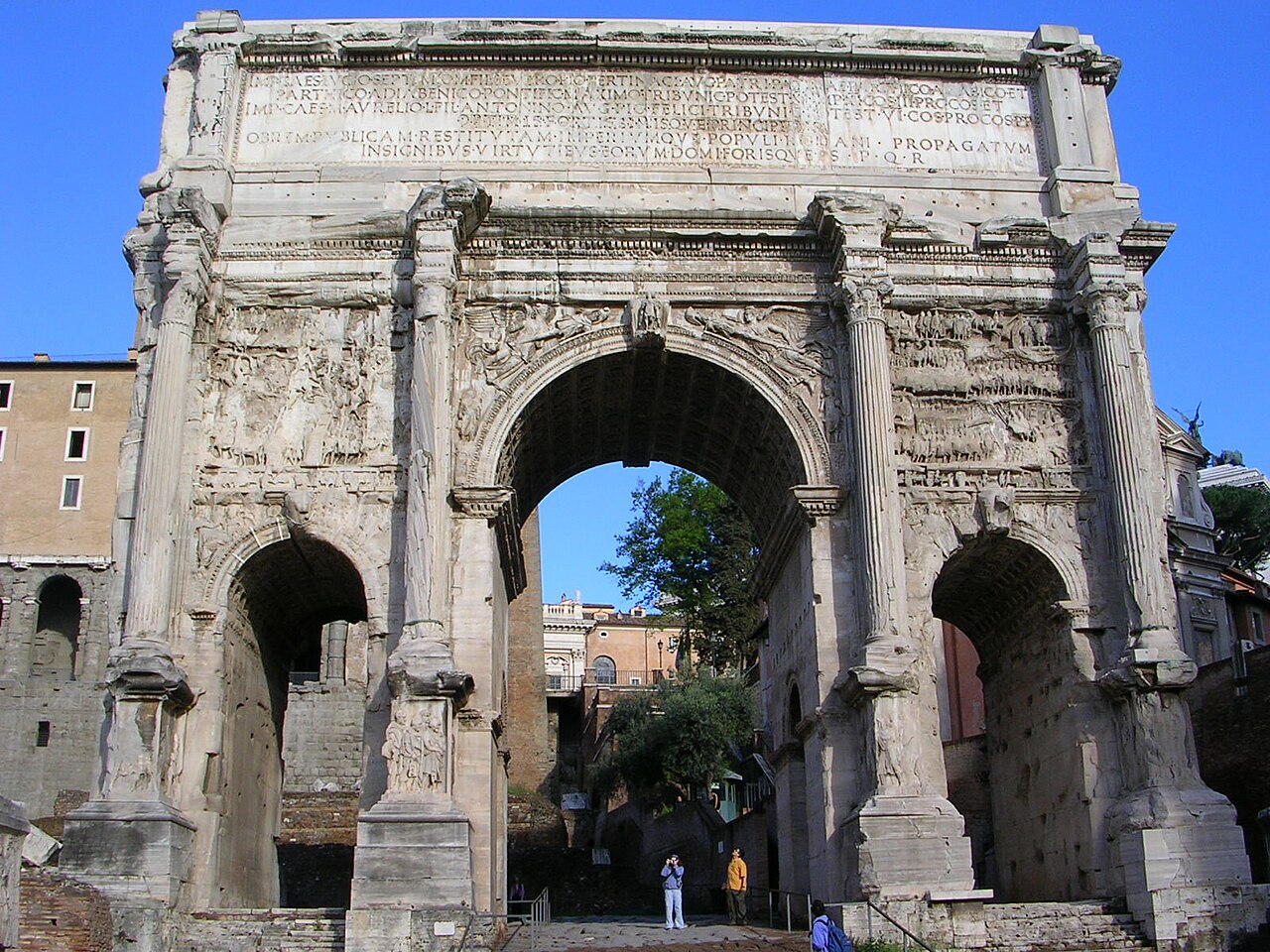
Arch of Septimius Severus at Leptis Magna
c. 203
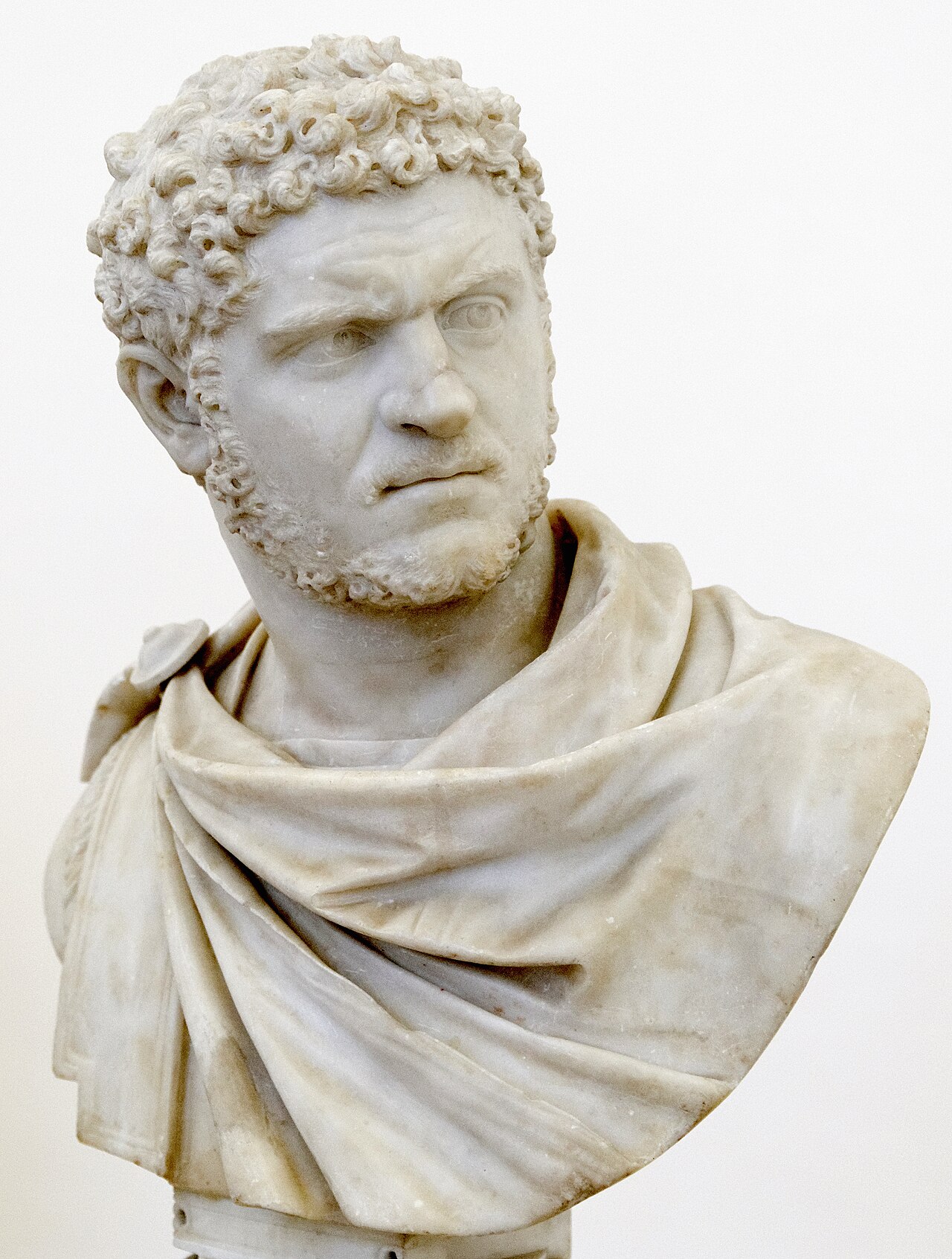
A triumphal arch built in Septimius Severus's home city, with reliefs showing the young Caracalla in a dynastic procession with his father and brother.
This arch's reliefs show Caracalla as a boy riding with his father and brother, presenting him as the dynasty's heir.
Free Humy account · No credit card · 120,912 sources to read
About this source
What it is
This four-way triumphal arch stands in the ruined Roman city of Leptis Magna in present-day Libya. It was commissioned by Emperor Septimius Severus, who was born there, and is generally thought to have been built around 203 to celebrate his military victories. It fell into ruin and was later rebuilt by archaeologists after being rediscovered in 1928.
Why it matters
The arch's carved panels show the imperial family in scenes of triumph and sacrifice, including a chariot carrying Septimius Severus, Caracalla, and his brother Geta together — a clear statement of dynastic succession. This reveals how the Severan family used public art to present Caracalla as his father's chosen heir, blending Roman and eastern artistic styles to legitimise their rule.
Look closer
- Why would Septimius Severus want to show Caracalla and Geta together with him in the same scene?
- What does the arch's combination of Roman and eastern decorative styles suggest about the empire's diversity?
- What might the missing figure of Victory, usually shown crowning the victor, tell us about how this triumph was presented?
This artifact is part of the curated material that grounds the AI version of Caracalla and Septimius Severus on Humy.ai — when students ask about related events, the AI can quote it and cite it.
More Caracalla sources
Browse all 81 →
Ready when you are
Start chatting with Caracalla now.
20 messages free · No credit card · Available in 50+ languages.