


Primary sourceArtifact1775
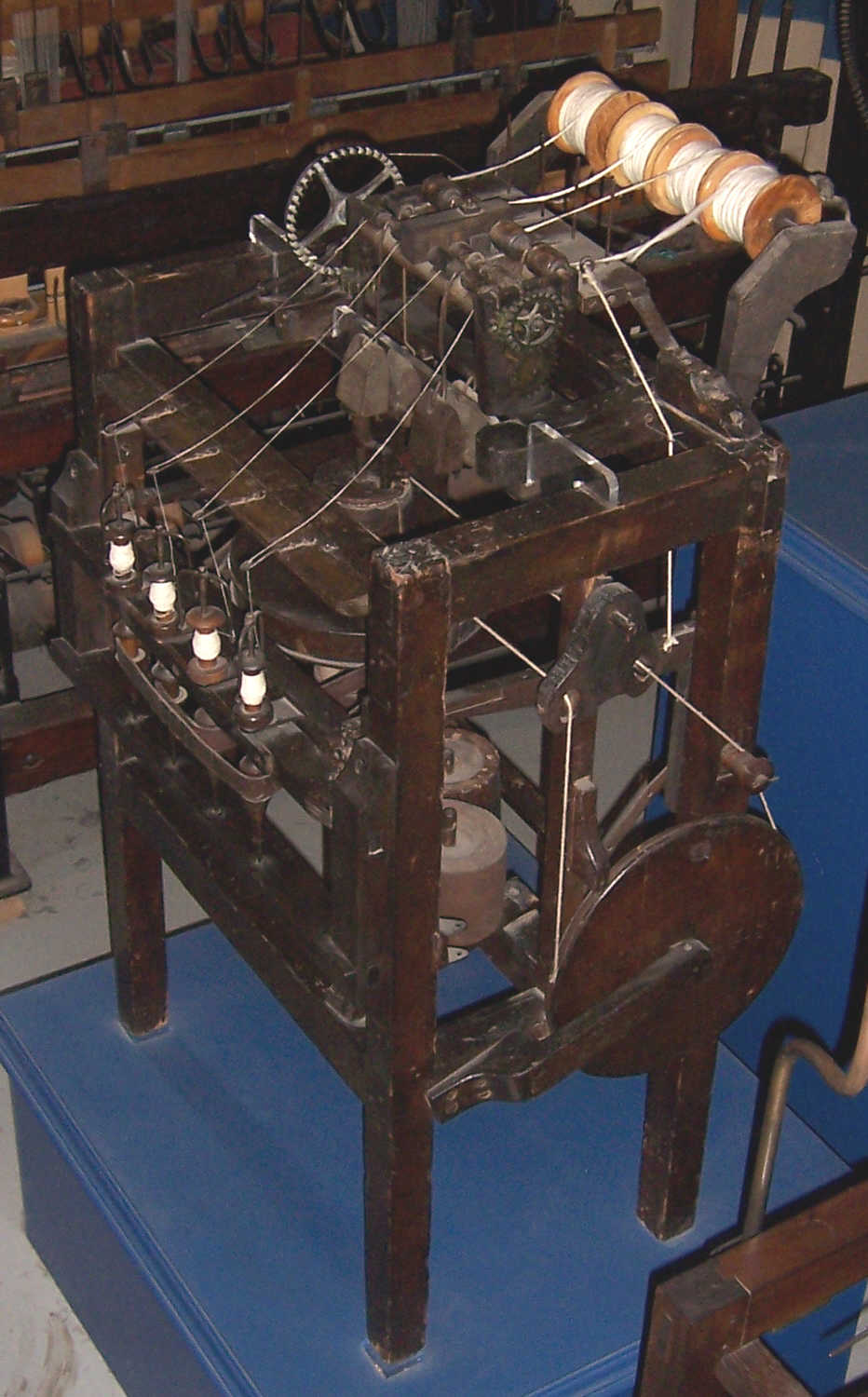
Arkwright Water Frame
1775
A surviving 1775 water frame of the type invented by Richard Arkwright, now in a Manchester museum collection.
This is an example of the water frame invention that made Arkwright famous and wealthy.
About this source
What it is
This wooden spinning machine is an example of Richard Arkwright's water frame, made in 1775. It was acquired by the Manchester Museum of Science and Technology in 2006 with support from the Heritage Lottery Fund.
Why it matters
The water frame was central to Arkwright's success: powered by water, it could spin strong cotton thread faster than earlier methods. Machines like this one made factory-based mass production possible and are a key reason Arkwright is linked to the start of the Industrial Revolution.
Look closer
- What parts of the machine can you identify, and what do you think each part did?
- Why would access to water power have mattered for where mills like this were built?
- What does a surviving machine tell us that a written description cannot?
This artifact is part of the curated material that grounds the AI version of Richard Arkwright on Humy.ai — when students ask about related events, the AI can quote it and cite it.
More Richard Arkwright sources
Meet the AI Richard Arkwright →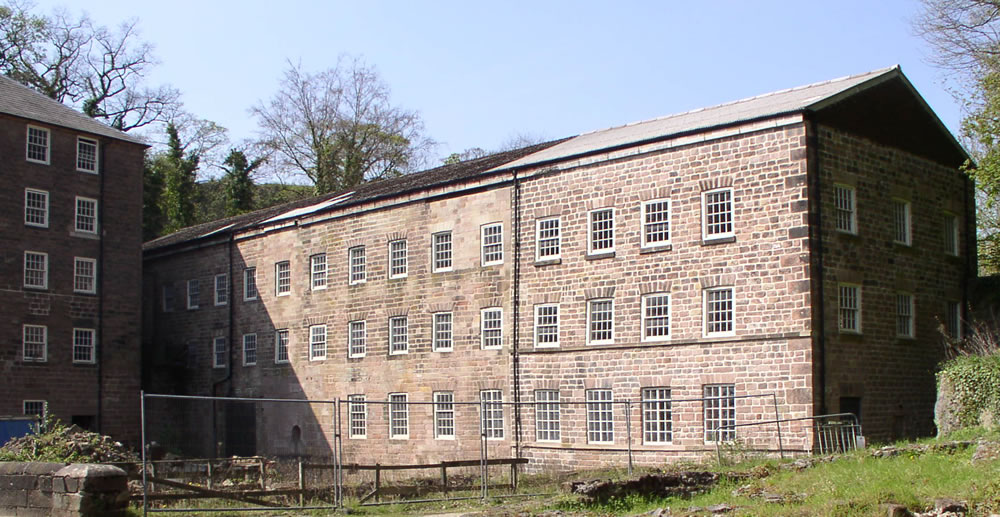 Artifact
Primary source
Cromford Mill
Richard Arkwright · 1771
 Painting
Primary source
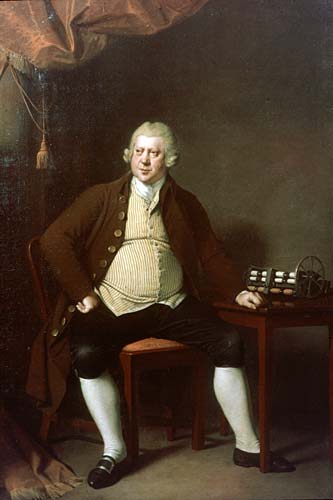
Portrait of Richard Arkwright
Joseph Wright of Derby · 1790
 Artifact
Primary source
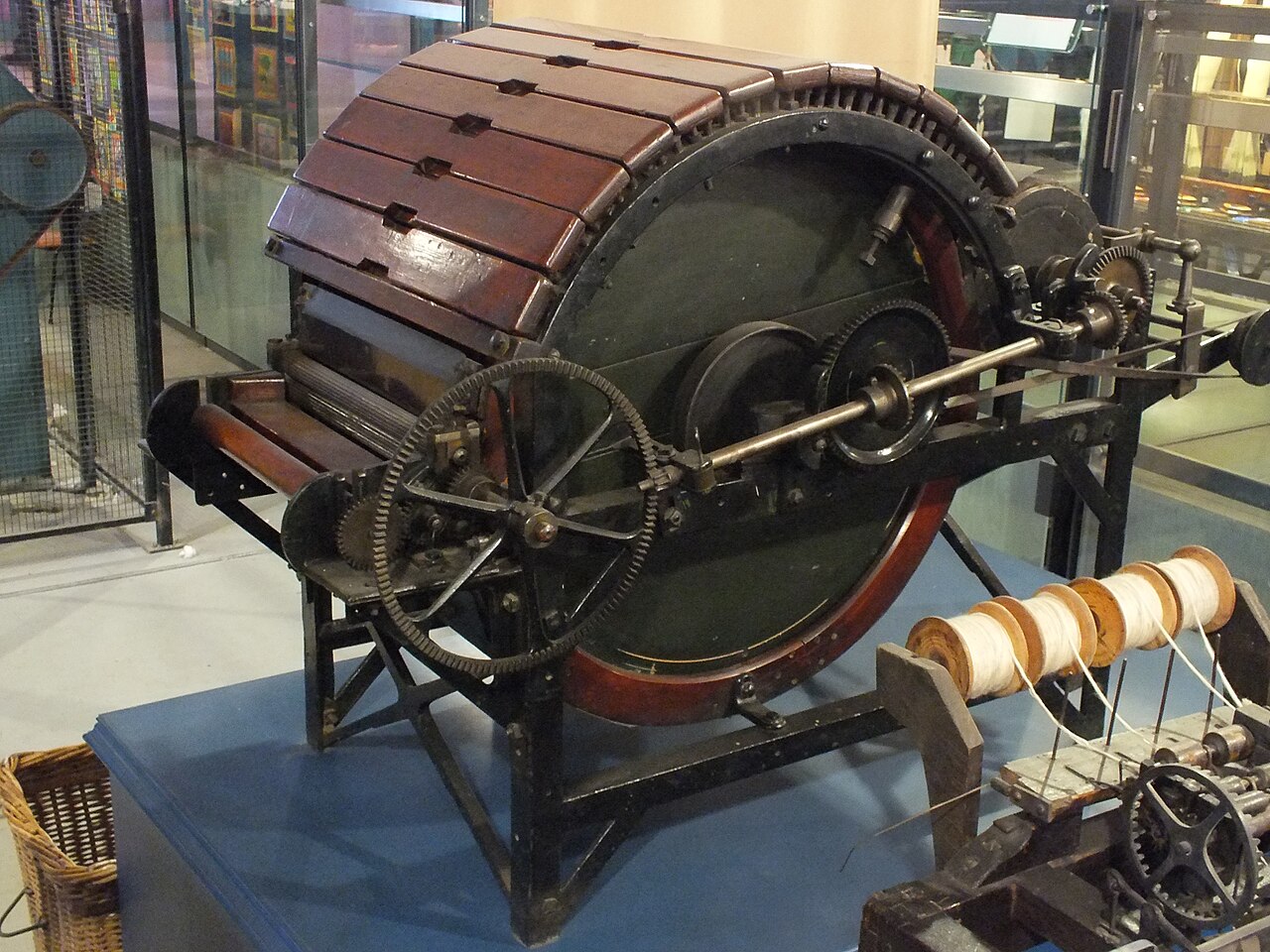
Arkwright's Carding Machine
1775
Primary source
The Case of Mr. Richard Arkwright and Co.
Richard Arkwright · 1782
 Document
Primary source
The Trial of a Cause Instituted by Richard Pepper Arden to Repeal a Patent Granted to Mr. Richard Arkwright
Court of King's Bench · 1785
Ready when you are
Start chatting with Richard Arkwright now.
20 messages free · No credit card · Available in 50+ languages.