


Primary sourceArtifact1549
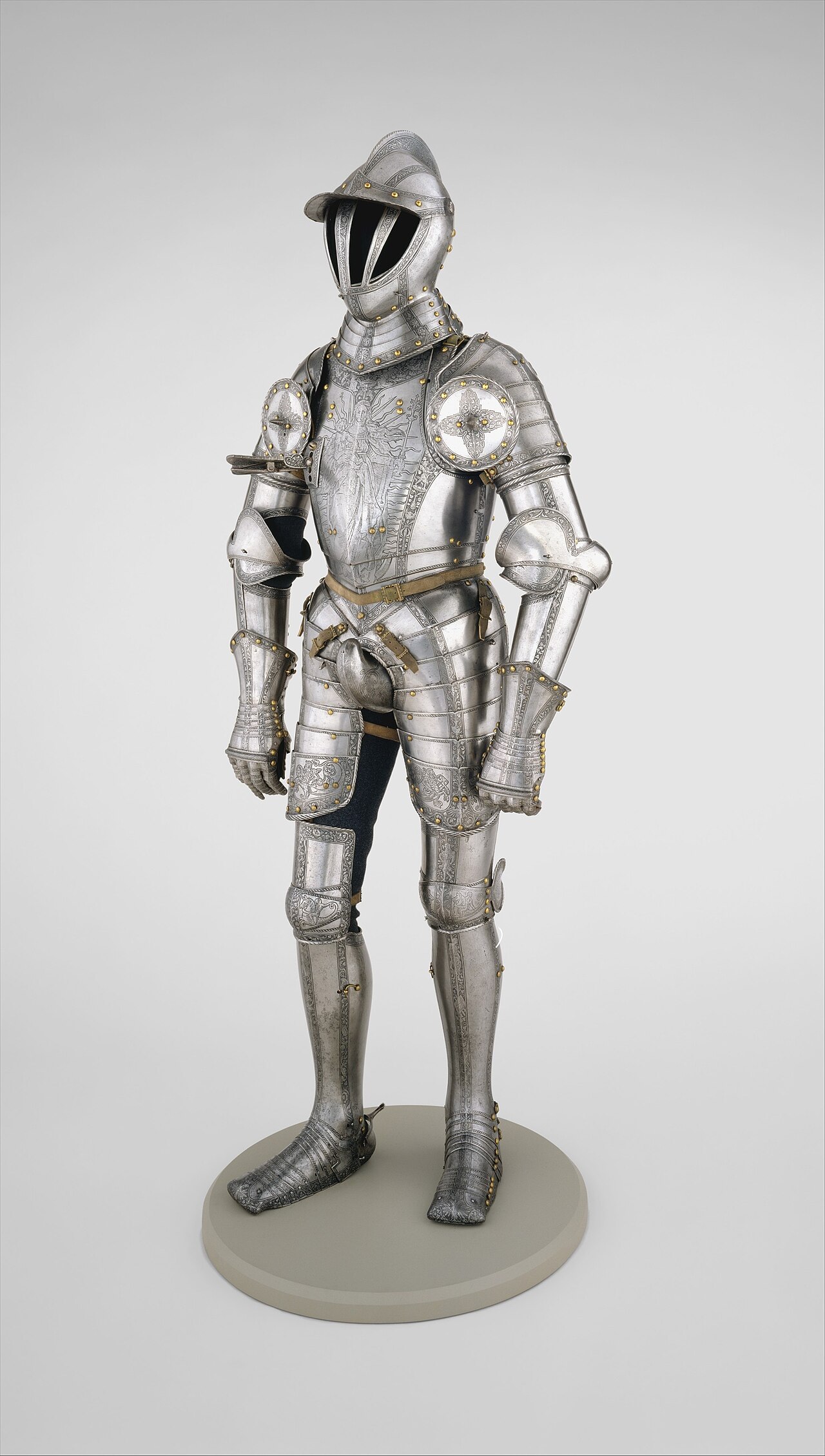
Armor of Emperor Ferdinand I
Kunz Lochner · 1549
A suit of plate armor made in 1549 by Nuremberg armorer Kunz Lochner for Ferdinand, reflecting his image as a warrior ruler during the Ottoman wars.
This armor was made for Ferdinand and displays his self-image as a warrior ruler during the Ottoman wars.
About this source
What it is
This is a full suit of etched steel armor made in 1549 by the Nuremberg armorer Kunz Lochner for Ferdinand, the future Holy Roman Emperor. It is now in the Metropolitan Museum of Art.
Why it matters
The armor was made for actual military use, not just parade, during the era of conflict with the Ottoman Empire and religious war within the empire. Its etched decoration includes religious imagery and a crowned double-headed eagle symbolizing Ferdinand's position as King of the Romans, heir to his brother Charles V. The piece shows how Habsburg rulers used armor to project both military readiness and political and religious authority.
Why it matters
Look closer
- Why might a working piece of armor also be decorated with elaborate religious and heraldic symbols?
- What does the eagle symbol on the feet tell us about Ferdinand's status at the time it was made?
- What can armor like this tell us about how rulers wanted to be seen by others?
This artifact is part of the curated material that grounds the AI version of Ferdinand I, Holy Roman Emperor on Humy.ai — when students ask about related events, the AI can quote it and cite it.
More Ferdinand I, Holy Roman Emperor sources
Browse all 93 →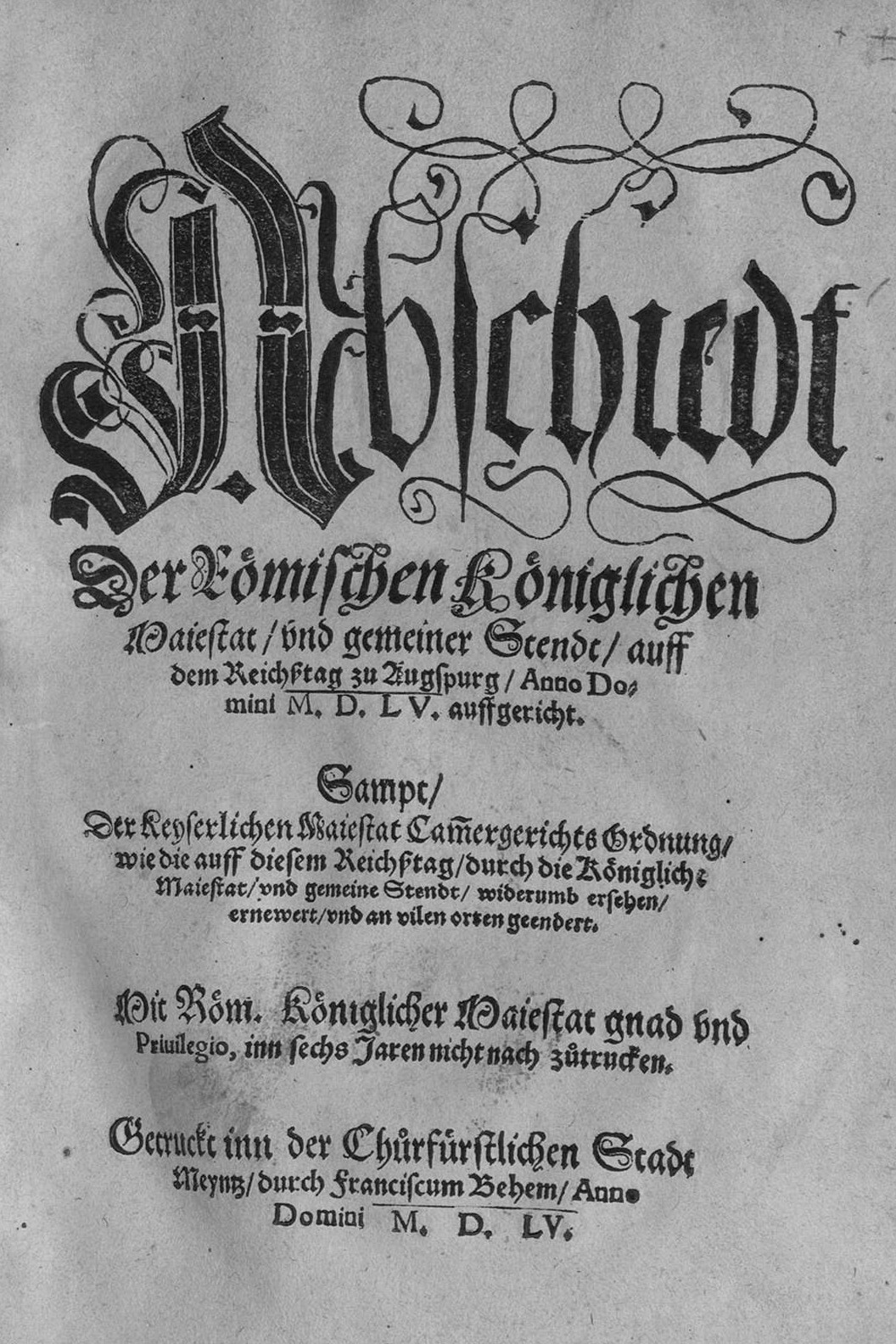 Document
Primary source
Peace of Augsburg
1555
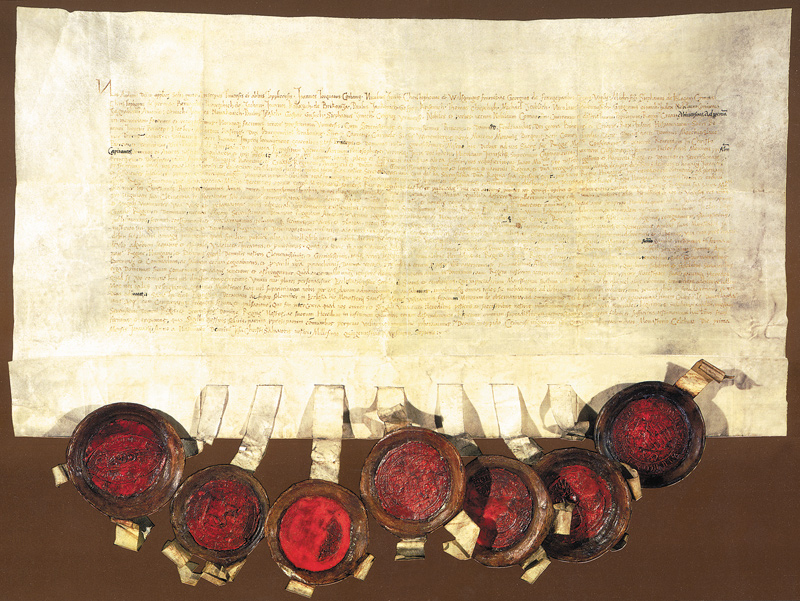 Document
Primary source
Cetin Charter
Croatian parliament · 1527
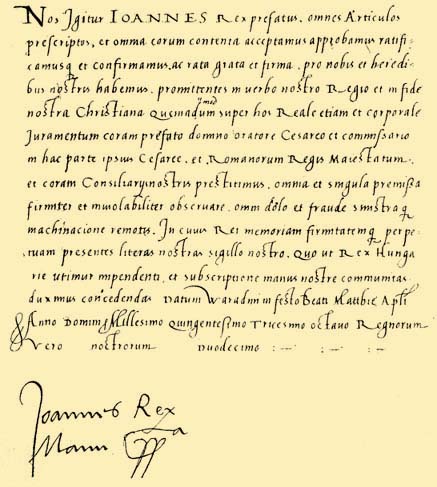 Document
Primary source
Treaty of Nagyvárad
Ferdinand I, Grand Duke of Austria and John Szapolyai King of Hungary · 1538
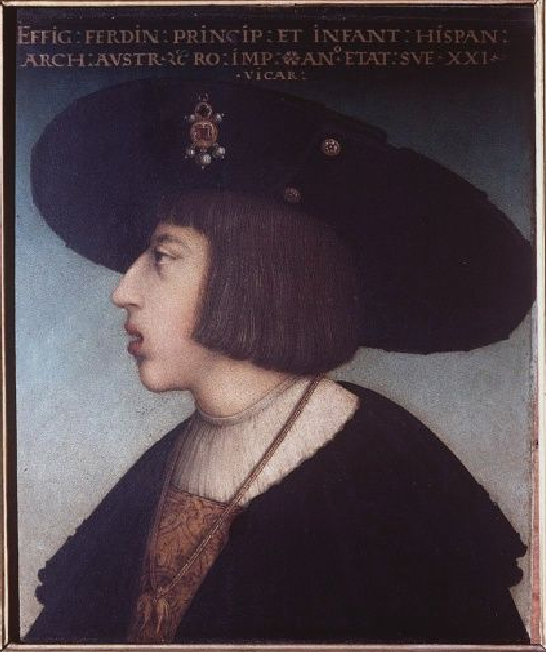 Painting
Primary source
Portrait of Ferdinand I
Hans Maler zu Schwaz · 1524
Free account
Read every Ferdinand I, Holy Roman Emperor source
Sign up free →
Ready when you are
Start chatting with Ferdinand I, Holy Roman Emperor now.
20 messages free · No credit card · Available in 50+ languages.