


Primary sourcePainting1434
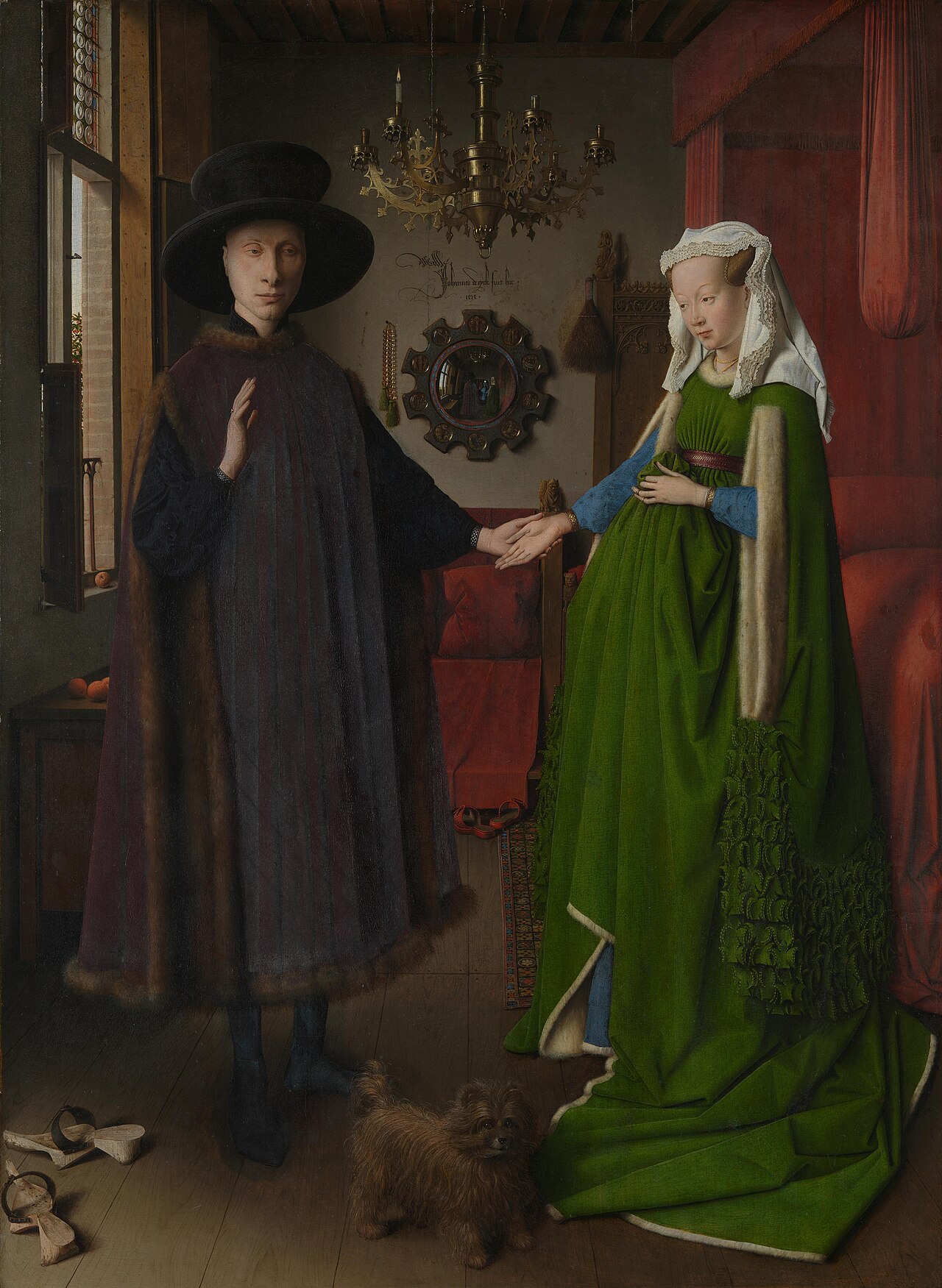
Arnolfini Portrait
Jan van Eyck · 1434
A full-length double portrait painted by Jan van Eyck in 1434, showing his mastery of oil technique and his presence as a witness within the scene itself.
Van Eyck painted and signed this work, placing himself as witness within the scene he created.
About this source
What it is
This oil painting on oak panel was made by Jan van Eyck in 1434. It is believed to show the Italian merchant Giovanni di Nicolao Arnolfini and his wife in their home in Bruges. It is now in the National Gallery, London.
Why it matters
The painting is one of the most studied works in Western art because of its realism, mirror, and dense detail of furnishings and fabrics. Van Eyck signed and dated it on the wall, writing that he was 'here', suggesting he witnessed the scene. It reveals both his technical skill with oil paint and the wealth and fashions of Bruges merchant society.
Look closer
- What does the mirror on the back wall reflect, and why might van Eyck have included it?
- What details in the clothing and furniture suggest wealth?
- Why might van Eyck have signed the painting the way he did?
This painting is part of the curated material that grounds the AI version of Jan van Eyck on Humy.ai — when students ask about related events, the AI can quote it and cite it.
More Jan van Eyck sources
Browse all 82 →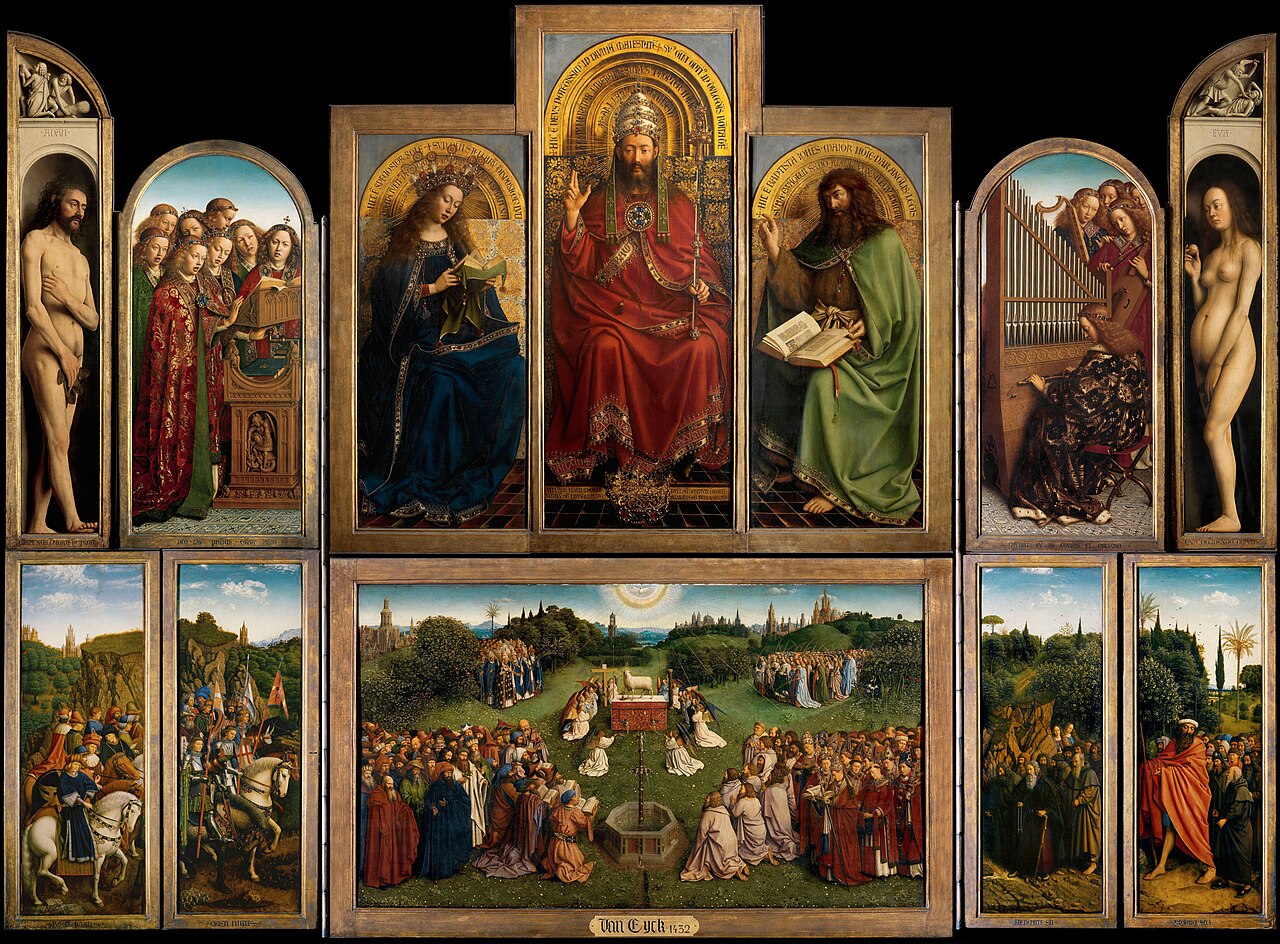 Painting
Secondary source
Ghent Altarpiece
Jan van Eyck and Hubert van Eyck · 1432
 Painting
Primary source
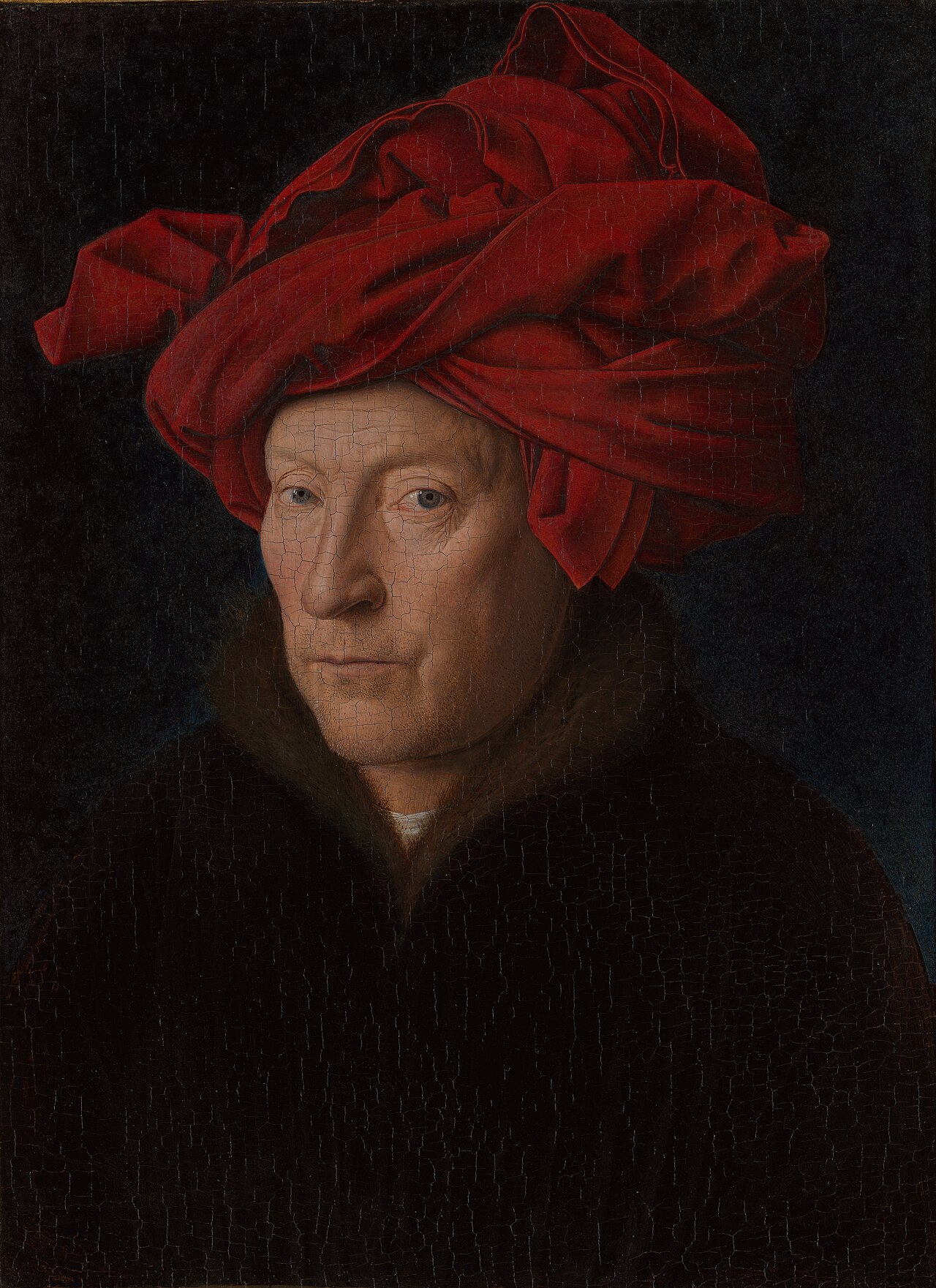
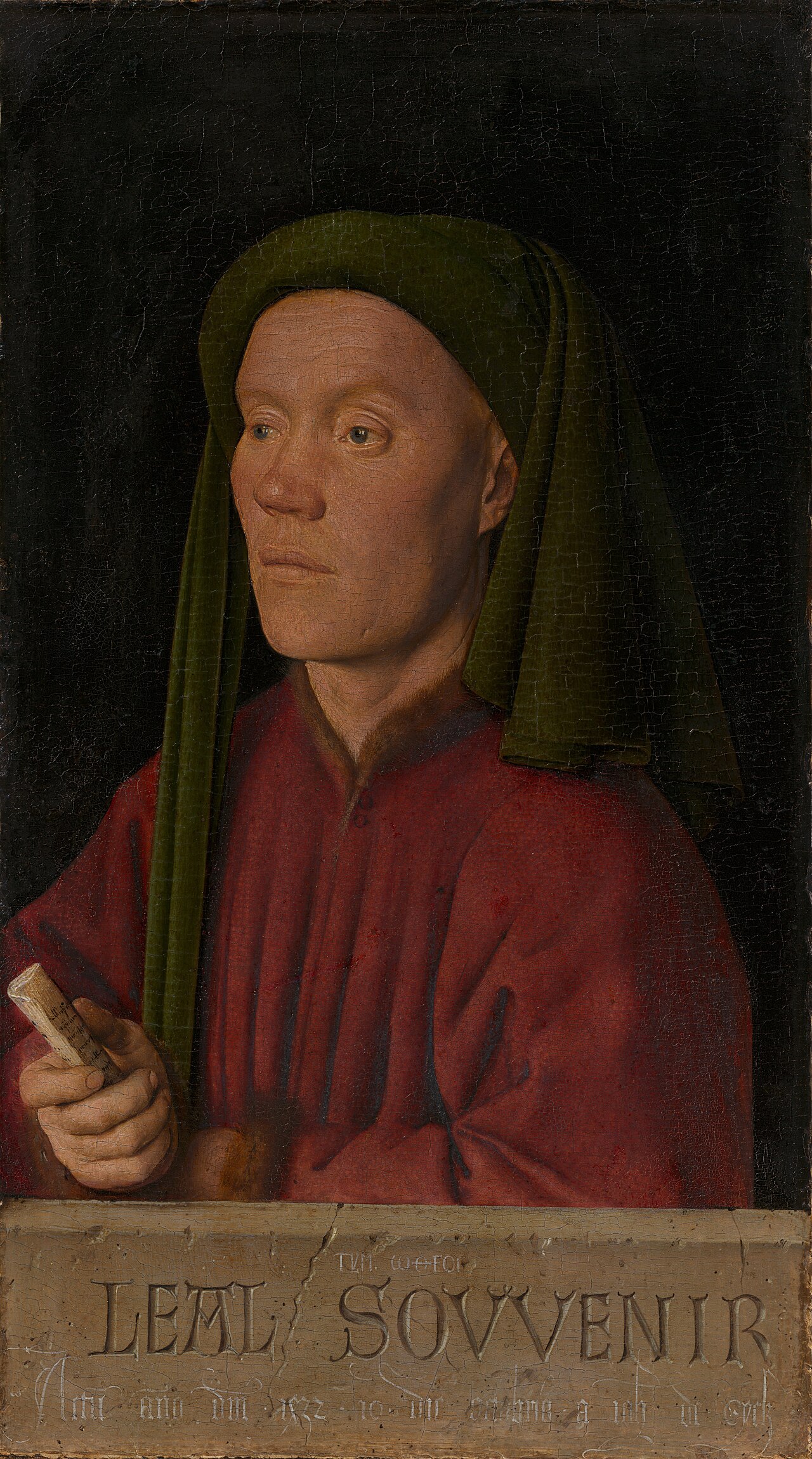
Portrait of a Man (Self Portrait?)
Jan van Eyck · 1433
 Painting
Secondary source
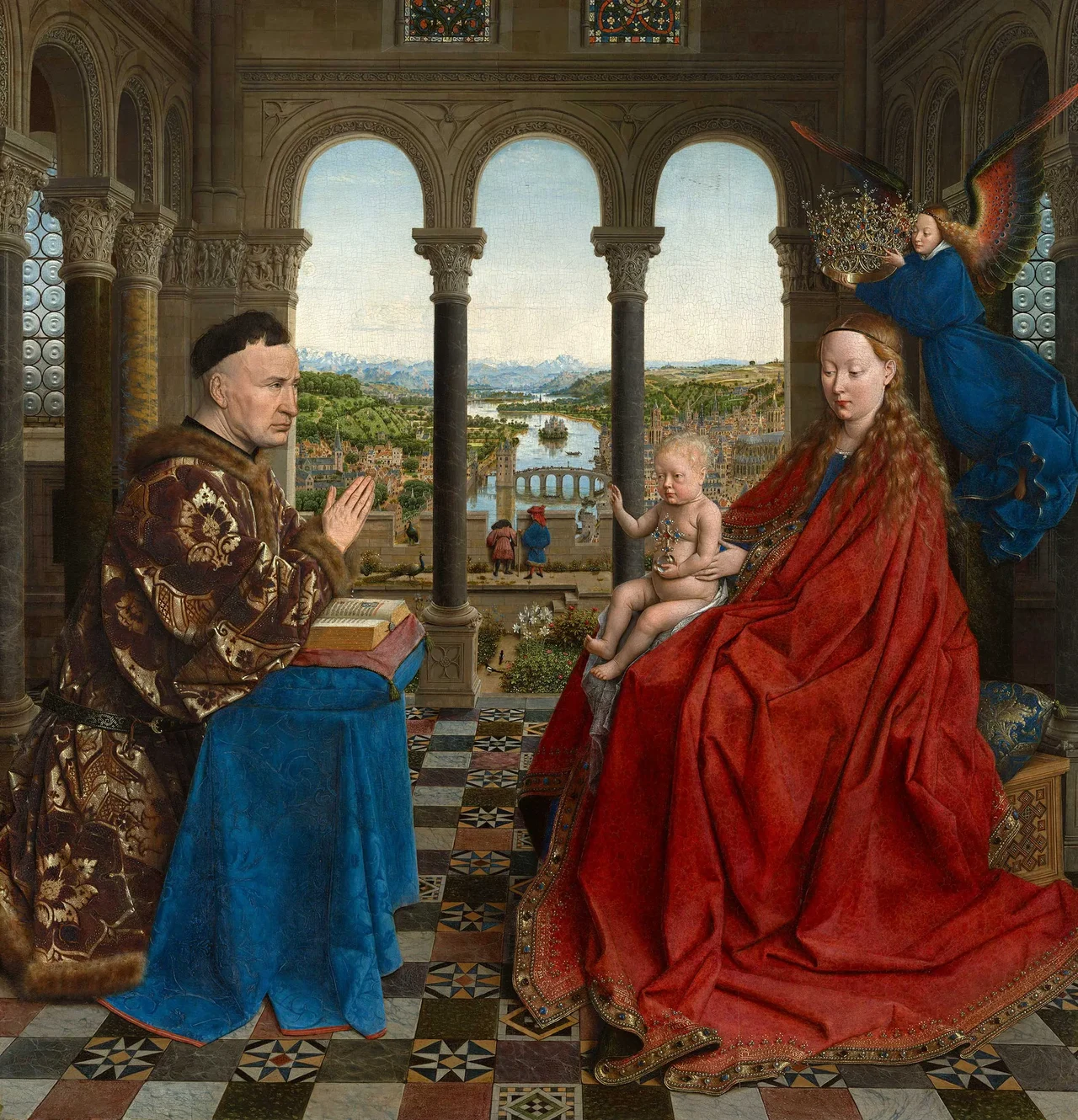
Madonna of Chancellor Rolin
Jan van Eyck · c. 1435
 Painting
Primary source
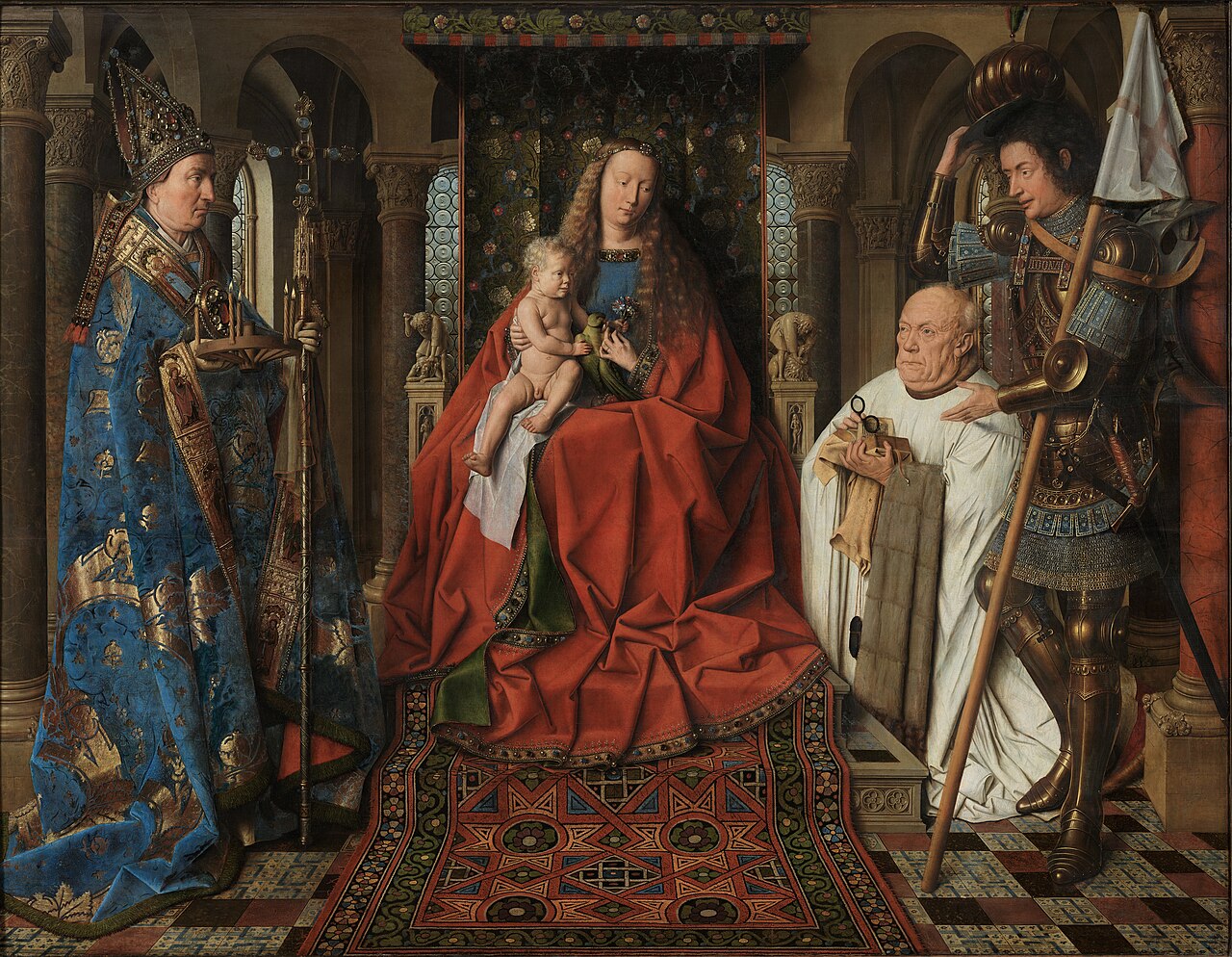
Madonna with Canon Joris van der Paele
Jan van Eyck · c. 1434-1436
Free account
Read every Jan van Eyck source
Sign up free →
Ready when you are
Start chatting with Jan van Eyck now.
20 messages free · No credit card · Available in 50+ languages.