


Secondary sourcePainting1794
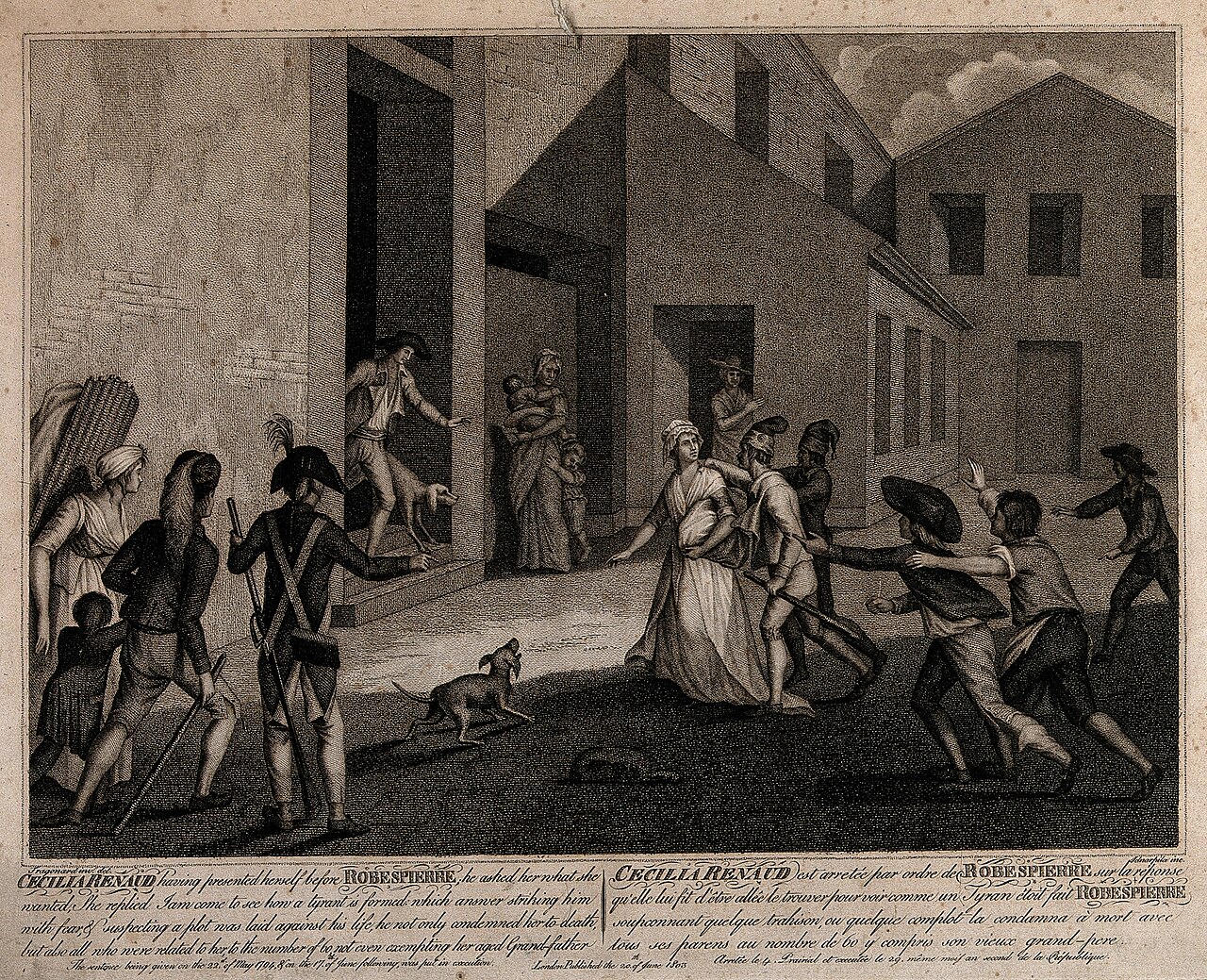
Arrest of Cécile Renault
Idnarpile, after Jean-Honoré Fragonard · 1794
An engraving after Fragonard showing the 1794 arrest of Cécile Renault, who was accused of plotting to kill Robespierre.
Shows the arrest of a woman accused of plotting to assassinate Robespierre, reflecting the dangers surrounding him during the Terror.
About this source
What it is
This stipple engraving, made after a design by Jean-Honoré Fragonard, depicts the arrest of Cécile Renault by soldiers in Paris. Renault was suspected of intending to assassinate Robespierre. The print shows a street scene with a young woman seized by men in dark coats, soldiers and onlookers gathered, during the period of the Terror.
Why it matters
The episode shows the atmosphere of fear and suspicion surrounding Robespierre during the Terror, when accusations of plots against revolutionary leaders could lead to swift arrest. It reveals how dangerous and tense political life had become, both for Robespierre, who was seen as a target, and for ordinary people like Renault, who were caught up in the violence of the period.
Look closer
- What does the scene suggest about how the public reacted to such arrests?
- Why might an artist like Fragonard, or the engraver, have chosen to depict this event?
- What is left out of the image — do we see what happened to Renault afterward?
This painting is part of the curated material that grounds the AI version of Maximilien Robespierre on Humy.ai — when students ask about related events, the AI can quote it and cite it.
More Maximilien Robespierre sources
Meet the AI Maximilien Robespierre →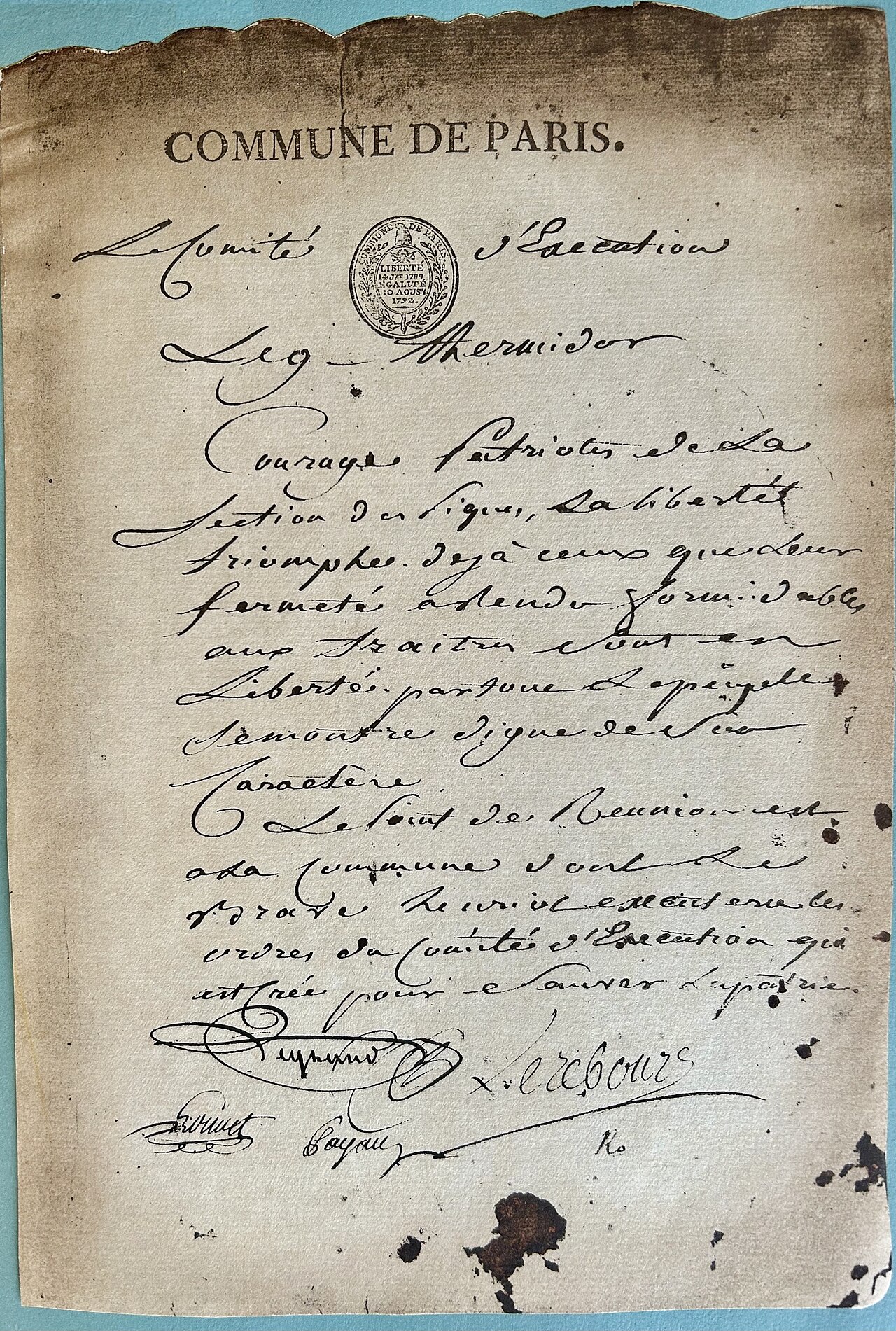 Document
Primary source
Appeal of the Commune to the Section des Piques, 9 Thermidor
Louvet, Payan, Lerebourgs, Legrand, Robespierre · 27 July 1794 (9 Thermidor Year II)
Primary source
Speech on the Trial of the King
Maximilien Robespierre · 3 December 1792
 Painting
Primary source
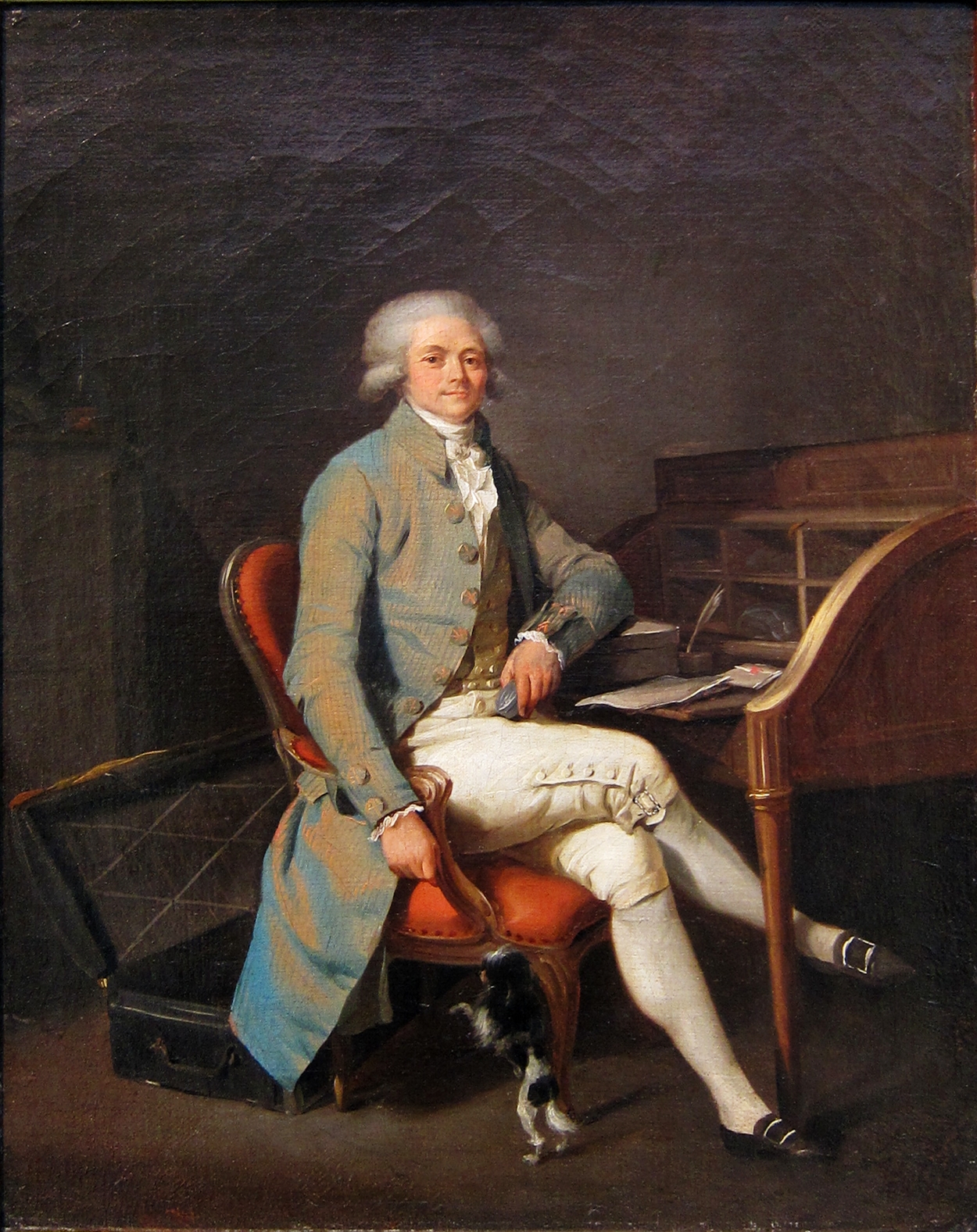
Portrait of Maximilien de Robespierre
Louis-Léopold Boilly · 1791
 Sculpture
Primary source
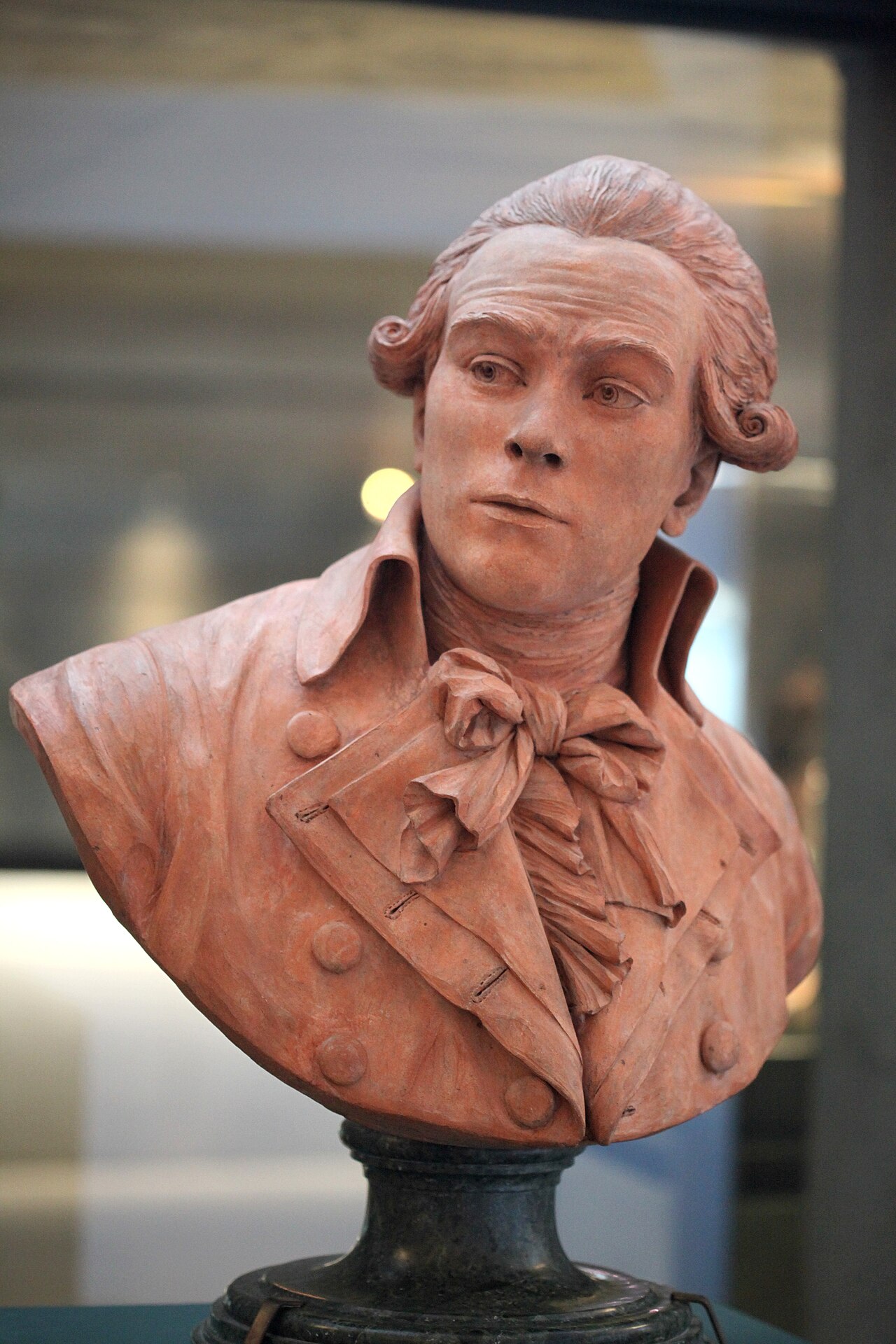
Bust of Robespierre
Claude-André Deseine · 1791
Primary source
Report on Religious and Moral Ideas and National Festivals (18 Floréal)
Maximilien Robespierre · 7 May 1794 (18 Floréal Year II)
Ready when you are
Start chatting with Maximilien Robespierre now.
20 messages free · No credit card · Available in 50+ languages.