


Primary sourceBook1783
Arsace et Isménie
Montesquieu · 1783
A posthumously published oriental tale by Montesquieu exploring love and kingship, continuing themes from his Persian Letters.
This novel, finished near the end of Montesquieu's life, shows his continuing interest in using fiction to explore political ideas.
About this source
What it is
Arsace et Isménie is a novel by Montesquieu, finished near the end of his life and published in 1783, after his death. It is set in a fictional Orient and tells a story centered on love and kingship.
Why it matters
Montesquieu had long been fascinated by the idea of the 'Orient' as a setting for exploring ideas he could not state directly about his own society, as he had done earlier in his Persian Letters. According to the editor's note, he hesitated to publish this story because its themes seemed far from French customs, and the manuscript was passed to his son after his death. This shows how writers of the time sometimes used distant settings to discuss delicate political or moral ideas safely.
Why look closer
- Why might Montesquieu have hesitated to publish this story during his lifetime?
- What does using a foreign setting allow a writer to say that might be risky to say directly?
- Who decided to publish it after his death, and how might that change how it reached readers?
This book is part of the curated material that grounds the AI version of Baron de Montesquieu on Humy.ai — when students ask about related events, the AI can quote it and cite it.
More Baron de Montesquieu sources
Meet the AI Baron de Montesquieu →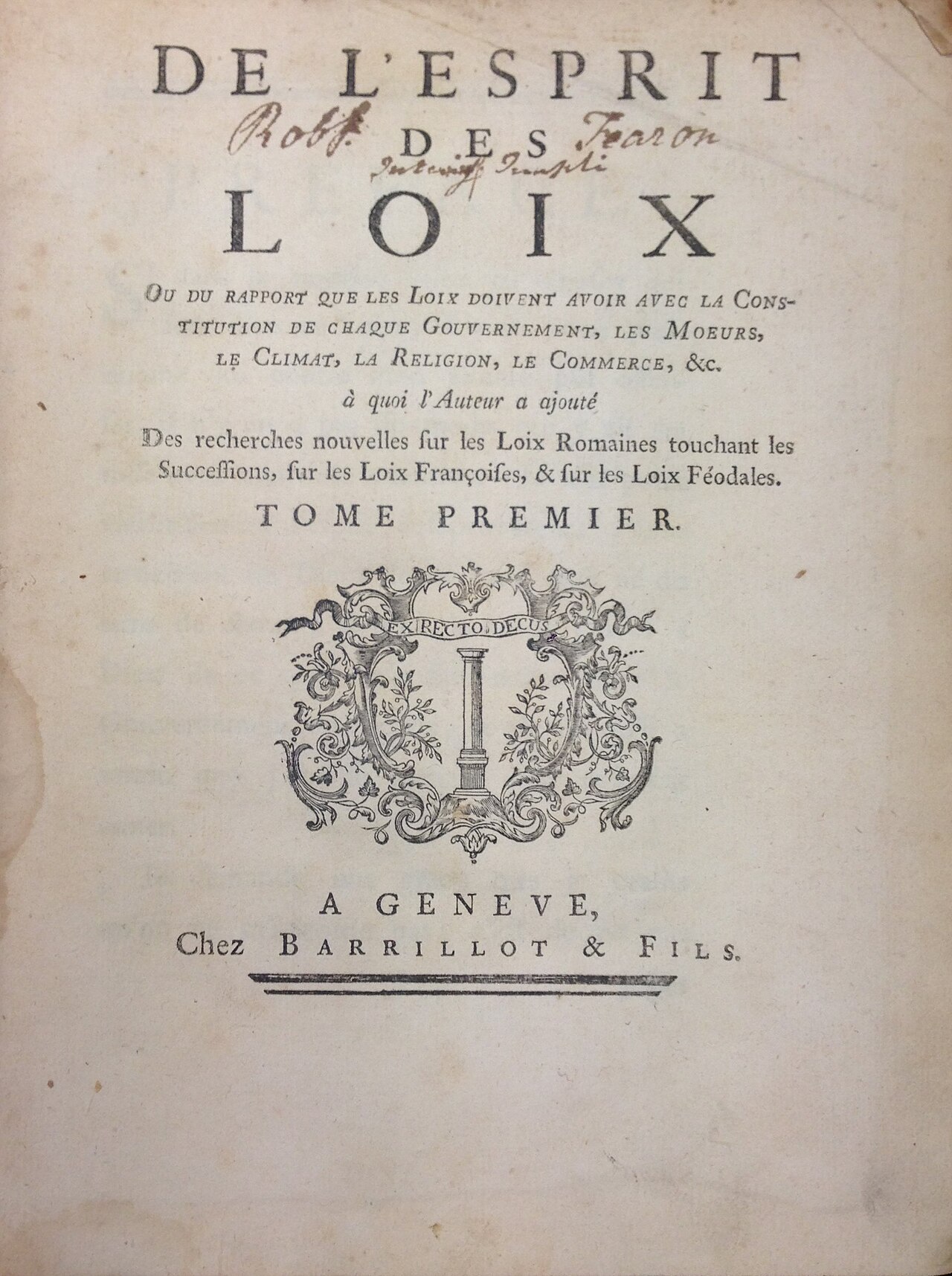 Book
Primary source
The Spirit of the Laws
Montesquieu · 1748
 Book
Primary source
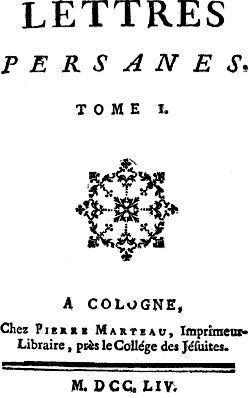
Persian Letters
Montesquieu · 1721
 Book
Primary source
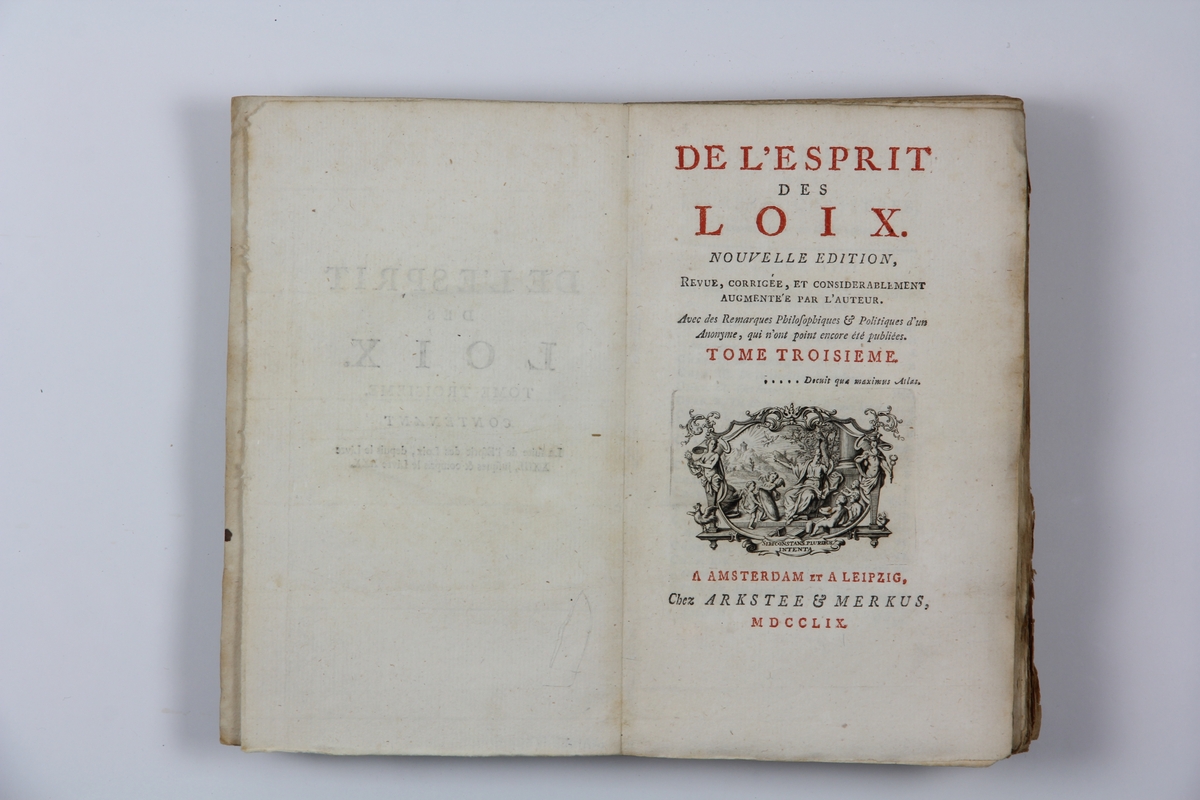
De l'esprit des loix (volume III), Amsterdam and Leipzig, 1759
Montesquieu · 1759
 Book
Primary source
Considerations on the Causes of the Greatness of the Romans and their Decline
Montesquieu · 1734
 Document
Primary source
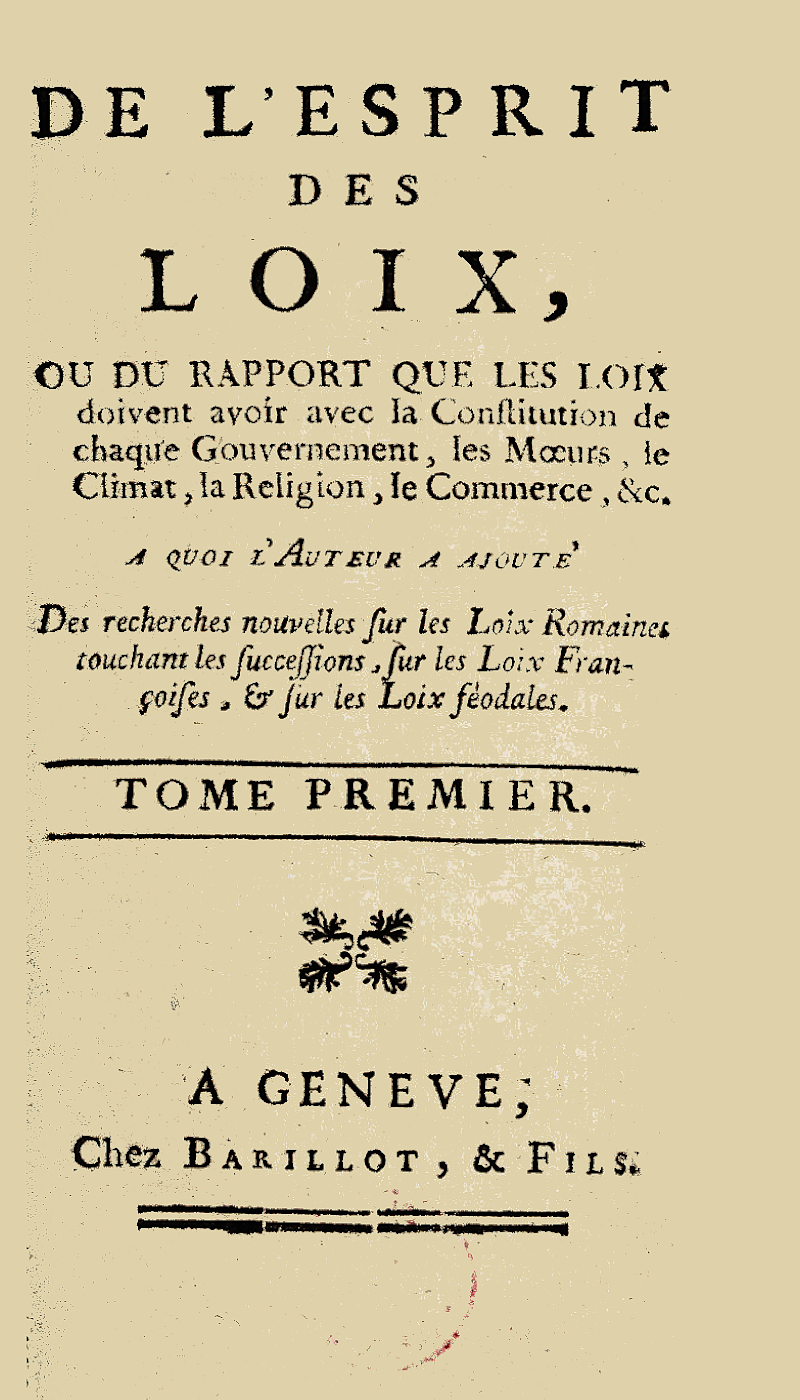
De l'Esprit des loix, Volume 1, Title Page
Montesquieu · 1748-1750
Ready when you are
Start chatting with Baron de Montesquieu now.
20 messages free · No credit card · Available in 50+ languages.