


Primary sourcePhotograph1918
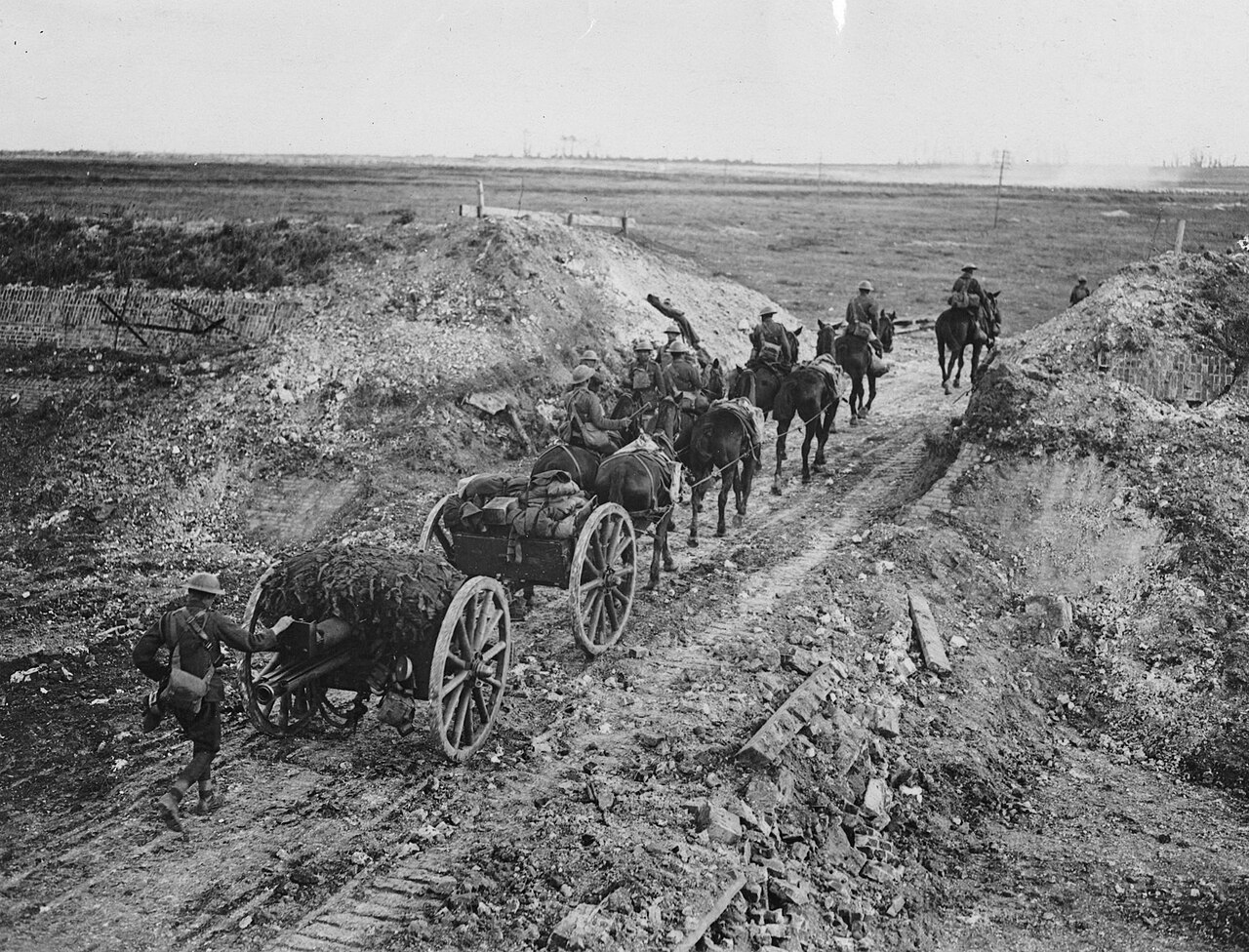
Artillery going through a cutting in the Canal du Nord
David McLellan · 1918
A photograph of horse-drawn artillery passing through the Canal du Nord during the 1918 breaking of the Hindenburg Line, part of Haig's Hundred Days Offensive.
Depicts fighting during Haig's 1918 Hundred Days Offensive, the campaign he directed as Commander-in-Chief.
About this source
What it is
A black-and-white photograph by David McLellan showing horse-drawn artillery wagons moving through a cutting of the Canal du Nord in France during the First World War. The unfinished canal had been turned into a formidable defensive position incorporated into the German Hindenburg Line.
Why it matters
This image documents the fighting of 1918, when Canadian divisions broke through the canal defences as part of the Allied advance under the overall command of Field Marshal Douglas Haig. It shows the physical difficulty of the terrain and the continued reliance on horses to move heavy guns even late in an industrialised war.
Look closer
- What does the photograph tell you about the conditions soldiers and animals faced in this landscape?
- Why might a photographer have been sent to record this moment?
- What does the image not show about the cost of this advance?
This photograph is part of the curated material that grounds the AI version of Field Marshal Douglas Haig on Humy.ai — when students ask about related events, the AI can quote it and cite it.
More Field Marshal Douglas Haig sources
Meet the AI Field Marshal Douglas Haig →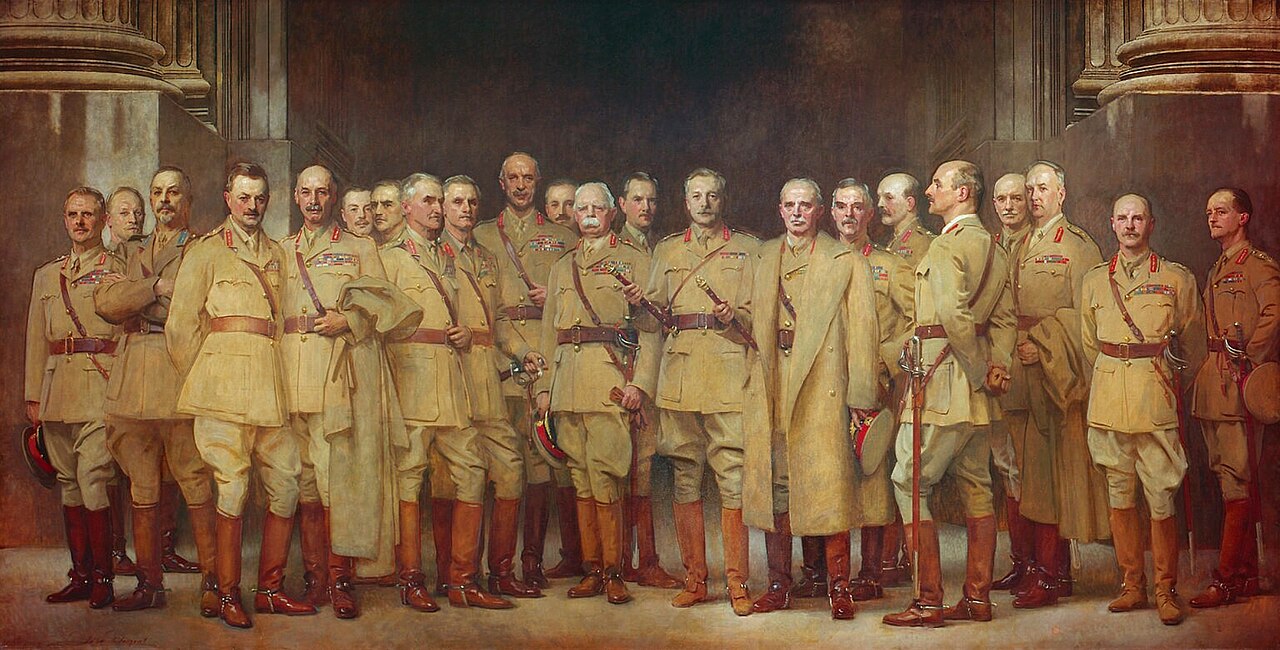 Painting
Primary source
General Officers of World War I
John Singer Sargent · 1922
 Document
Primary source
Final Despatch of Sir Douglas Haig
Douglas Haig · 21 March 1919
 Painting
Primary source
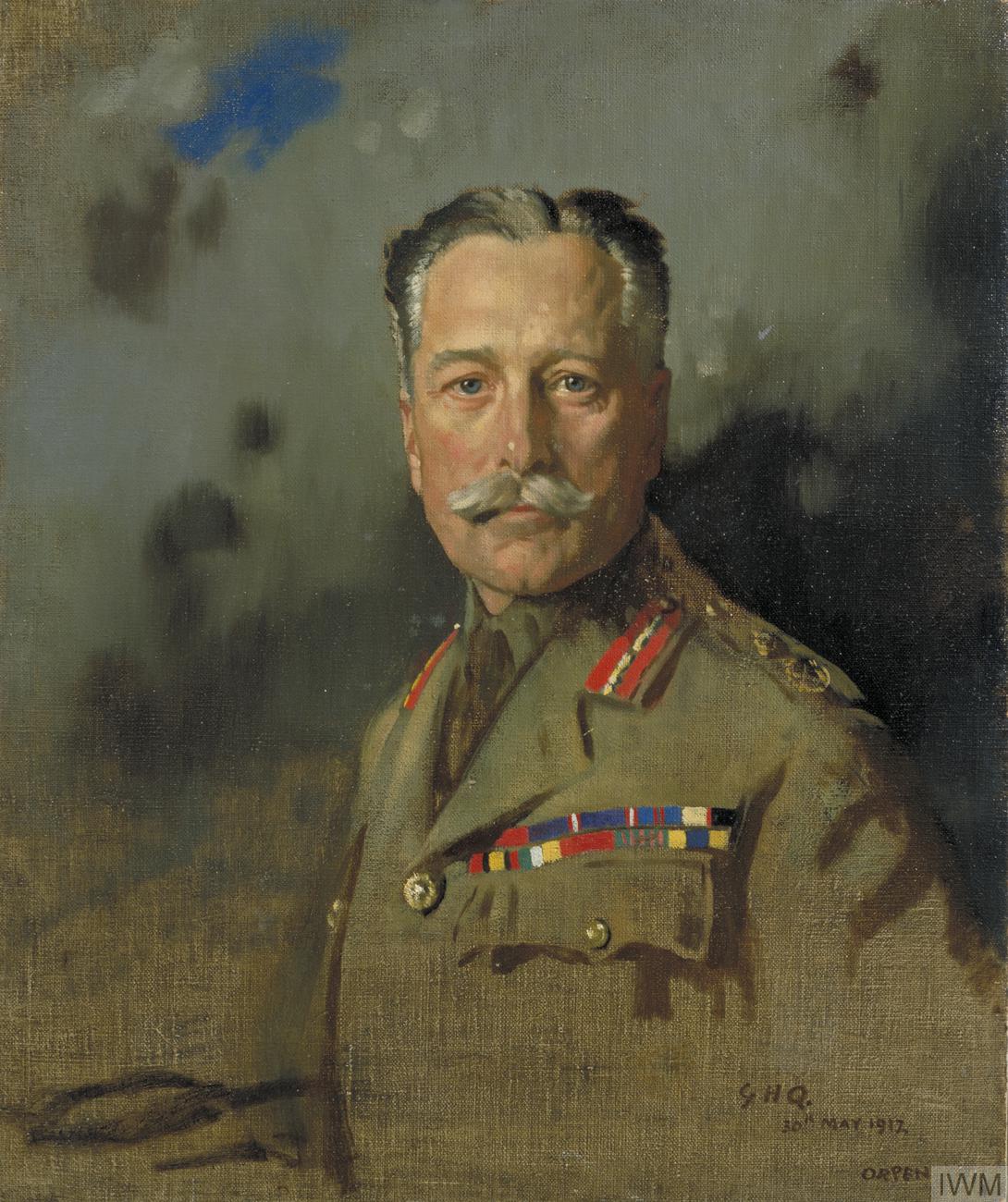
Field-Marshal Sir Douglas Haig, Commander-in-Chief, France
William Orpen · 1917
 Document
Secondary source
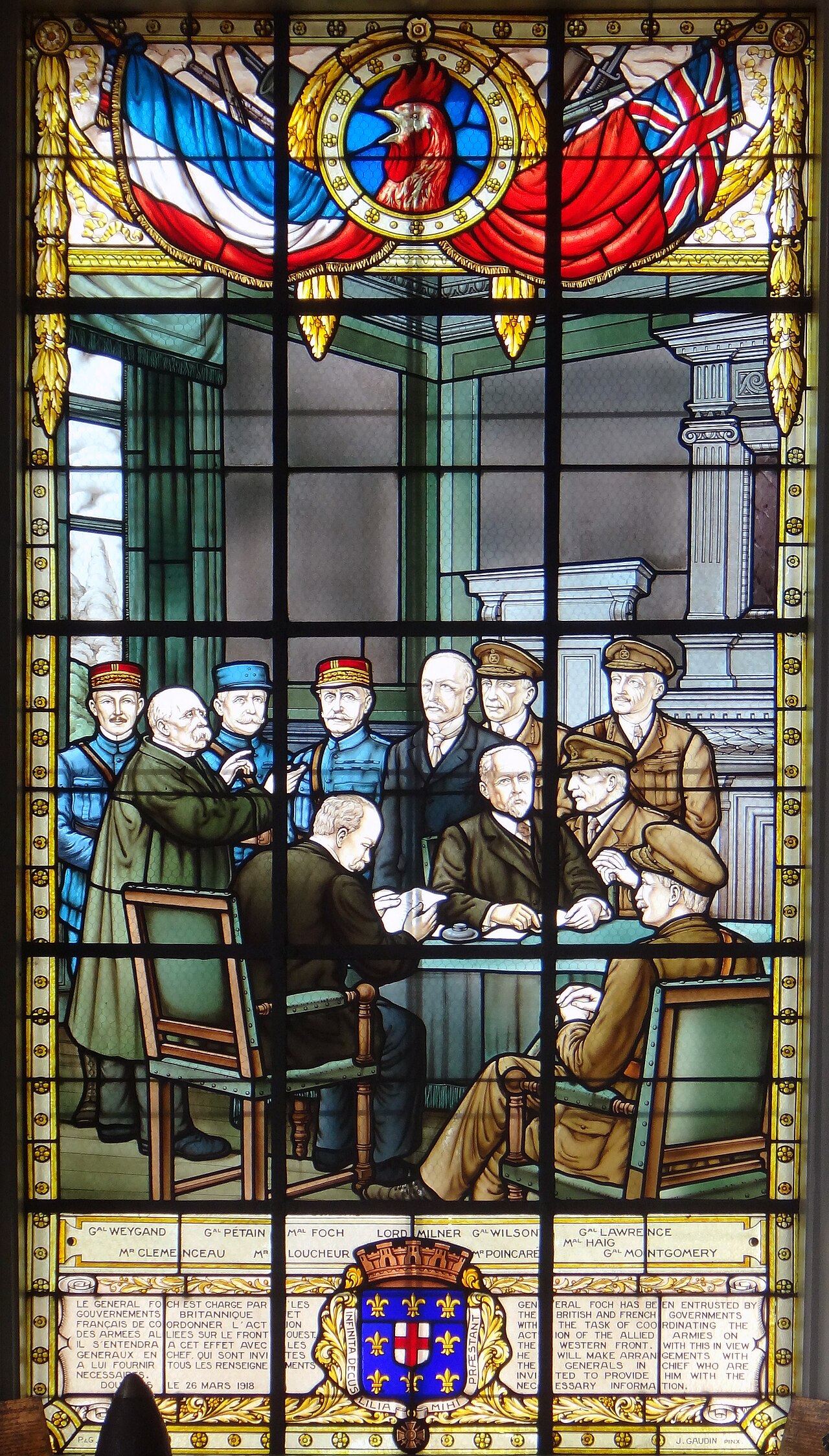
Doullens Conference
26 March 1918
 Artifact
Primary source
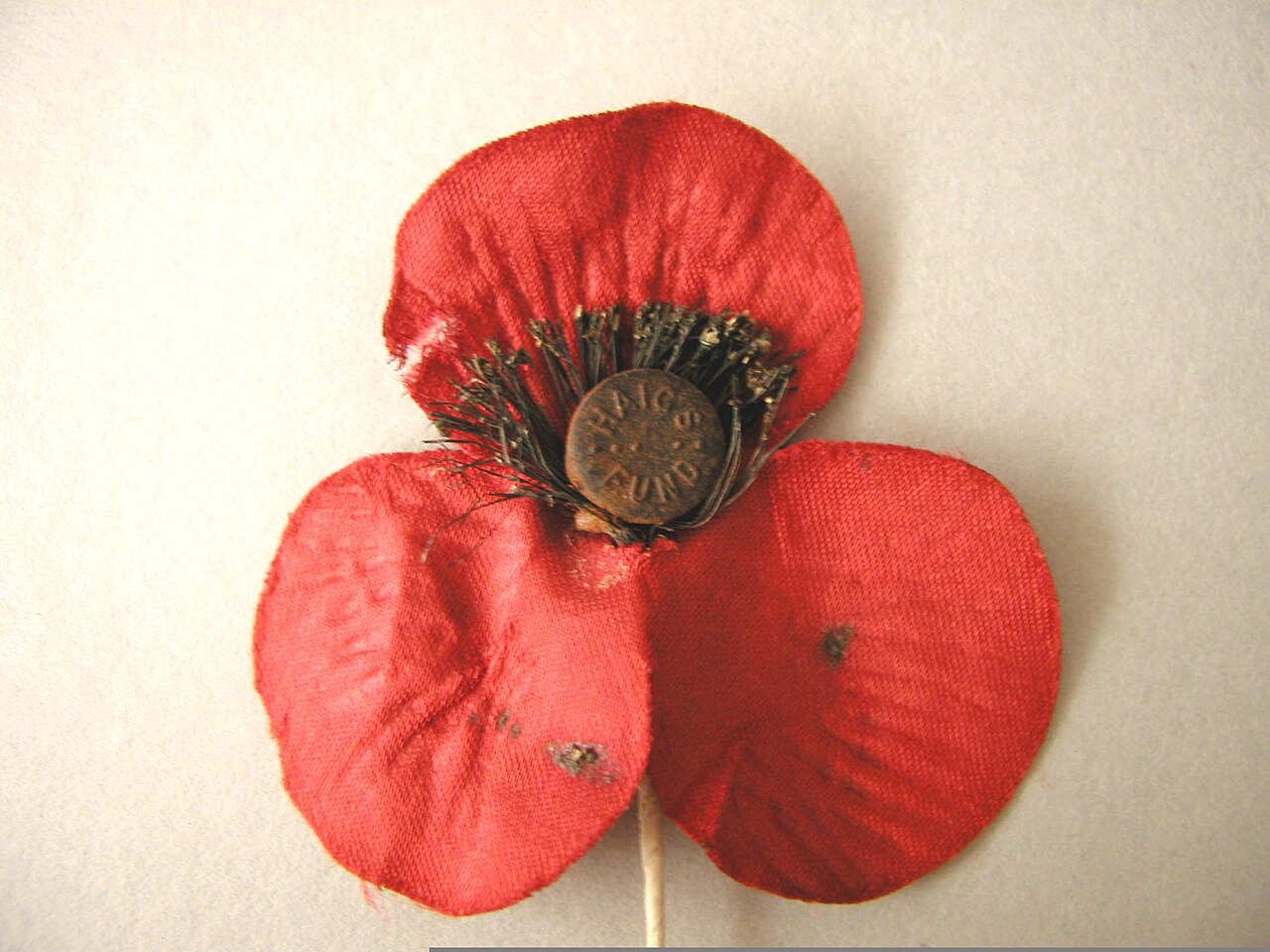
Haig Fund remembrance poppy
1921-1928
Ready when you are
Start chatting with Field Marshal Douglas Haig now.
20 messages free · No credit card · Available in 50+ languages.