


Secondary sourcePaintingc. 1634
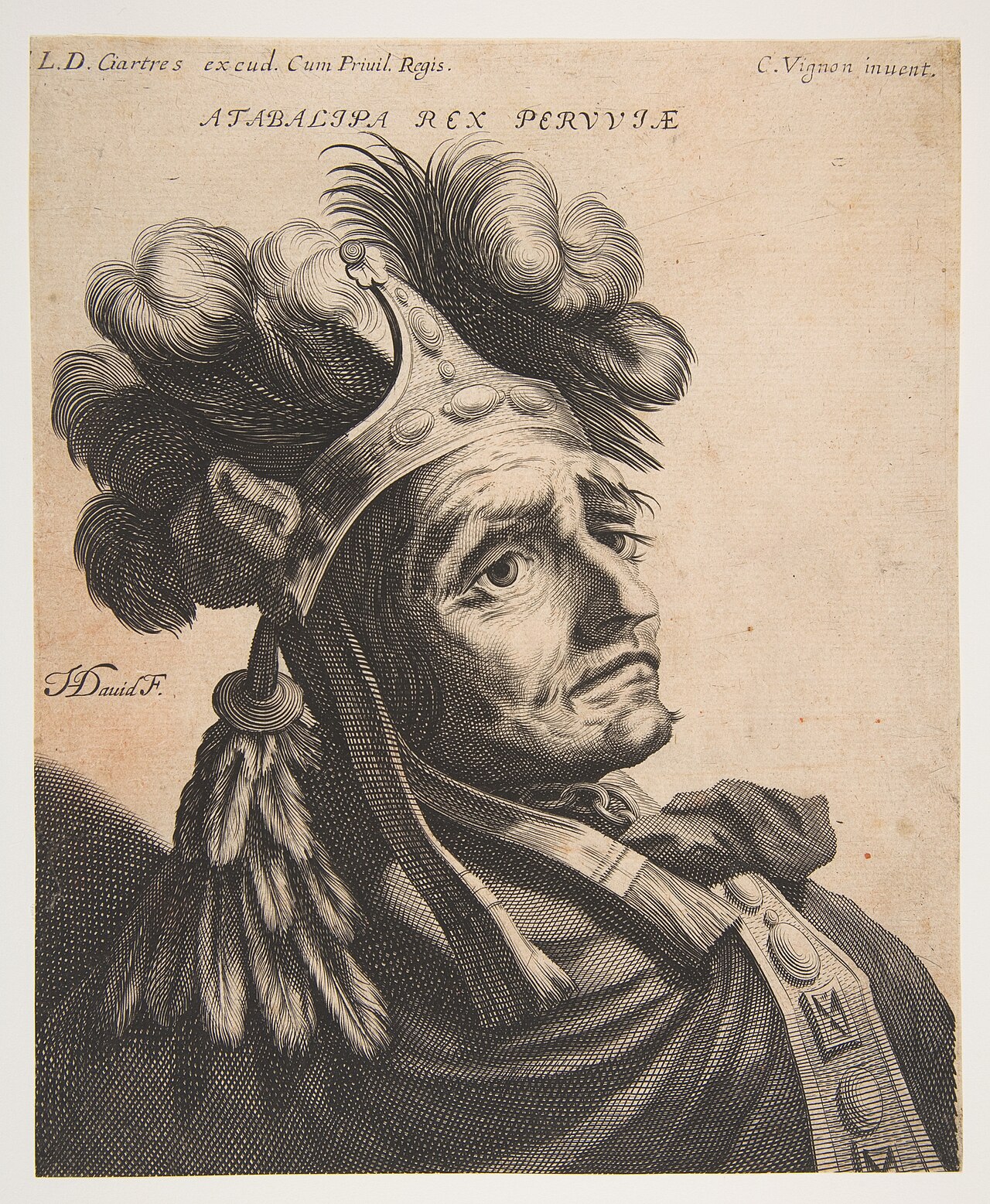
Atabalipa, Roi du Perou
Jérôme David, after Claude Vignon · c. 1634
A 1634 engraved print imagining Atahualpa as a sorrowful crowned king, made a century after his death.
An imagined, dramatic European portrait of Atahualpa made a century after his death.
About this source
What it is
This engraving, made around 1634 by Jérôme David after a painting by Claude Vignon, shows a bearded man wearing an elaborate feathered headdress with a jeweled crown band, labeled in Latin as ATABALIPA REX PERVVIAE, meaning Atahualpa, King of Peru.
Why it matters
Created about a century after Atahualpa's death, this print is not a real likeness but an imagined European portrait. It reflects how European printmakers and artists like Vignon and David pictured faraway rulers, often adding dramatic or sorrowful expressions for effect.
Look closer
- Why does the man in the image look upward with a sorrowful expression—what might the artist want viewers to feel?
- What clues show this was made long after Atahualpa lived, and far from Peru?
- How does the Latin title shape the way European audiences might have understood Atahualpa's status?
This painting is part of the curated material that grounds the AI version of Atahualpa on Humy.ai — when students ask about related events, the AI can quote it and cite it.
More Atahualpa sources
Meet the AI Atahualpa →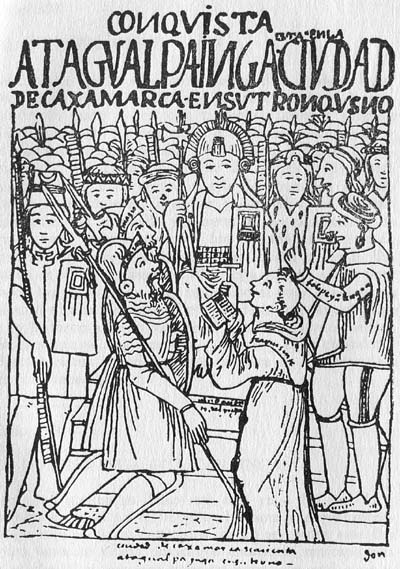 Painting
Secondary source
Atawallpa Pizarro tinkuy
Felipe Guaman Poma de Ayala · 1532 (depicted); drawing later
 Book
Primary source
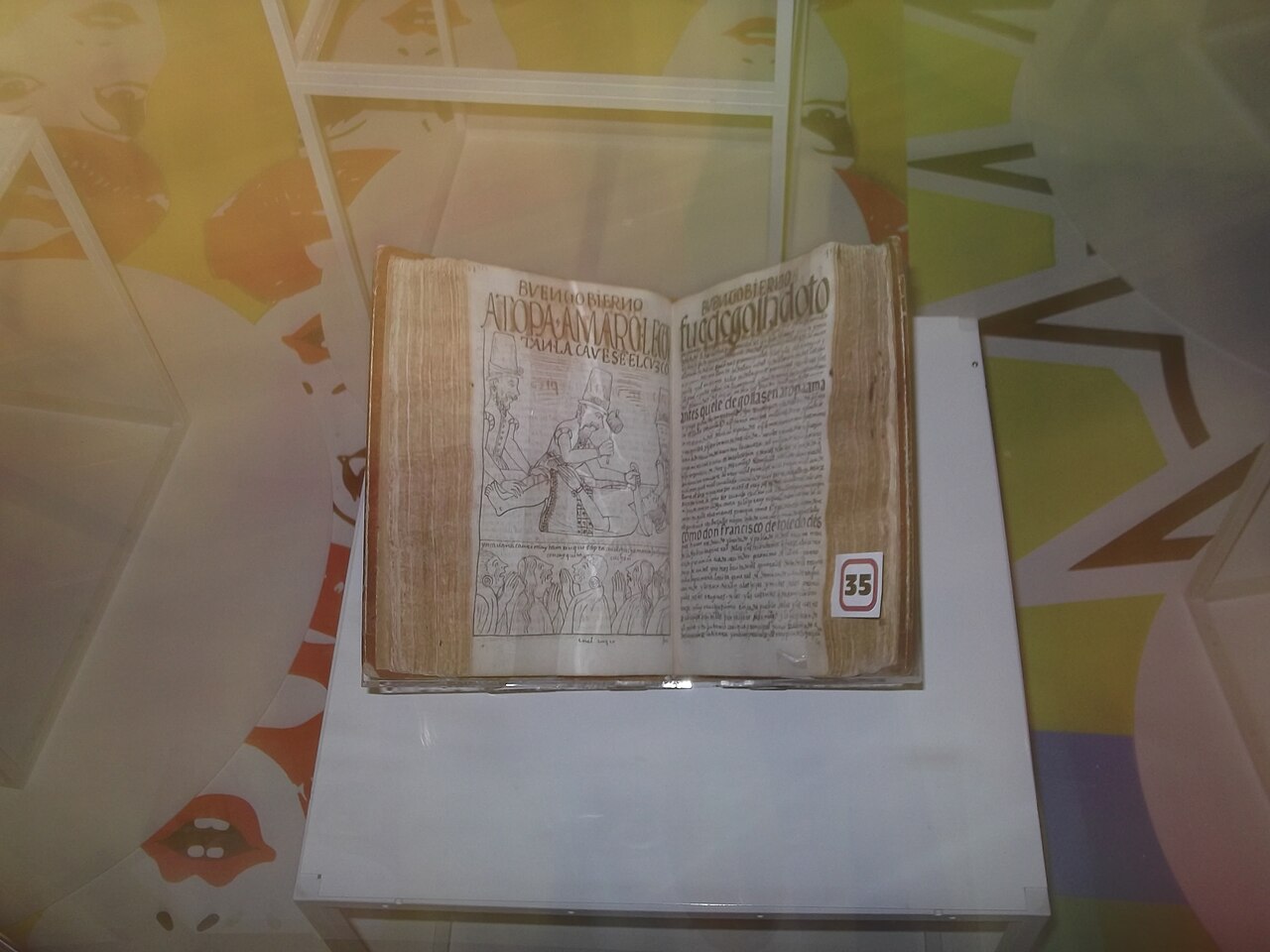
El primer nueva corónica y buen gobierno
Felipe Guaman Poma de Ayala · c. 1615
 Painting
Secondary source
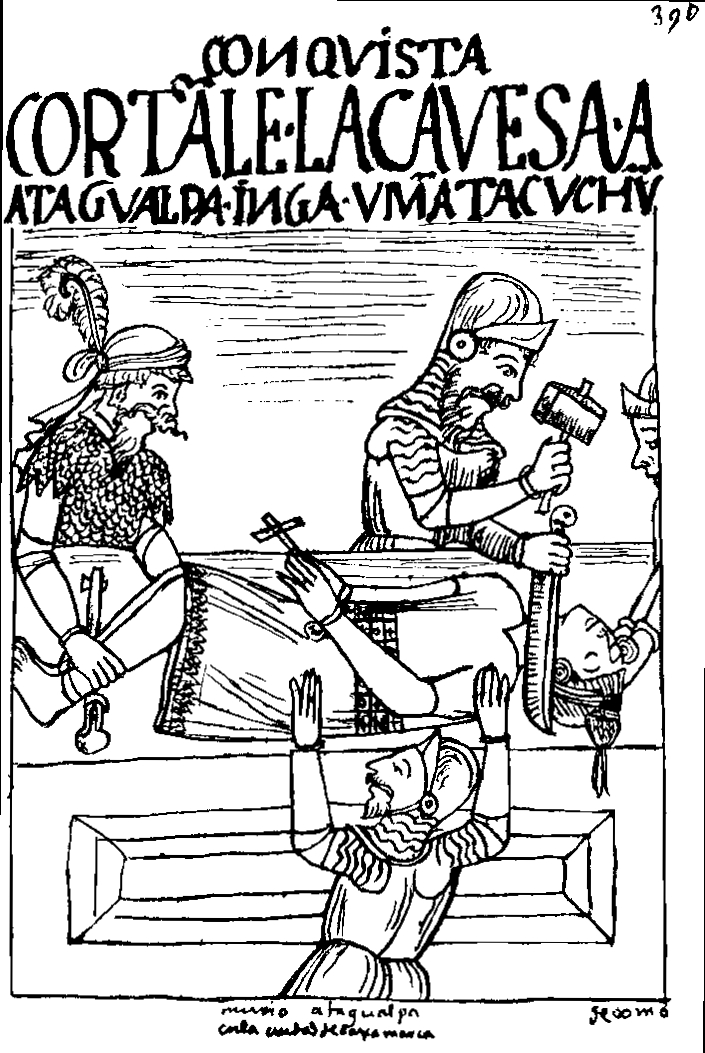
Muerte de Atagualpa Inca
Felipe Huaman Puma de Ayala · c. 1615
 Artifact
Secondary source
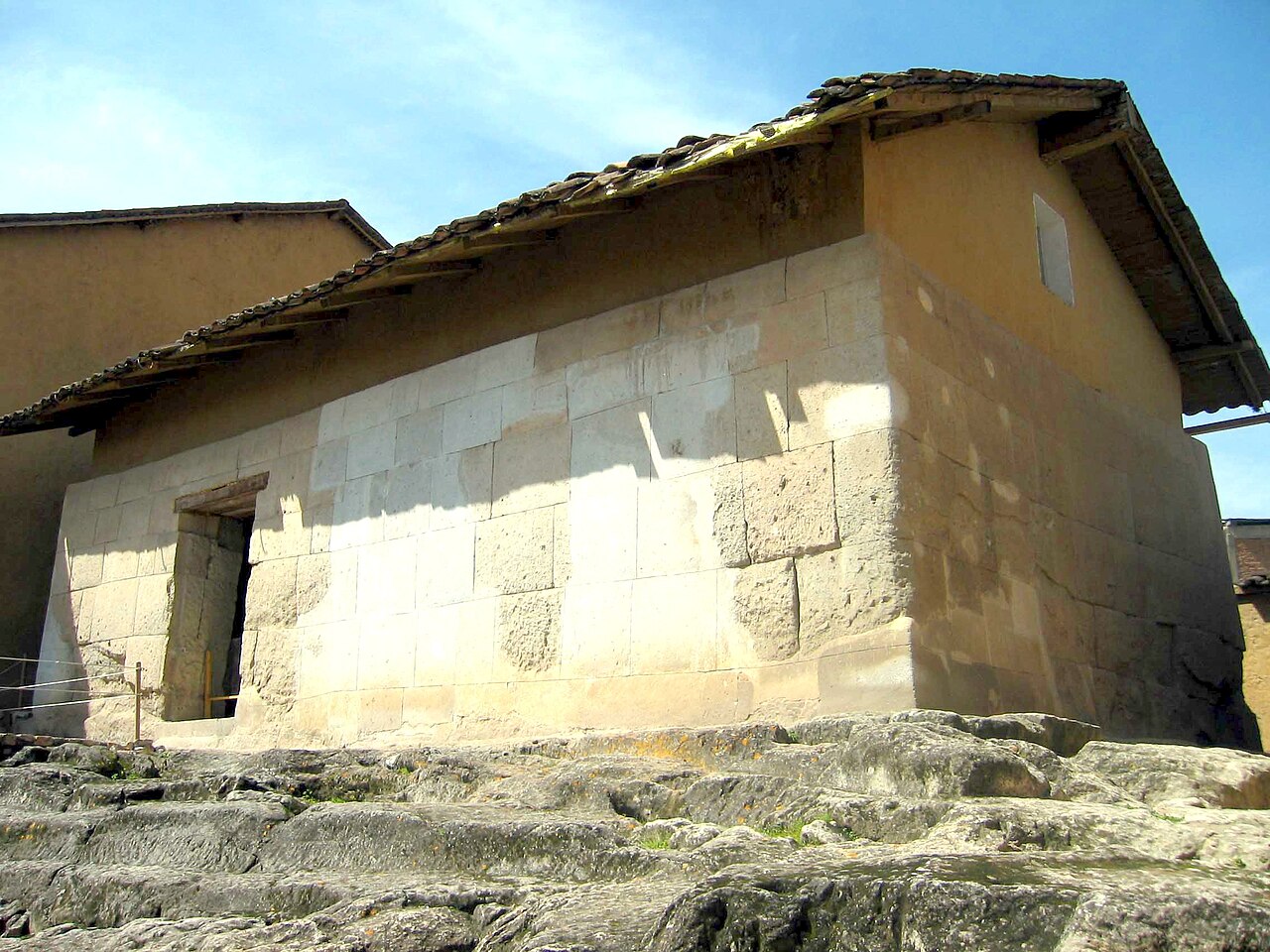
Ransom Room
Secondary source
Suma y Narración de los Incas
Juan de Betanzos · 1551
Ready when you are
Start chatting with Atahualpa now.
20 messages free · No credit card · Available in 50+ languages.