


Primary sourcePainting1796
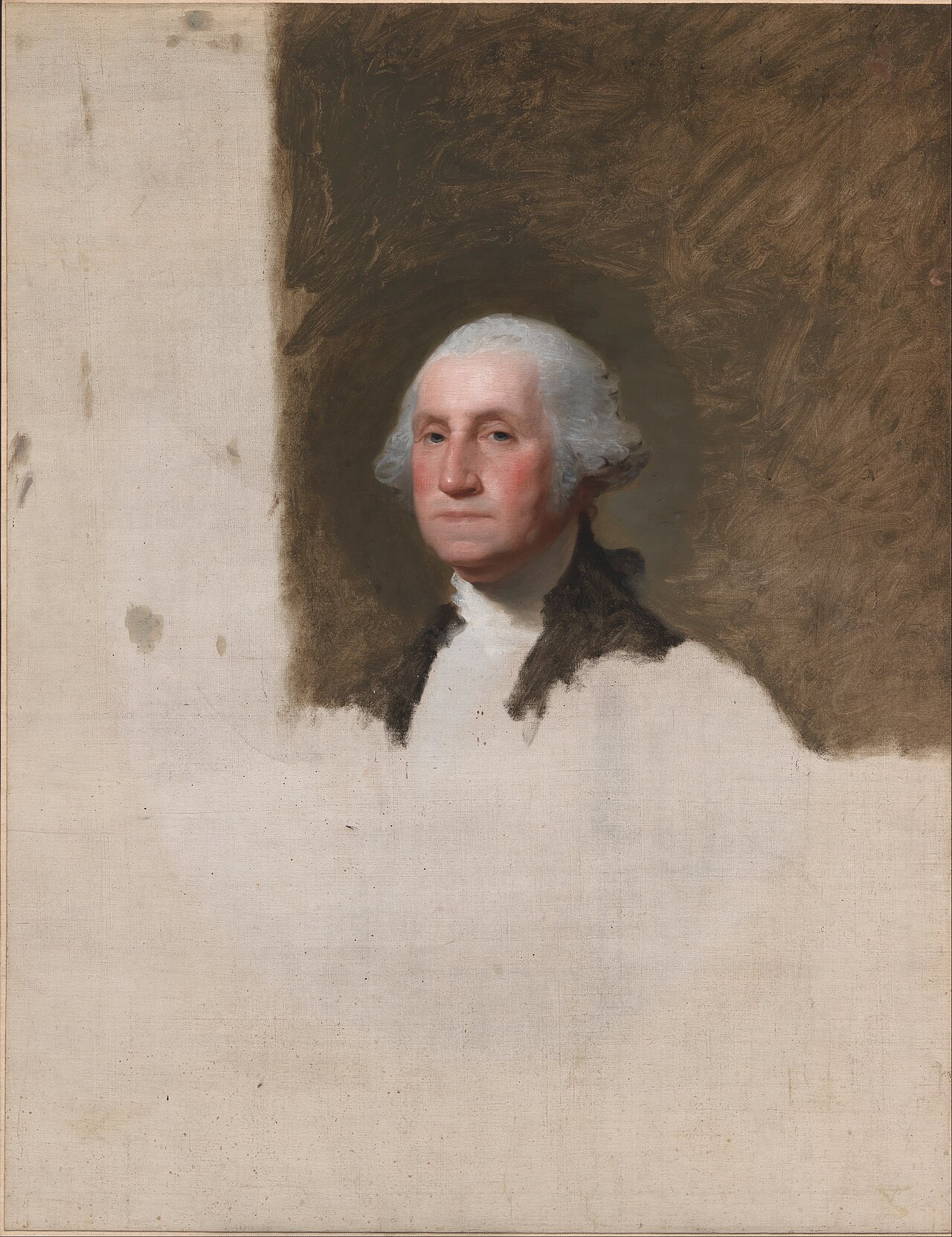
Athenaeum Portrait
Gilbert Stuart · 1796
An unfinished 1796 painting of George Washington by Gilbert Stuart, the model for his image on the one-dollar bill.
This is a life portrait of Washington painted in 1796, now the iconic image used on American currency.
About this source
What it is
An unfinished oil painting by Gilbert Stuart, begun in 1796, showing only Washington's head and neck against a plain brown background. It is Stuart's most famous work and now shares time between the Museum of Fine Arts, Boston, and the National Portrait Gallery.
Why it matters
Stuart never delivered the painting to Washington; instead he kept it to make copies, which he sold for profit after Washington's death. It became the basis for the engraving used on the one-dollar bill, making it perhaps the most reproduced image of Washington ever made.
Look closer
- Why do you think the artist left most of the canvas unfinished?
- What might explain why this image became so widely copied and used on money?
- What can you tell about Washington's age and status just from his face and clothing?
This painting is part of the curated material that grounds the AI version of George Washington on Humy.ai — when students ask about related events, the AI can quote it and cite it.
More George Washington sources
Meet the AI George Washington →Primary source
To John Augustine Washington, 18 July 1755
George Washington · 18 July 1755
Primary source
General Orders, 9 July 1776
George Washington · 9 July 1776
Primary source
Circular to the States
George Washington · 8 June 1783
 Painting
Primary source
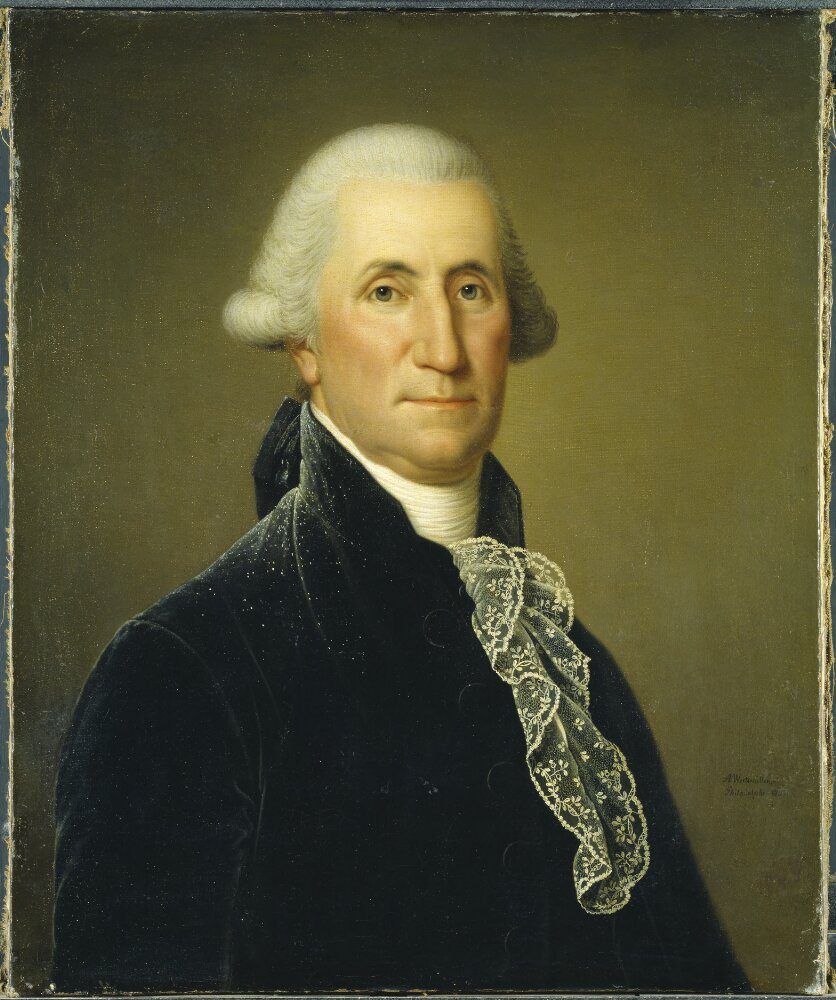
Portrait of George Washington by Wertmüller
Adolf Ulrik Wertmüller · 1795
 Speech
Primary source
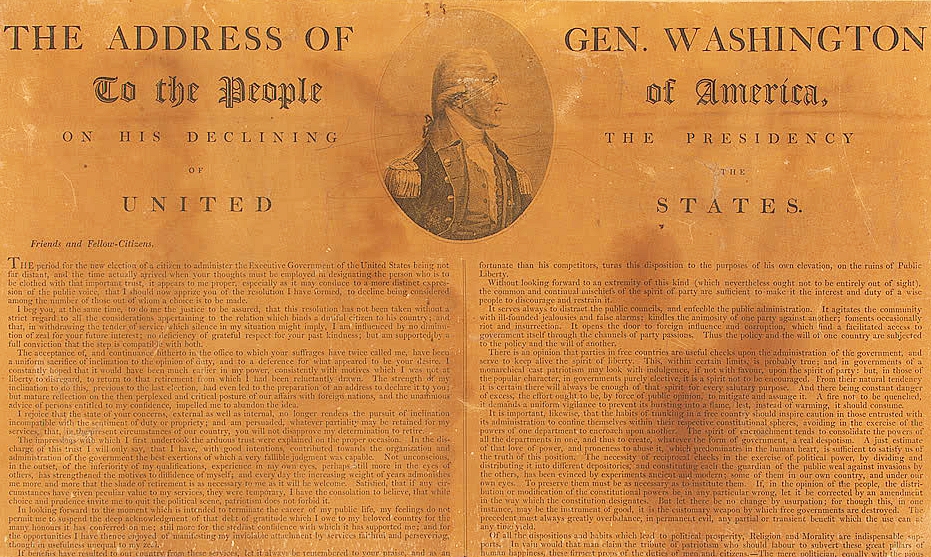
George Washington's Farewell Address
George Washington · 19 September 1796
Ready when you are
Start chatting with George Washington now.
20 messages free · No credit card · Available in 50+ languages.