


Primary sourceDocument1524
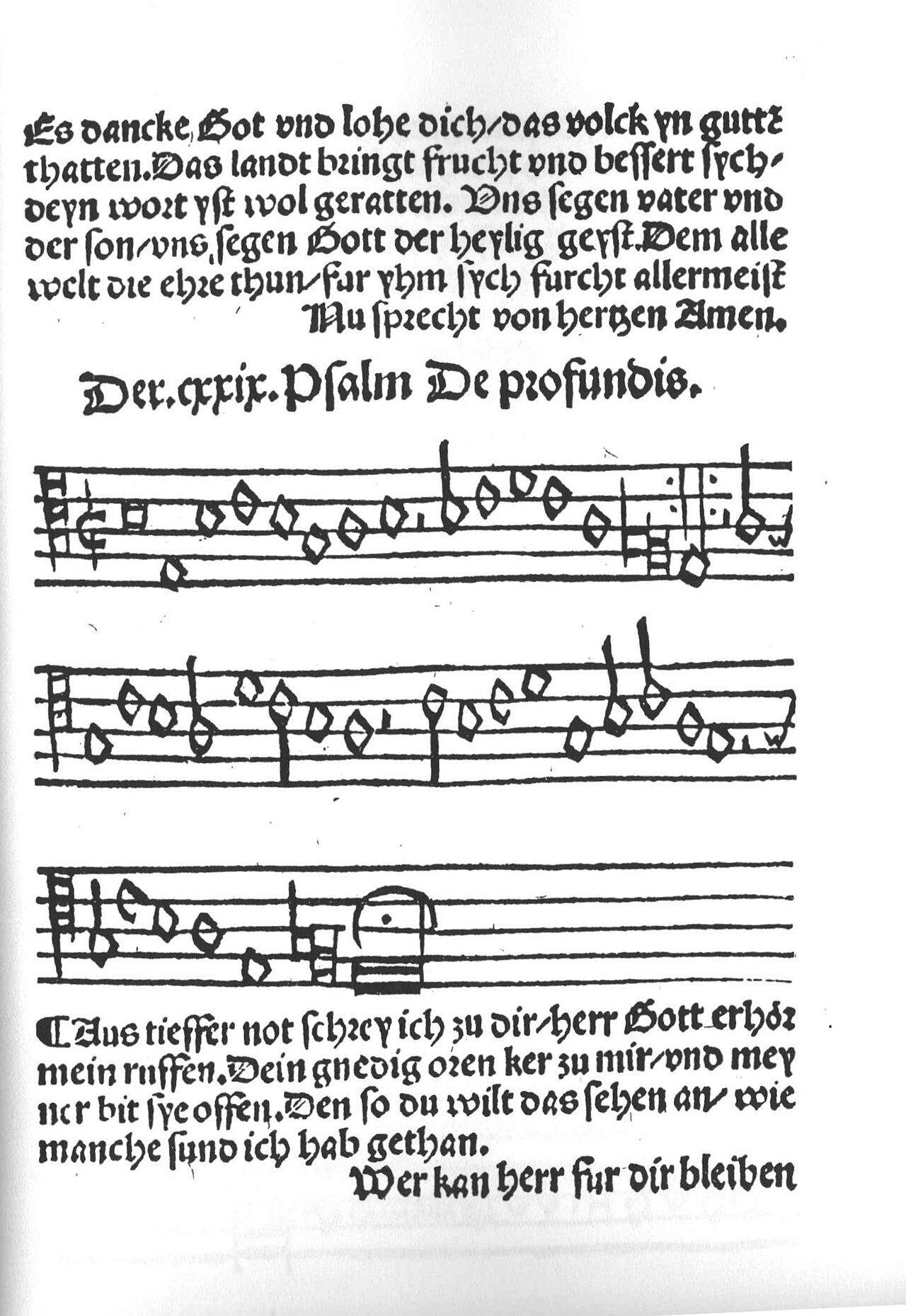
Aus tiefer Not schrei ich zu dir
Martin Luther · 1524
Martin Luther's 1524 hymn paraphrasing Psalm 130, expressing the Reformation idea of grace alone.
Luther wrote this hymn's text himself, using it to spread Reformation teaching in a singable, popular form.
About this source
What it is
"Aus tiefer Not schrei ich zu dir" ("Out of the depths I cry to thee") is a Lutheran hymn written by Martin Luther in 1524 as a German paraphrase of Psalm 130. It was first published that year in the Achtliederbuch, the first Lutheran hymnal, and also appeared in the Erfurt Enchiridion and in Eyn geystlich Gesangk Buchleyn.
Why it matters
The hymn expresses core Reformation teaching, the idea of grace alone, in a form ordinary people could sing. It was used widely in Lutheran worship and at funerals, including Luther's own, and later inspired composers such as Johann Sebastian Bach, Felix Mendelssohn, and Max Reger. It shows how Luther used poetry and music, not just theology in prose, to spread his ideas.
Look closer
- Why might turning a psalm into a singable hymn help spread religious ideas among ordinary people?
- What does the fact that this hymn was sung at Luther's own funeral suggest about its importance to him?
- How might translating a hymn like this into other languages change how it is understood?
This document is part of the curated material that grounds the AI version of Martin Luther on Humy.ai — when students ask about related events, the AI can quote it and cite it.
More Martin Luther sources
Meet the AI Martin Luther →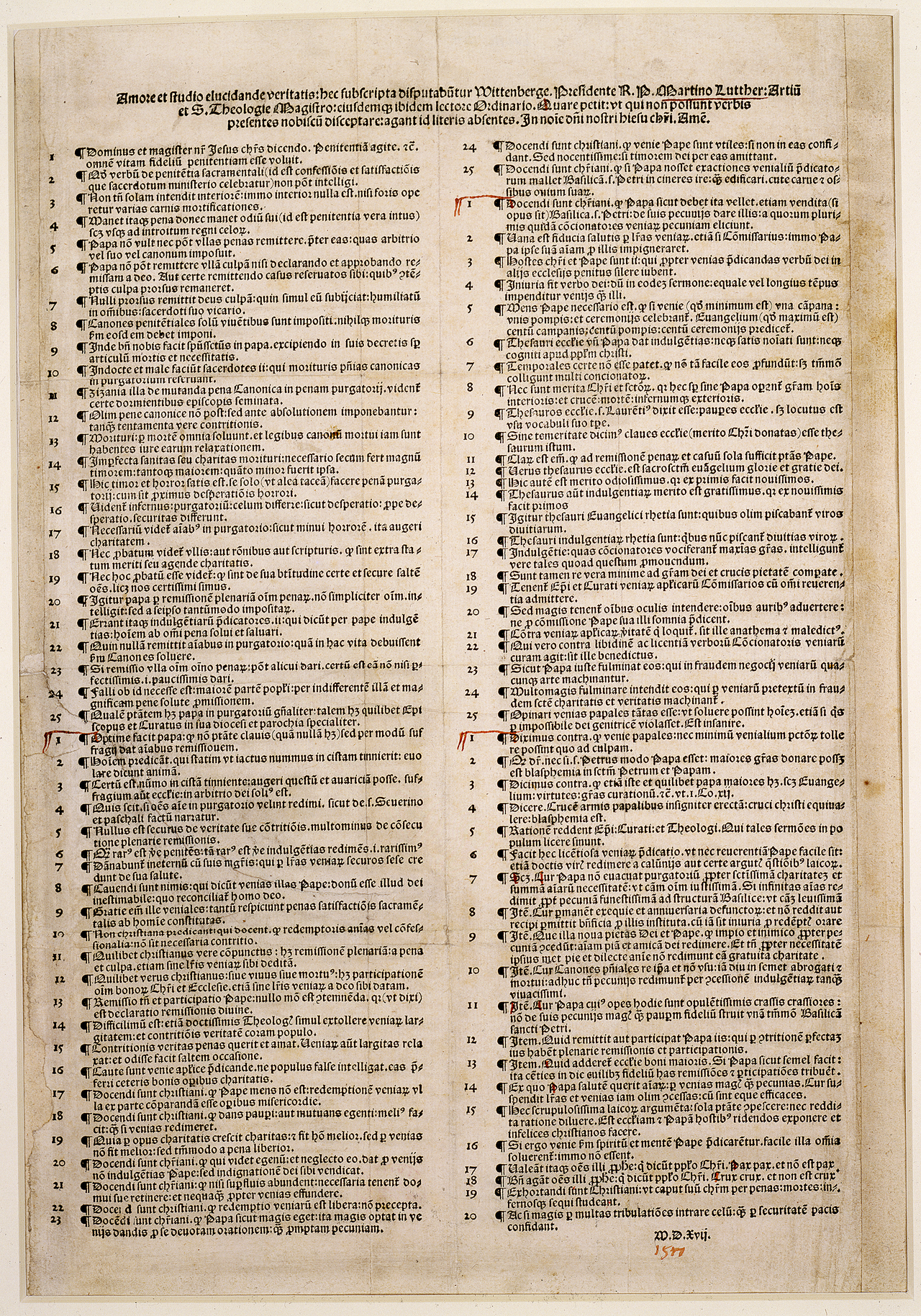 Document
Primary source
Ninety-five Theses
Martin Luther · 1517
 Painting
Secondary source
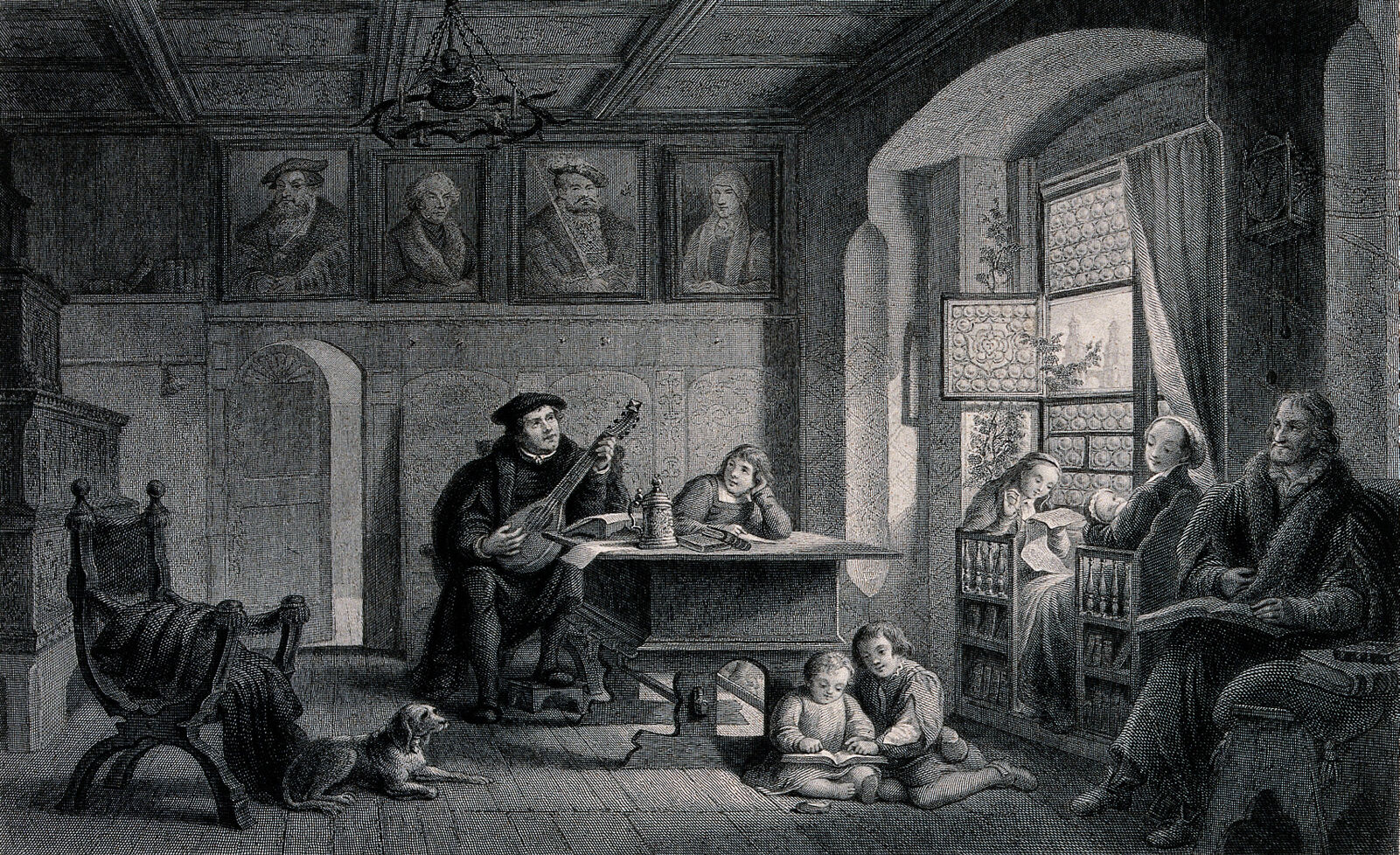
Domestic Life of Martin Luther at Wittenberg
Pierre-Antoine Labouchère (design); J. D. Nargeot (engraving) · 1800-1899
 Painting
Primary source
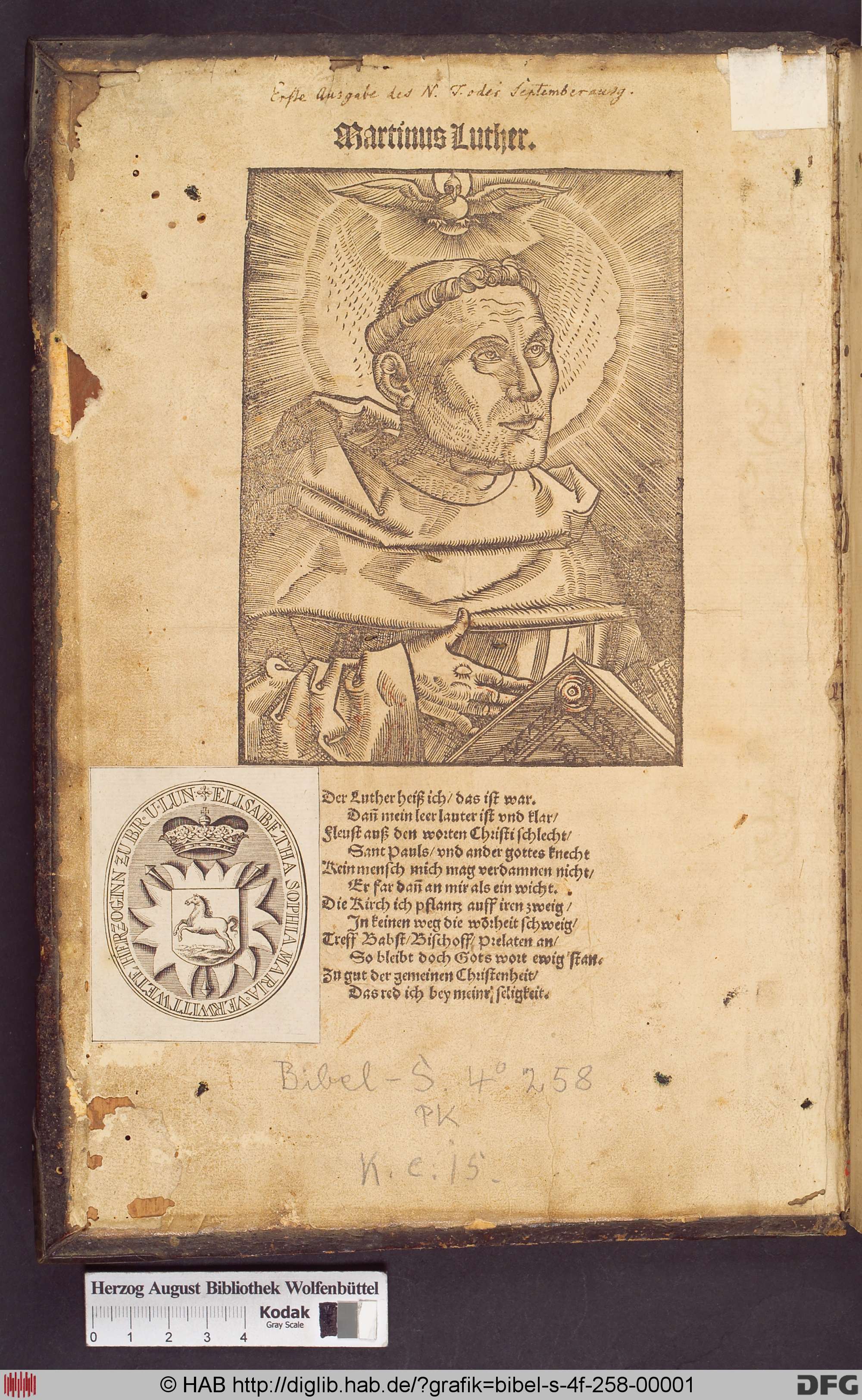
Martinus Luther Woodcut Portrait
Unbekannt (Formschneider)
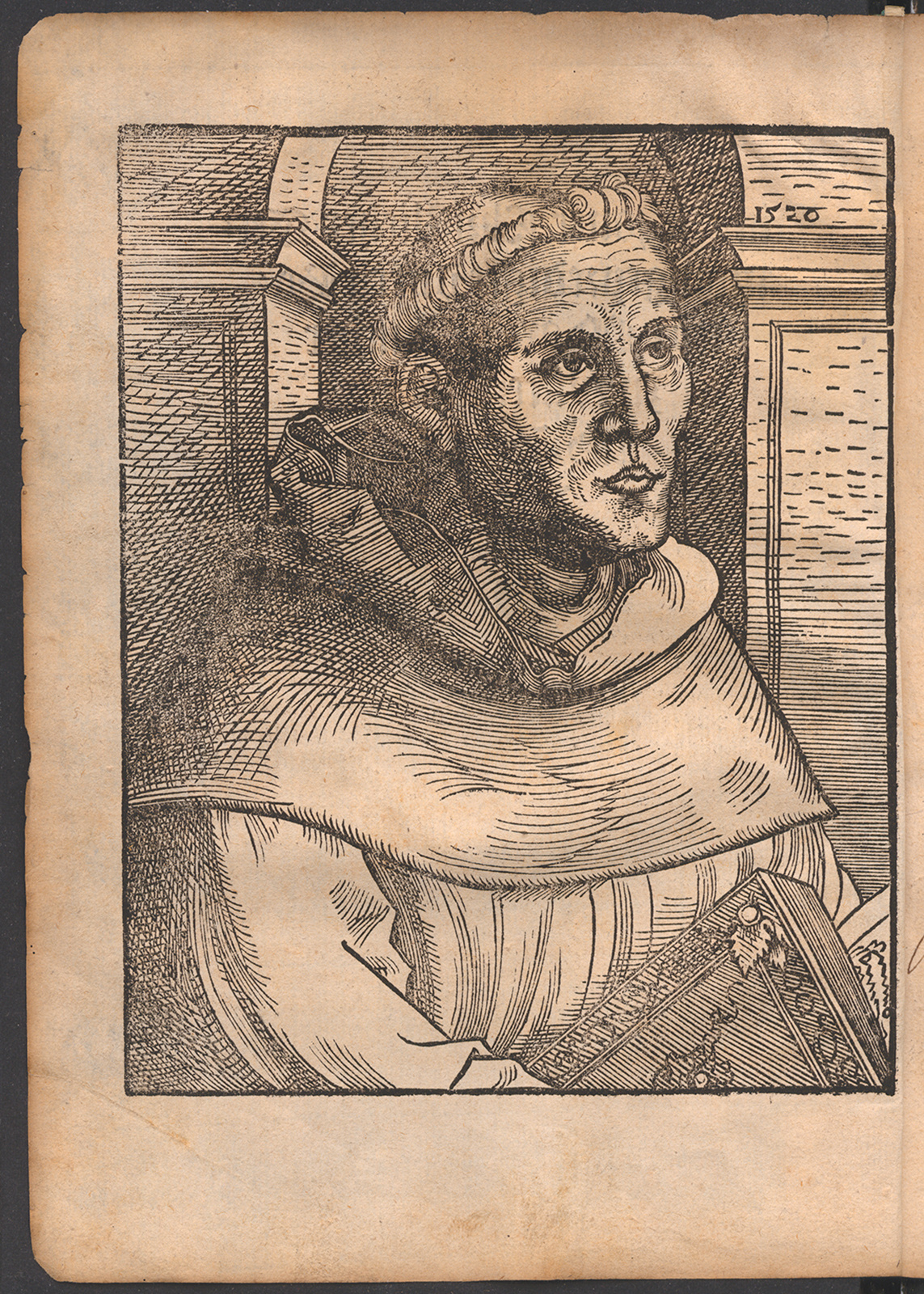 Painting
Primary source
Woodcut Portrait of Luther in Sermon Pamphlet
1523
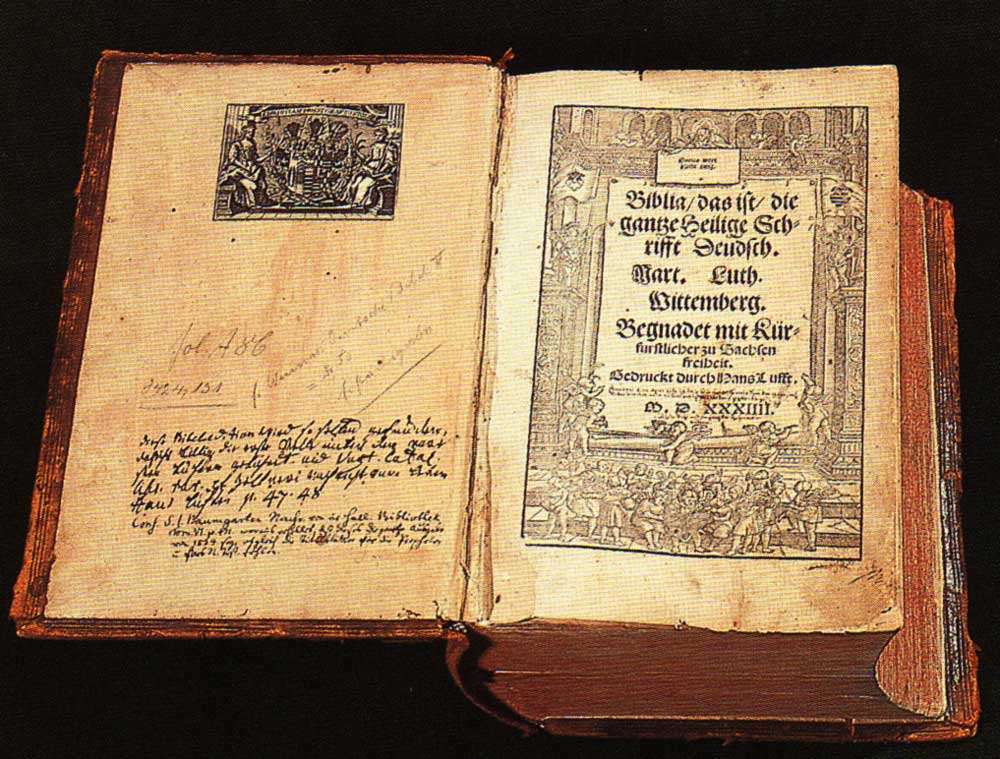 Book
Secondary source
Luther Bible
Martin Luther · 1534
Ready when you are
Start chatting with Martin Luther now.
20 messages free · No credit card · Available in 50+ languages.