


Primary sourceArtifact1832
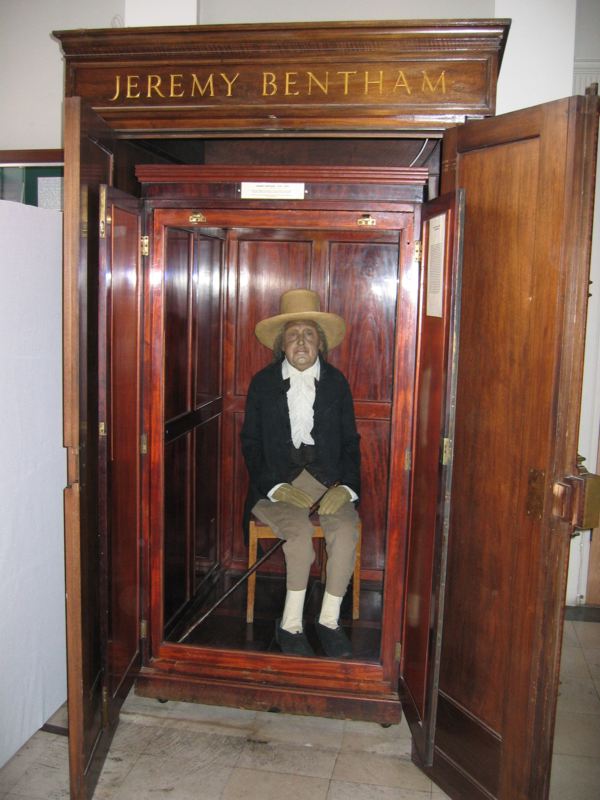
Auto-icon of Jeremy Bentham
Thomas Southwood Smith · 1832
Bentham's own preserved skeleton, dressed in his clothes and seated with his cane, kept at University College London according to his wishes.
Bentham's own body and clothing, preserved and displayed exactly as he instructed before his death.
About this source
What it is
This is the preserved skeleton of Jeremy Bentham, dressed in his own clothes and seated in a wooden display case, created in 1832 by Thomas Southwood Smith following Bentham's instructions. It is kept at University College London.
Why it matters
Bentham arranged for his body to be preserved and displayed after death, a practice he called an 'auto-icon'. This reflects his belief that even the dead body could be put to useful purpose, in keeping with his utilitarian outlook that value should be judged by usefulness rather than tradition or custom. It is an unusual and direct example of a philosopher applying his own ideas to his own body.
Look closer
- Why might Bentham have wanted his body preserved and displayed rather than buried in the usual way?
- What does this choice tell you about how seriously Bentham took his own philosophy?
- How do you think people at the time might have reacted to this unusual request?
This artifact is part of the curated material that grounds the AI version of Jeremy Bentham on Humy.ai — when students ask about related events, the AI can quote it and cite it.
More Jeremy Bentham sources
Meet the AI Jeremy Bentham →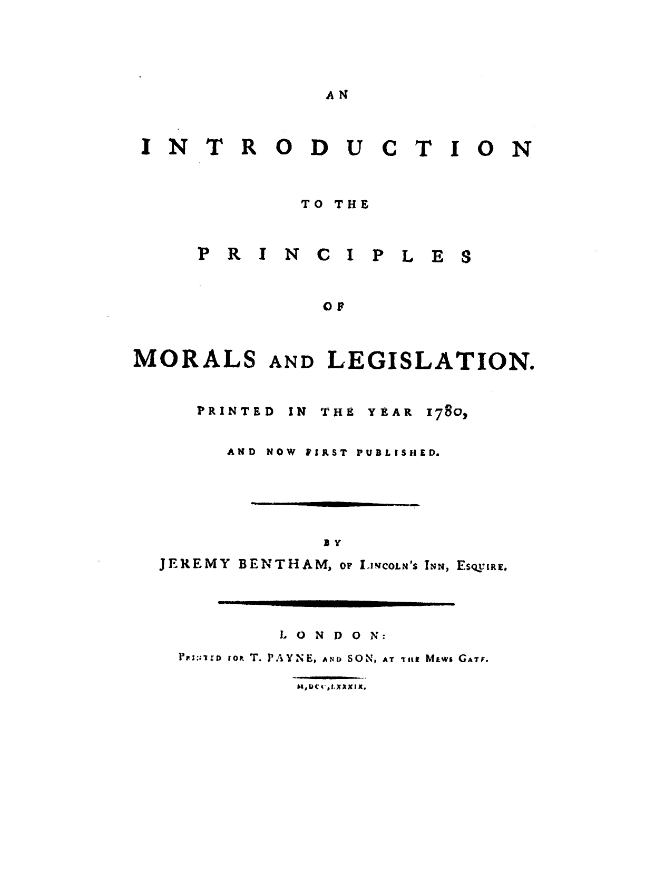 Book
Primary source
An Introduction to the Principles of Morals and Legislation
Jeremy Bentham · 1789 (printed 1780)
 Book
Primary source
Panopticon; or, The Inspection-House
Jeremy Bentham · 1791 (letters written 1787)
 Book
Primary source
A Fragment on Government
Jeremy Bentham · 1776
 Painting
Primary source
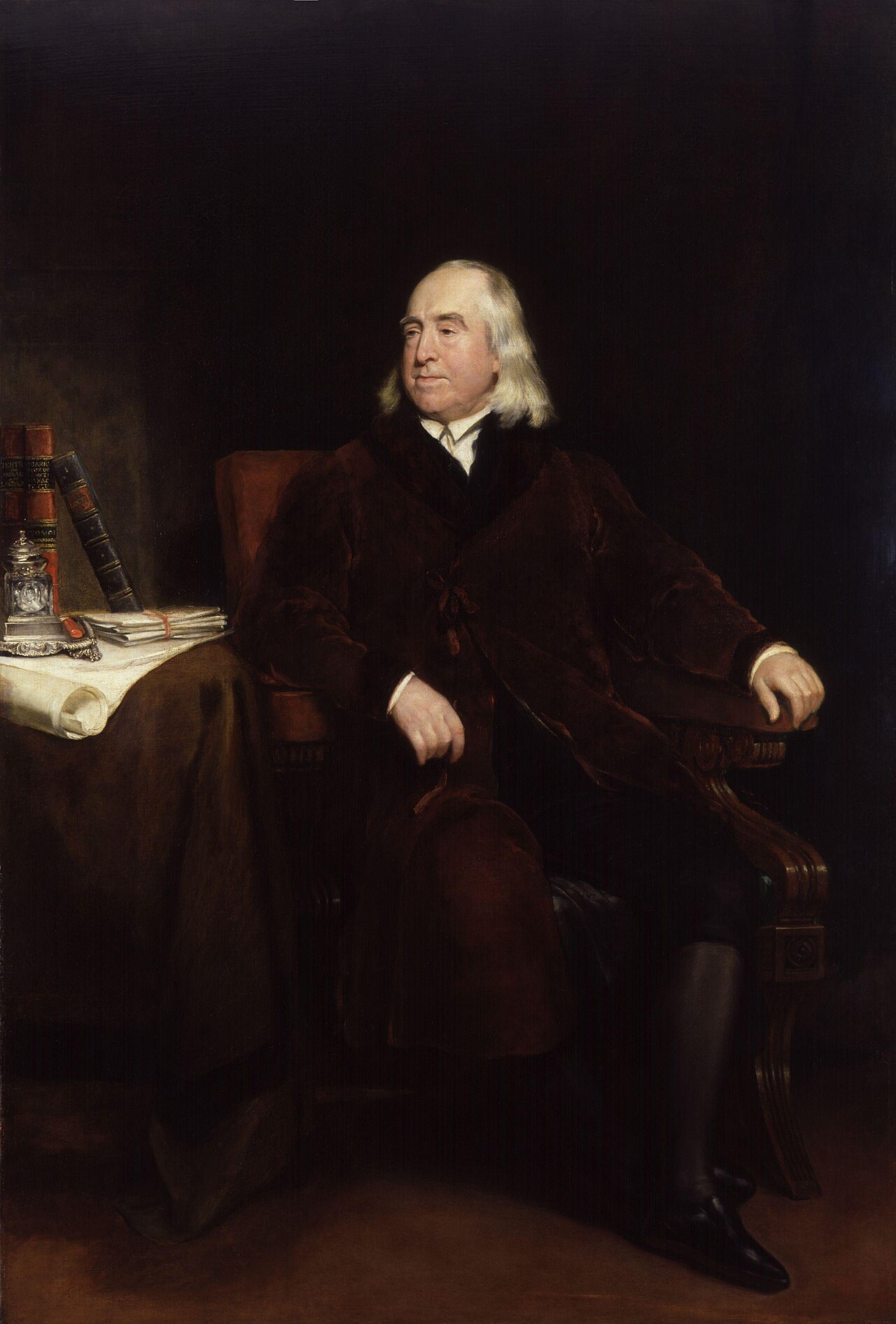
Jeremy Bentham
Henry William Pickersgill · c. 1829
 Sculpture
Primary source
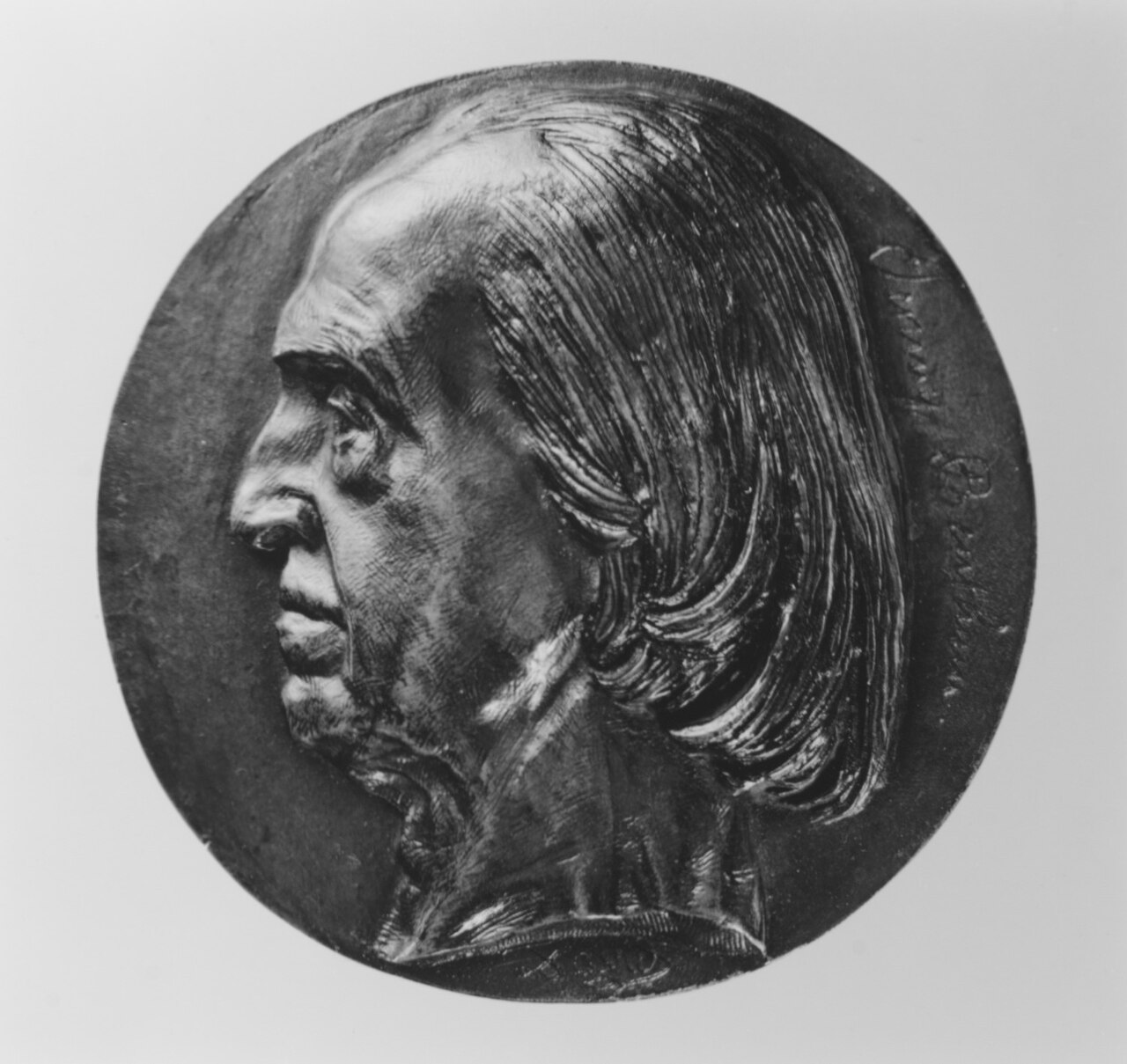
Jeremy Bentham Portrait Medallion
David d'Angers
Ready when you are
Start chatting with Jeremy Bentham now.
20 messages free · No credit card · Available in 50+ languages.