


Secondary sourcePainting1271
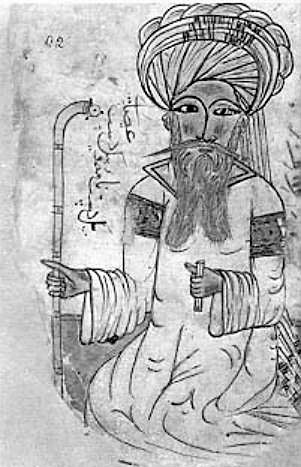
Avicenna (Subtilties of Truth manuscript image)
Beckwith · 1271
A 1271 manuscript drawing of Avicenna, among the earliest surviving images of him, showing how the medieval Islamic world pictured the scholar.
One of the earliest surviving images of Avicenna, showing how he was remembered and honoured generations after his death.
About this source
What it is
This drawing of Avicenna comes from a medieval manuscript titled 'Subtilties of Truth,' dated 1271, more than two centuries after his death. It shows a bearded man in a tall turban and long robe, holding objects in his hands, with Arabic script beside him.
Why it matters
As one of the earliest surviving depictions of Avicenna, this image shows how later generations imagined and honoured him as a scholar, long after his lifetime. It reflects his lasting reputation rather than his actual appearance, since no contemporary portrait is known.
Look closer
- Since this was made over 200 years after Avicenna died, what might it tell us more about than his real appearance?
- What do the clothing and objects he holds suggest about how scholars were imagined at the time?
- Why might an illustrator include Arabic script alongside the figure?
This painting is part of the curated material that grounds the AI version of Avicenna on Humy.ai — when students ask about related events, the AI can quote it and cite it.
More Avicenna sources
Meet the AI Avicenna →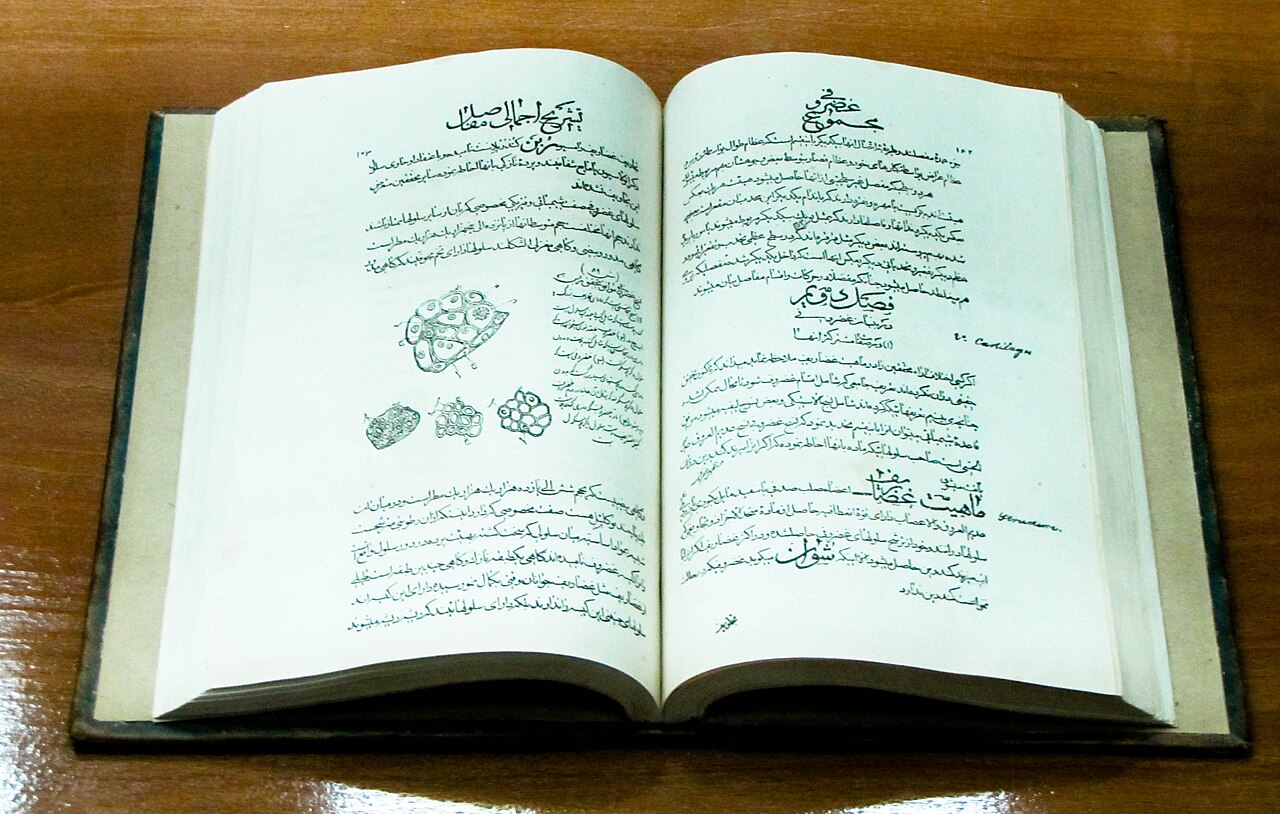 Book
Secondary source
Canon of Medicine
Avicenna · 1025
 Book
Primary source
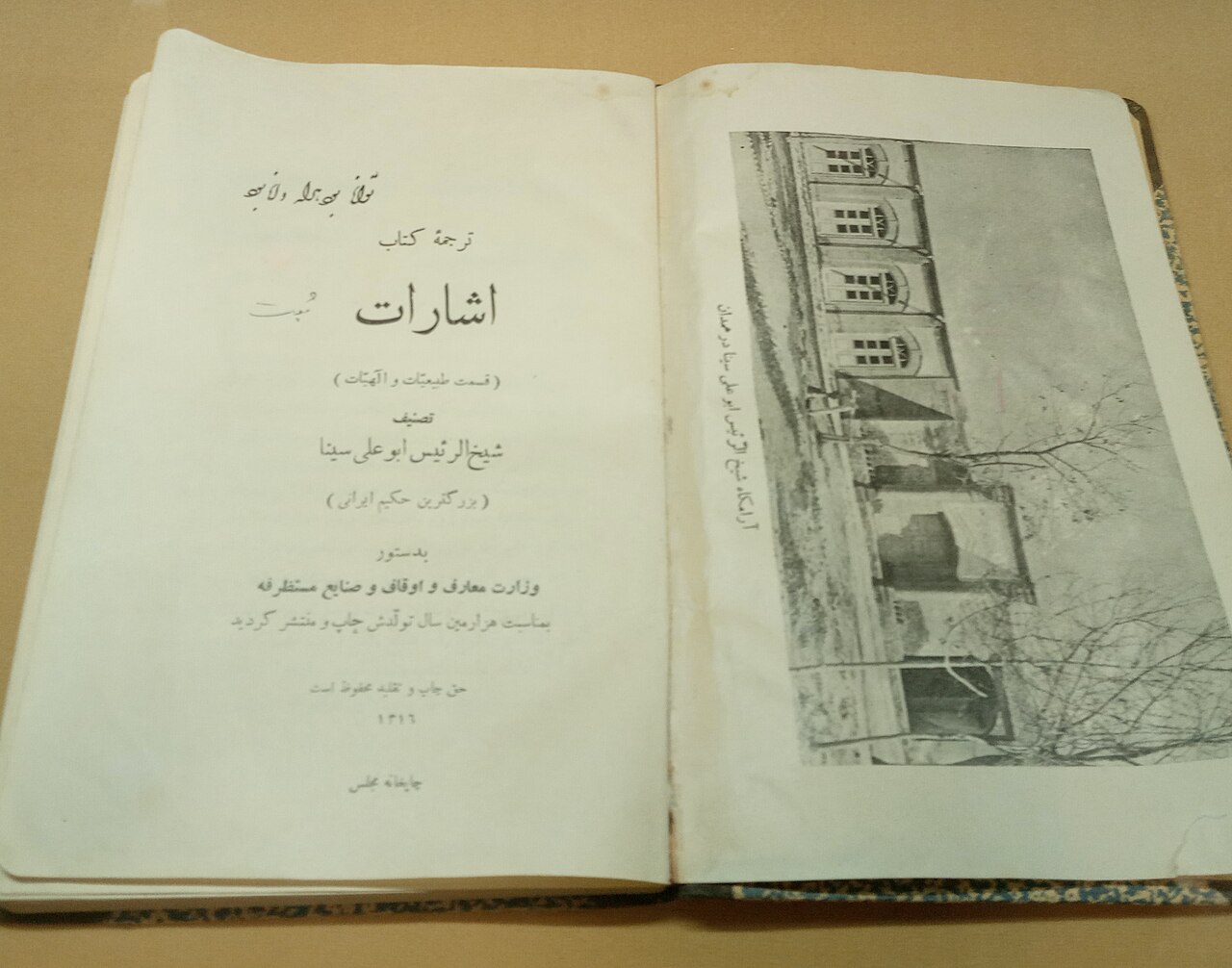
Al-Isharat wa al-Tanbihat
Avicenna
Secondary source
Commentary on Anatomy in Avicenna's Canon
Ibn al-Nafis · 13th century
 Painting
Secondary source
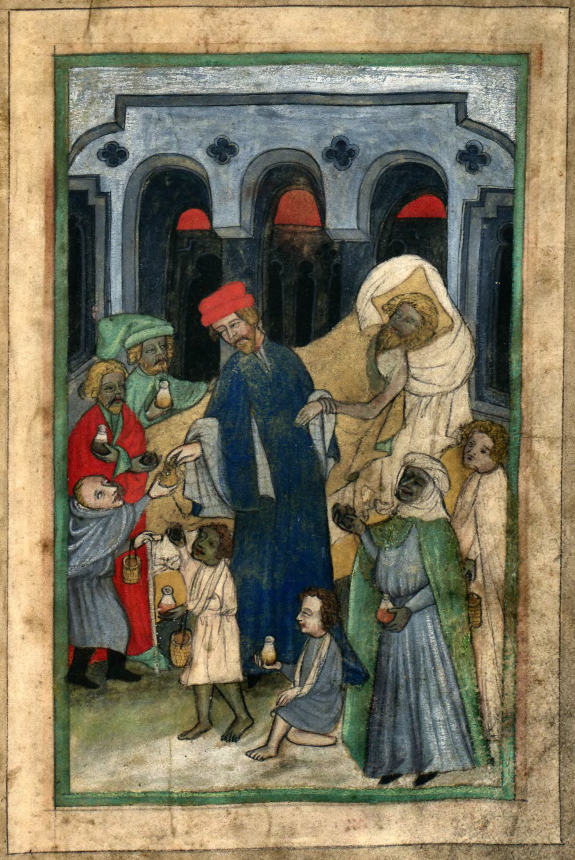
Avicenna at the Sickbed
Walenty z Pilzna · c. 1479-1480
 Book
Secondary source
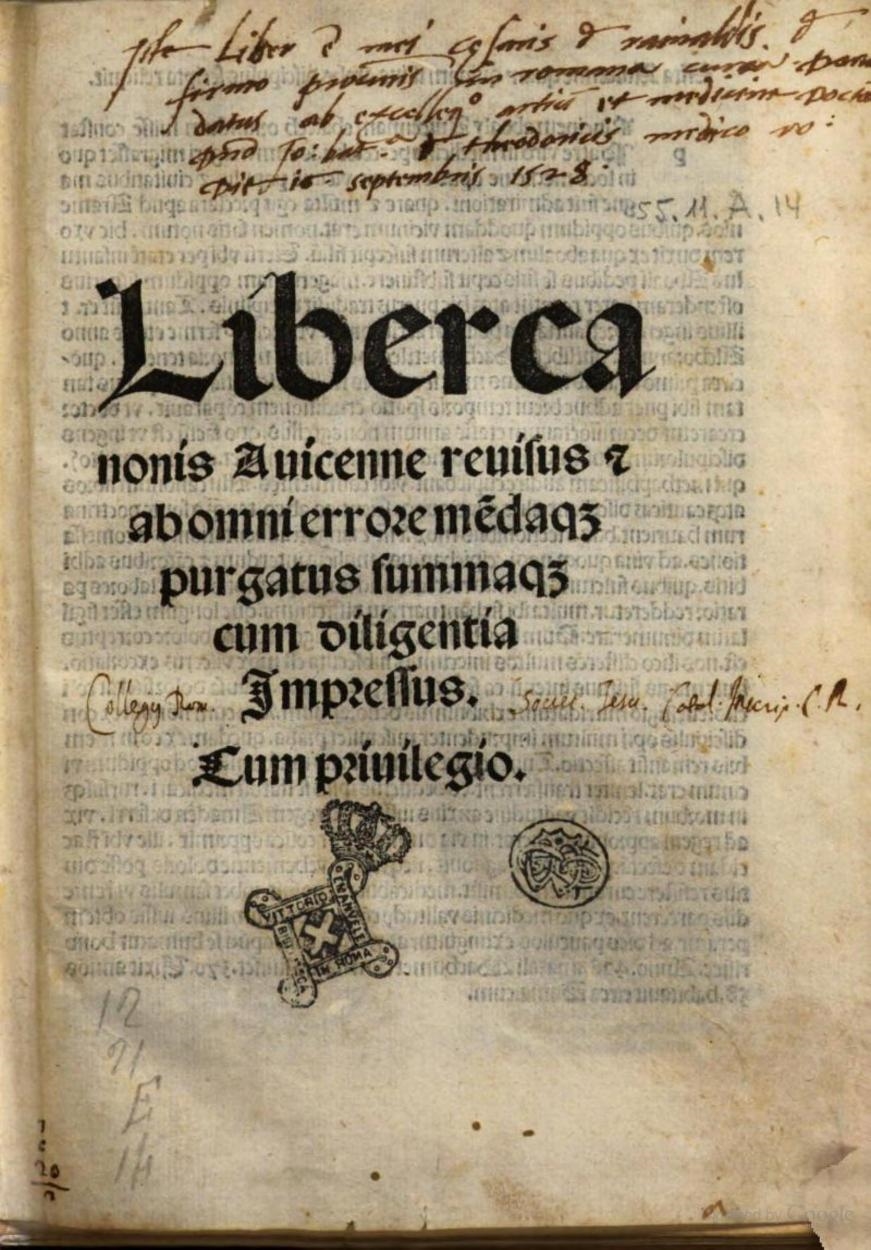
Canon Venice 1507 Title Page
Avicenna · 1507
Ready when you are
Start chatting with Avicenna now.
20 messages free · No credit card · Available in 50+ languages.