


Primary sourceArtifact
Bach's Calov Bible
Martin Luther; Abraham Calov; Johann Sebastian Bach
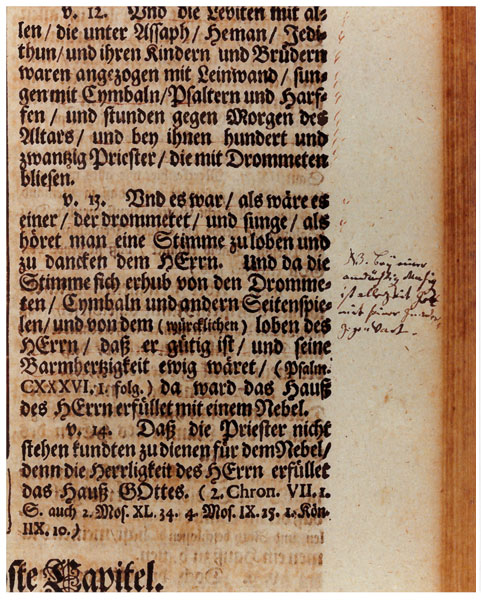
Bach's personal copy of the Calov Bible, annotated in his own hand, including a note on sacred music and God's presence.
Bach owned and personally annotated this Bible, leaving a handwritten note revealing his views on faith and music.
About this source
What it is
This is a page from the Calov Bible, a German Bible translation by Martin Luther with commentary by Abraham Calov, which was owned and annotated by Johann Sebastian Bach. Next to the text of 2 Chronicles 5, Bach wrote a marginal note stating that where devotional music is performed, God is always present with his grace.
Why it matters
This annotation is one of the clearest personal statements by Bach about his religious beliefs and how he understood the purpose of music. It connects his sacred compositions directly to his faith, showing that for Bach, music-making was itself an act of worship and a way to invite God's presence.
Look closer
- What does Bach's handwritten note tell you about why he composed so much religious music?
- Why might a composer's personal Bible be considered as historically valuable as his musical scores?
- What does the choice of this particular Bible passage, about music and worship, suggest about Bach's priorities?
This artifact is part of the curated material that grounds the AI version of Johann Sebastian Bach on Humy.ai — when students ask about related events, the AI can quote it and cite it.
More Johann Sebastian Bach sources
Meet the AI Johann Sebastian Bach →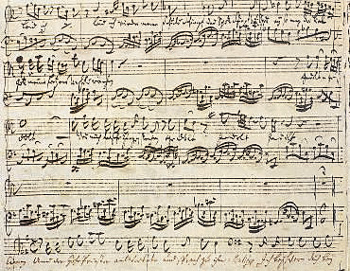 Book
Primary source
St Matthew Passion
Johann Sebastian Bach · 1727
 Book
Primary source
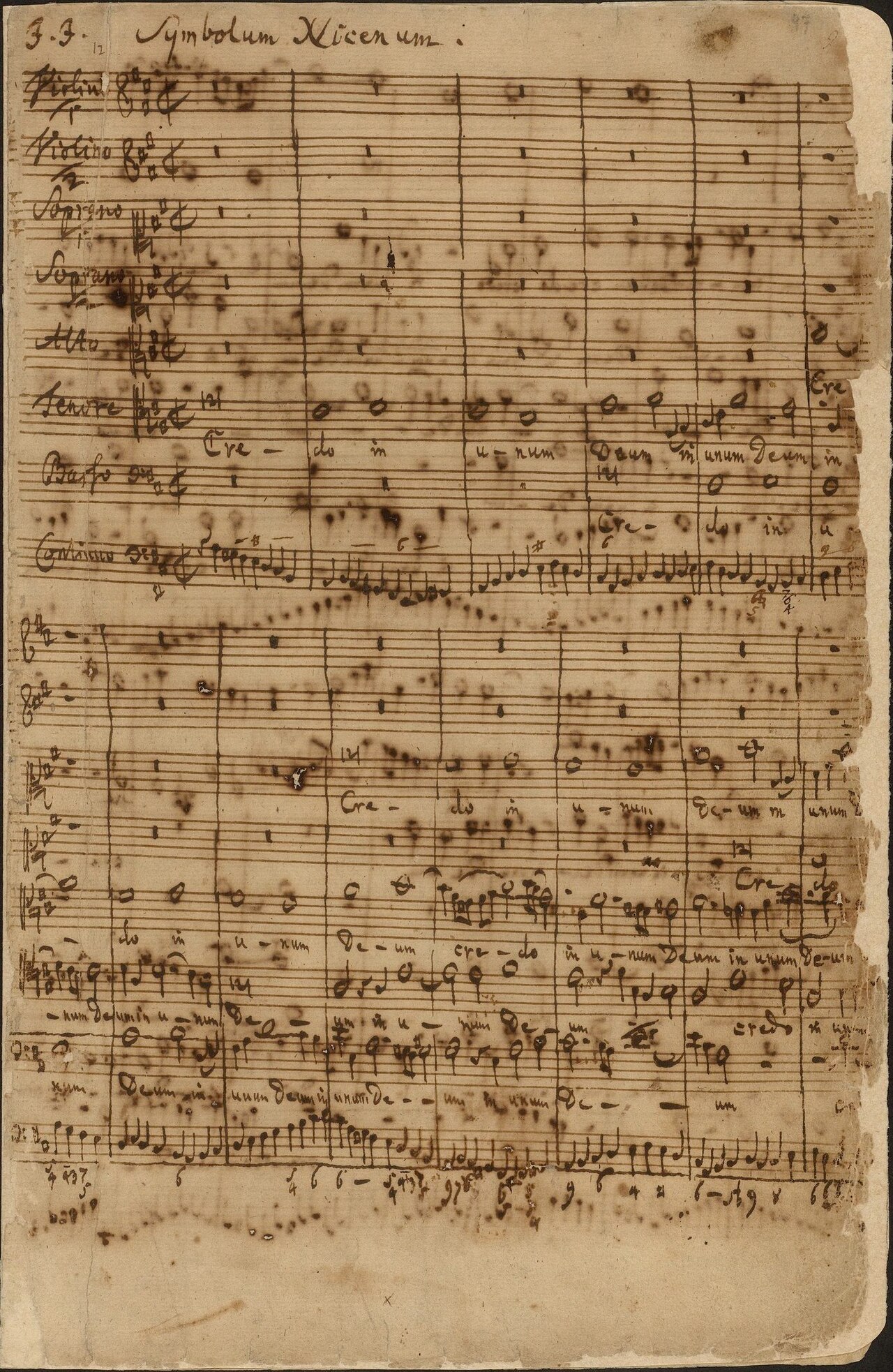
Mass in B minor
Johann Sebastian Bach · completed 1749
 Book
Primary source
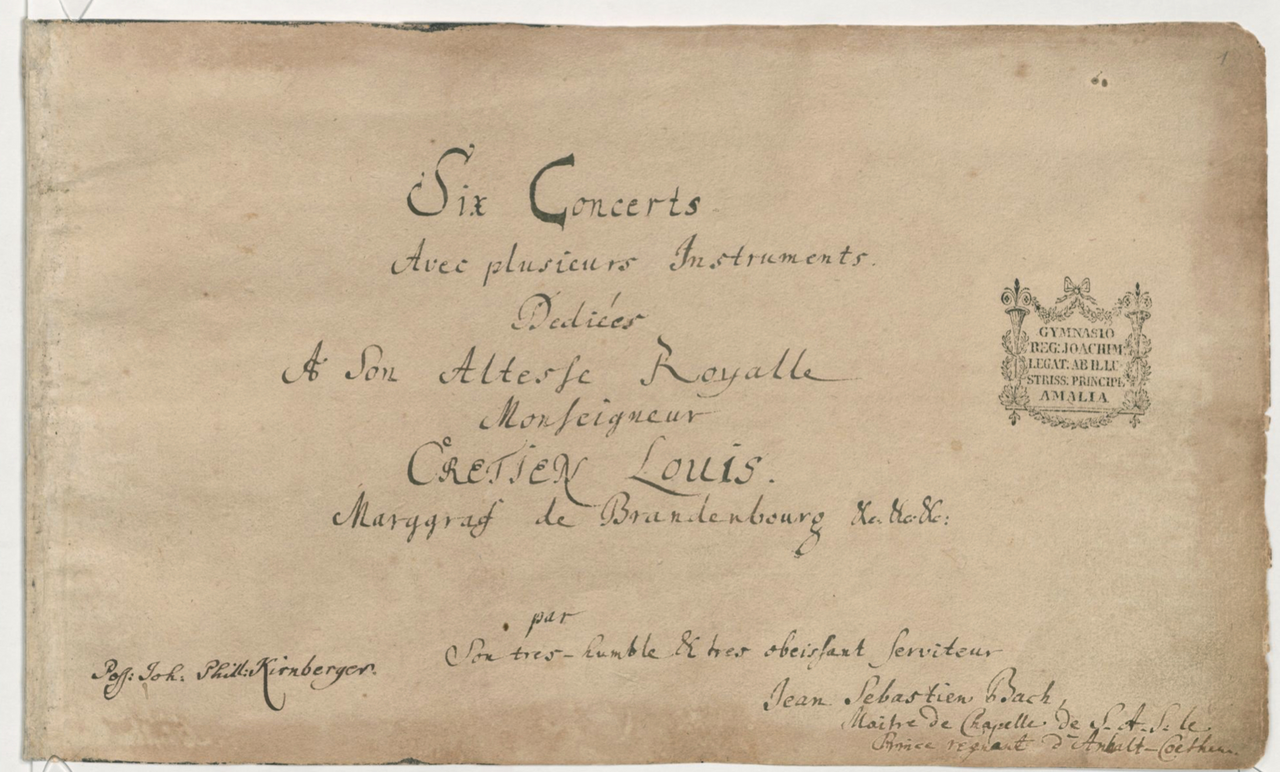
Brandenburg Concertos
Johann Sebastian Bach · 1721
 Book
Primary source
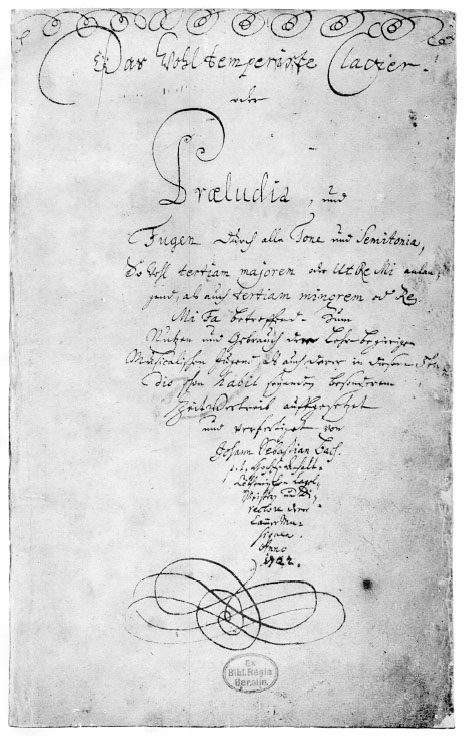
The Well-Tempered Clavier
Johann Sebastian Bach · 1722 (Book 1); 1742 (Book 2)
 Painting
Primary source
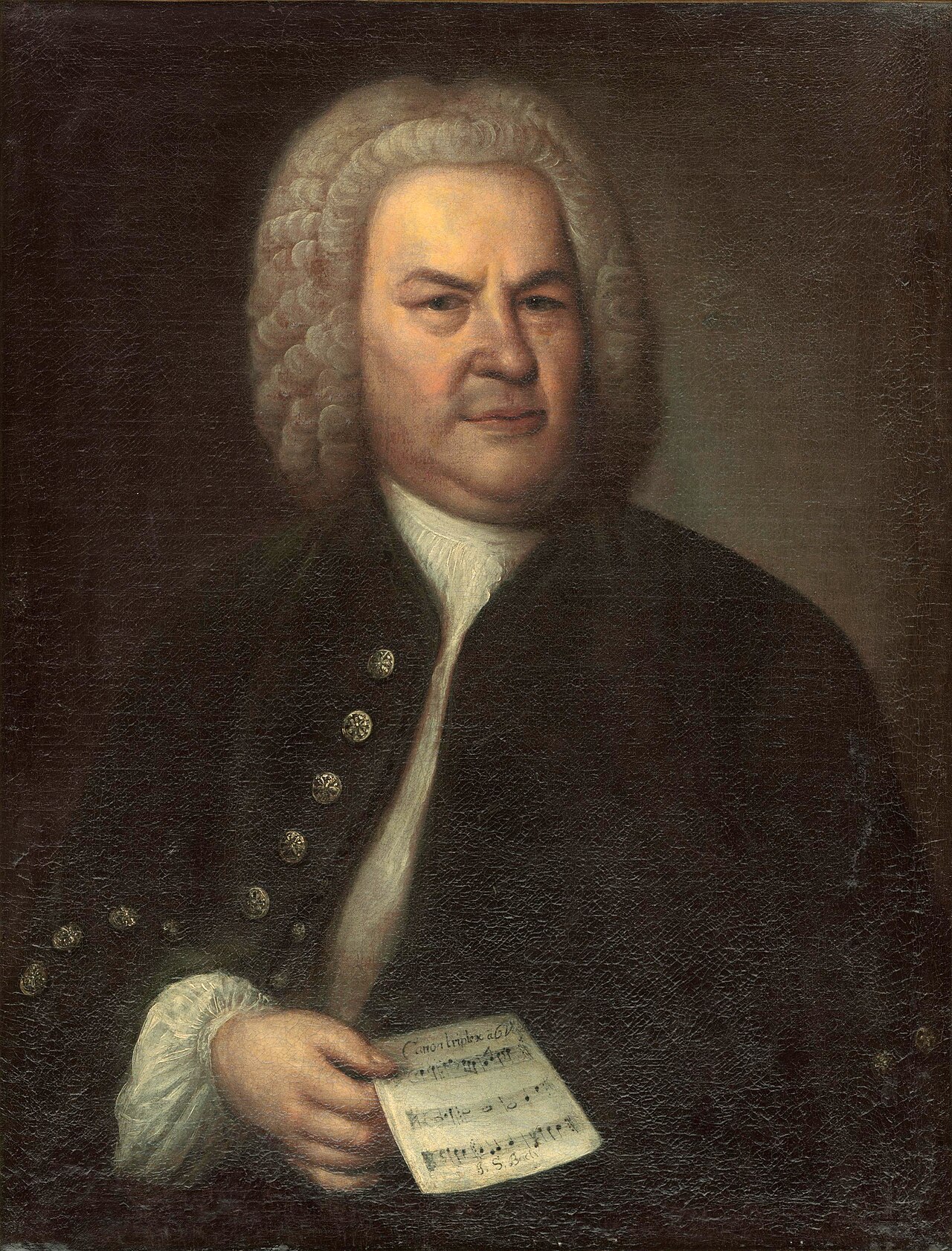
Portrait of Bach
Elias Gottlob Haussmann · 1746
Ready when you are
Start chatting with Johann Sebastian Bach now.
20 messages free · No credit card · Available in 50+ languages.