


Secondary sourcePainting1840
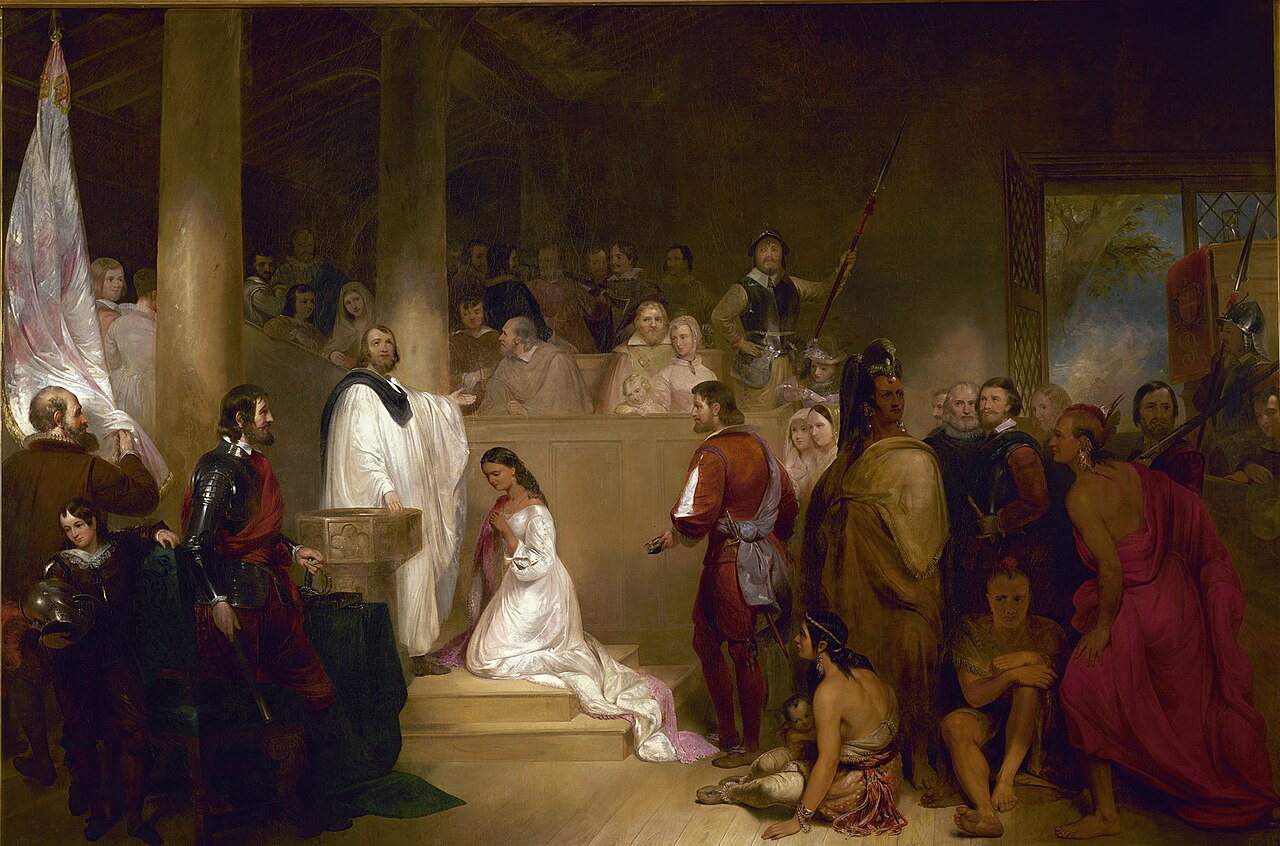
Baptism of Pocahontas, Rotunda, U.S. Capitol
John Gadsby Chapman · 1840
An 1840 painting in the U.S. Capitol imagining Pocahontas's baptism as Rebecca, turning her conversion into a national founding story.
Commemorates Pocahontas's baptism, turning her into a symbol of a national myth of assimilation.
About this source
What it is
This large oil painting was made by John Gadsby Chapman in 1840 for the Rotunda of the United States Capitol. It shows Pocahontas kneeling in white, being baptized Rebecca by minister Alexander Whitaker in Jamestown, surrounded by colonists and Native family members, including her brother Nantequaus, who turns away. John Rolfe, whom she later married, stands behind her. It is held by the United States Capitol Historical Society.
Why it matters
Painted over two centuries after the event, it reflects how 19th-century Americans wanted to remember Pocahontas's baptism and marriage as a peaceful founding moment, encouraging Native people to adopt Christianity and English ways. It says more about American attitudes in 1840 than about the real event.
Look closer
- Why does the painter show Nantequaus turning away — what might that suggest?
- Who commissioned a painting like this, and why place it in the Capitol?
- What might the real event have looked and felt like, compared to this grand scene?
This painting is part of the curated material that grounds the AI version of Pocahontas on Humy.ai — when students ask about related events, the AI can quote it and cite it.
More Pocahontas sources
Meet the AI Pocahontas →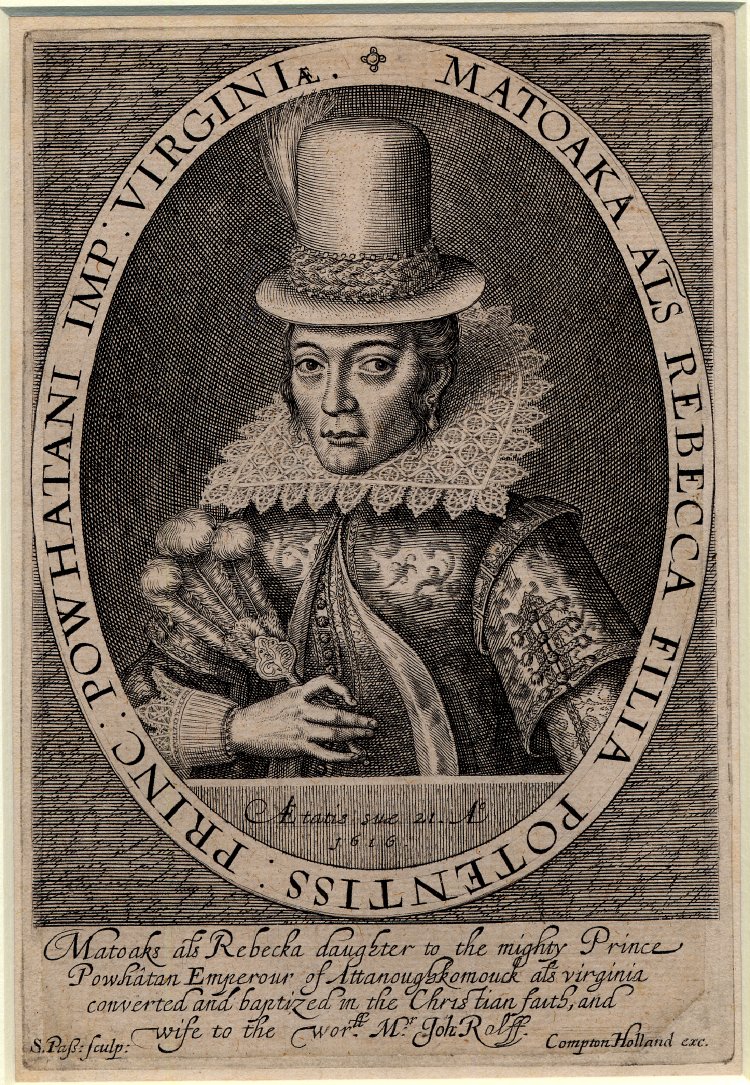 Painting
Primary source
Matoaka alias Rebecca Engraving
Simon van de Passe · 1616
 Painting
Secondary source
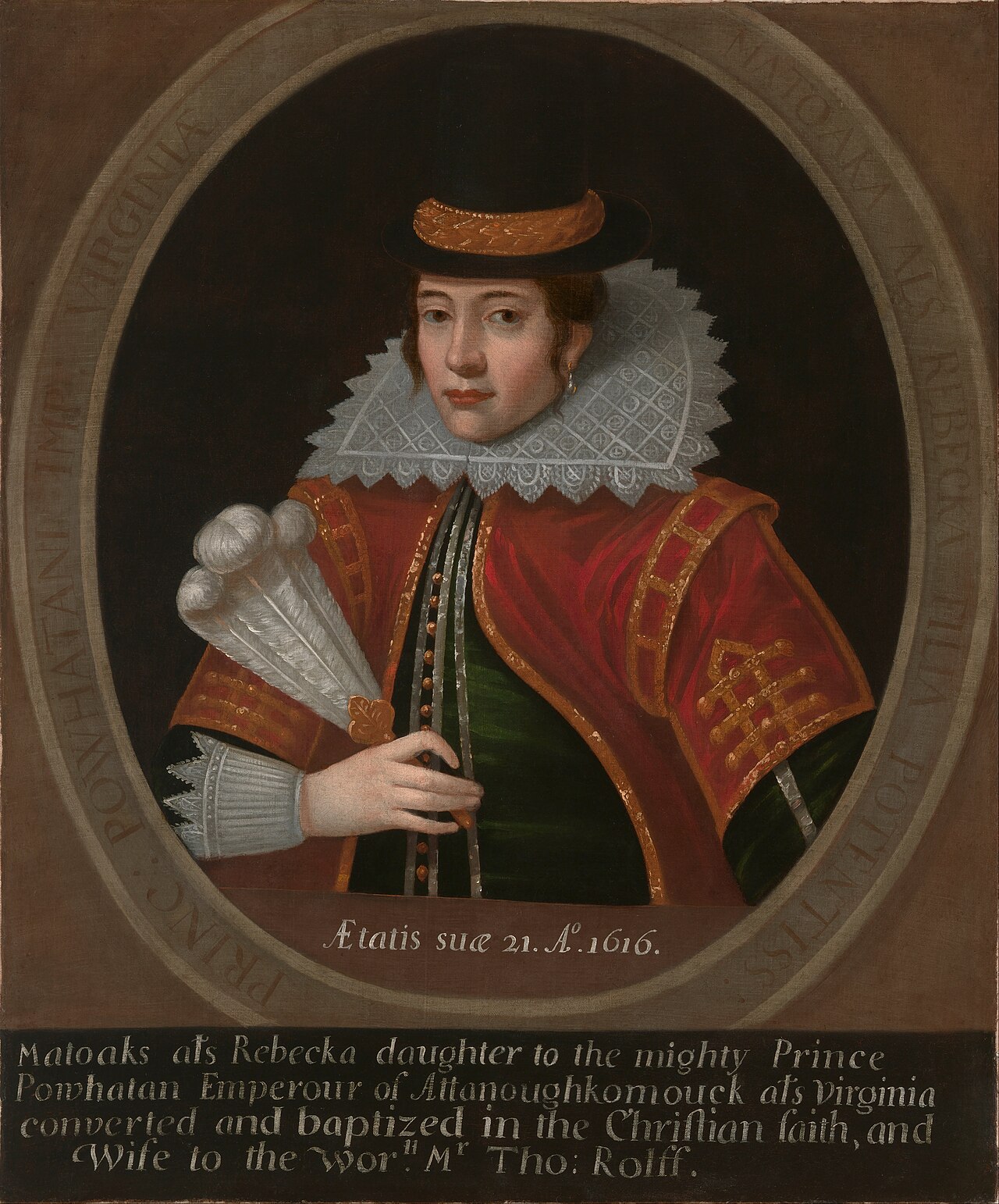
Pocahontas (Oil Portrait after van de Passe)
Unidentified Artist · 1616
 Book
Primary source
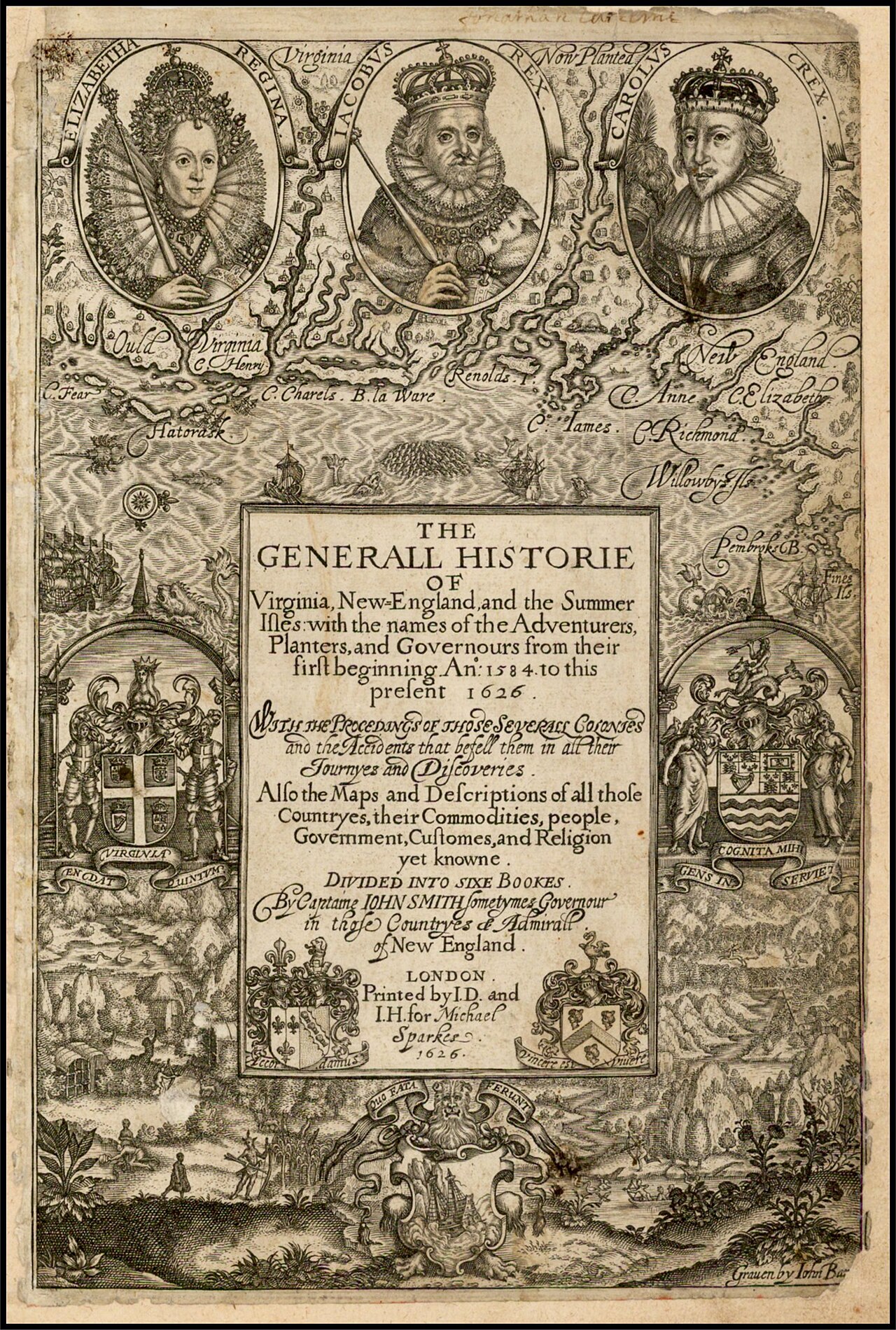
The Generall Historie of Virginia, New-England, and the Summer Isles
John Smith · 1624
 Book
Primary source
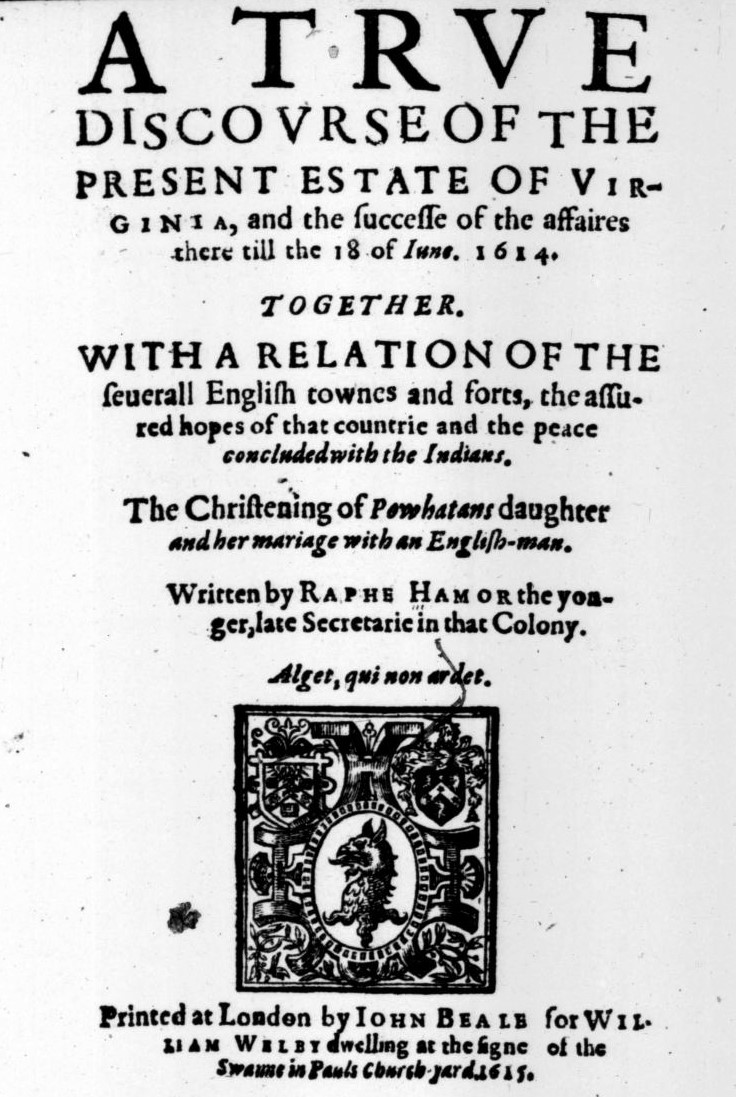
A True Discourse of the Present Estate of Virginia
Ralph Hamor · 1615
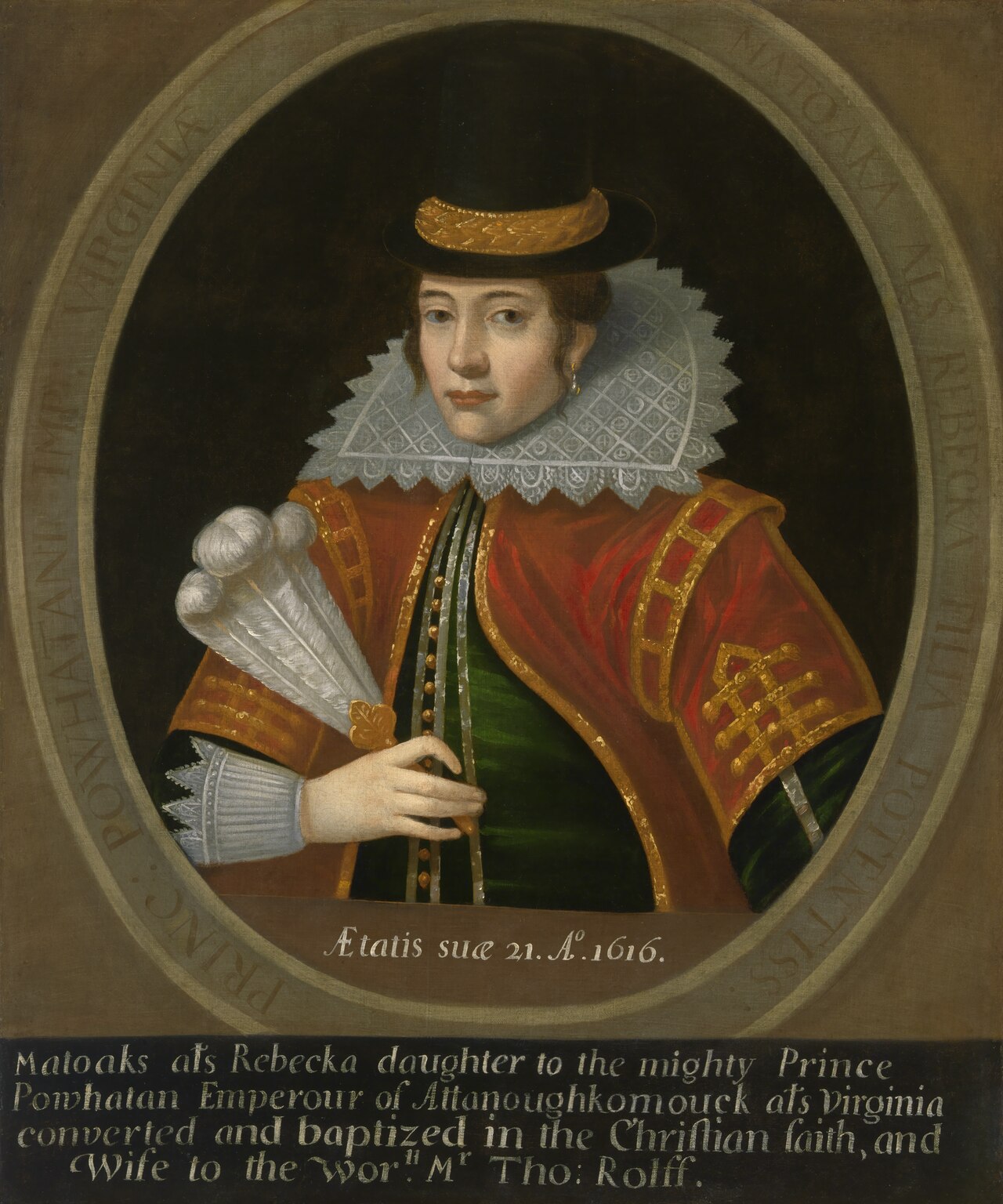 Painting
Secondary source
Portrait of Pocahontas
1616
Ready when you are
Start chatting with Pocahontas now.
20 messages free · No credit card · Available in 50+ languages.