


Secondary sourceArtifact505
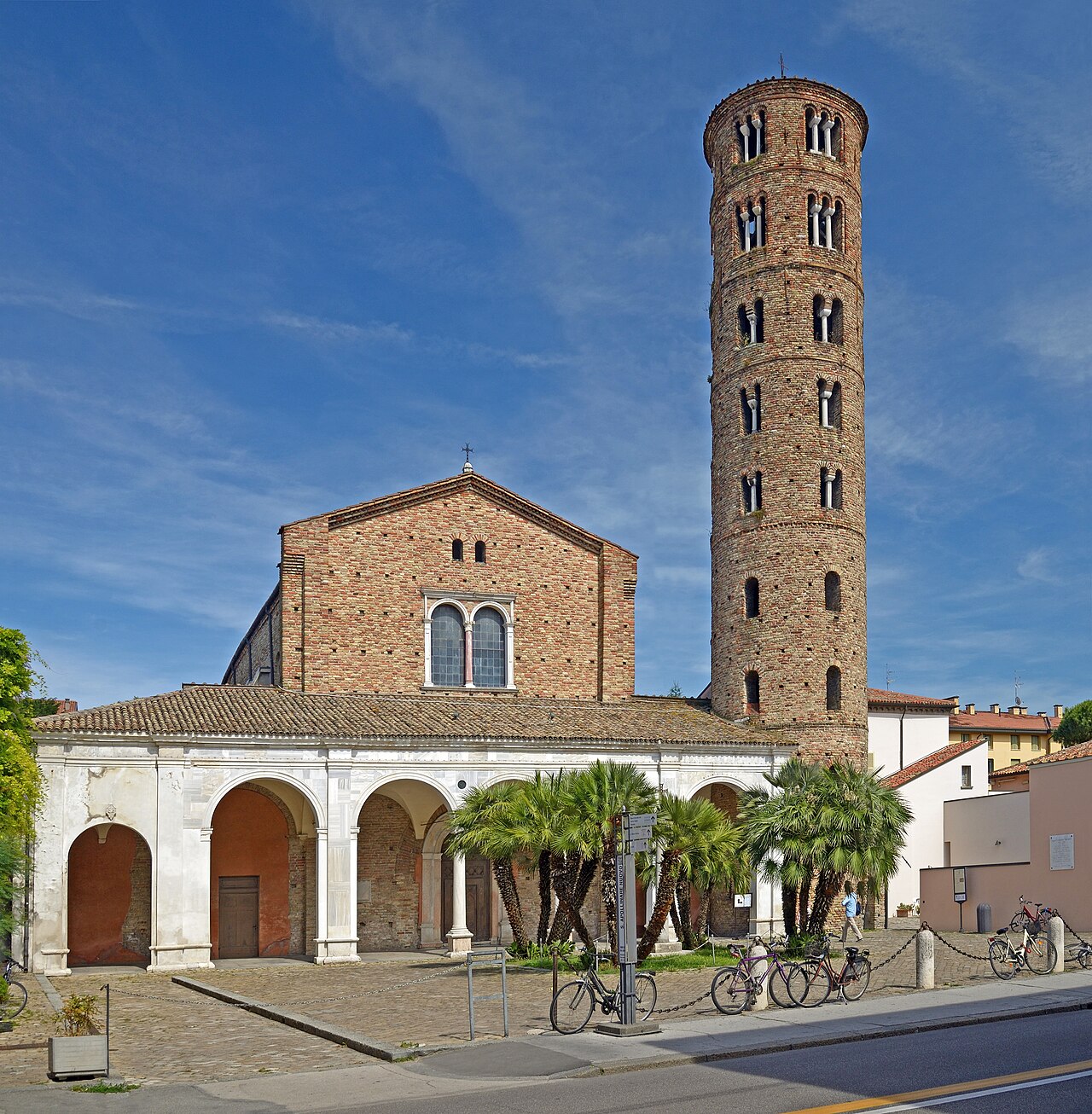
Basilica of Sant'Apollinare Nuovo
505
A 6th-century church in Ravenna whose mosaics include one of the oldest surviving images of Saint Lucy among a procession of virgin martyrs.
This mosaic is one of the earliest surviving images of Lucy, showing her veneration by the 6th century.
Free Humy account · No credit card · 120,912 sources to read
About this source
What it is
The Basilica of Sant'Apollinare Nuovo in Ravenna, Italy, was built in the early 6th century by the Ostrogothic king Theodoric the Great. Its interior mosaics include a procession of virgin martyrs, among them Saint Lucy, moving toward the Madonna and Child.
Why it matters
This mosaic, dated to 505, is one of the earliest surviving depictions of Lucy, showing that her cult had already spread beyond Sicily within two centuries of her death. The basilica itself, built for Theodoric and later rededicated under the Byzantine emperor Justinian I, shows how religious and political power shaped art and churches in this period.
Look closer
- Why might Lucy have been included among this procession of martyrs?
- What does the fact that this image survives from the 6th century tell you about how quickly her story spread?
- How do mosaics like this compare with written accounts of saints' lives?
This artifact is part of the curated material that grounds the AI version of Saint Lucy on Humy.ai — when students ask about related events, the AI can quote it and cite it.
More Saint Lucy sources
Browse all 93 →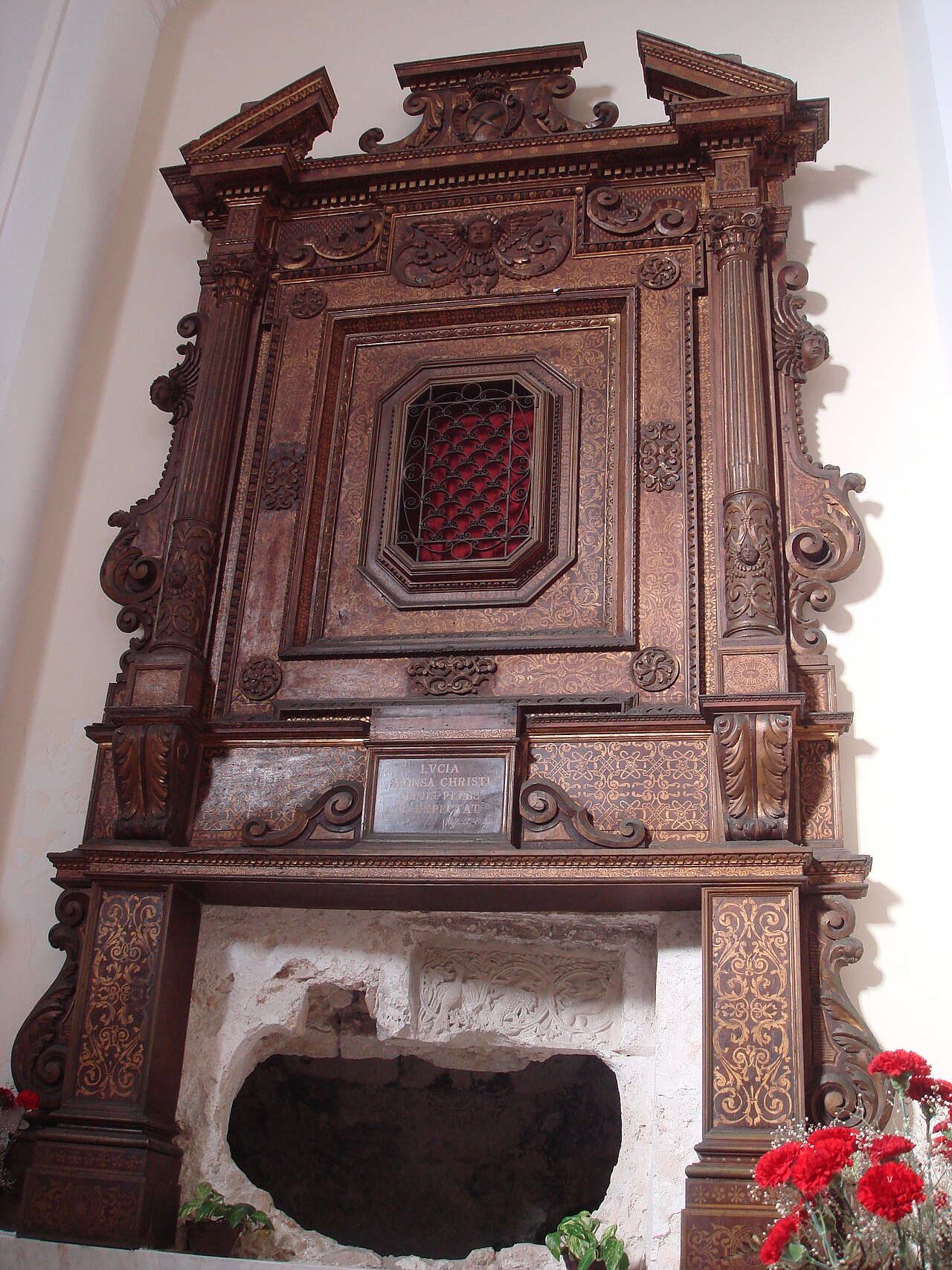 Artifact
Secondary source
First Grave of Santa Lucia
 Book
Secondary source
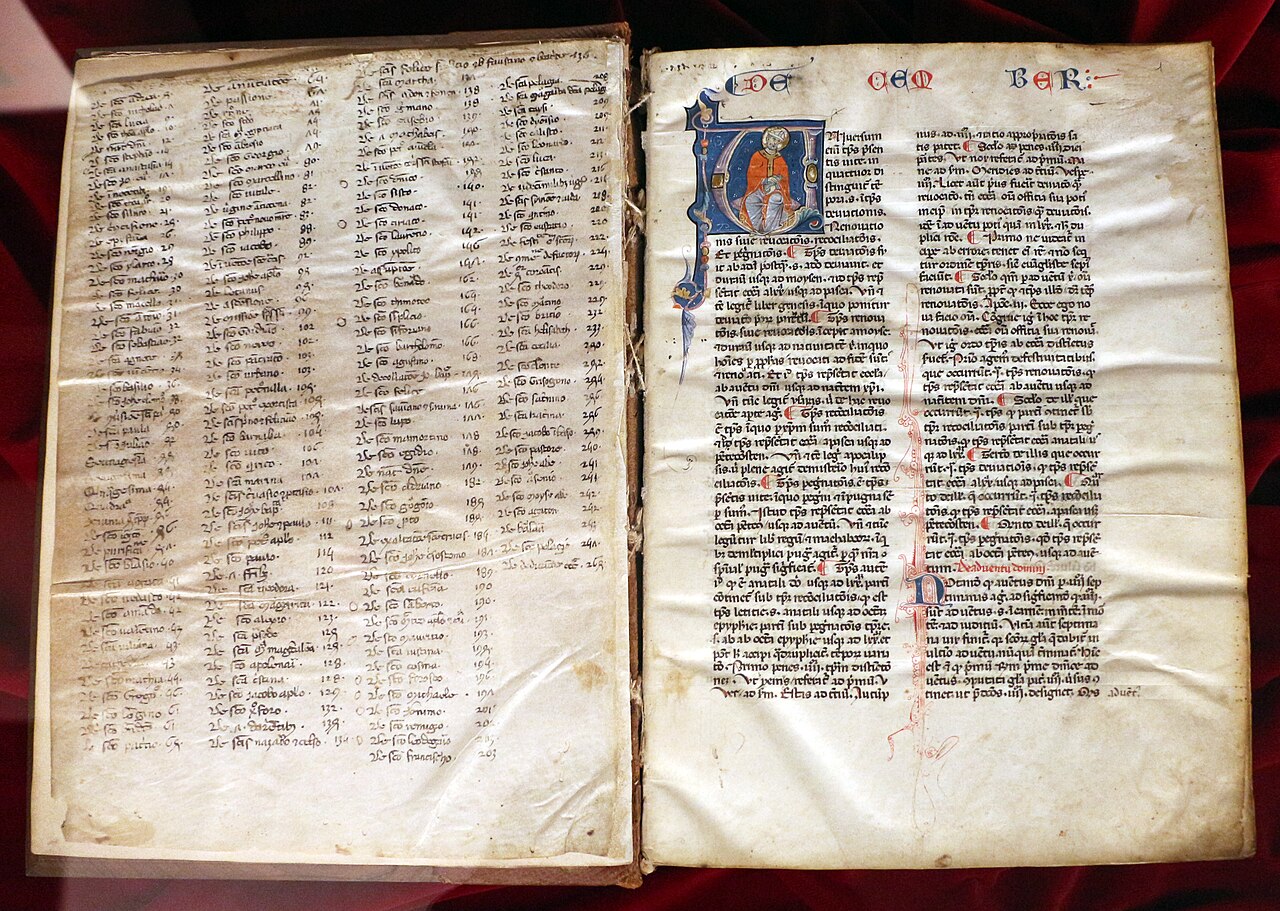
Golden Legend
Jacobus de Voragine · c. 1259–1266
 Painting
Primary source
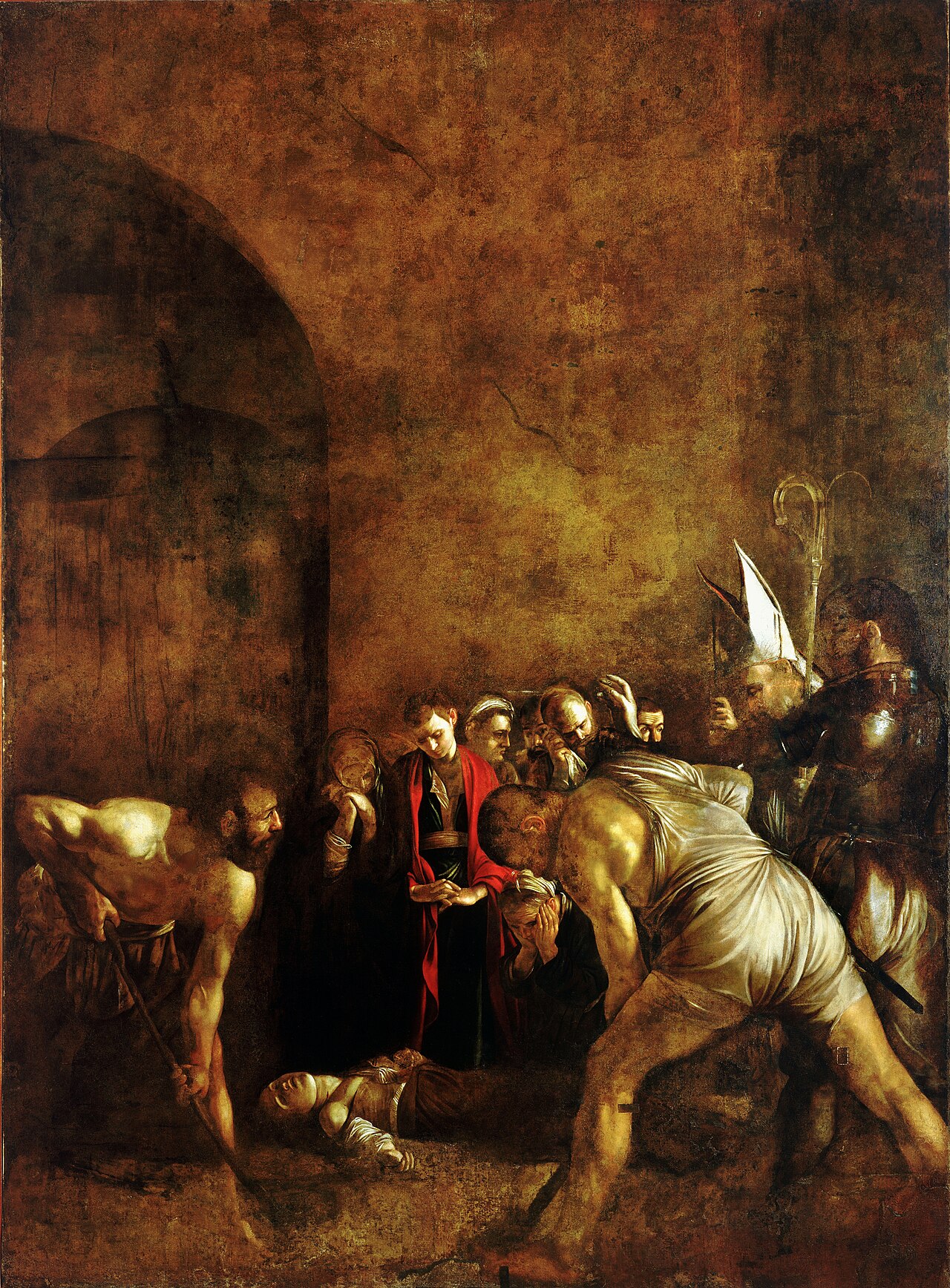
The Burial of Saint Lucy
Caravaggio · 1608
 Painting
Secondary source
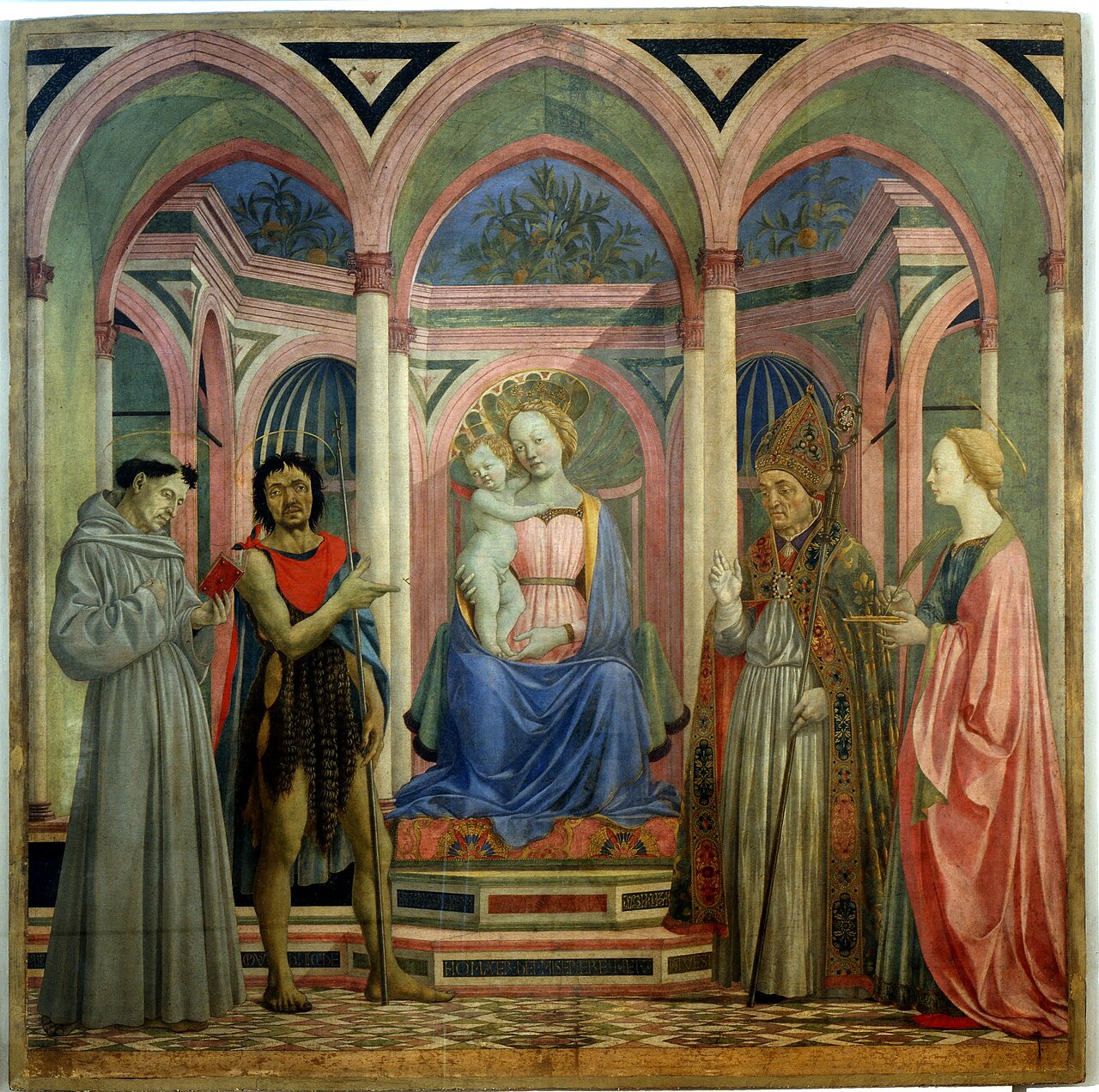
Santa Lucia de' Magnoli Altarpiece
Domenico Veneziano · c. 1445-1447
Free account
Read every Saint Lucy source
Sign up free →
Ready when you are
Start chatting with Saint Lucy now.
20 messages free · No credit card · Available in 50+ languages.