


Primary sourcePainting1608
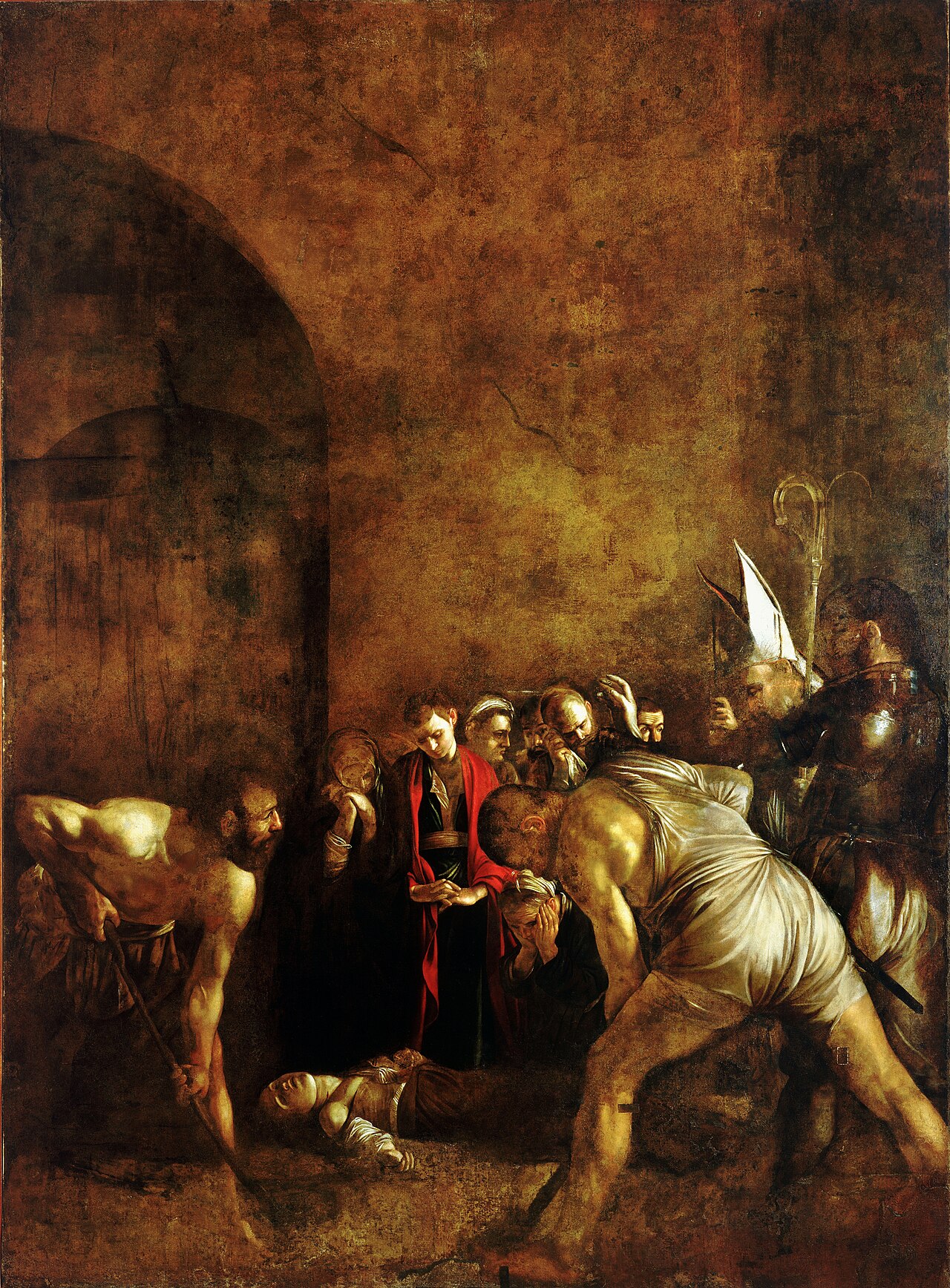
The Burial of Saint Lucy
Caravaggio · 1608
A dark, sparsely populated altarpiece by Caravaggio showing the burial of Saint Lucy, painted for a church in Syracuse built on the site of her death.
Caravaggio painted this altarpiece in Syracuse in 1608, during his flight after escaping prison in Malta.
About this source
What it is
This altarpiece was painted by Caravaggio in 1608 for the church of Santa Lucia al Sepolcro in Syracuse, Sicily, where it still hangs. It shows the burial of Saint Lucy, patron saint of the city, in a bare crypt with gravediggers, mourners and a bishop.
Why it matters
Caravaggio painted it while on the run after escaping prison in Malta, helped to a commission by his old companion Mario Minniti. The huge empty space around the small, dwarfed figures is typical of his late style. X-rays show he first painted Lucy beheaded, then changed it to a stabbed throat, probably at the request of the city's senate, showing how patrons could shape even a master's choices.
Look closer
- Why might the artist have left so much empty space around the mourners?
- What does the change from beheading to stabbing tell us about who controlled the final image?
- How does the painting try to make local people feel connected to their saint?
This painting is part of the curated material that grounds the AI version of Caravaggio and Saint Lucy on Humy.ai — when students ask about related events, the AI can quote it and cite it.
More Caravaggio sources
Browse all 90 →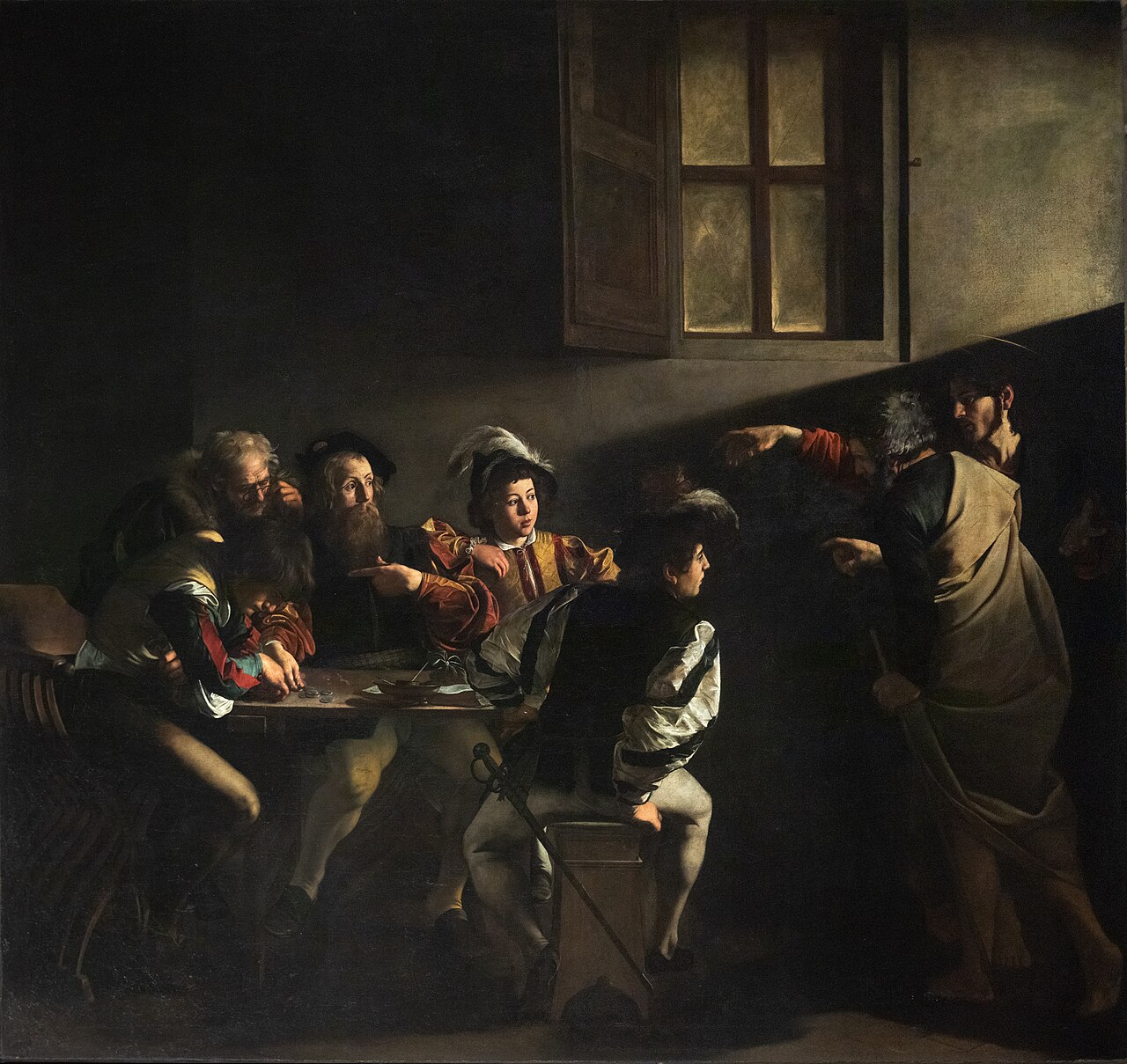 Painting
Secondary source
The Calling of Saint Matthew
Caravaggio · 1599–1600
 Artifact
Primary source
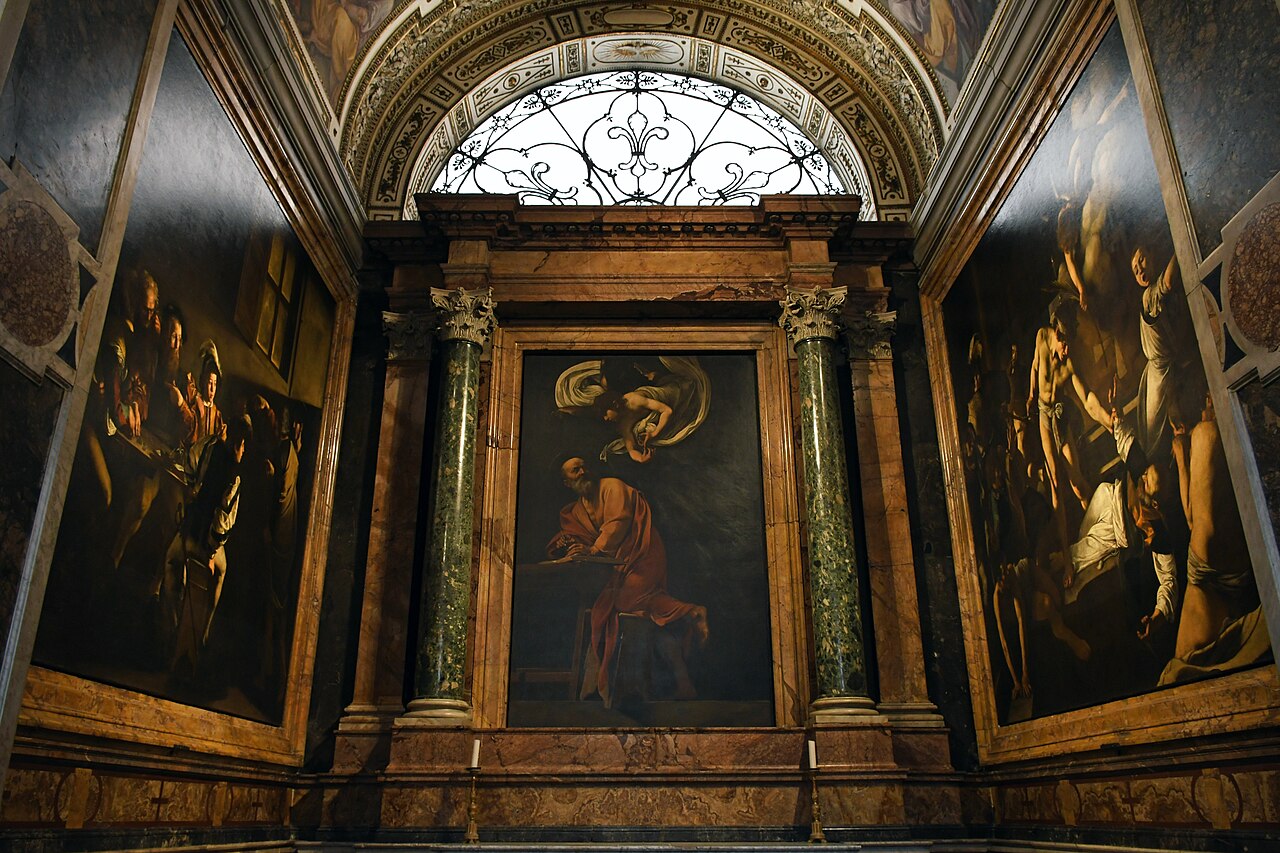
Contarelli Chapel
Caravaggio · 1600
 Painting
Secondary source
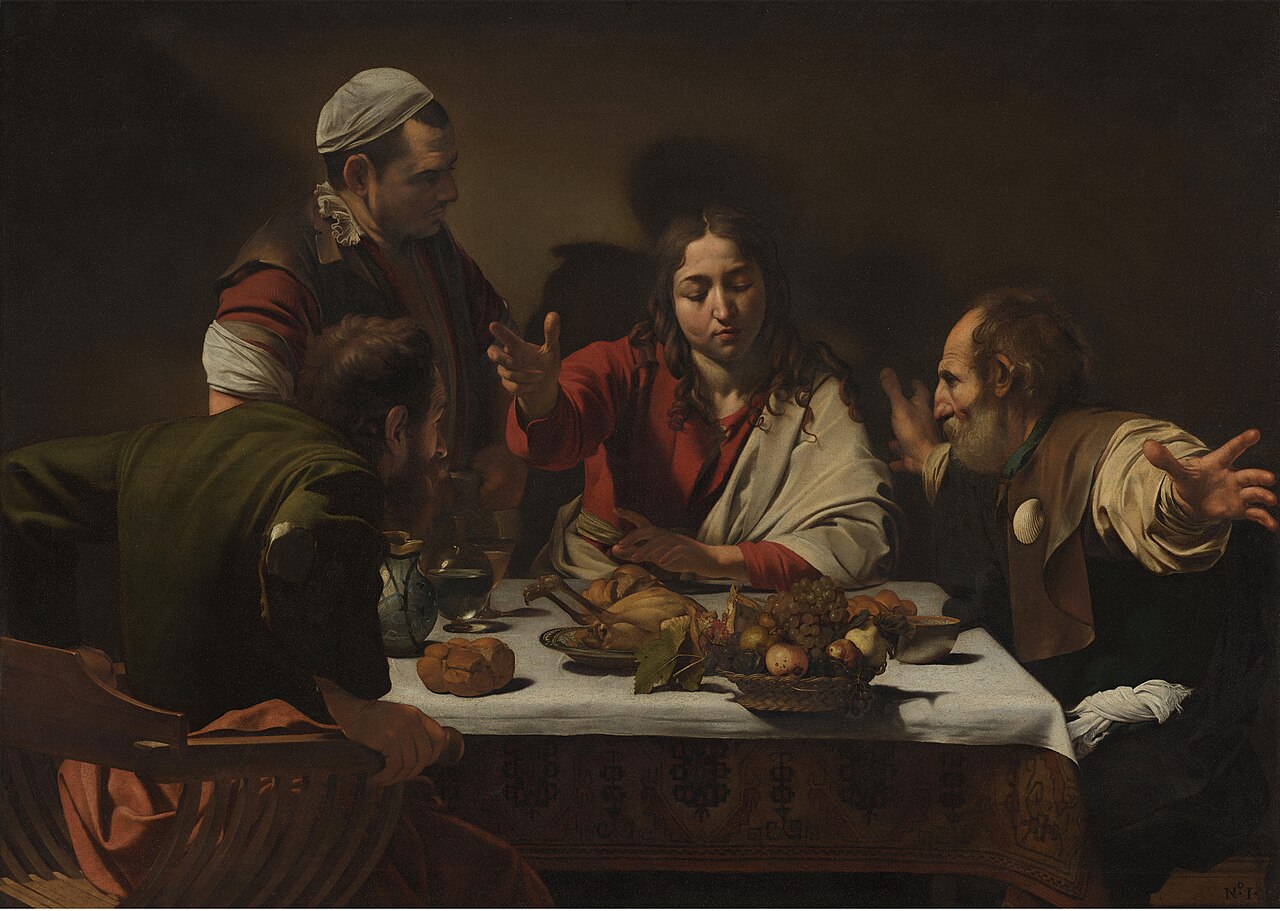
Supper at Emmaus
Caravaggio · 1601
 Painting
Secondary source
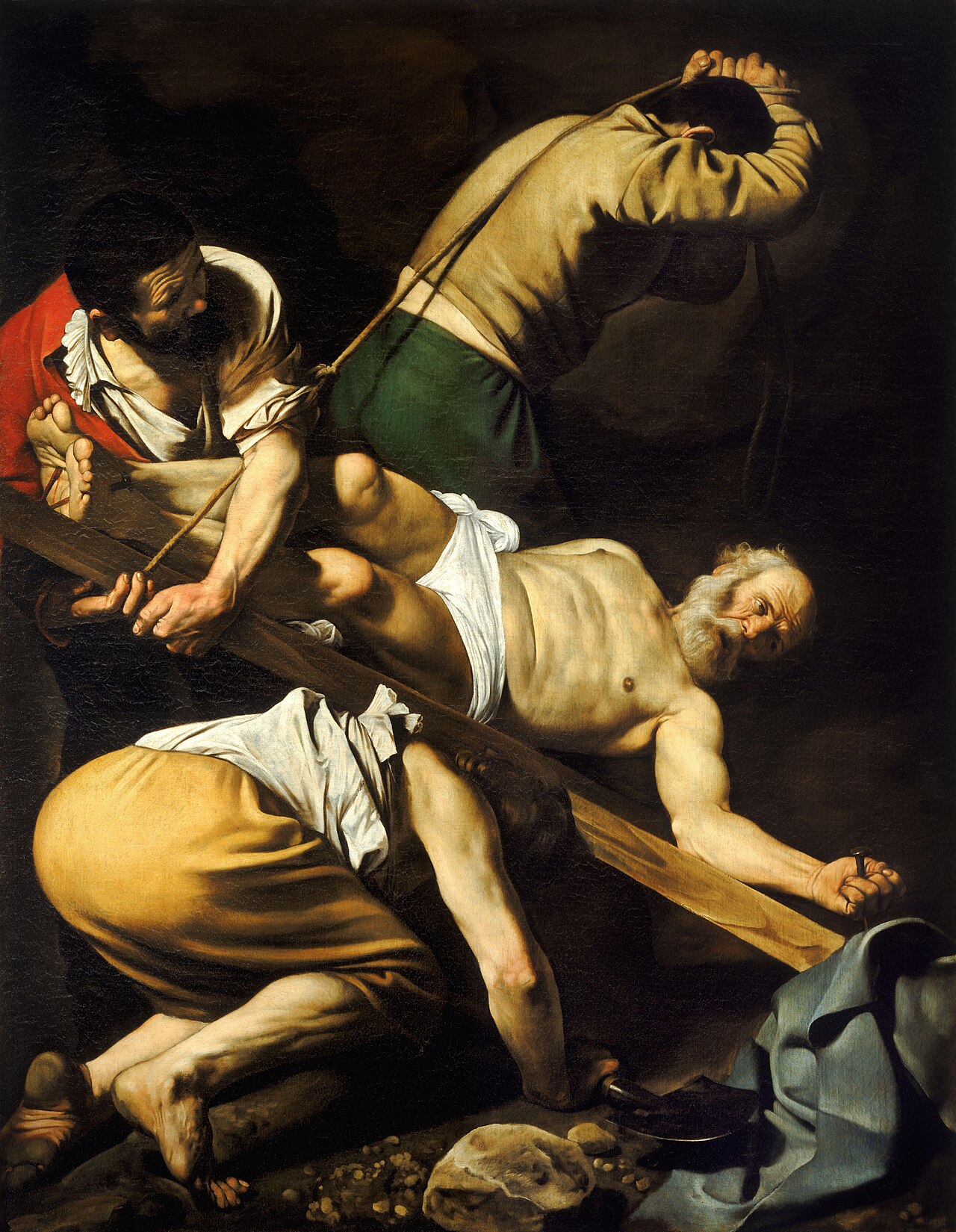
Crucifixion of Saint Peter
Caravaggio · 1600-1601
Free account
Read every Caravaggio source
Sign up free →
Ready when you are
Start chatting with Caravaggio now.
20 messages free · No credit card · Available in 50+ languages.