


Secondary sourcePainting1599–1600
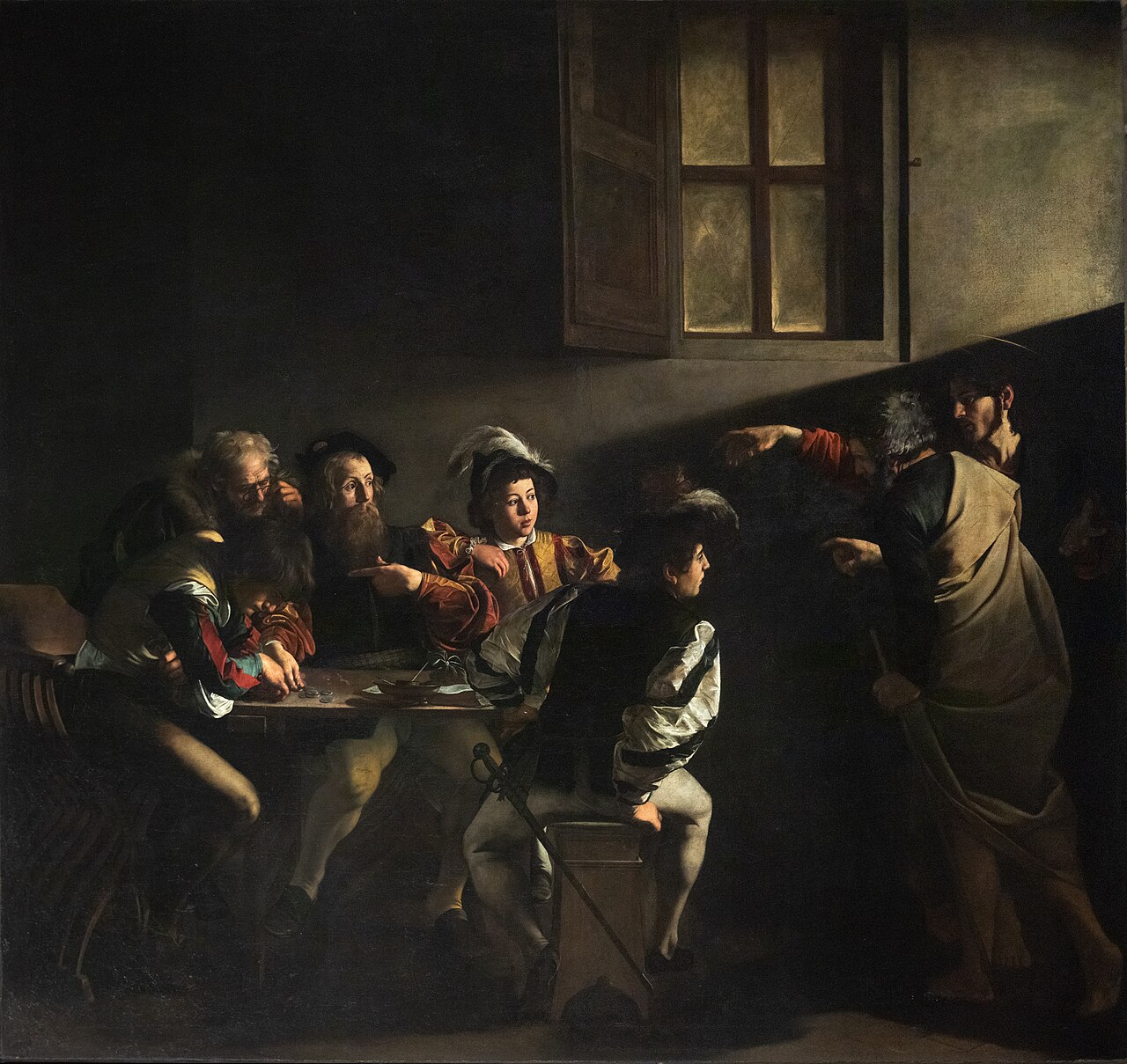
The Calling of Saint Matthew
Caravaggio · 1599–1600
Caravaggio's painting shows Jesus pointing to summon the tax collector Matthew, dramatizing his call to a group of outsiders.
The painting depicts Jesus calling Matthew to follow him, illustrating his outreach to social outsiders.
About this source
What it is
This oil painting by Caravaggio, completed around 1599–1600, hangs in the church of San Luigi dei Francesi in Rome. It shows Jesus and Saint Peter entering a room where Matthew, a tax collector, sits counting money with companions; Jesus points, calling him to follow.
Why it matters
Painted more than 1,500 years after the events it depicts, this work reflects how Baroque artists like Caravaggio imagined and dramatized Jesus's life using contemporary clothing, lighting, and realism. The scene, from the Gospel of Matthew, has long been read as an image of spiritual awakening and of Jesus reaching out to ordinary, even disreputable, people.
Look closer
- How does Caravaggio use light to direct your eye toward Jesus and Matthew?
- Why might the artist have dressed the figures in clothing from his own time rather than Jesus's era?
- What might this choice of subject—a despised tax collector—suggest about who Jesus is shown reaching out to?
This painting is part of the curated material that grounds the AI version of Jesus Christ on Humy.ai — when students ask about related events, the AI can quote it and cite it.
More Jesus Christ sources
Meet the AI Jesus Christ →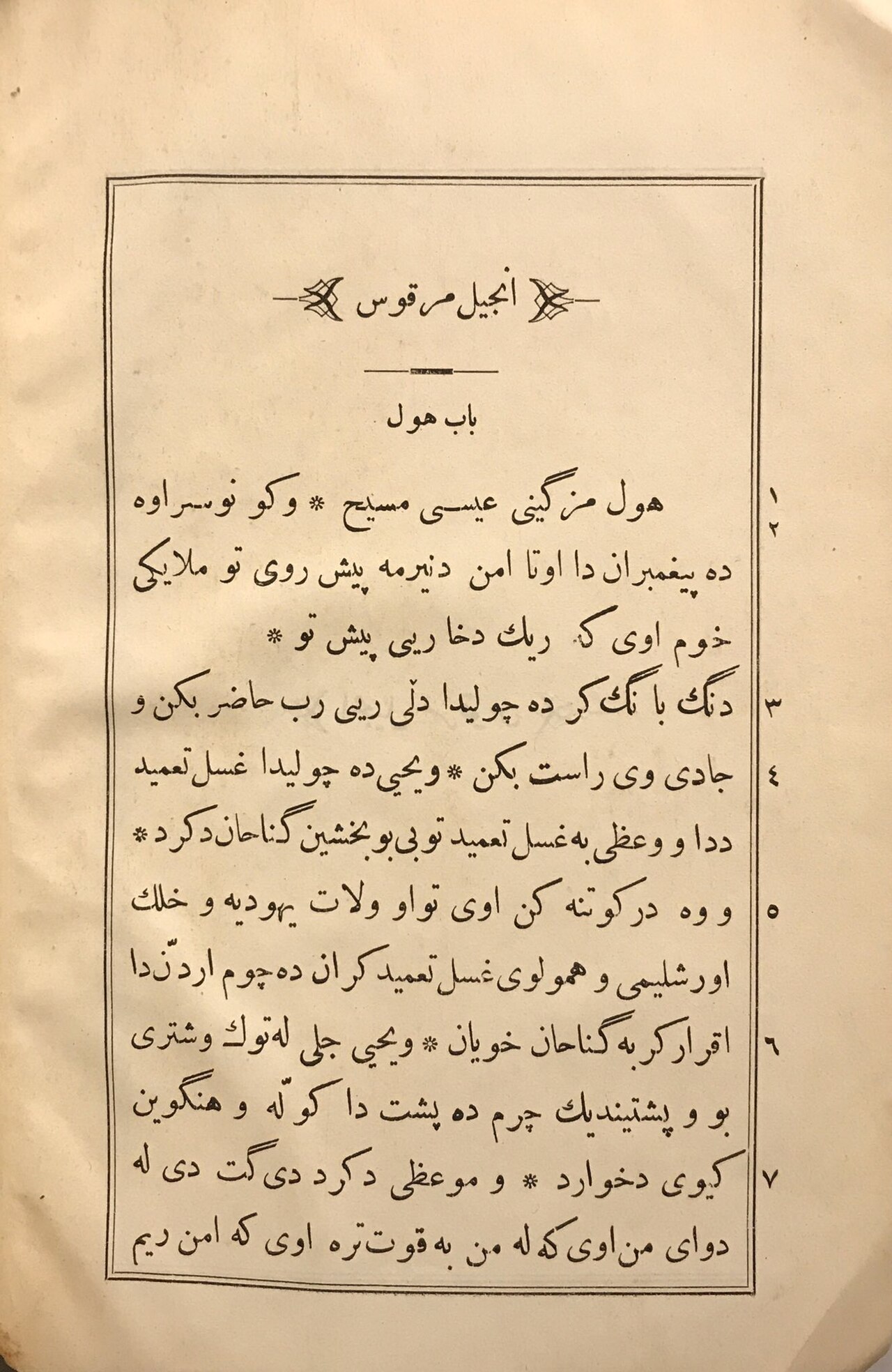 Book
Secondary source
Gospel of Mark
Mark the Evangelist · c. AD 66-75
 Artifact
Secondary source
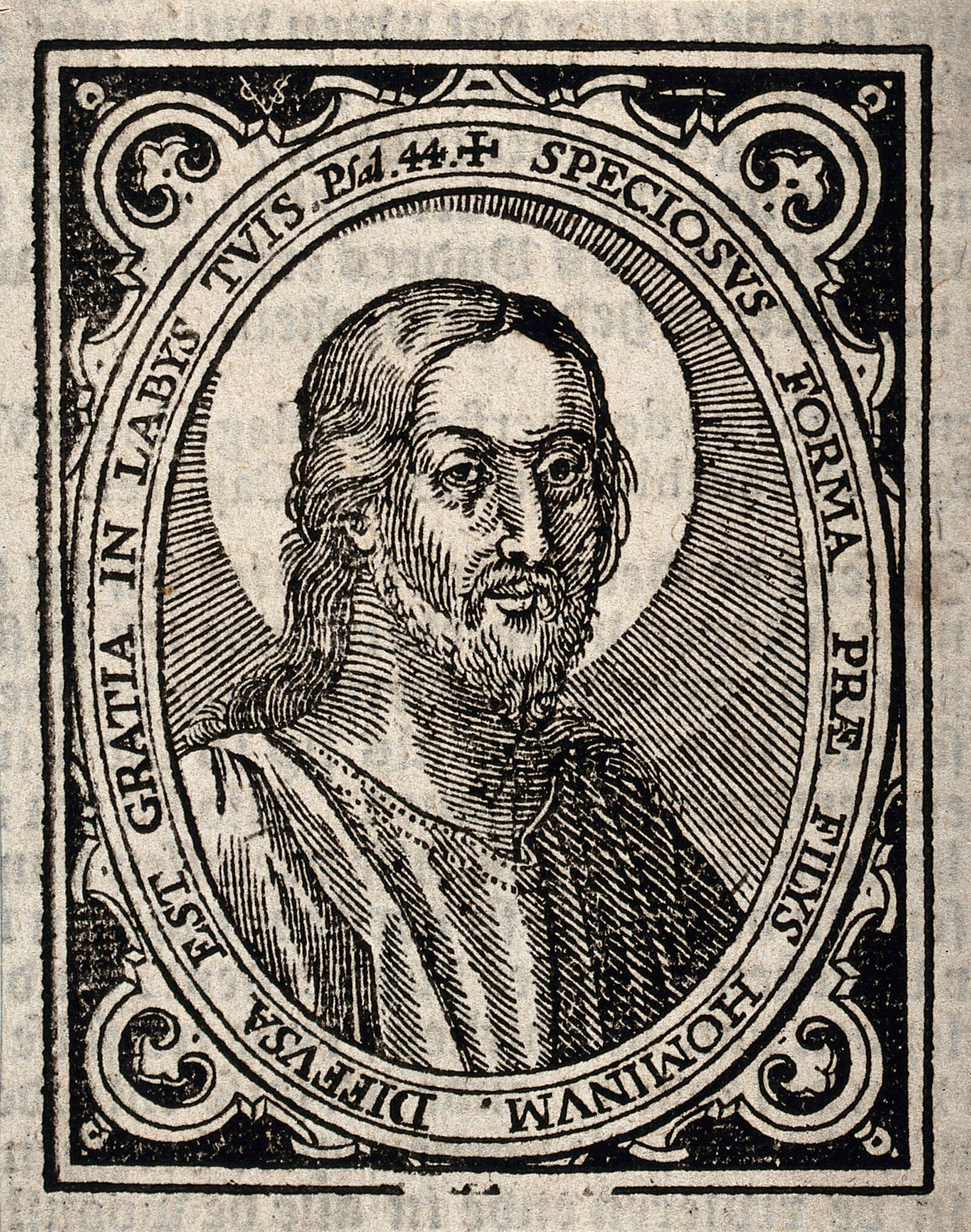
Jesus Christ, woodcut by Christoffel van Sichem III
Christoffel van Sichem III · c. 1645
 Book
Secondary source
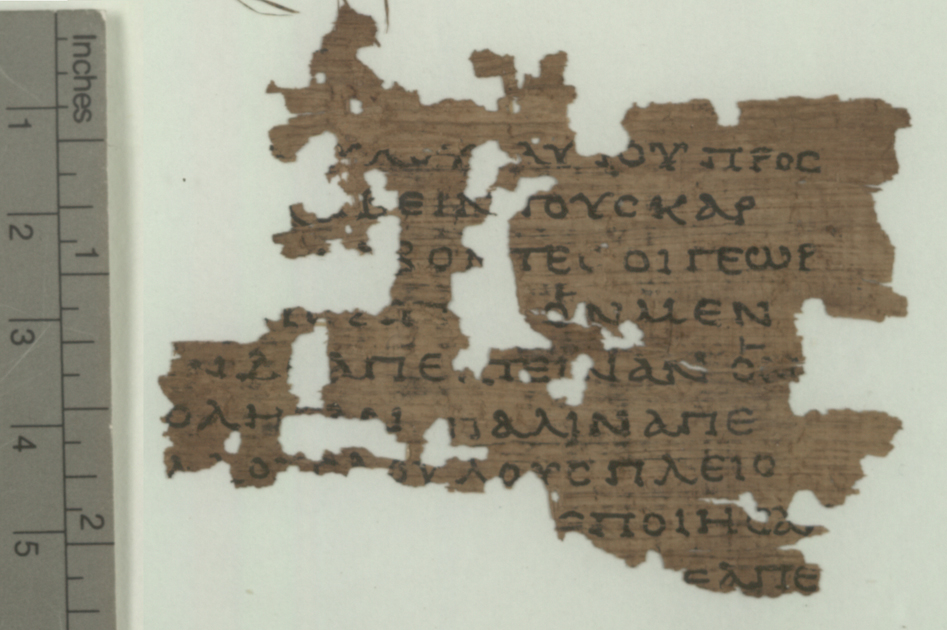
Gospel of Matthew
Matthew the Apostle · late 1st century AD
 Painting
Secondary source
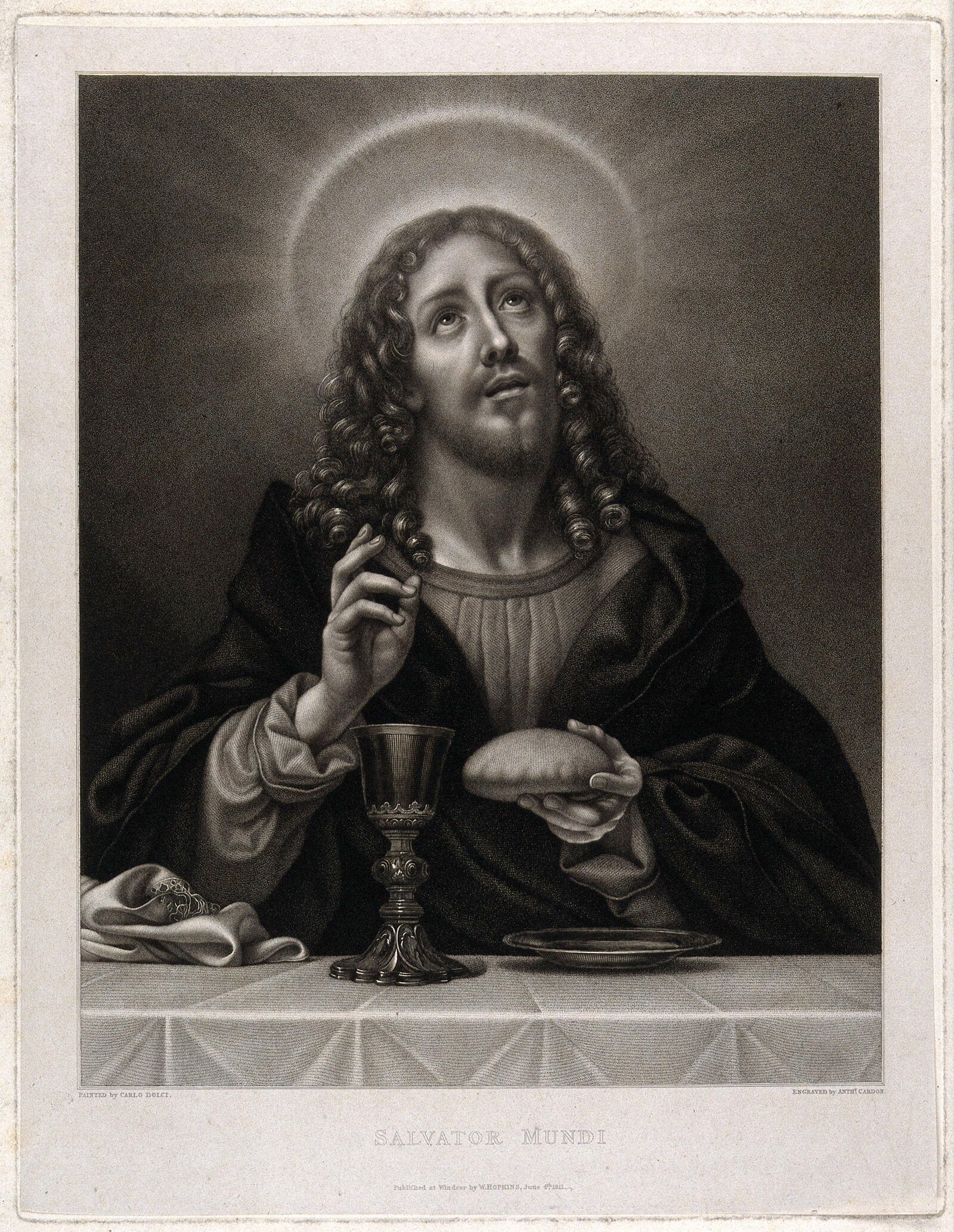
Jesus Christ blessing the Host
Carlo Dolci (painting); Anth. Cardon (engraving) · 4 June 1811
 Painting
Secondary source
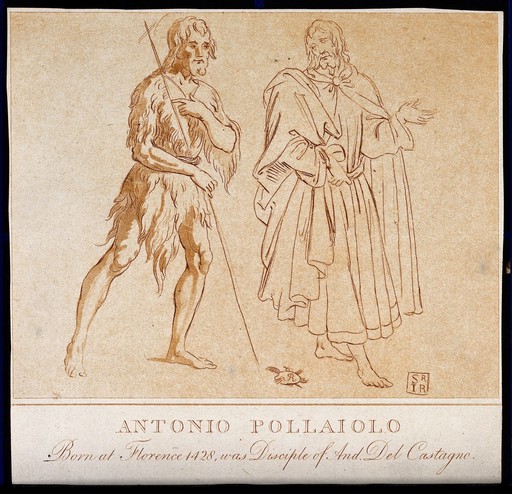
John the Baptist Meets Jesus Christ
Antonio Pollaiuolo
Ready when you are
Start chatting with Jesus Christ now.
20 messages free · No credit card · Available in 50+ languages.