


Secondary sourcePainting1601
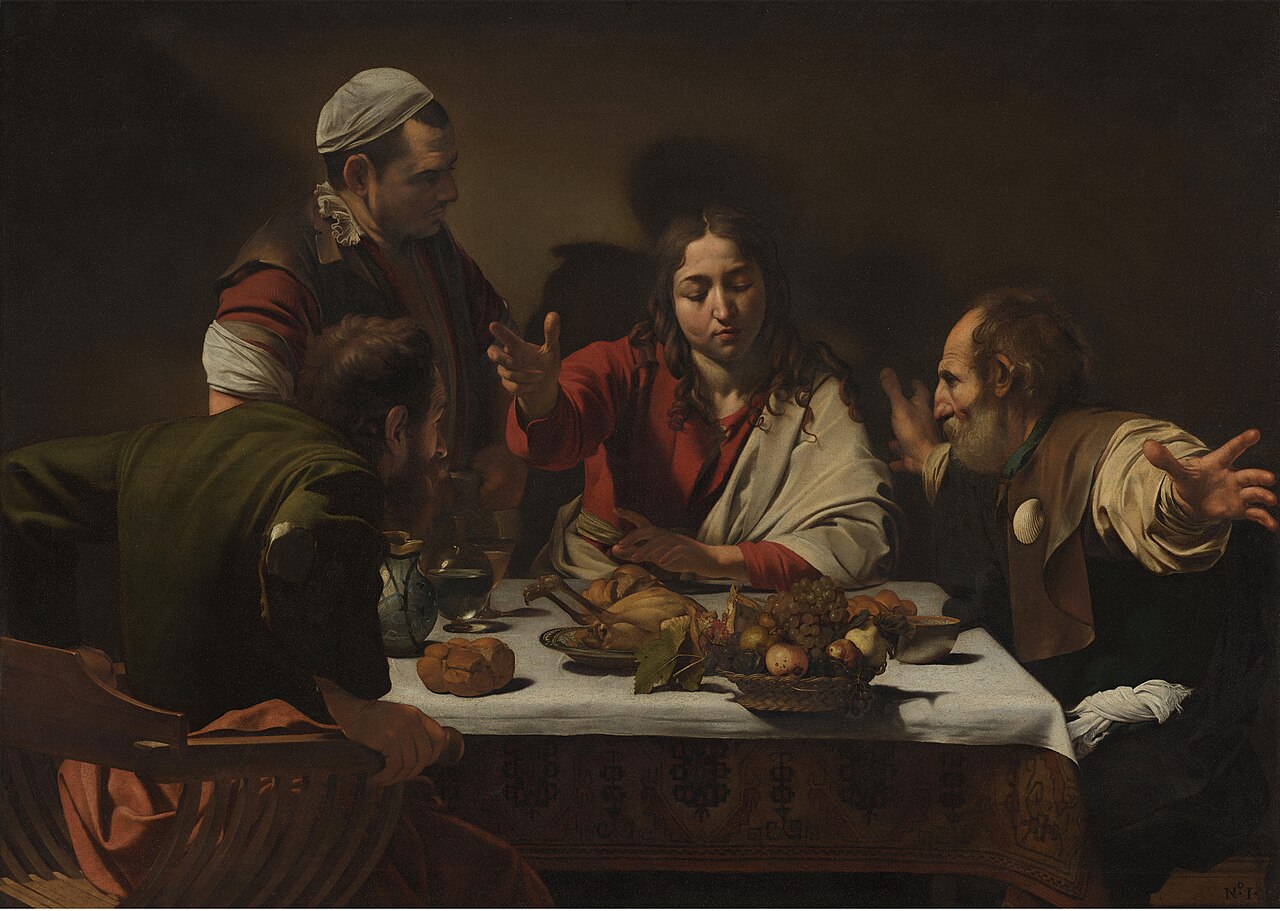
Supper at Emmaus
Caravaggio · 1601
Caravaggio's painting depicts the risen Jesus revealing himself to two disciples as he breaks bread at Emmaus.
The painting shows Jesus after his resurrection, recognized by his disciples as he breaks bread at Emmaus.
About this source
What it is
Painted by Caravaggio in 1601 and now in London's National Gallery, this work shows the resurrected Jesus at a table with two disciples, moments before he vanishes from their sight, based on the Gospel of Luke.
Why it matters
Created more than 1,500 years after the events described, the painting reflects how a 17th-century artist imagined the moment of recognition during a resurrection appearance. Jesus is shown beardless, unusual in Caravaggio's work, possibly referencing a Gospel passage describing him appearing "in another form." Hidden symbols, like a fish shape formed by shadows, add Christian meaning to an ordinary meal scene.
Look closer
- Why might Caravaggio have painted Jesus without a beard here, unlike in his other works?
- What effect does the dramatic lighting and the disciple's outstretched arms have on how you read the scene?
- What symbols can you find hidden in the still-life objects on the table, and what might they mean?
This painting is part of the curated material that grounds the AI version of Jesus Christ on Humy.ai — when students ask about related events, the AI can quote it and cite it.
More Jesus Christ sources
Meet the AI Jesus Christ →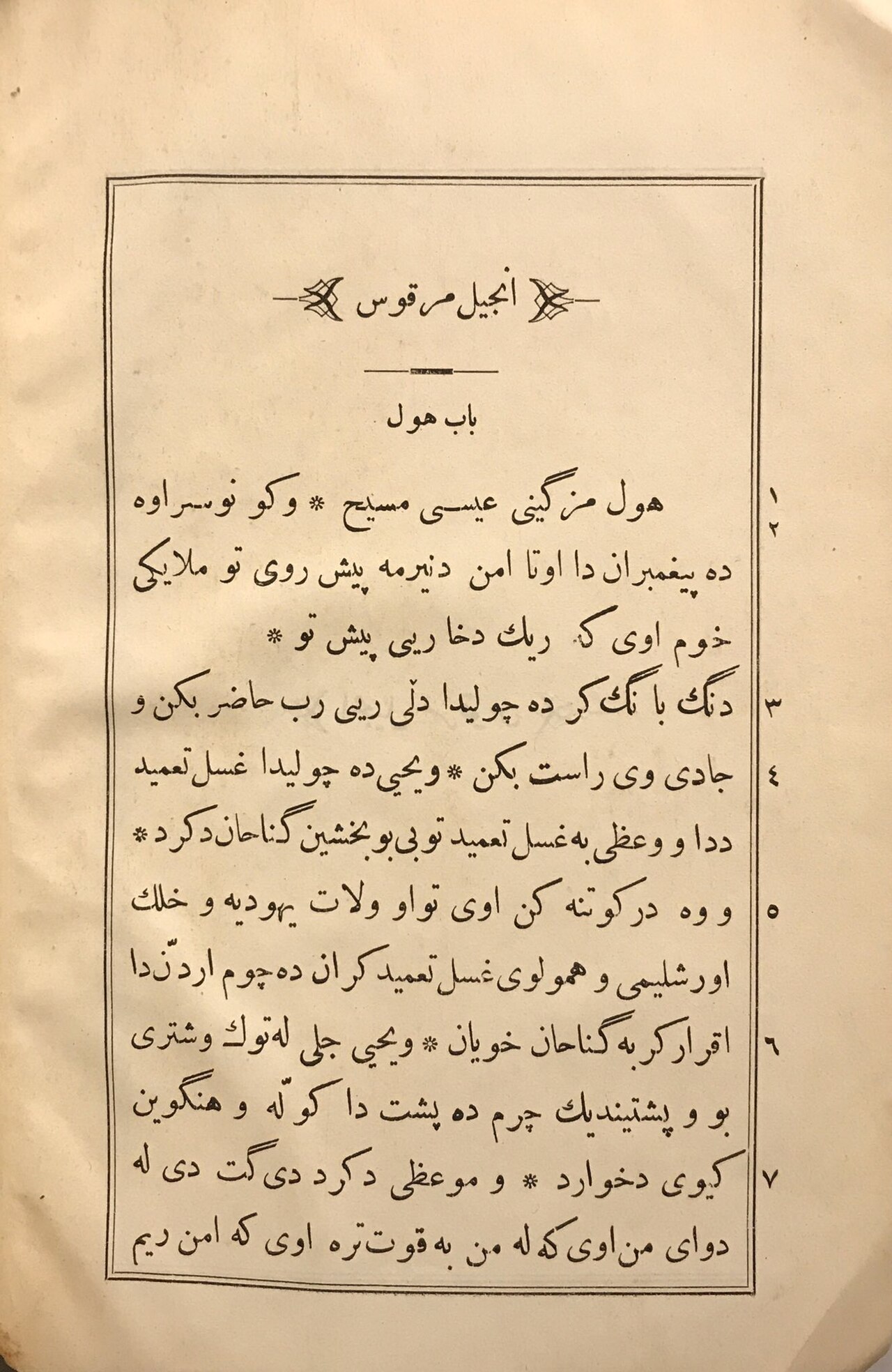 Book
Secondary source
Gospel of Mark
Mark the Evangelist · c. AD 66-75
 Artifact
Secondary source
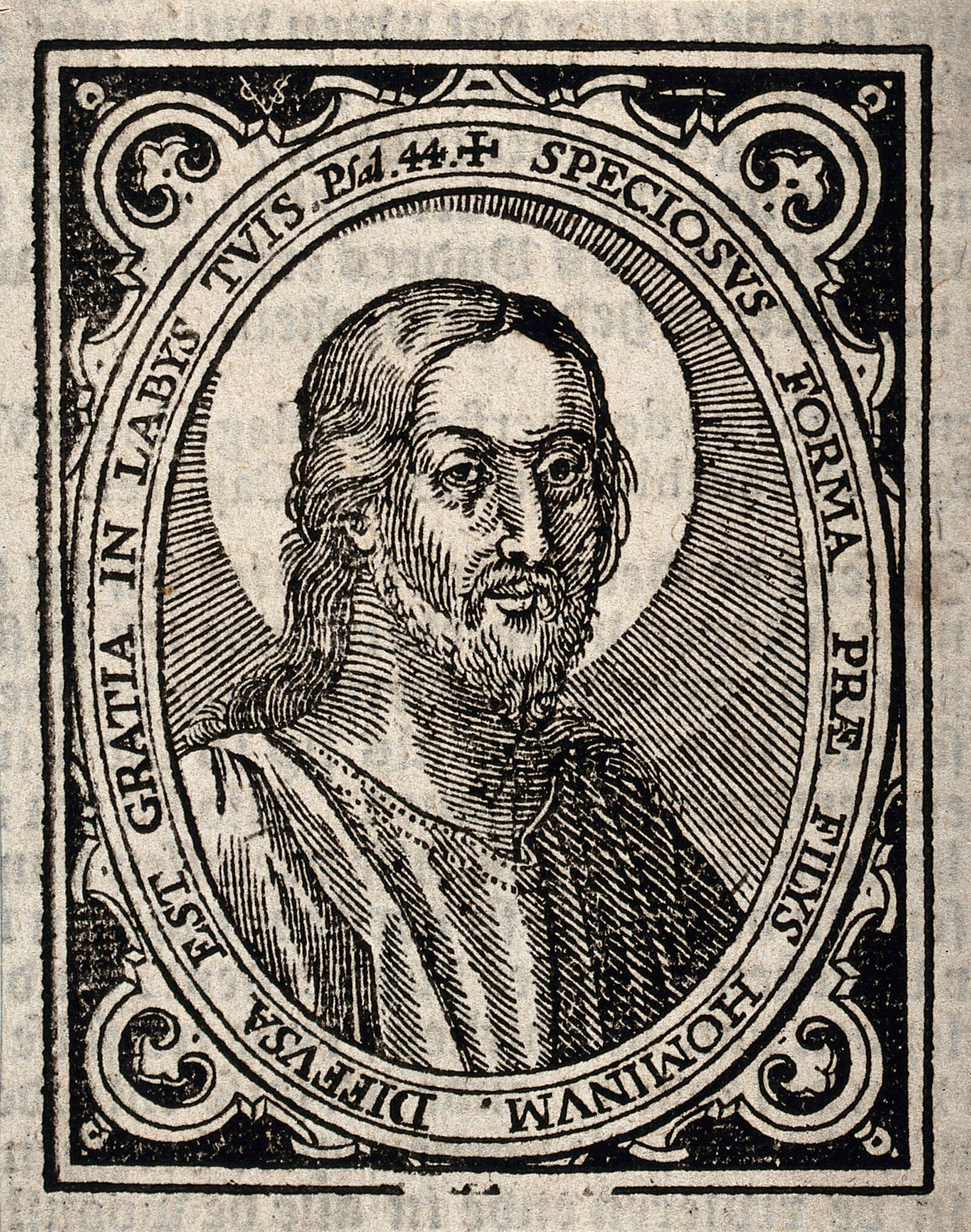
Jesus Christ, woodcut by Christoffel van Sichem III
Christoffel van Sichem III · c. 1645
 Book
Secondary source
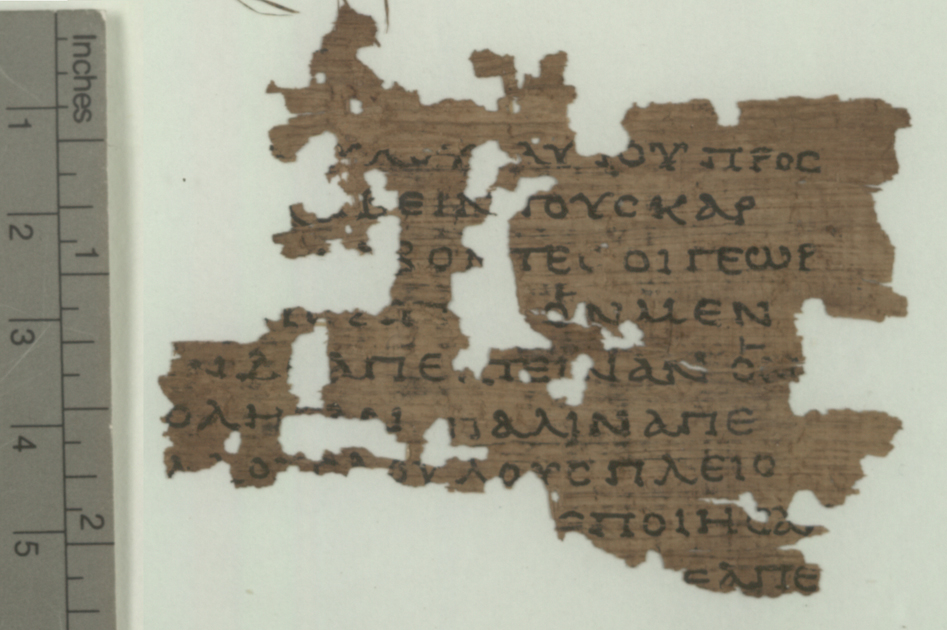
Gospel of Matthew
Matthew the Apostle · late 1st century AD
 Painting
Secondary source
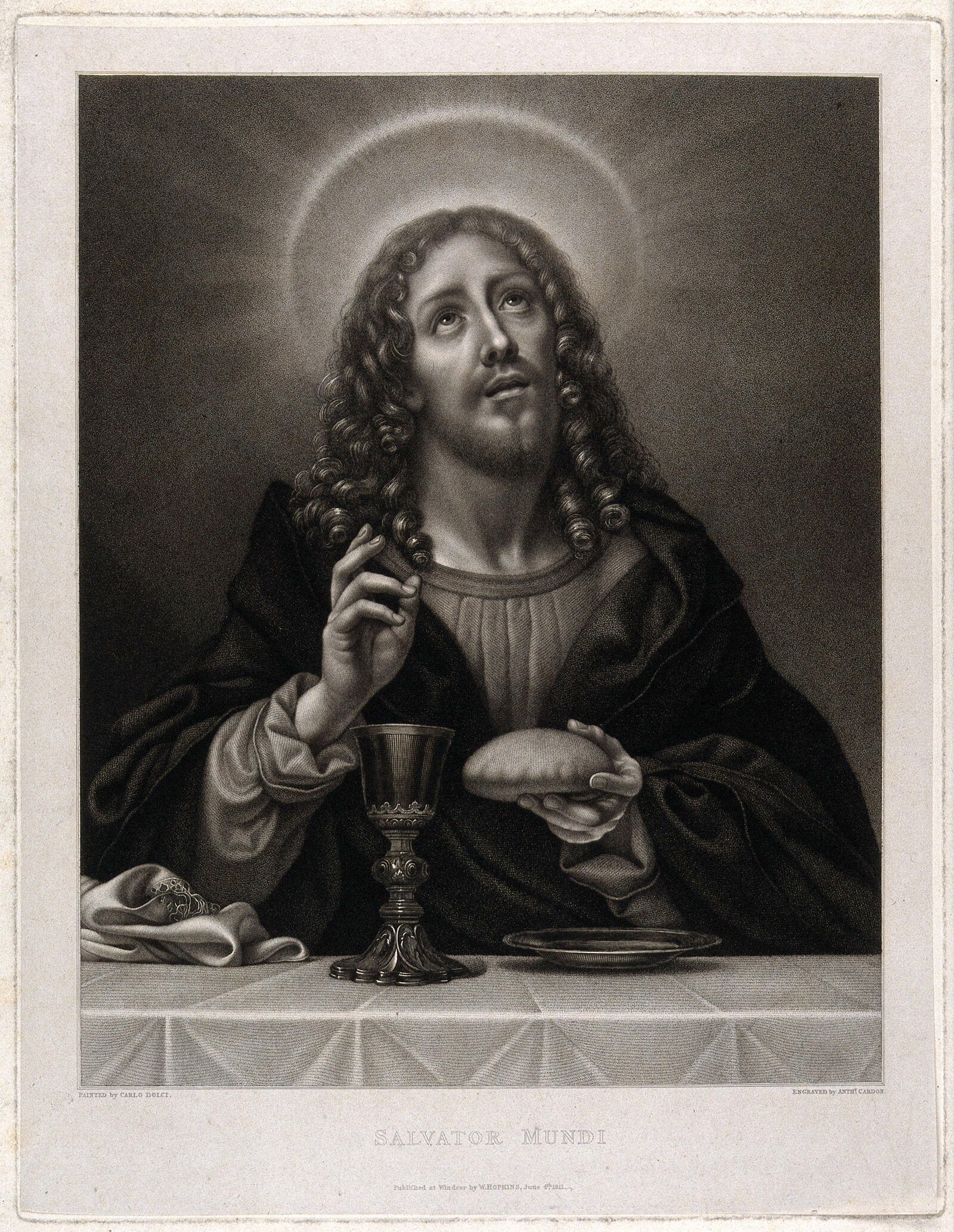
Jesus Christ blessing the Host
Carlo Dolci (painting); Anth. Cardon (engraving) · 4 June 1811
 Painting
Secondary source
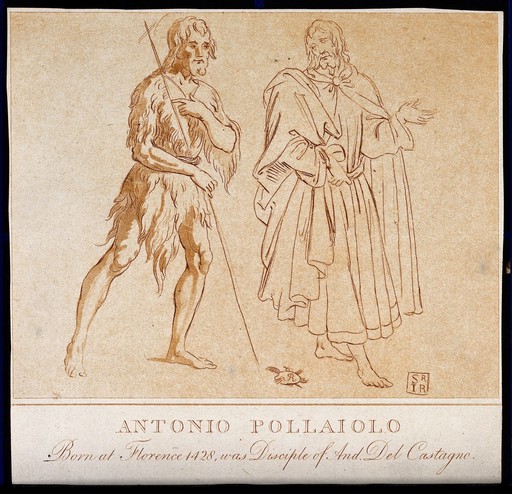
John the Baptist Meets Jesus Christ
Antonio Pollaiuolo
Ready when you are
Start chatting with Jesus Christ now.
20 messages free · No credit card · Available in 50+ languages.