


Primary sourceArtifact1600
Contarelli Chapel
Caravaggio · 1600
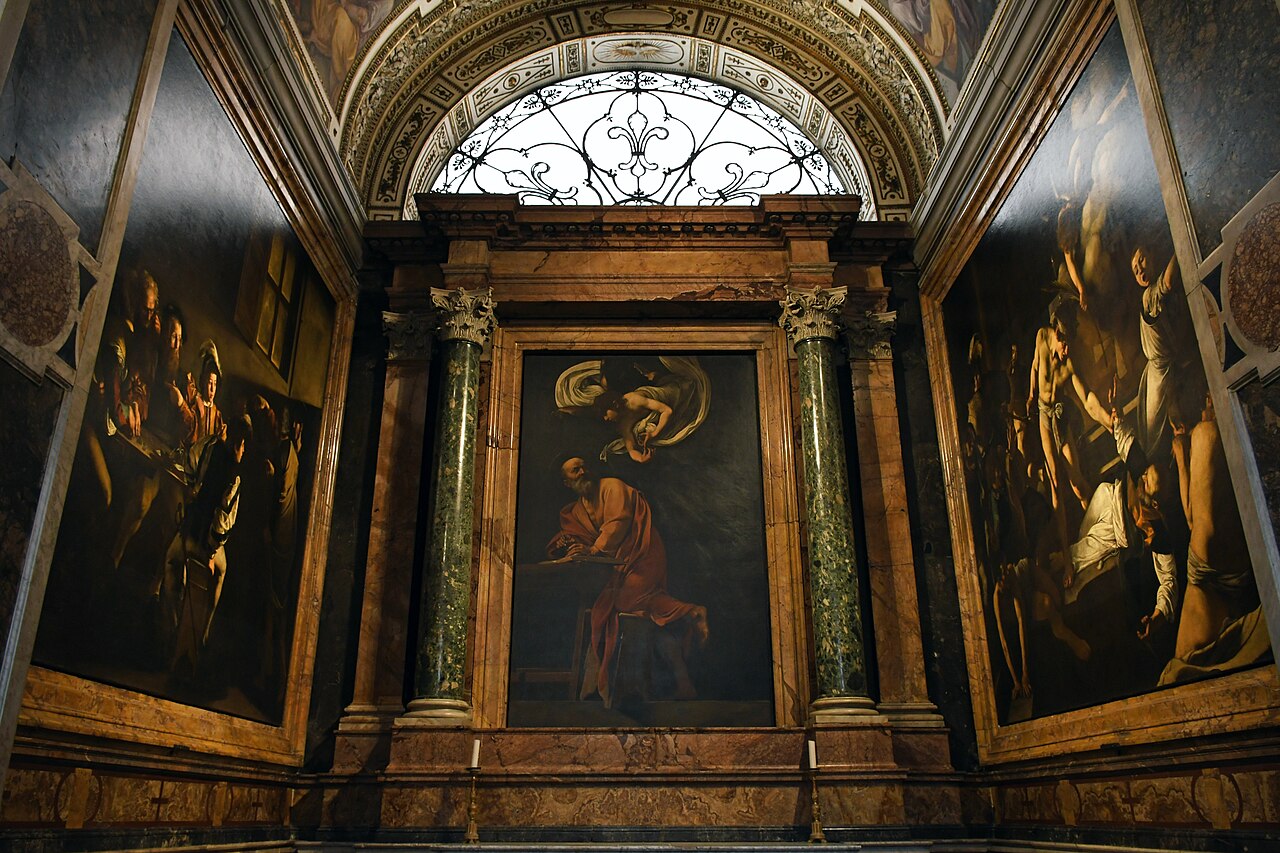
The Roman chapel in San Luigi dei Francesi built to house Caravaggio's three paintings of Saint Matthew.
The chapel was designed to display Caravaggio's three Matthew paintings, and he tailored their lighting to its real window.
About this source
What it is
A chapel within the church of San Luigi dei Francesi in Rome, endowed by the French cardinal Matthieu Cointerel, who died in 1585 and left instructions for its decoration with scenes of his namesake saint, Matthew the Evangelist. Caravaggio painted all three of its Matthew scenes, completed between 1600 and 1602.
Why it matters
The chapel shows how a single commission could take years and involve several failed attempts — an earlier sculptor's statue was rejected, and Caravaggio's own paintings replaced plans by other artists. Caravaggio designed the paintings' lighting to match the chapel's real window, so the painted light and the real light work together, a striking example of how he thought about where his art would be seen.
Look closer
- How does the real window light in the chapel compare to the painted light in the artworks?
- Why might a patron spell out such detailed instructions for a chapel's decoration?
- What does the chapel's long, difficult history tell you about how art commissions worked in this period?
This artifact is part of the curated material that grounds the AI version of Caravaggio on Humy.ai — when students ask about related events, the AI can quote it and cite it.
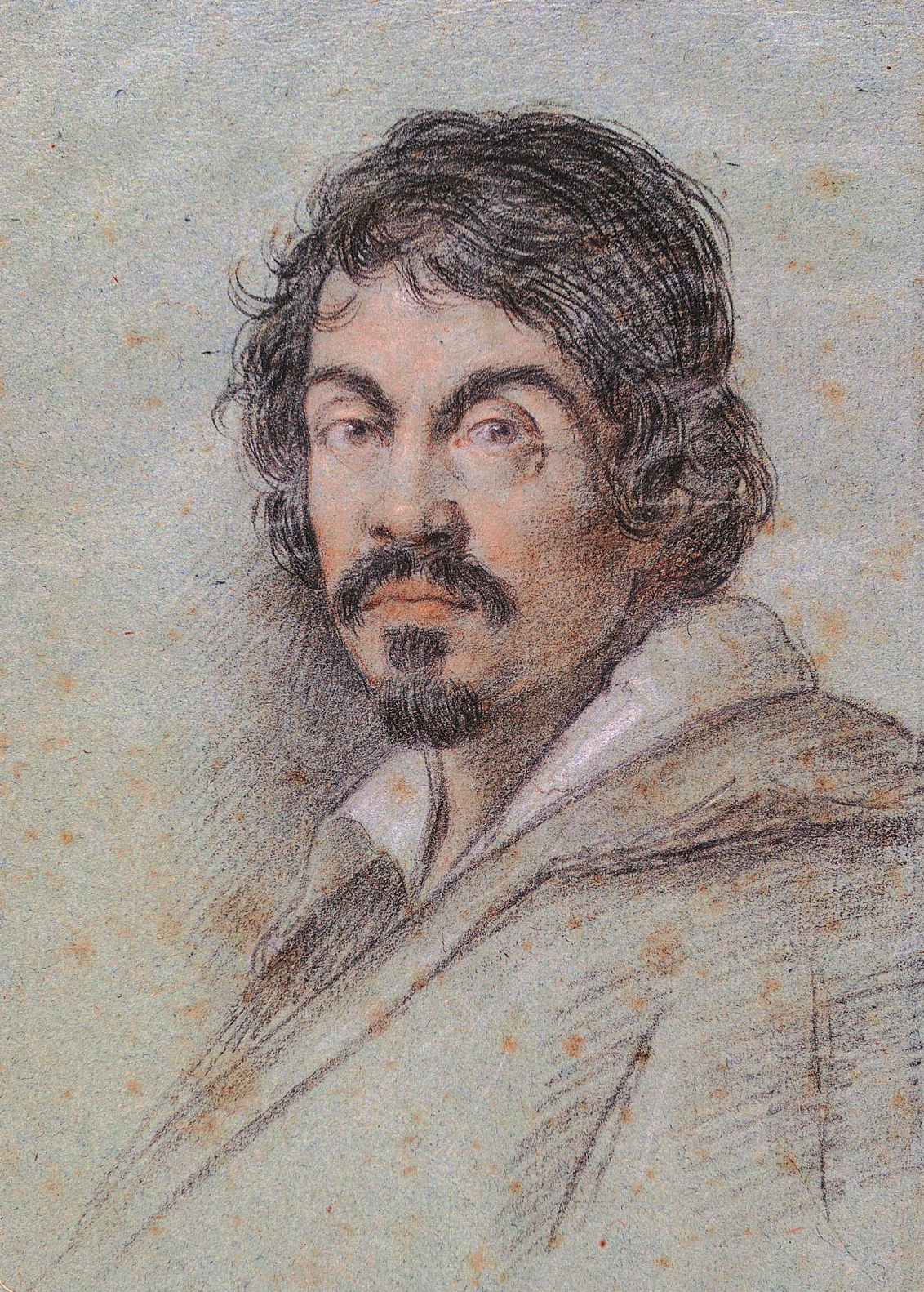
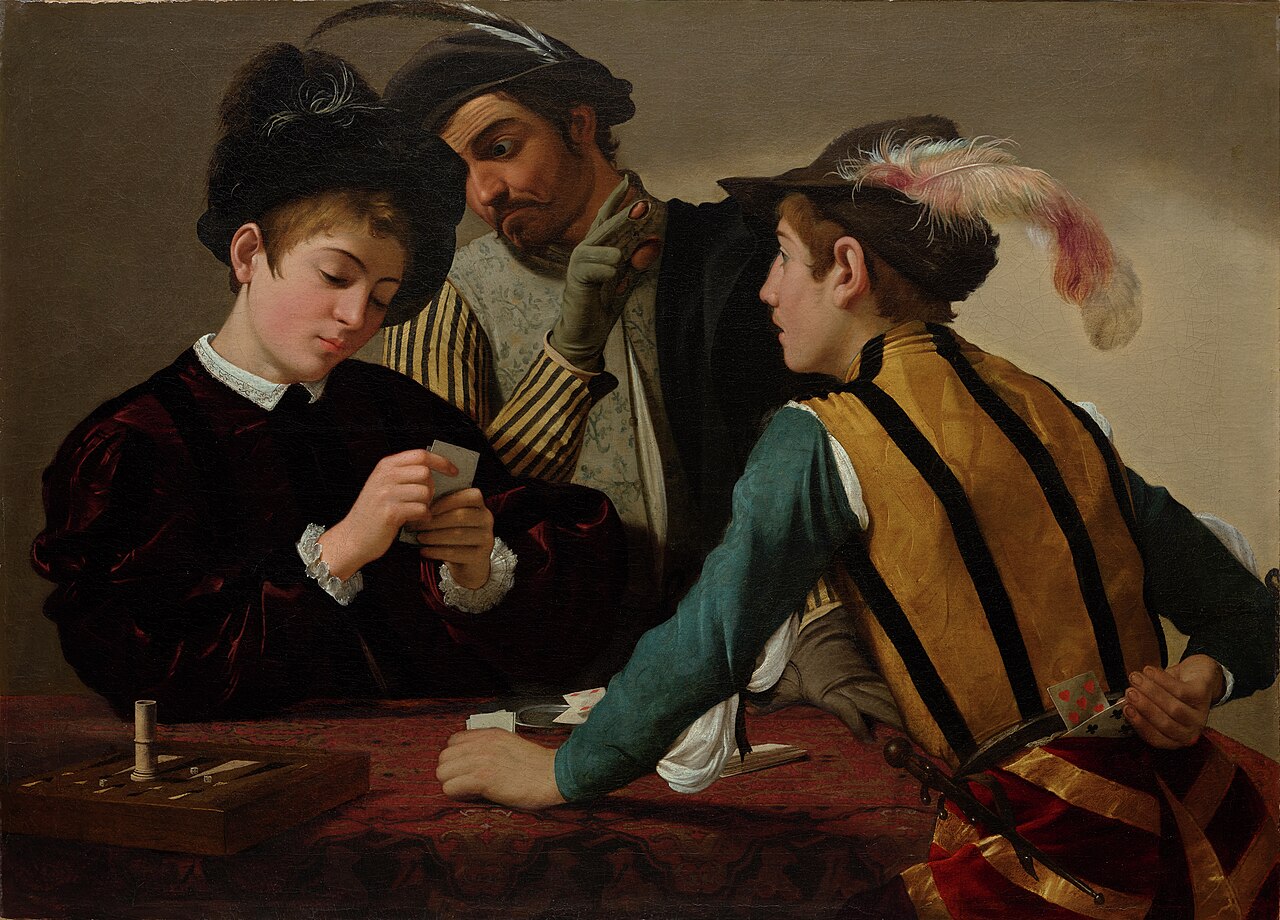
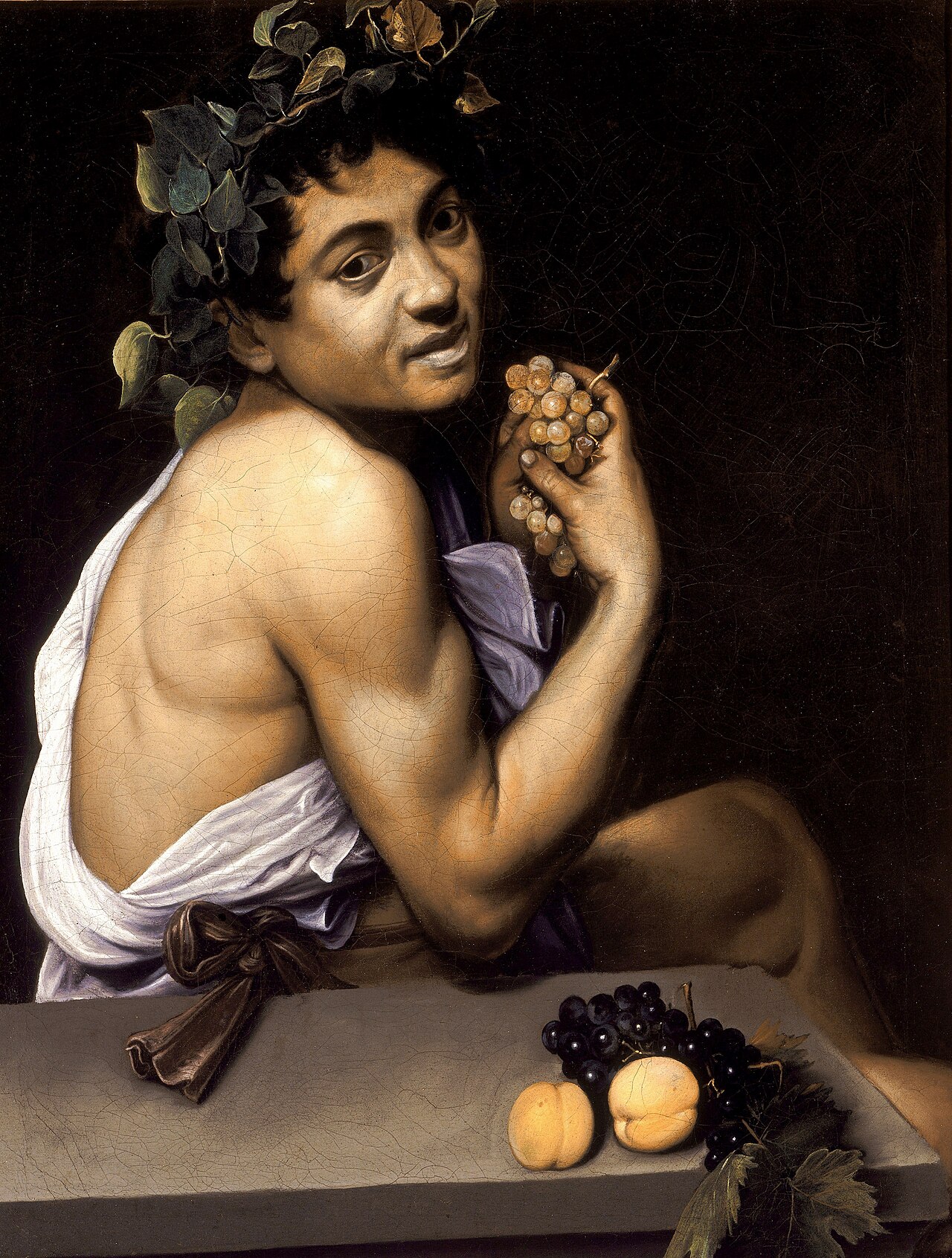
More Caravaggio sources
Browse all 90 →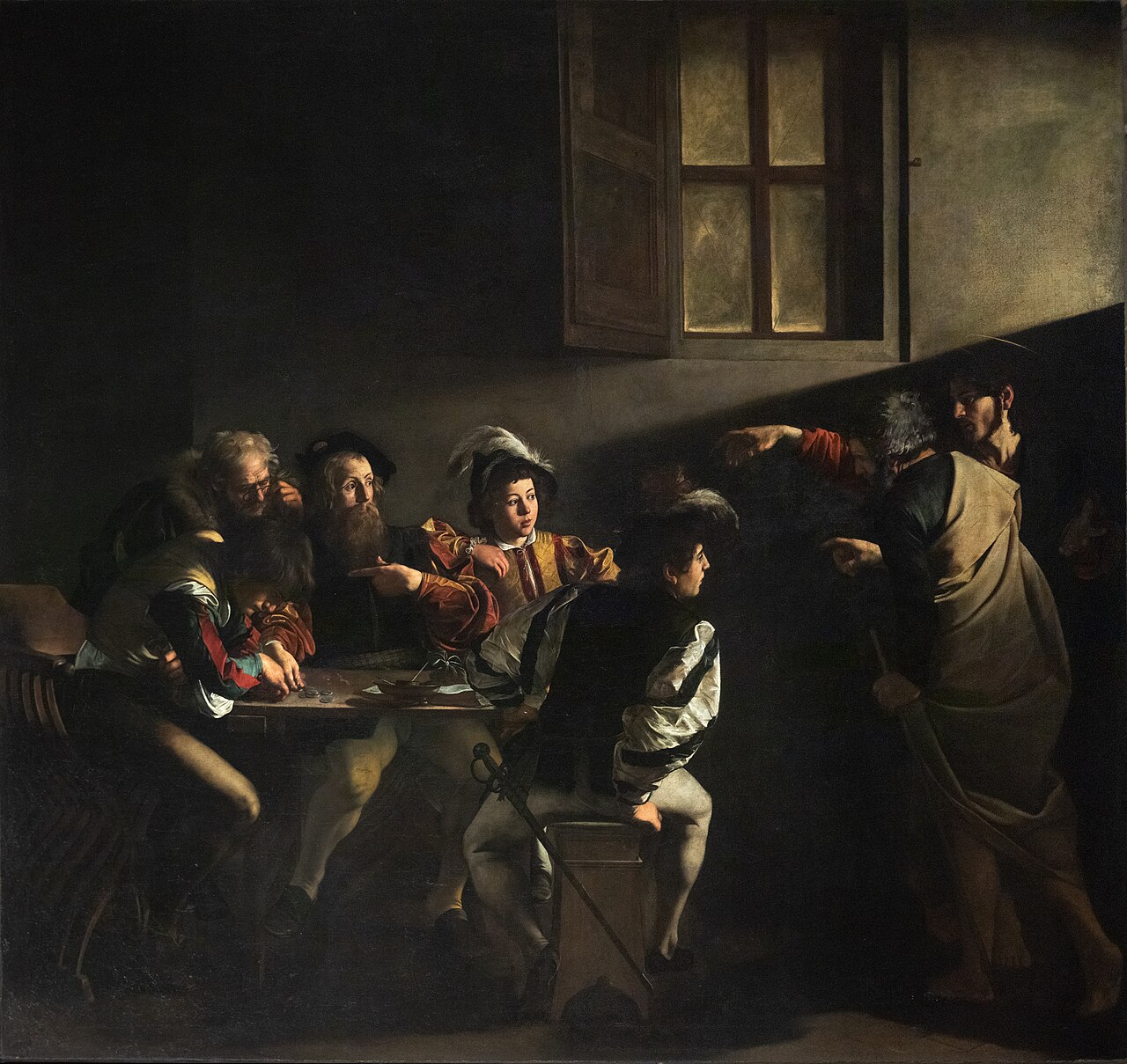 Painting
Secondary source
The Calling of Saint Matthew
Caravaggio · 1599–1600
 Painting
Secondary source
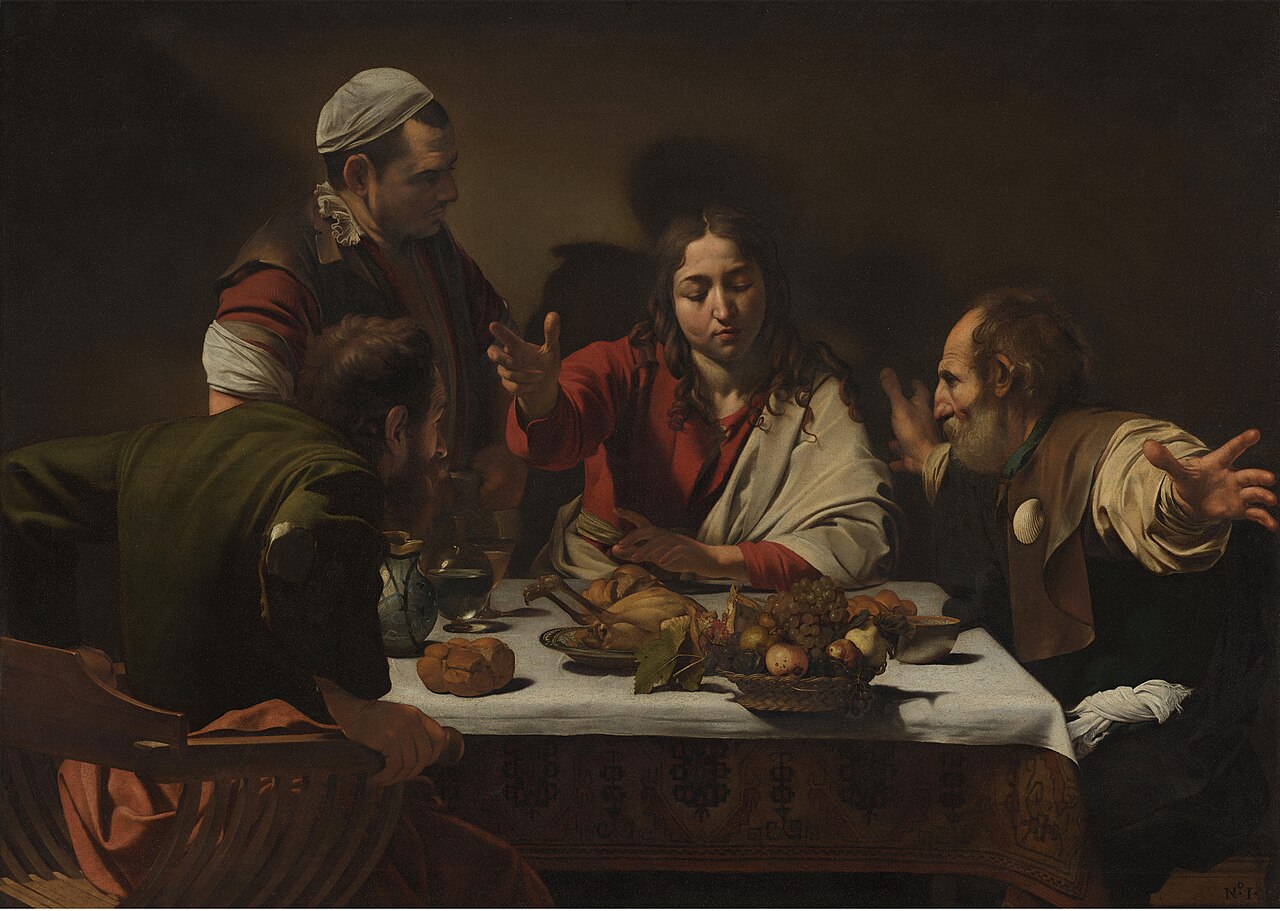
Supper at Emmaus
Caravaggio · 1601
 Painting
Secondary source
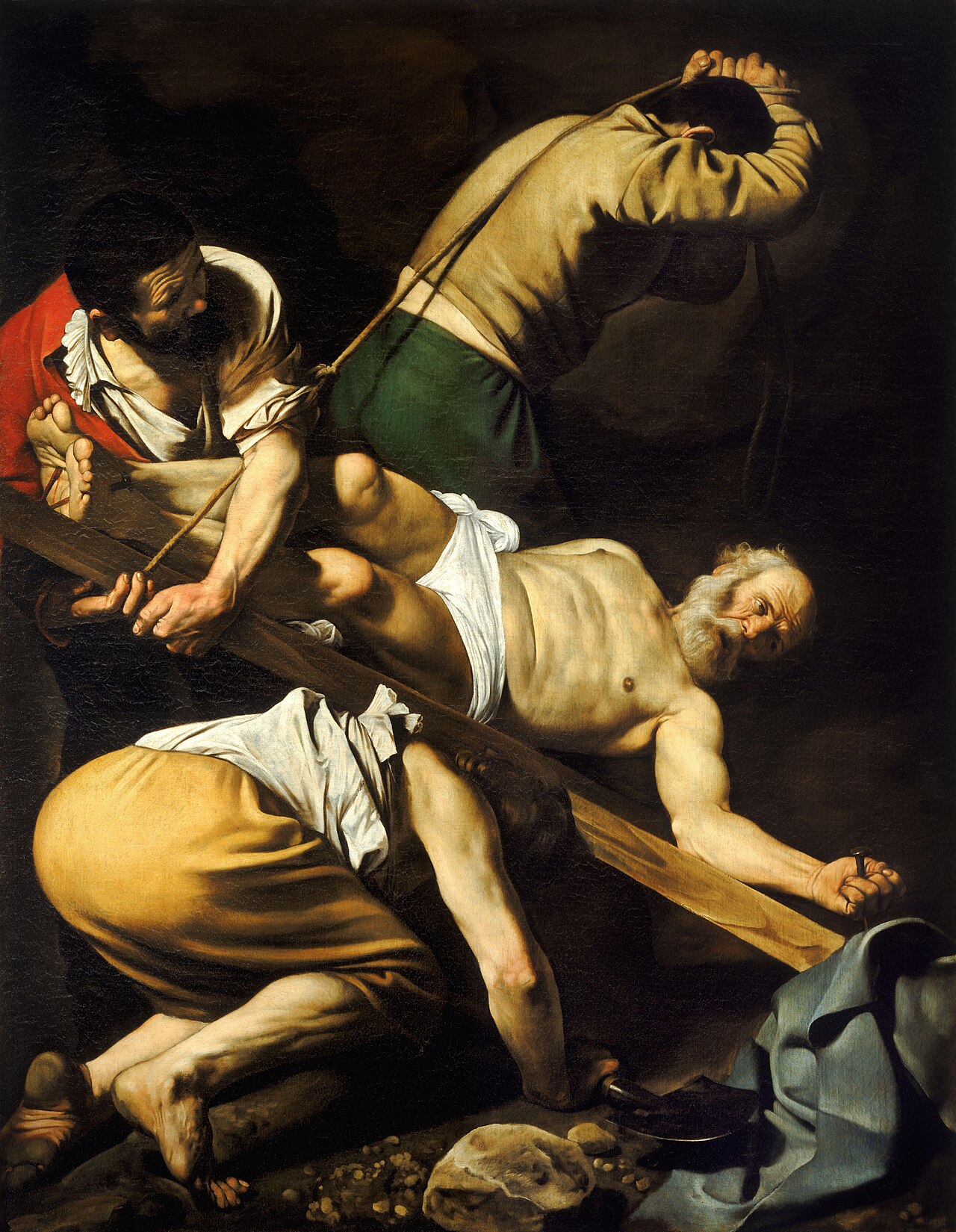
Crucifixion of Saint Peter
Caravaggio · 1600-1601
 Painting
Secondary source
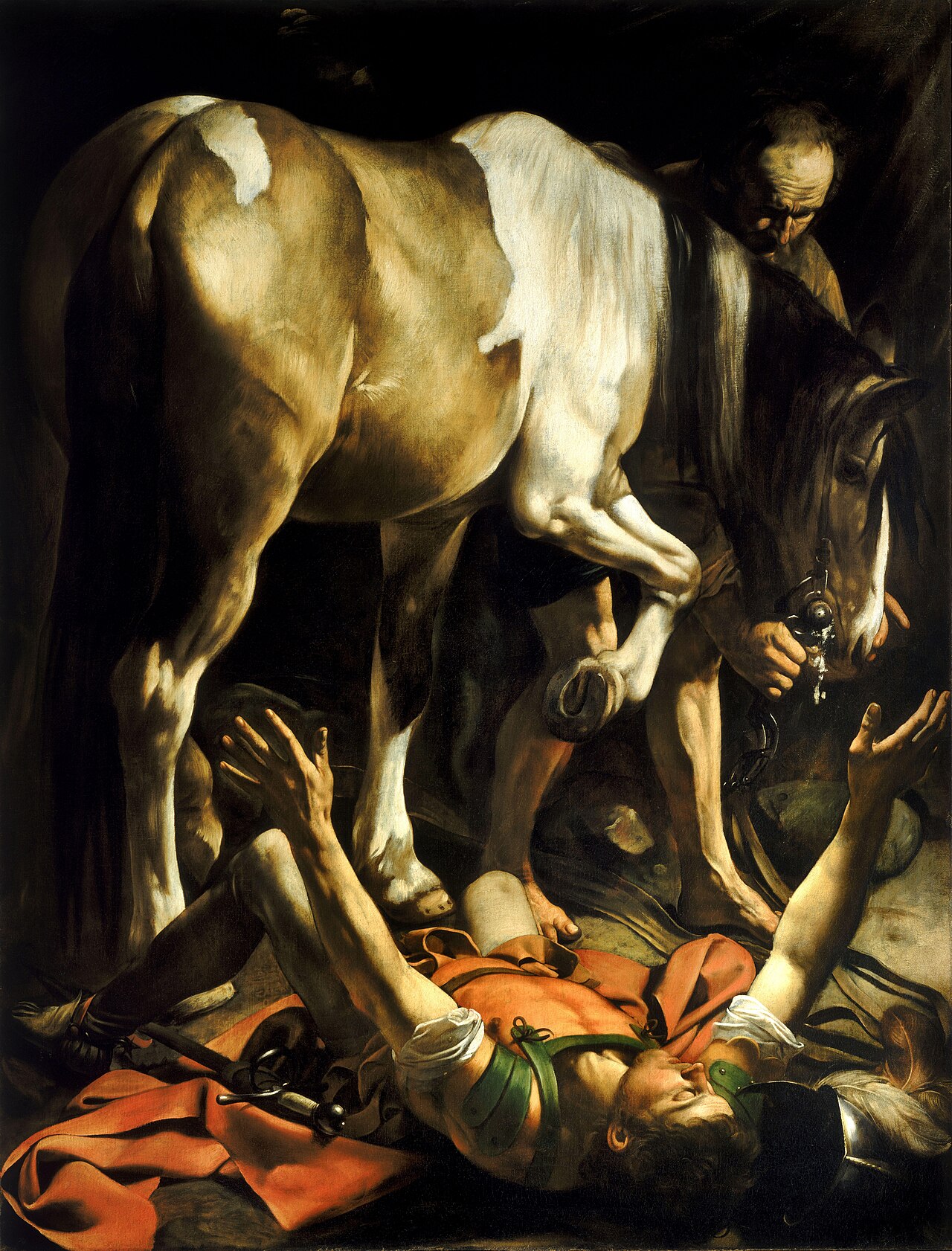
Conversion on the Way to Damascus
Caravaggio · 1600-1601
Free account
Read every Caravaggio source
Sign up free →
Ready when you are
Start chatting with Caravaggio now.
20 messages free · No credit card · Available in 50+ languages.