


Secondary sourceArtifact1386
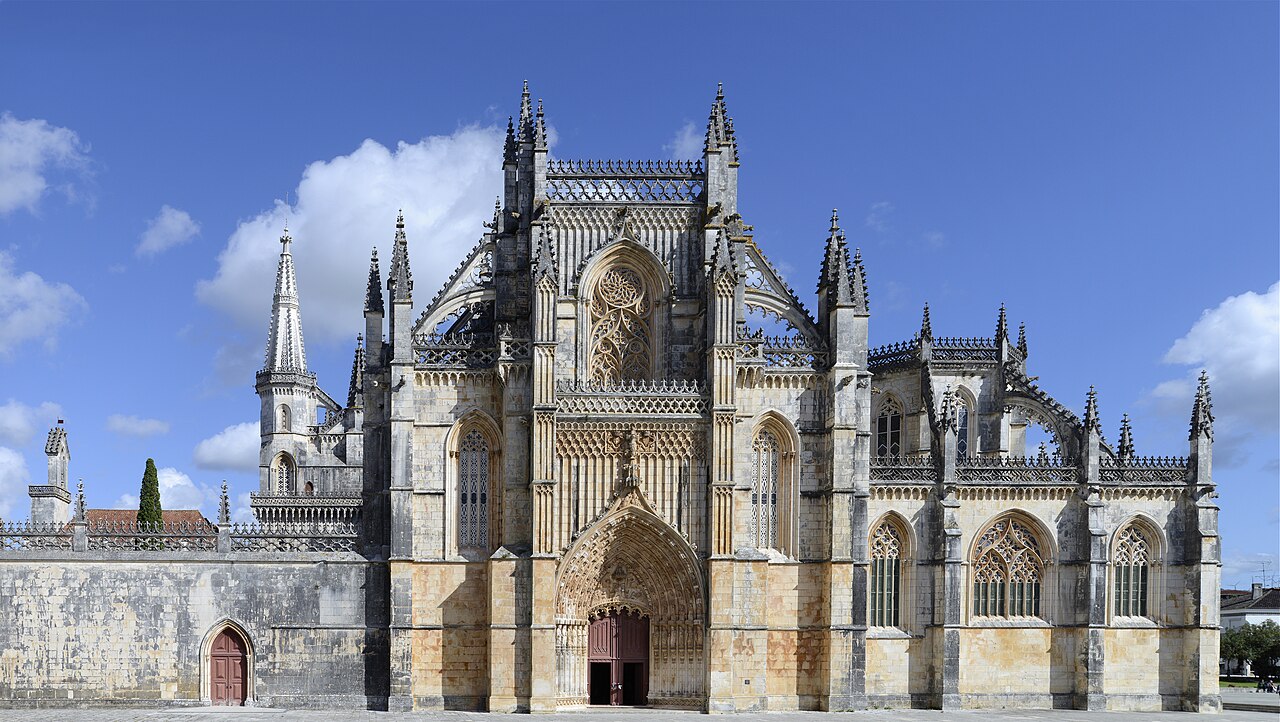
Batalha Monastery
1386
The royal pantheon of the House of Aviz where Henry the Navigator is buried alongside his parents and brothers.
Henry is buried here beside his parents and brothers, in the royal pantheon that expresses the Aviz dynasty's self-image.
About this source
What it is
The Monastery of Batalha in Portugal was built starting in 1386 to give thanks for the Portuguese victory at the Battle of Aljubarrota and fulfil a vow by King John I. Built over more than a century by several architects in Gothic and later Manueline style, it became the burial church of the Aviz dynasty, including John I, Queen Philippa of Lancaster, and their sons, among them Prince Henry the Navigator.
Why it matters
As the dynastic pantheon of the House of Aviz, the monastery expresses how this royal family linked military victory, religious devotion and family identity. Henry's burial here, beside his parents and brothers, places him within the story of a dynasty that promoted both crusading ideals and overseas exploration.
Look closer
- What does the scale and decoration of the building suggest about how the Aviz dynasty wanted to be remembered?
- Why might a battle victory lead to the construction of such an elaborate monastery?
- What might the choice to bury Henry here, rather than elsewhere, tell you about his place within his family?
This artifact is part of the curated material that grounds the AI version of Prince Henry the Navigator on Humy.ai — when students ask about related events, the AI can quote it and cite it.
More Prince Henry the Navigator sources
Meet the AI Prince Henry the Navigator →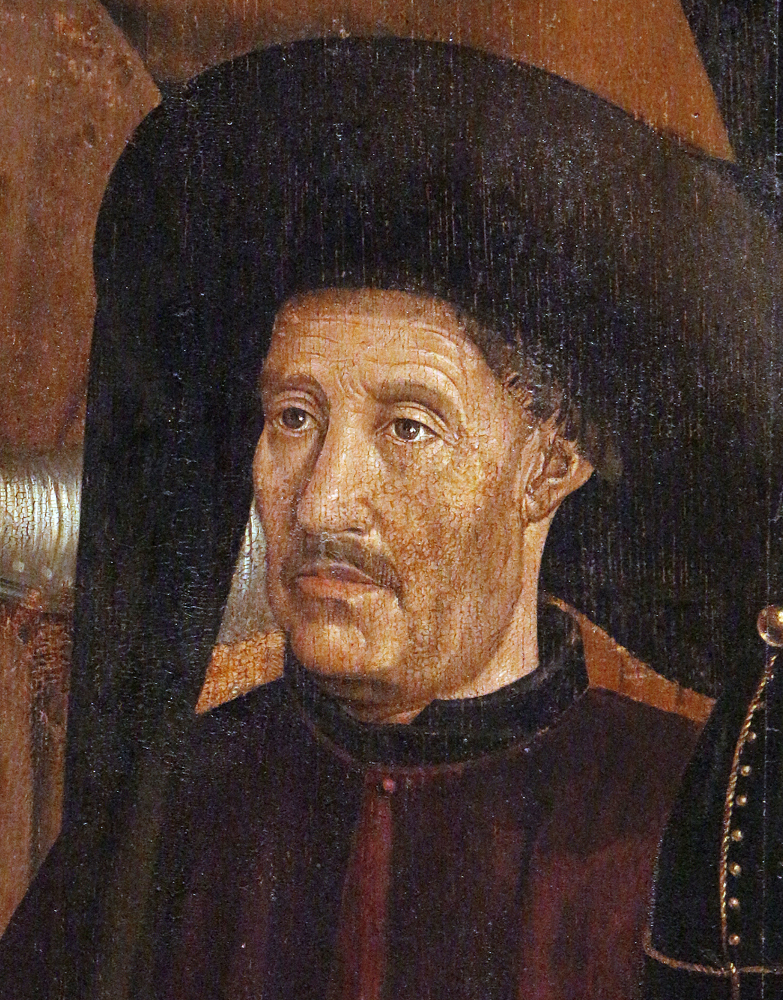 Painting
Secondary source
Panel of the Prince (Detail)
Nuno Gonçalves · c. 1470
 Artifact
Secondary source
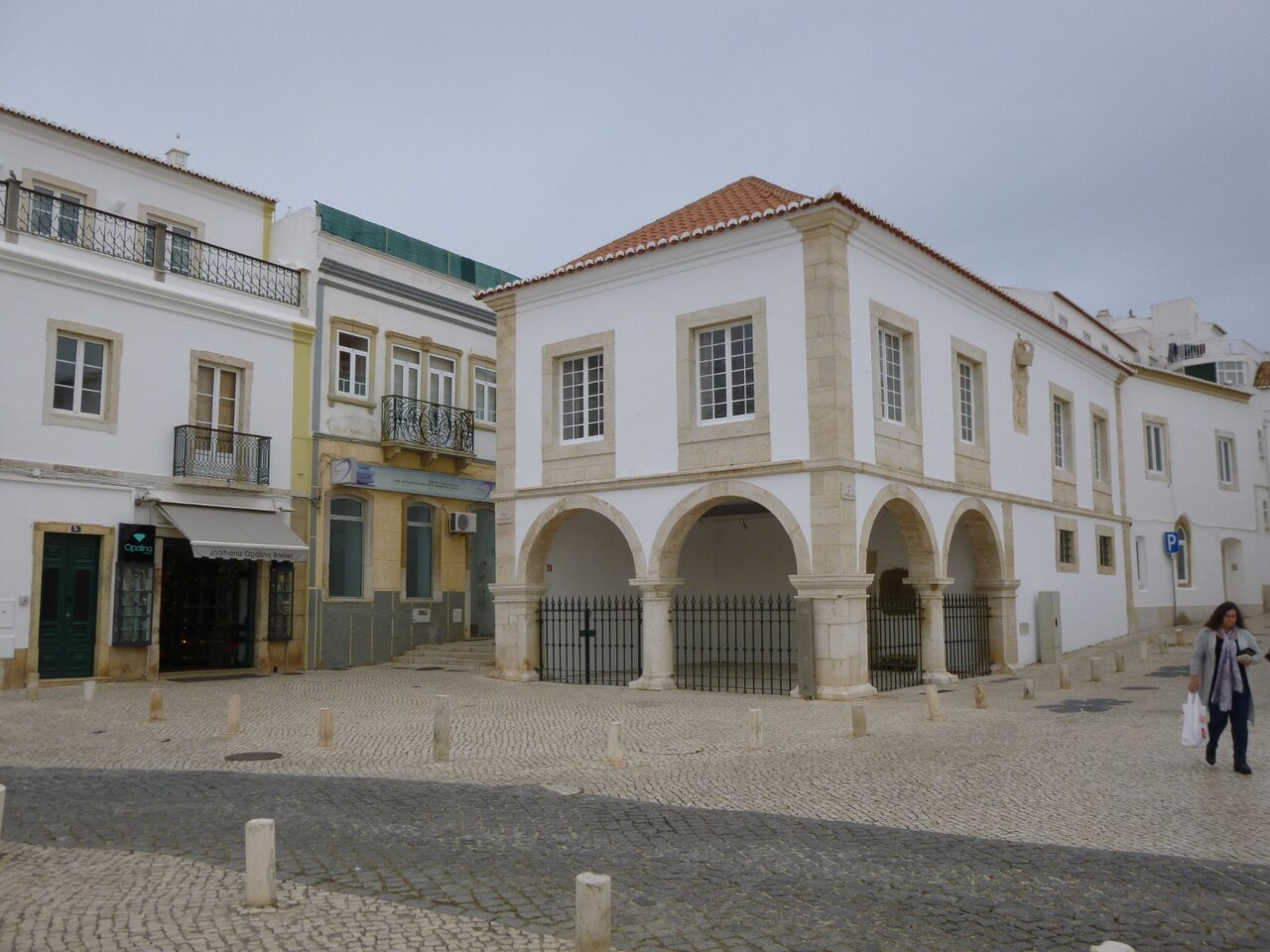
Mercado de Escravos
Built 1691; site of 1444 slave sale
 Book
Secondary source
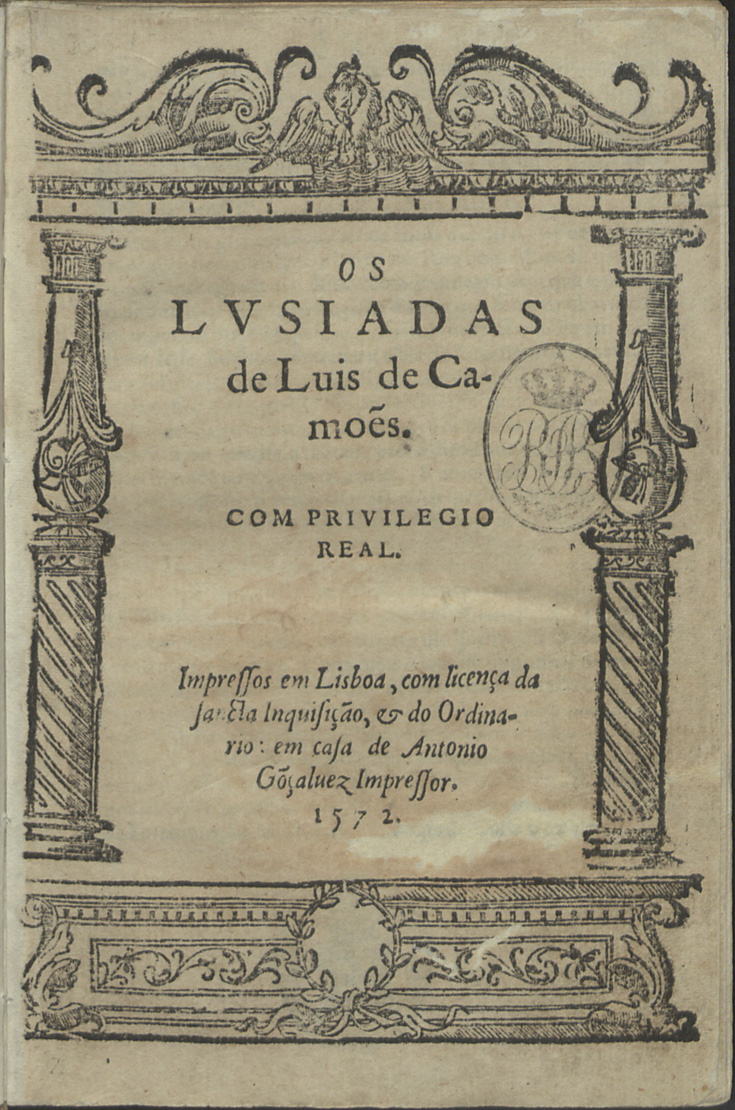
Os Lusíadas
Luís de Camões · 1572
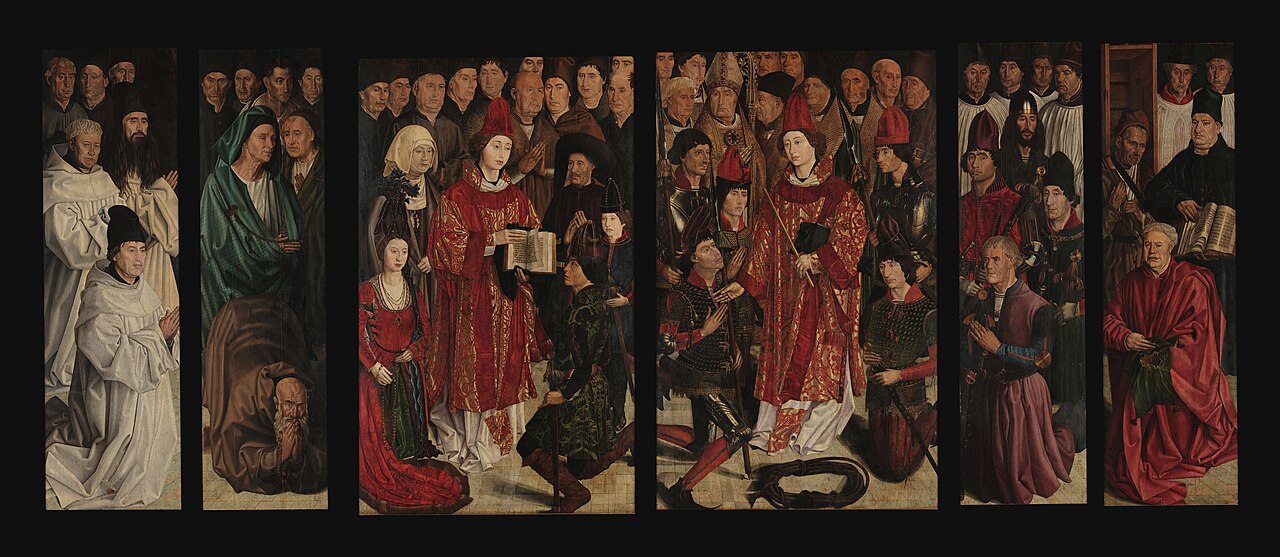 Painting
Secondary source
Saint Vincent Panels
Nuno Gonçalves · c. 1450-1480
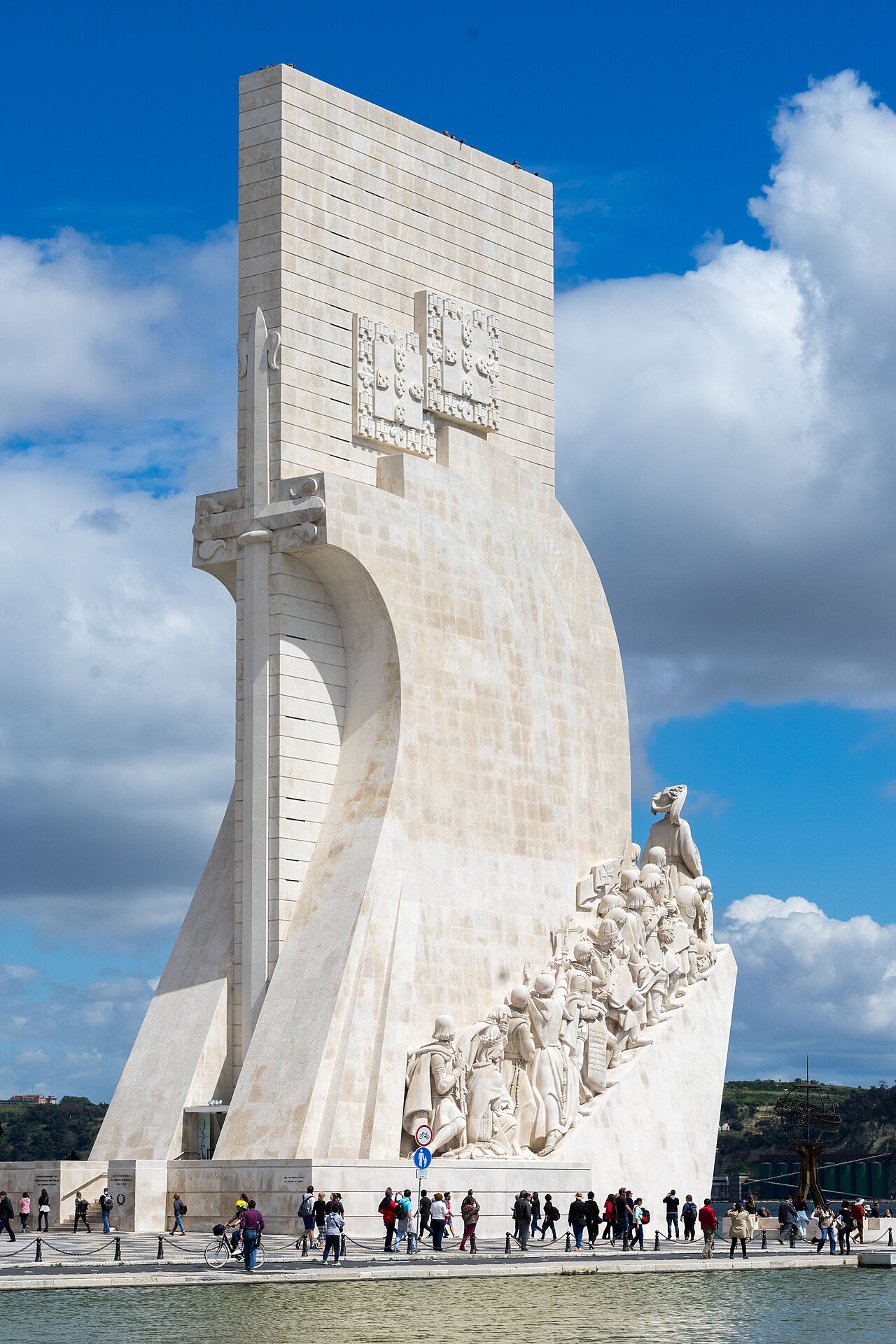 Sculpture
Secondary source
Padrão dos Descobrimentos
Leopoldo de Almeida · 1960 (inaugurated 9 August 1960)
Ready when you are
Start chatting with Prince Henry the Navigator now.
20 messages free · No credit card · Available in 50+ languages.