


Secondary sourcePhotograph15 November 2015
Batalha Monastery (UNESCO World Heritage Site)
Travelholic Path · 15 November 2015
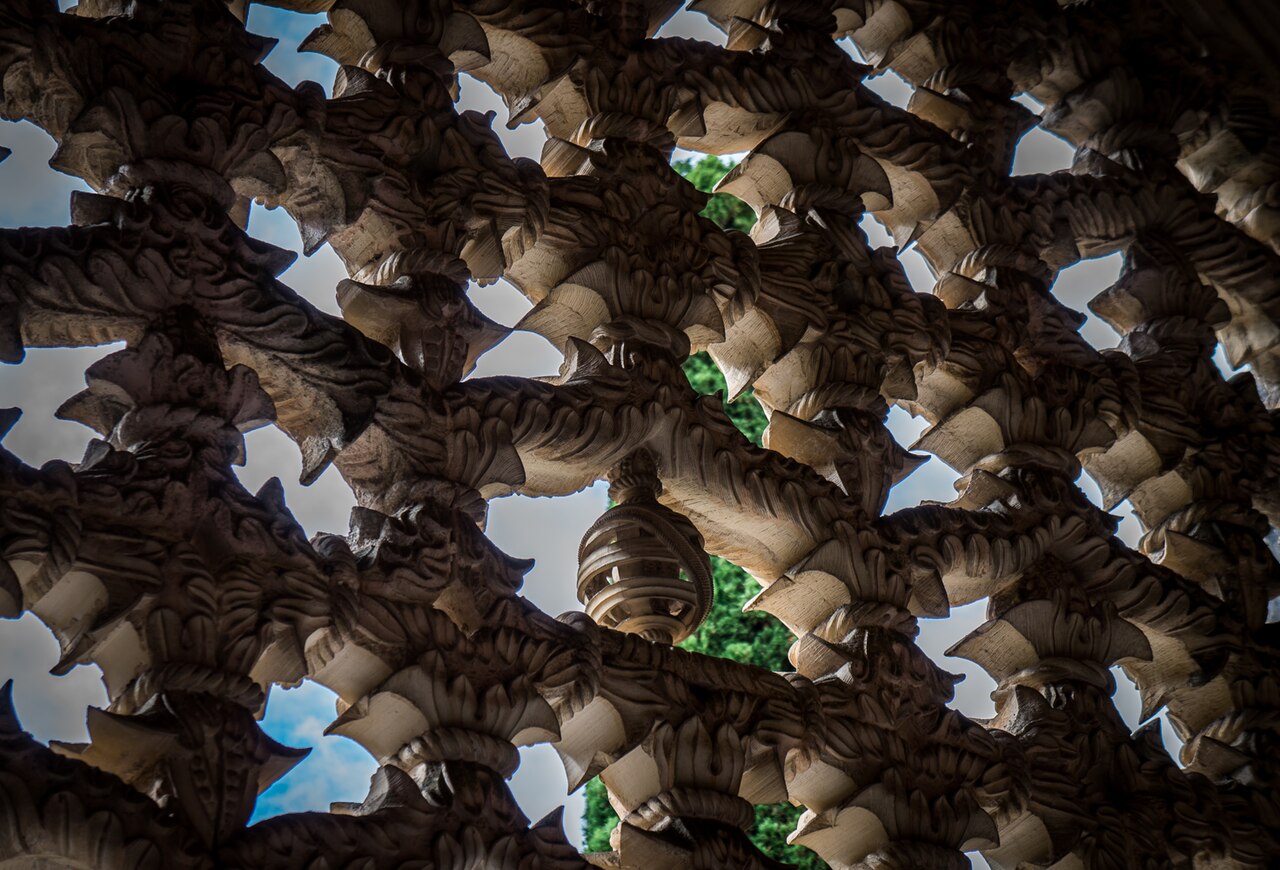
A modern tourist photograph of carved stonework at the Batalha Monastery, burial church of Henry the Navigator's royal dynasty.
Depicts the burial church of the Aviz dynasty and royal house to which Henry the Navigator belonged.
About this source
What it is
This 2015 photograph shows a close-up view of carved stone tracery and pinnacles at the Batalha Monastery, known as the Monastery of Santa Maria da Vitória, in Portugal. It was built after King John I promised to build a monastery if he won the 1385 Battle of Aljubarrota, and it later became the burial church of the Aviz royal family, including Henry the Navigator's relatives.
Why it matters
The monastery shows how a royal vow after a battle could shape architecture for centuries. Its Royal Cloister, added decades after the main building, shows changing tastes in the same royal family's building projects. The site has been a UNESCO World Heritage Site since 1983.
Look closer
- What does the detail in this carving suggest about the skills and resources used?
- Why might a king make such a promise before a battle?
- What parts of this building's history are left out of a single close-up photograph?
This photograph is part of the curated material that grounds the AI version of Prince Henry the Navigator on Humy.ai — when students ask about related events, the AI can quote it and cite it.
More Prince Henry the Navigator sources
Meet the AI Prince Henry the Navigator →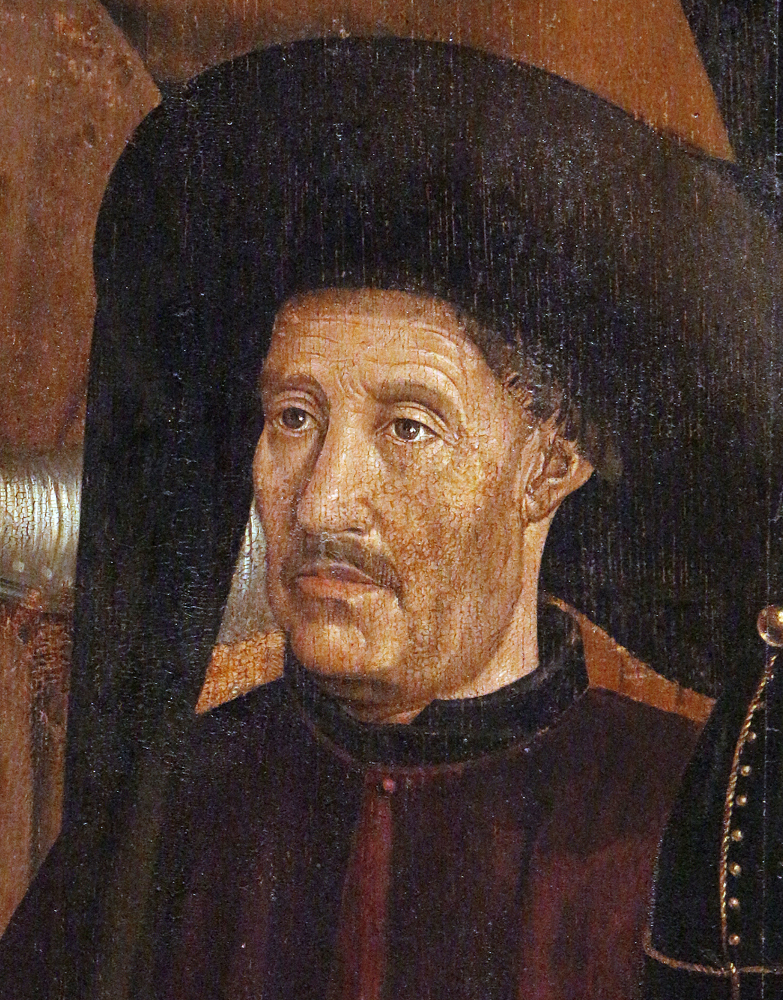 Painting
Secondary source
Panel of the Prince (Detail)
Nuno Gonçalves · c. 1470
 Artifact
Secondary source
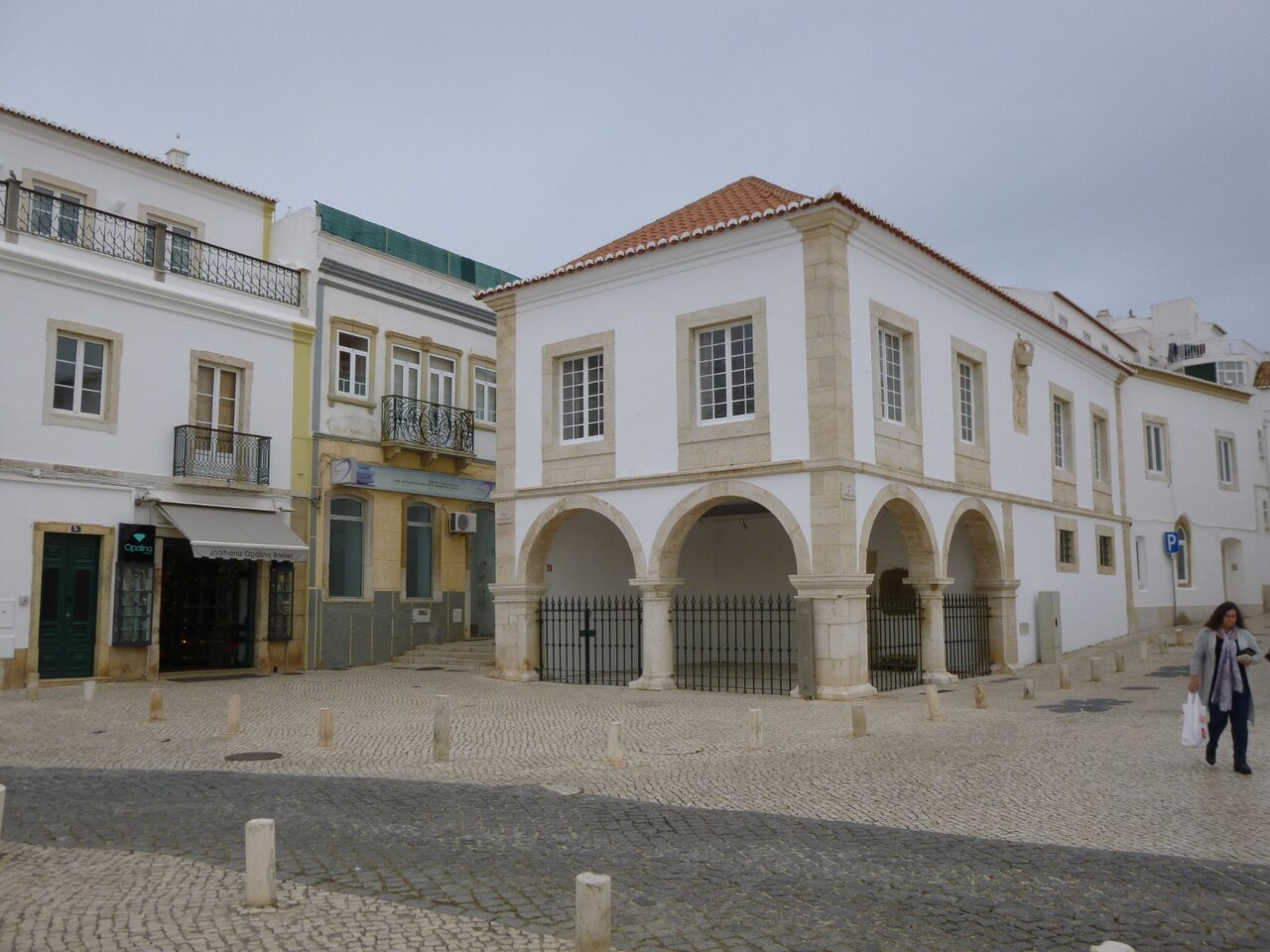
Mercado de Escravos
Built 1691; site of 1444 slave sale
 Book
Secondary source
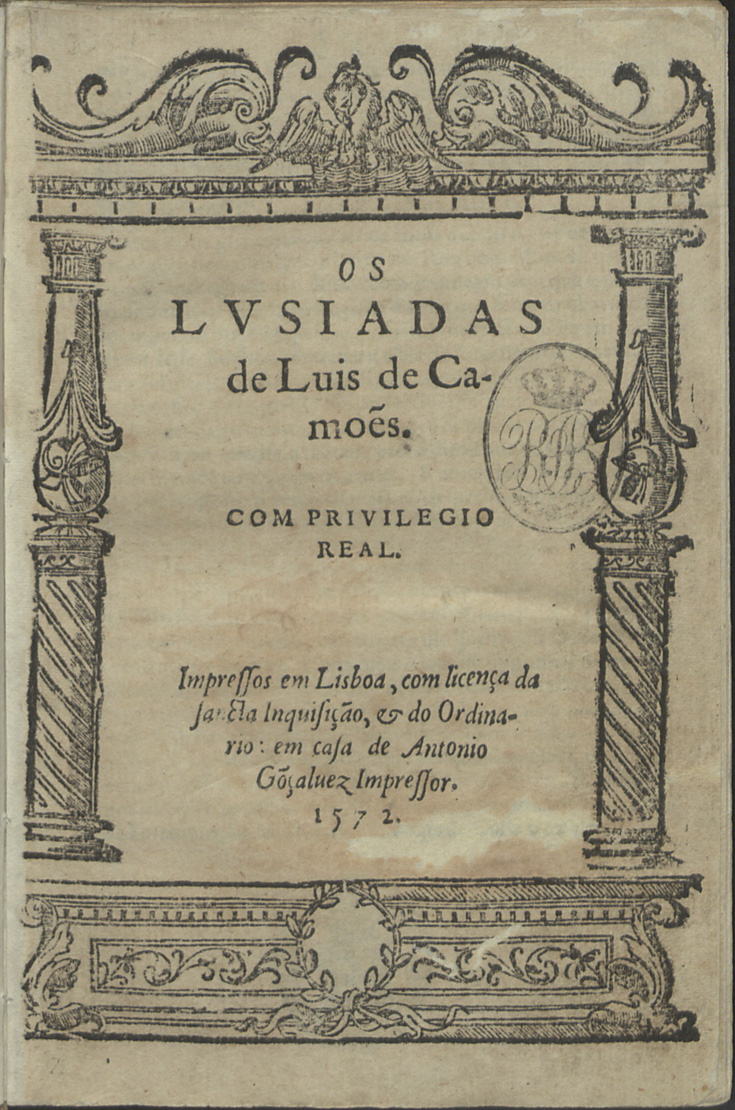
Os Lusíadas
Luís de Camões · 1572
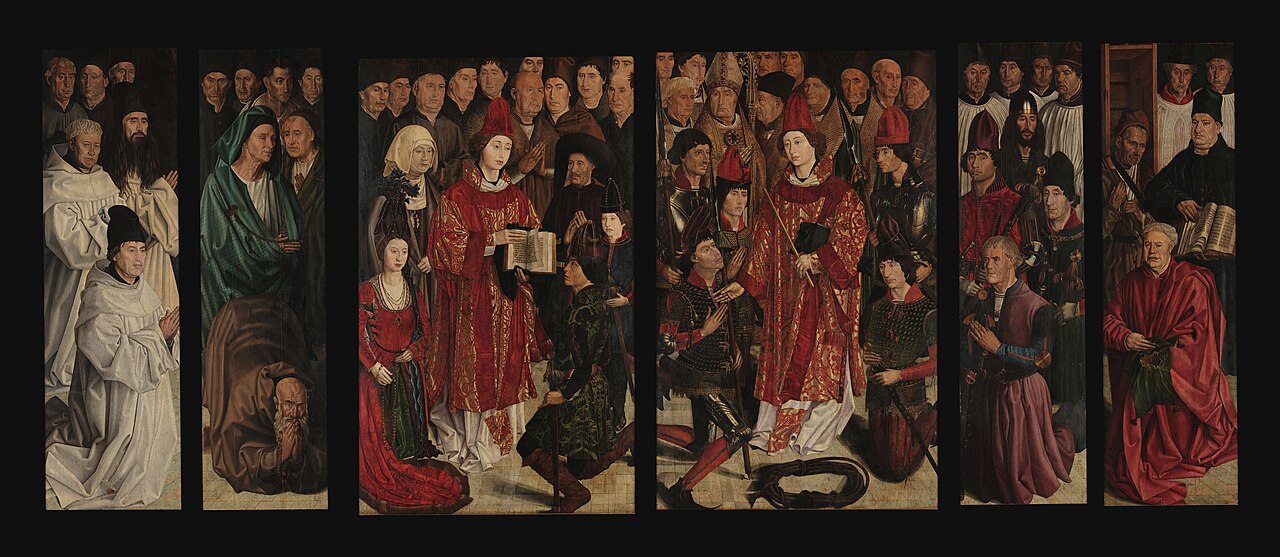 Painting
Secondary source
Saint Vincent Panels
Nuno Gonçalves · c. 1450-1480
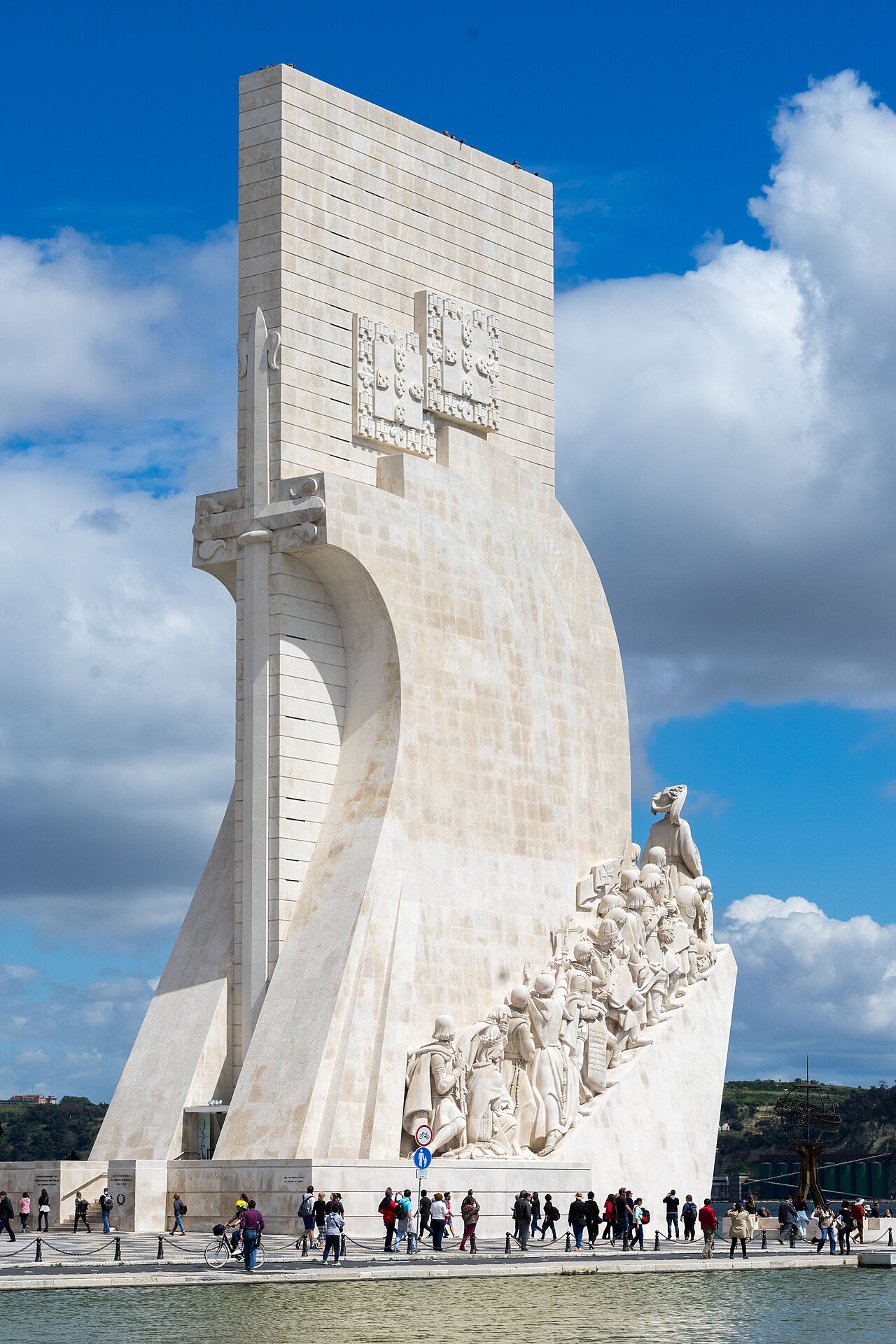 Sculpture
Secondary source
Padrão dos Descobrimentos
Leopoldo de Almeida · 1960 (inaugurated 9 August 1960)
Ready when you are
Start chatting with Prince Henry the Navigator now.
20 messages free · No credit card · Available in 50+ languages.