


Secondary sourcePainting1540s
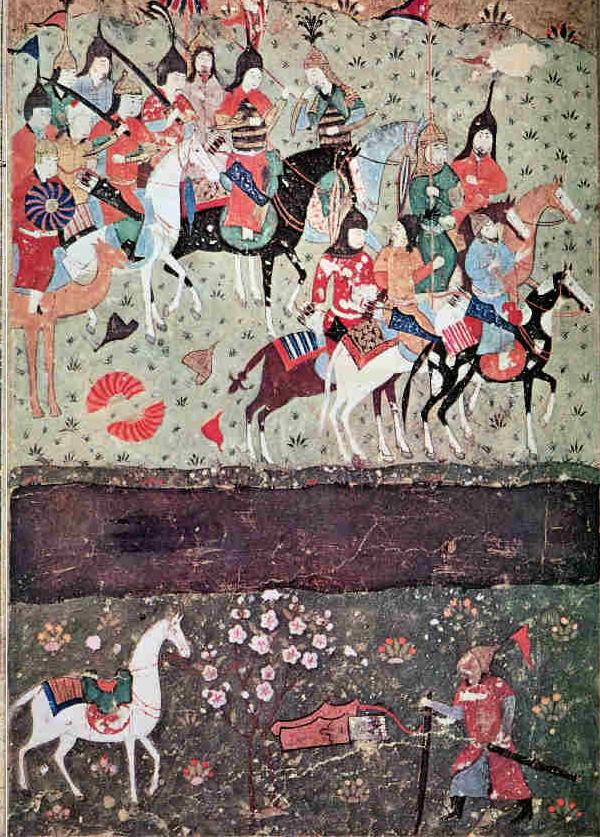
Battle of the Indus, Chingis Khaan watching Jalal al-Din
Mas'ud b. Osmani Kuhistani · 1540s
A 1540s Persian-style miniature painting showing Genghis Khan and his retinue watching the Khwarazmshah Jalal ad-Din prepare to cross the Indus. It is a later image of the Khan, not an eyewitness record.
Shows Genghis Khan as a watching figure in a later Persian painting, showing how his story was retold in art centuries after his death.
About this source
What it is
This is a Persian-style miniature painting by Mas'ud b. Osmani Kuhistani, dated to the 1540s. According to the Commons description, it shows Genghis Khan and his retinue watching in amazement as the Khwarazmshah Jalal ad-Din prepares to cross the Indus River. The upper part shows mounted warriors in colourful robes and tall hats. A lower scene shows a rider on a white horse watching a figure in red near a pink flowering tree.
The painting was made more than three centuries after Genghis Khan died in 1227. It shows how a later artist imagined the scene, so it should be read as an interpretation rather than a record made on the spot.
Why it matters
The painting shows that Genghis Khan was still remembered in the Persian artistic world long after his death. It links him with Jalal ad-Din, the Khwarazmshah, who appears in the scene as the figure preparing to cross the river. Illustrated histories like this one were produced at courts and reflected the tastes and purposes of the patrons who commissioned them.
Look closer
- Who is shown watching, and how does the artist separate the watchers from the figure crossing?
- Why might a painter from the 1540s choose to show the Khan at this moment?
- What does the painting leave out about the battle itself, and what could that omission suggest?
This painting is part of the curated material that grounds the AI version of Genghis Khan on Humy.ai — when students ask about related events, the AI can quote it and cite it.
More Genghis Khan sources
Meet the AI Genghis Khan →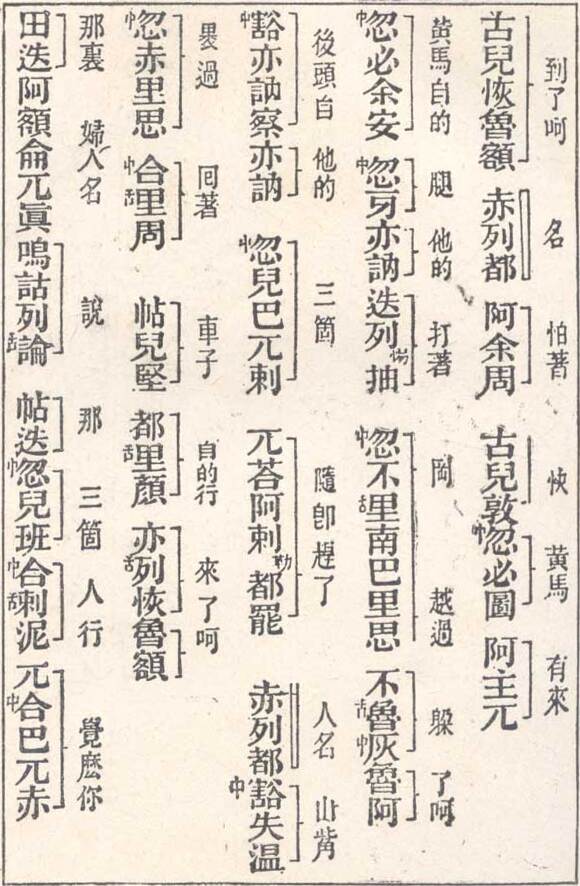 Book
Secondary source
The Secret History of the Mongols
c. 1228 (completed after 1227)
 Painting
Secondary source
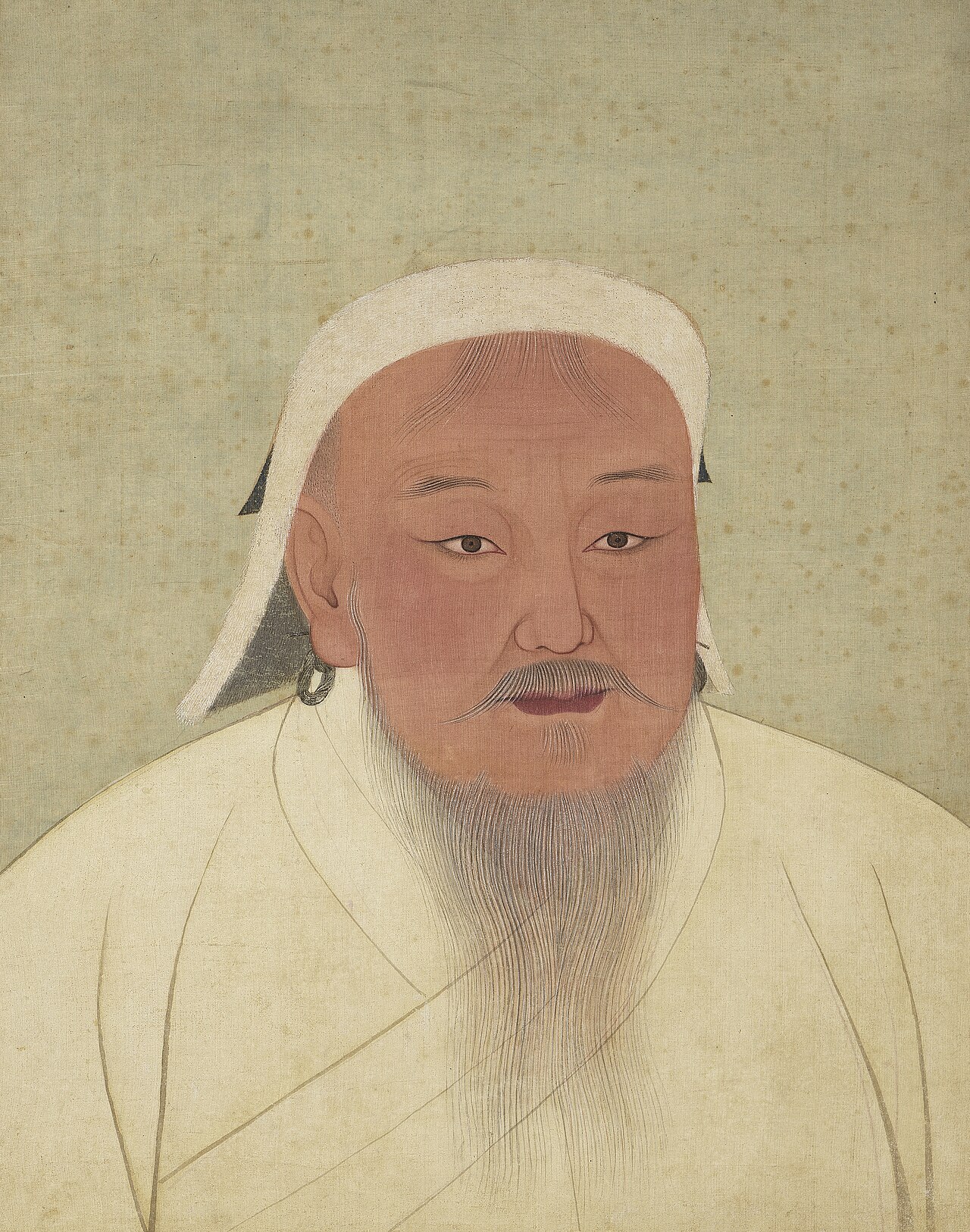
Portrait of Genghis Khan
Unknown Yuan court painter
 Book
Secondary source
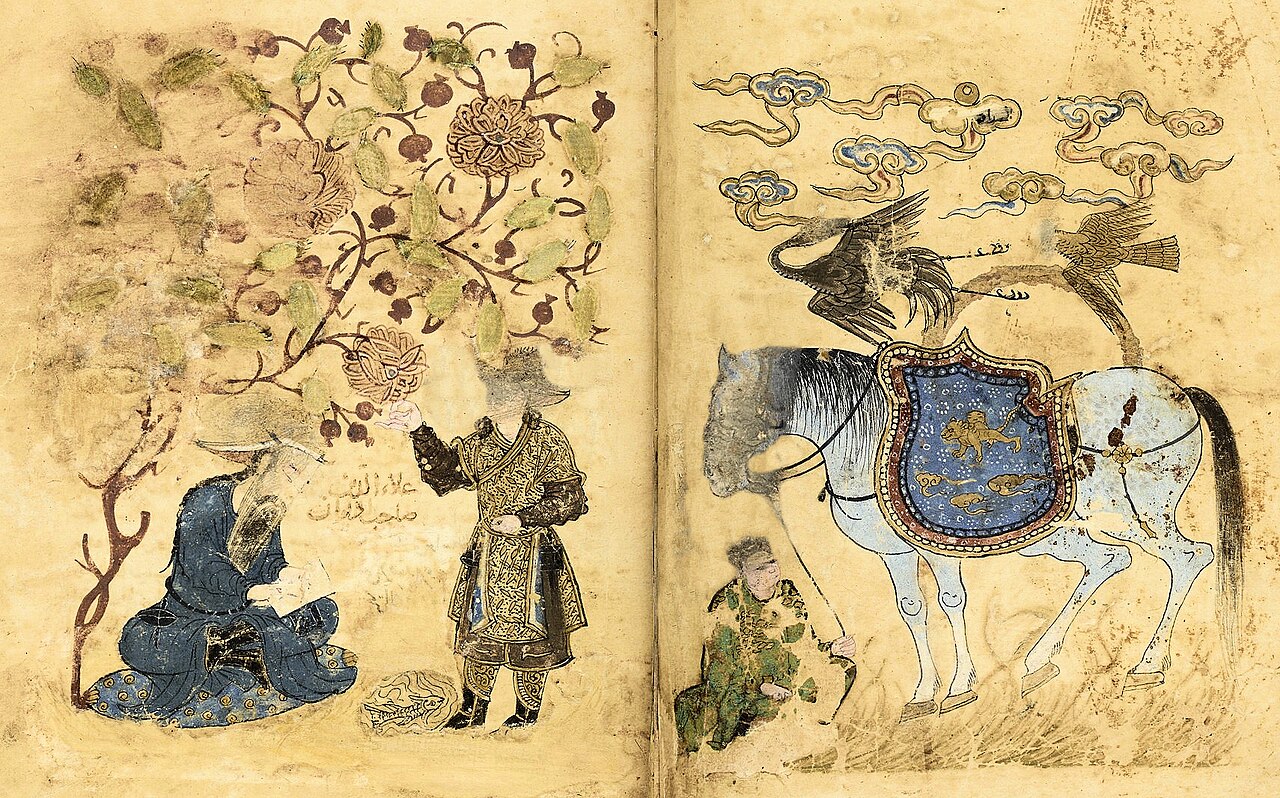
Tarikh-i Jahangushay-i Juvaini
Ata-Malik Juvayni
 Book
Secondary source
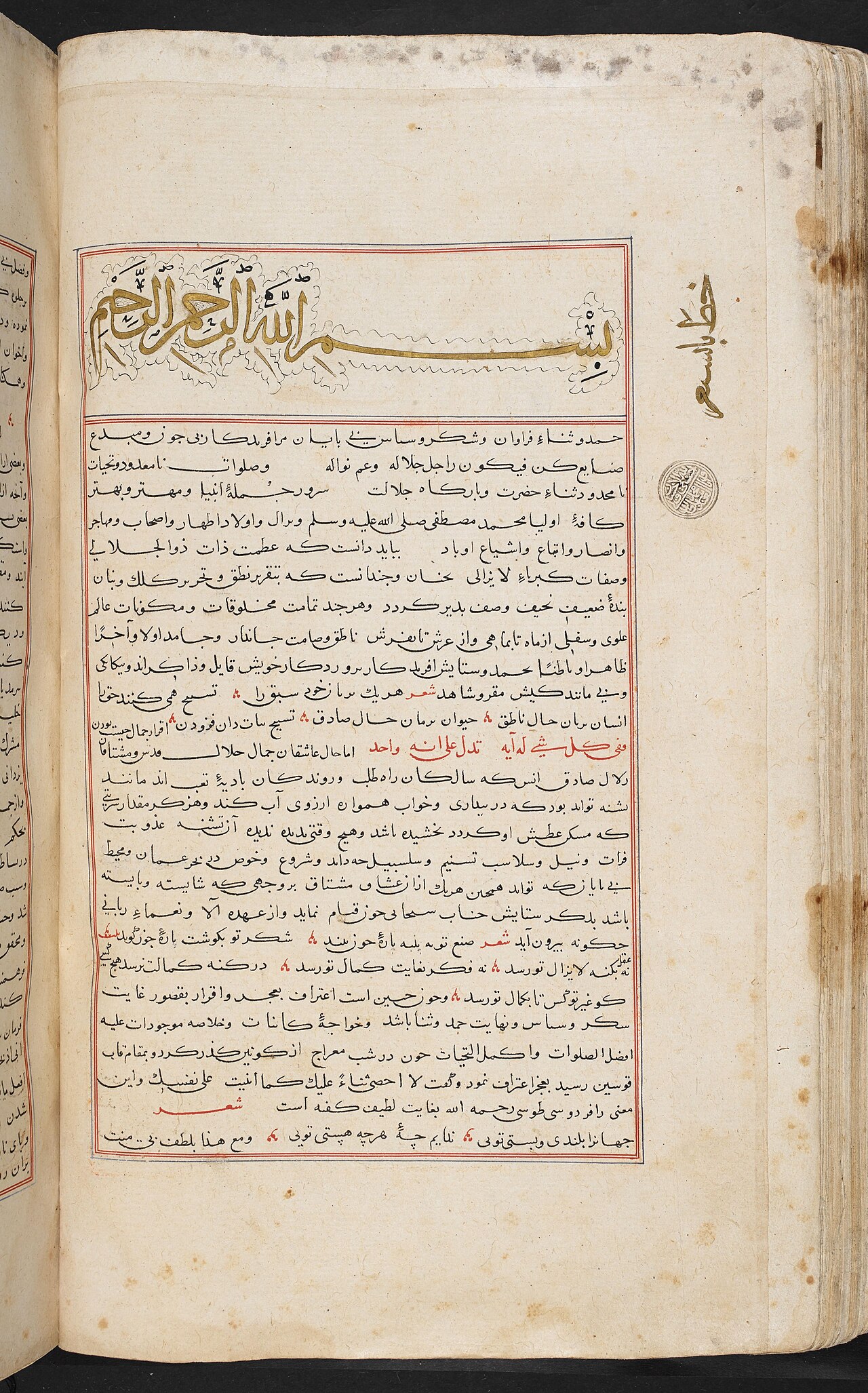
Jami' al-tawarikh
Rashid al-Din Hamadani · c. 1400 (manuscript copy)
 Artifact
Primary source
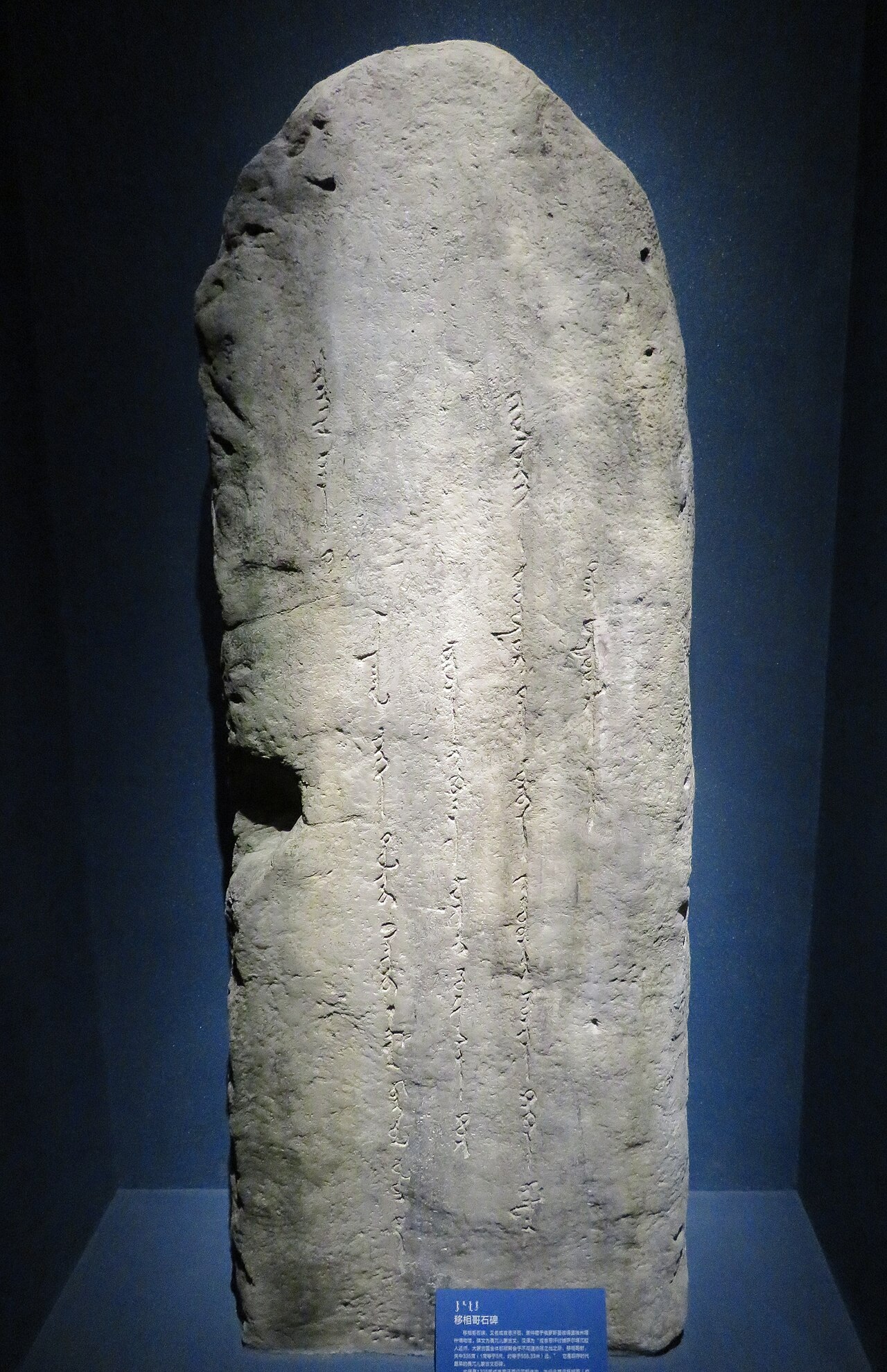
Stele of Genghis Khan
c. 1224-1225
Ready when you are
Start chatting with Genghis Khan now.
20 messages free · No credit card · Available in 50+ languages.