


Secondary sourcePainting1889
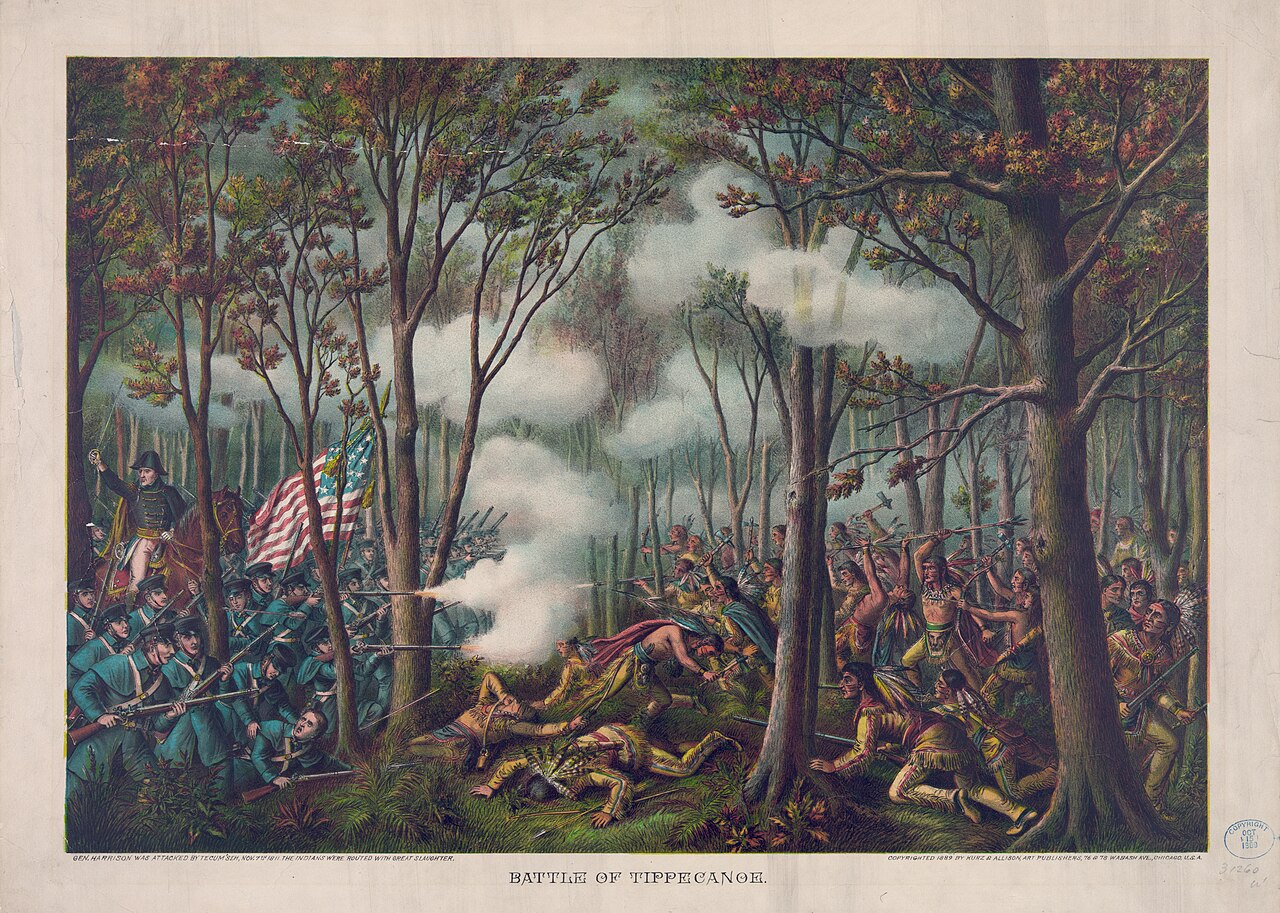
Battle of Tippecanoe
Kurtz & Allison · 1889
An 1889 chromolithograph by Kurtz & Allison showing the 1811 battle at Prophetstown, fought while Tecumseh was away and involving his brother Tenskwatawa.
This later popular print depicts the 1811 battle that Tenskwatawa led against American forces while Tecumseh was away.
About this source
What it is
This is an 1889 chromolithograph print published by Kurtz & Allison, Popular Graphic Arts. It measures 55.2 by 71.7 centimeters. It shows American troops under General William Henry Harrison fighting Native forces led by The Prophet, Tenskwatawa, in a forest. On the left, blue-coated soldiers fire muskets under an American flag while a mounted officer raises his hat. On the right, warriors fight, and several lie wounded or dead. The print's caption states that Harrison was attacked by Tecumseh on 7 November 1811 and that the Indians were routed with great slaughter.
Why it matters
The battle destroyed Prophetstown, the community of Tenskwatawa, while Tecumseh was away recruiting allies. Tenskwatawa was part of Tecumseh's confederation, so the fight helped shape the alliance Tecumseh built. The print was made in 1889, nearly eighty years later, and its caption reflects an American view of the event. It shows how popular printmakers presented Native leaders to the public.
Look closer
- Who is shown as brave, who is shown as wounded, and how does the composition guide your eye?
- Why does the caption say the Indians were routed with great slaughter, and who is it addressing?
- What does the print leave out, such as the reasons Native people had for resisting the settlement of their lands?
This painting is part of the curated material that grounds the AI version of Tenskwatawa and Tecumseh on Humy.ai — when students ask about related events, the AI can quote it and cite it.
More Tenskwatawa sources
Meet the AI Tenskwatawa →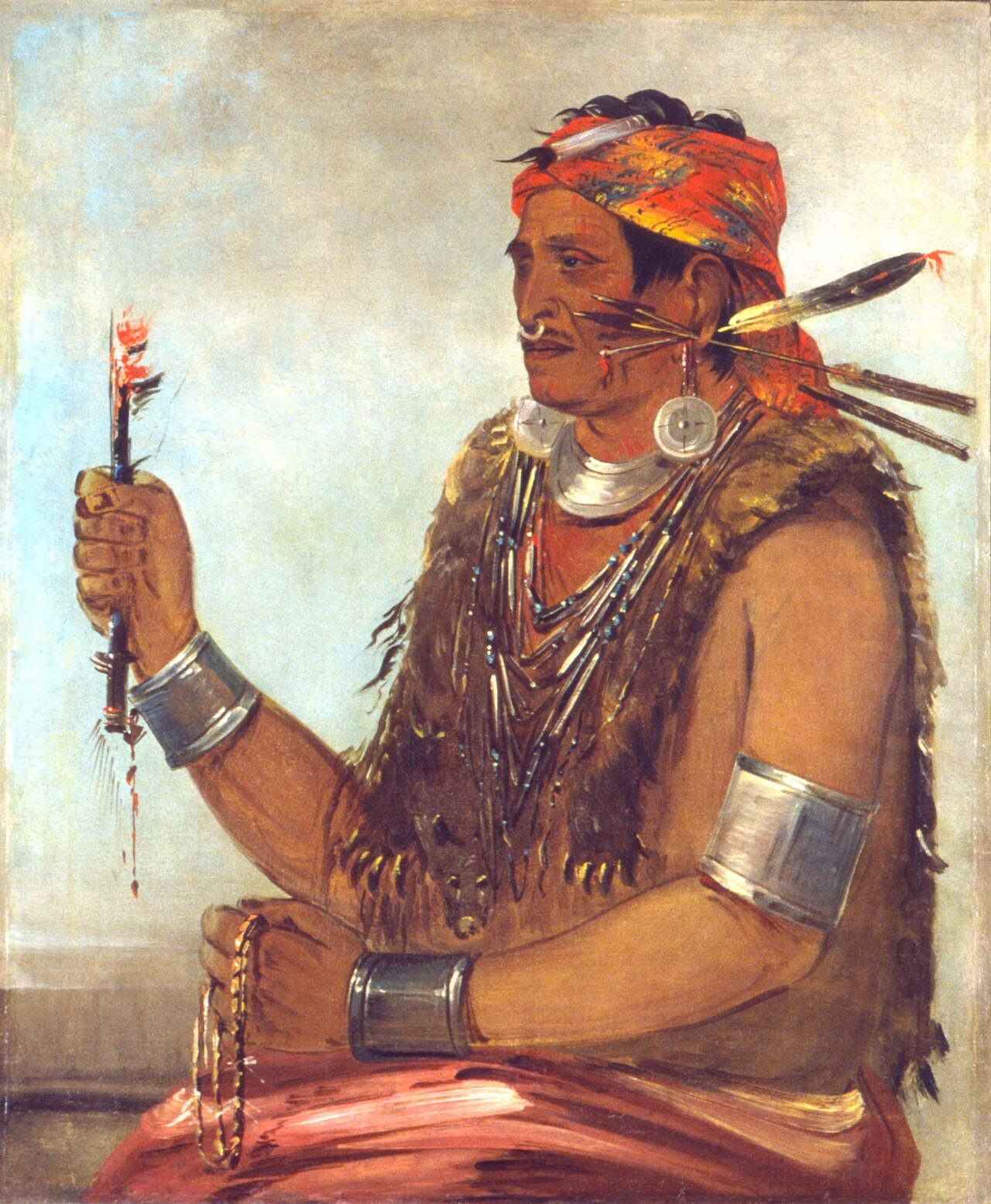 Painting
Primary source
Ten-squat-a-way, The Open Door, Known as The Prophet, Brother of Tecumseh
George Catlin · 1830
 Painting
Primary source
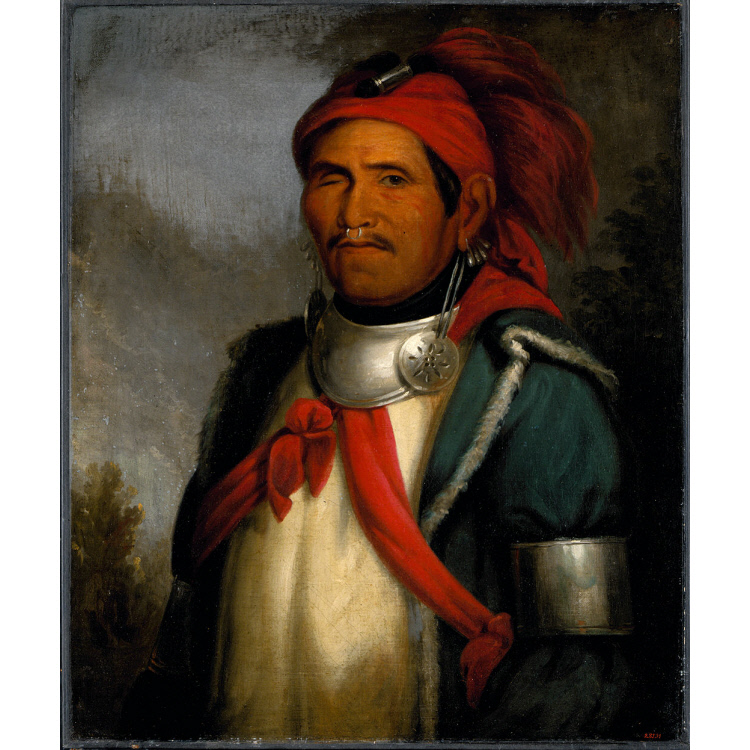
Portrait of Tenskwatawa
Henry Inman · c. 1830-1833
PaintingSecondary source
Tenskwatawa
Henry Inman · 1831
 Document
Primary source
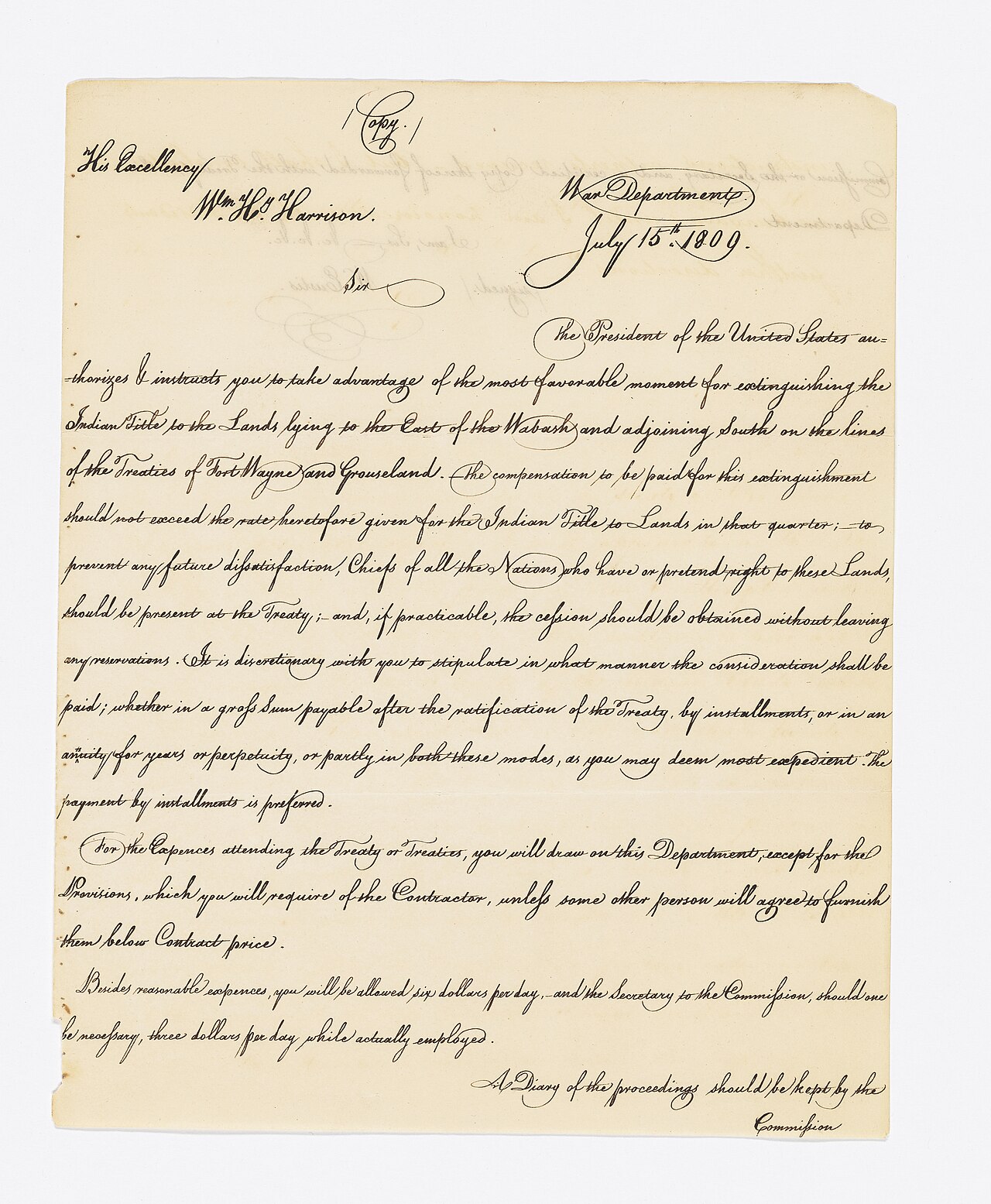
Treaty of Fort Wayne
1809
 Painting
Primary source
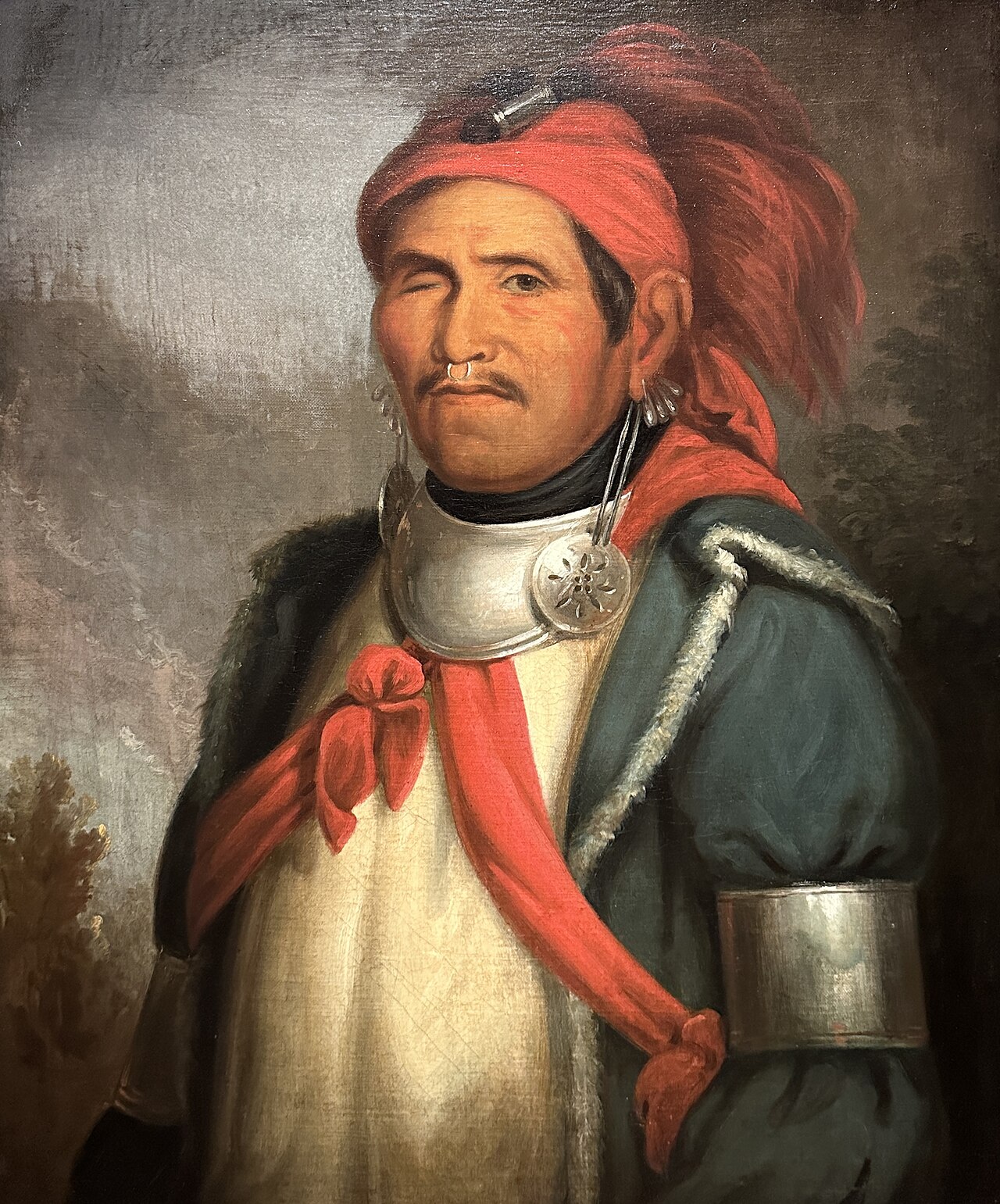
Tenskwatawa by Charles Bird King
Charles Bird King
Ready when you are
Start chatting with Tenskwatawa now.
20 messages free · No credit card · Available in 50+ languages.