


Primary sourceArtifact13th century
Becket Pilgrim Badge
13th century
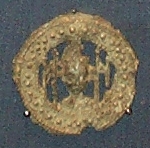
A thirteenth-century pewter badge found in an English river, carried by a pilgrim who had visited Becket's tomb.
This badge was carried by a pilgrim to Becket's tomb, showing the popular devotion that followed his martyrdom.
About this source
What it is
This small round metal badge, dating from the thirteenth century, was found in the River Dove in England. It has a dotted rim and a raised central figure beneath a pointed arch shape. It is now on display in the British Museum. Pilgrims collected badges like this as proof that they had travelled to the tomb of Saint Thomas Becket.
Why it matters
Badges such as this one are physical evidence of ordinary people's devotion to Becket long after his death, when his tomb at Canterbury became one of the most visited pilgrimage sites in medieval England. Finding it in a river, rather than a grave or shrine, is a reminder of how common and widely scattered these objects once were.
Look closer
- Why might a pilgrim want physical proof that they had visited a shrine?
- What does finding this badge in a river, rather than kept safely, suggest about how pilgrims used and lost such objects?
- What can an object like this tell us that a written record of pilgrimage cannot?
This artifact is part of the curated material that grounds the AI version of Thomas Becket on Humy.ai — when students ask about related events, the AI can quote it and cite it.
More Thomas Becket sources
Meet the AI Thomas Becket →Primary source
Constitutions of Clarendon
Henry II of England · 1164
 Artifact
Primary source
Canterbury Cathedral
founded 597
 Artifact
Secondary source
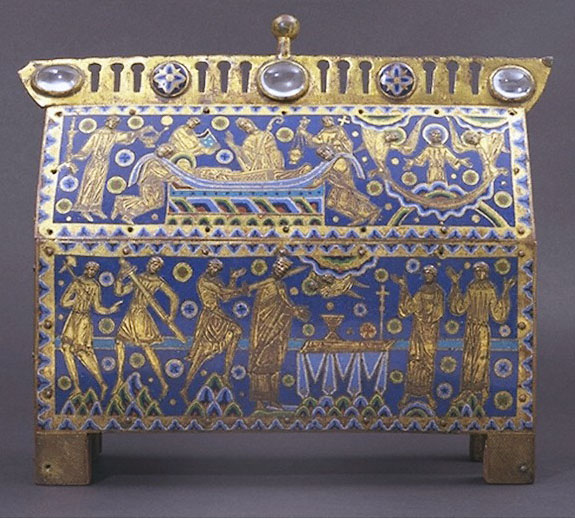
Becket Casket
c. 1180-1190
 Artifact
Secondary source
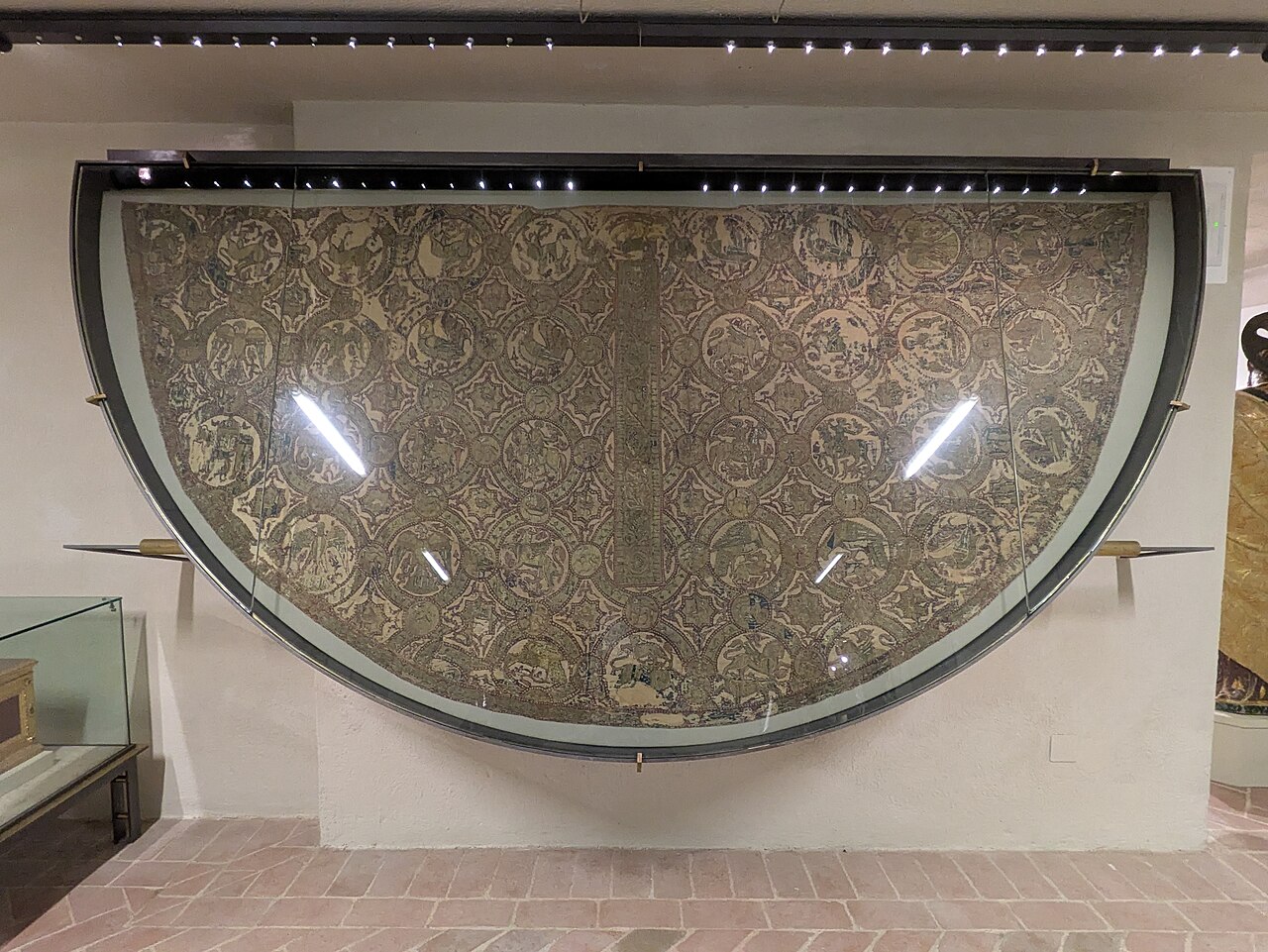
Fermo Chasuble of St. Thomas Becket
12th century
 Artifact
Secondary source
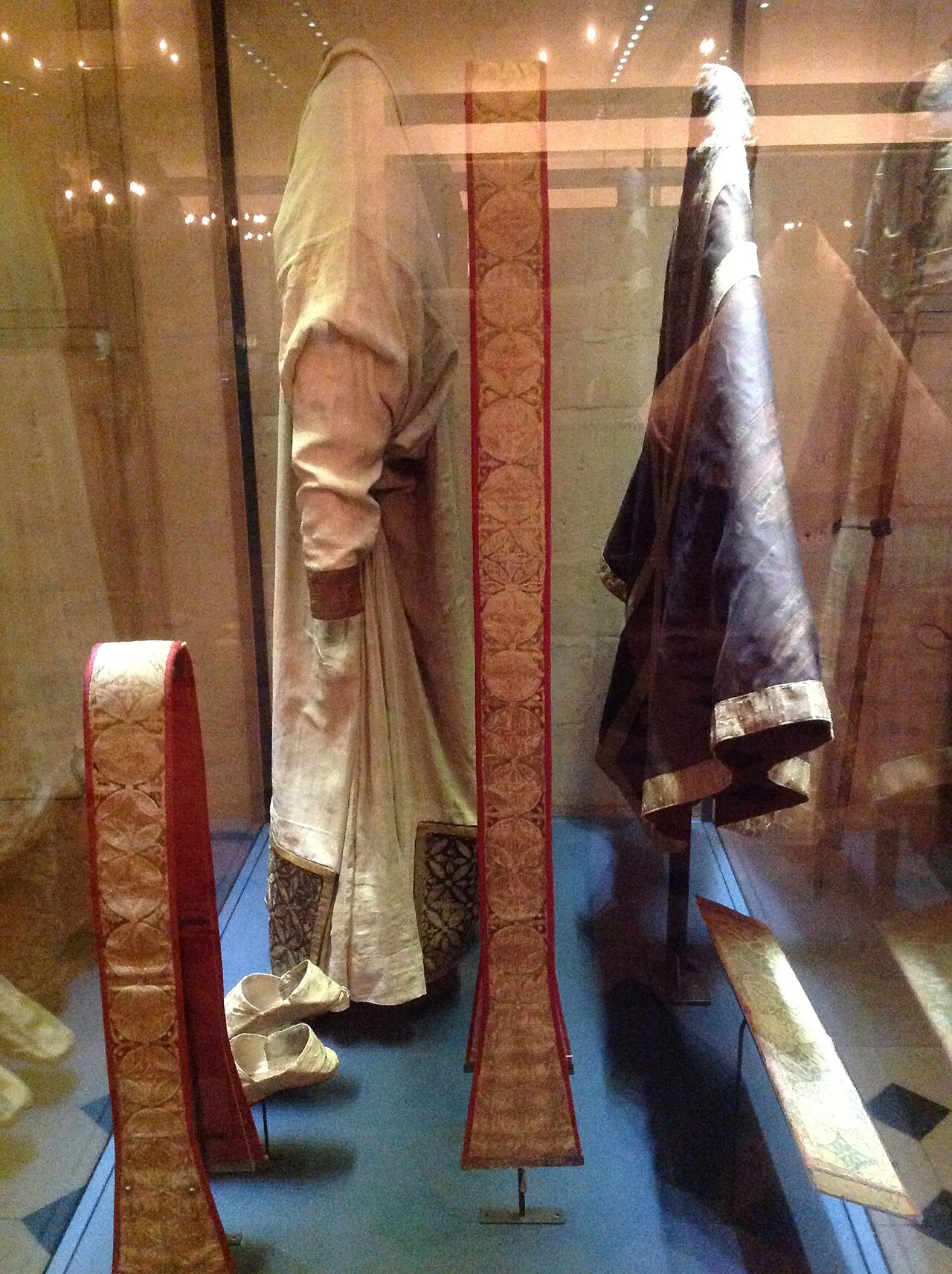
Becket Liturgical Garments, Sens Cathedral
12th century
Ready when you are
Start chatting with Thomas Becket now.
20 messages free · No credit card · Available in 50+ languages.