


Primary sourcePainting1902
Beethoven Frieze
Gustav Klimt · 1902
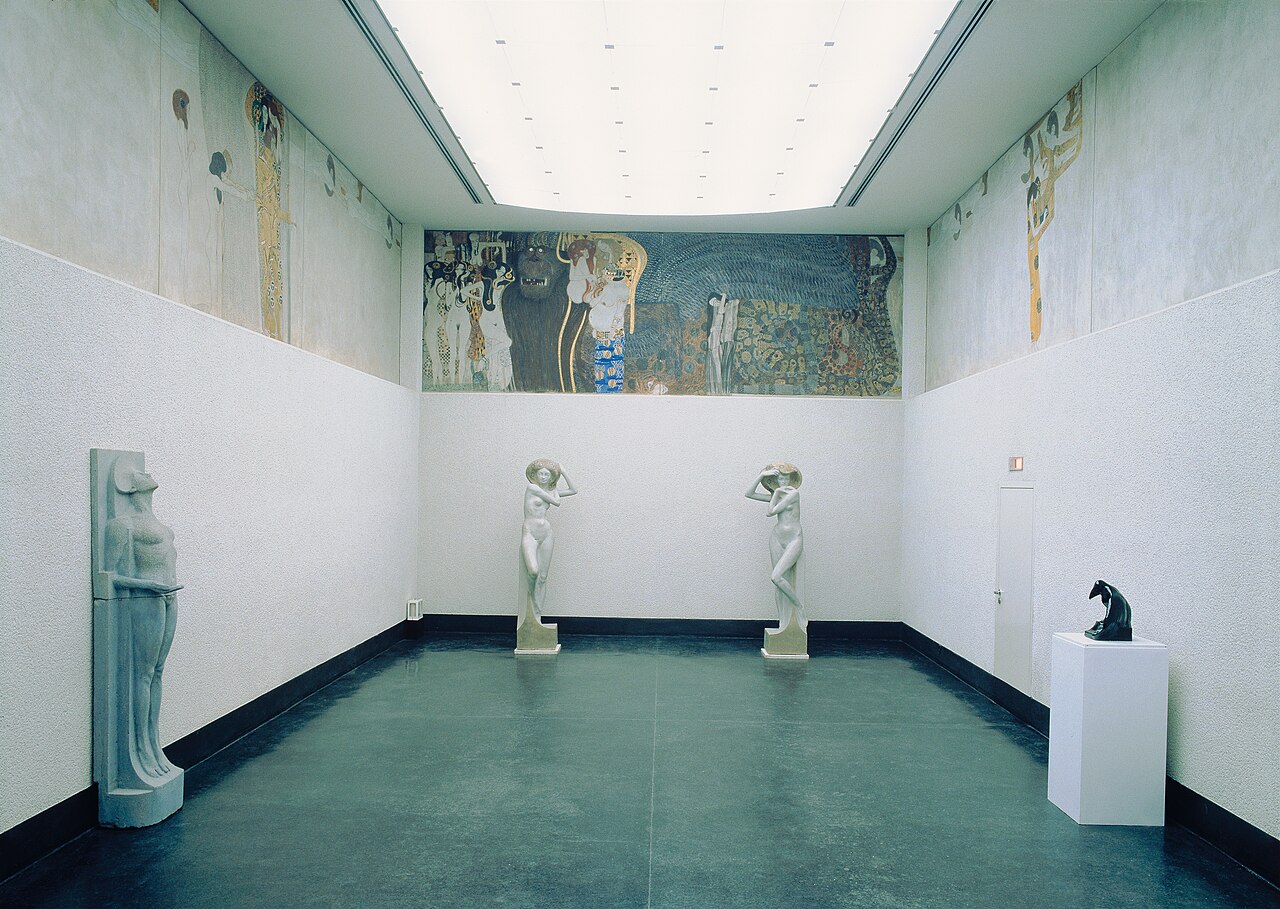
A monumental mural by Gustav Klimt created for a 1902 exhibition honoring the composer Ludwig van Beethoven.
Klimt created this frieze himself as his Gesamtkunstwerk contribution to the Secession's Beethoven exhibition.
About this source
What it is
Painted directly onto the walls by Gustav Klimt in 1902 for the Vienna Secession's exhibition marking the 75th anniversary of Beethoven's death, the frieze is a huge work over 34 meters wide. It is now displayed in the Secession Building in Vienna.
Why it matters
Inspired by Richard Wagner's interpretation of Beethoven's Ninth Symphony, the frieze blends Greek, Byzantine, medieval and Japanese artistic styles. Its depiction of lust and its feared consequences caused controversy at the time. The frieze survived Nazi-era displacement and was eventually restored and permanently displayed, later becoming the subject of a restitution claim by the Lederer family that was ultimately rejected.
Look closer
- Why might Klimt have chosen to show threats like lust and sickness alongside the search for happiness?
- What does the frieze's survival and restoration tell you about how societies value art?
- Why do you think Klimt mixed so many different artistic traditions in one work?
This painting is part of the curated material that grounds the AI version of Gustav Klimt and Gustav Mahler on Humy.ai — when students ask about related events, the AI can quote it and cite it.
More Gustav Klimt sources
Browse all 93 →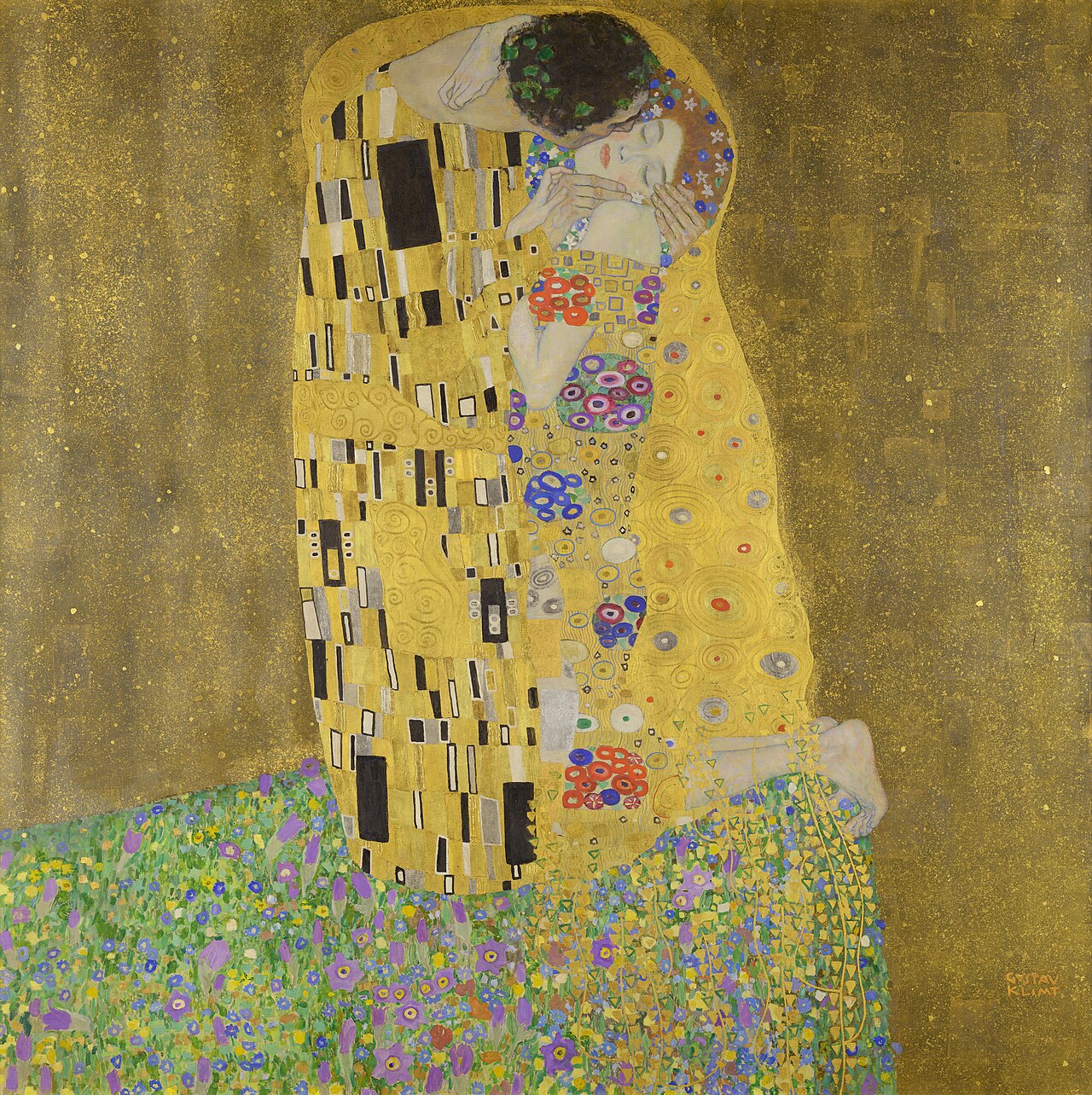 Painting
Primary source
The Kiss
Gustav Klimt · 1907-1908
 Painting
Primary source
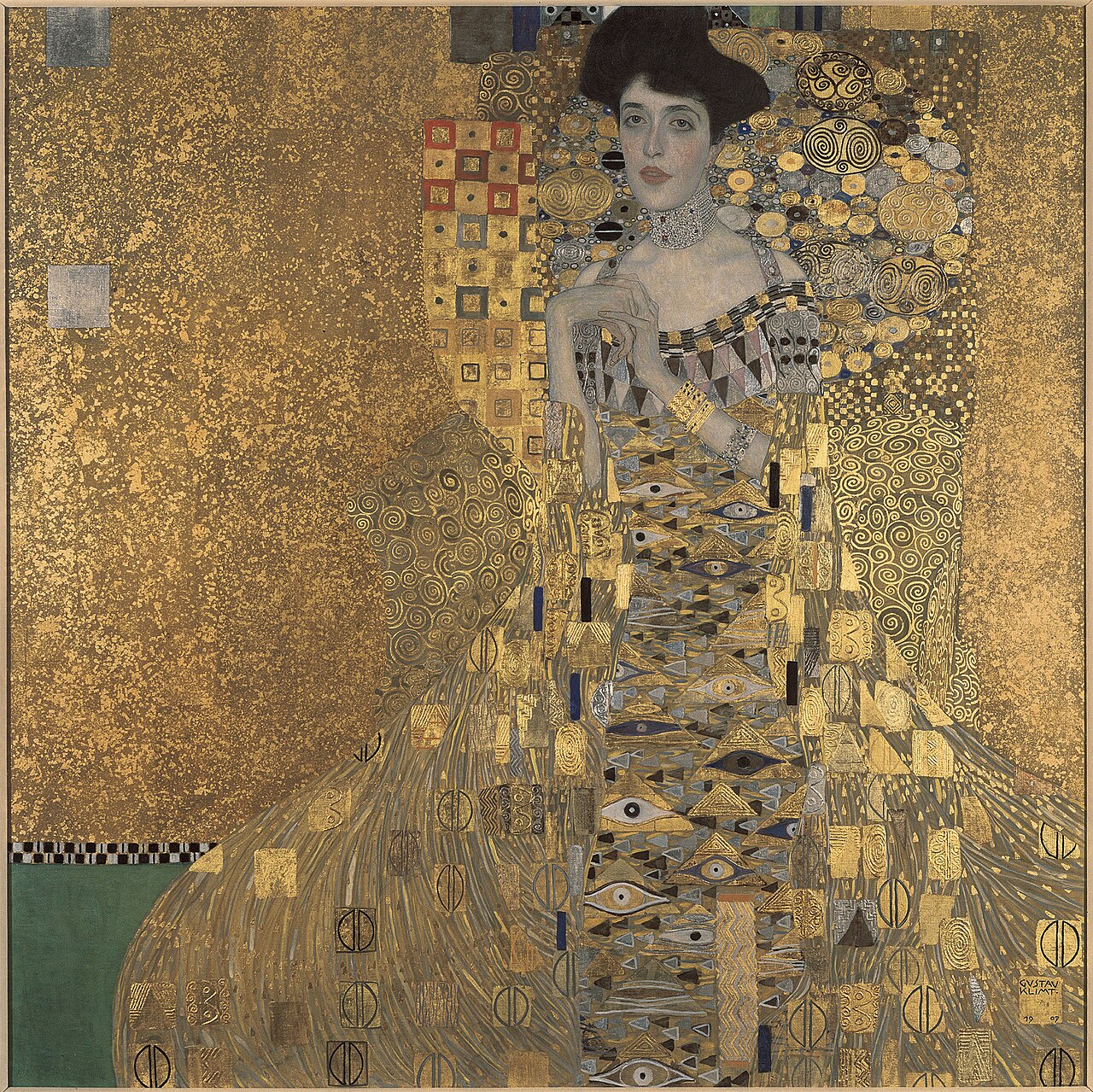
Portrait of Adele Bloch-Bauer I
Gustav Klimt · 1903-1907
 Painting
Primary source
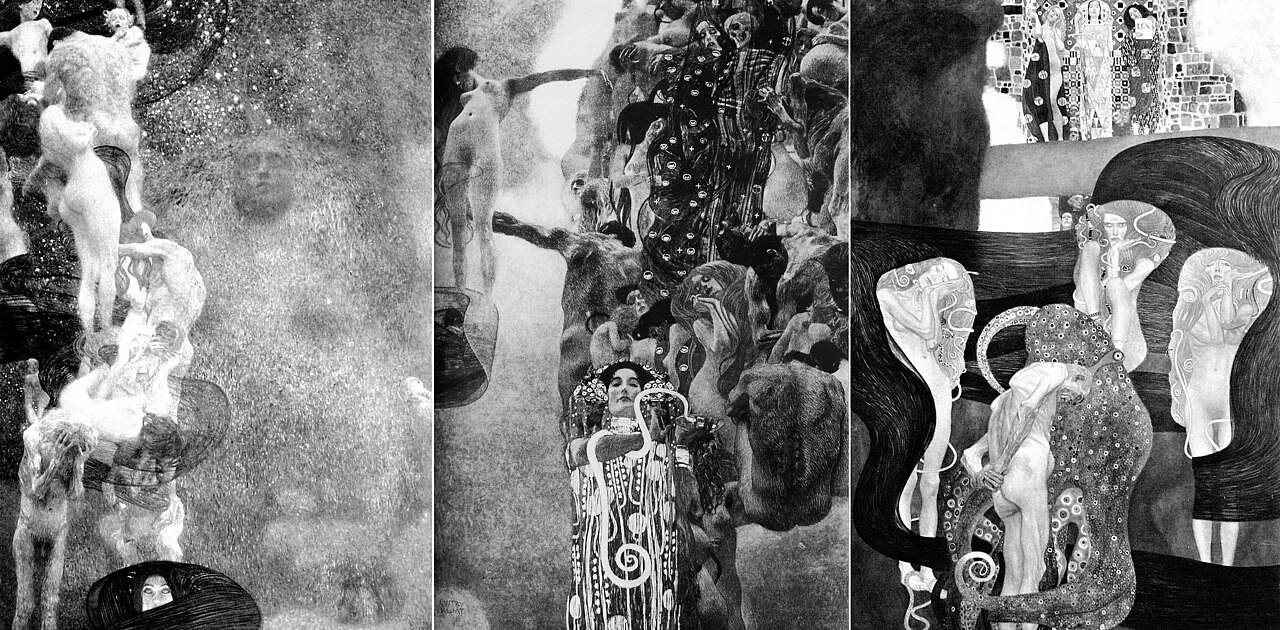
Klimt University of Vienna Ceiling Paintings
Gustav Klimt · 1900-1907
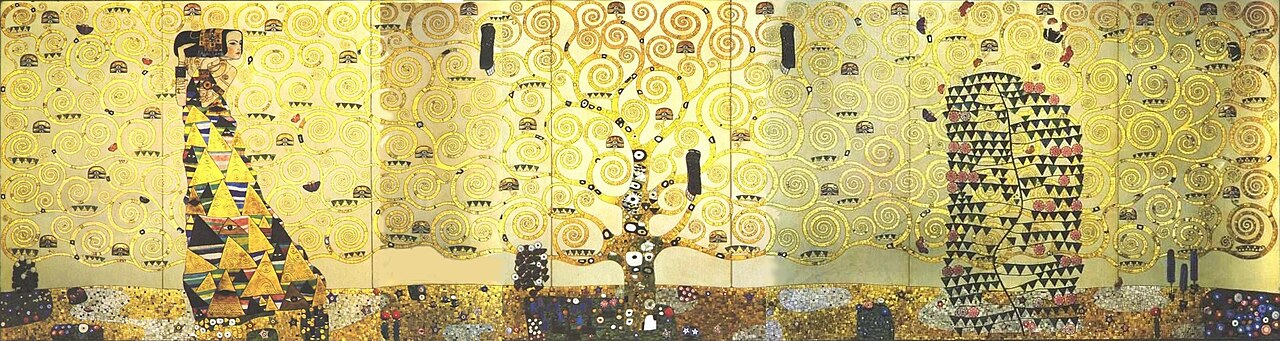 Artifact
Primary source
Stoclet Frieze
Gustav Klimt · 1905-1911
Free account
Read every Gustav Klimt source
Sign up free →
Ready when you are
Start chatting with Gustav Klimt now.
20 messages free · No credit card · Available in 50+ languages.