


Primary sourceArtifact1905-1911
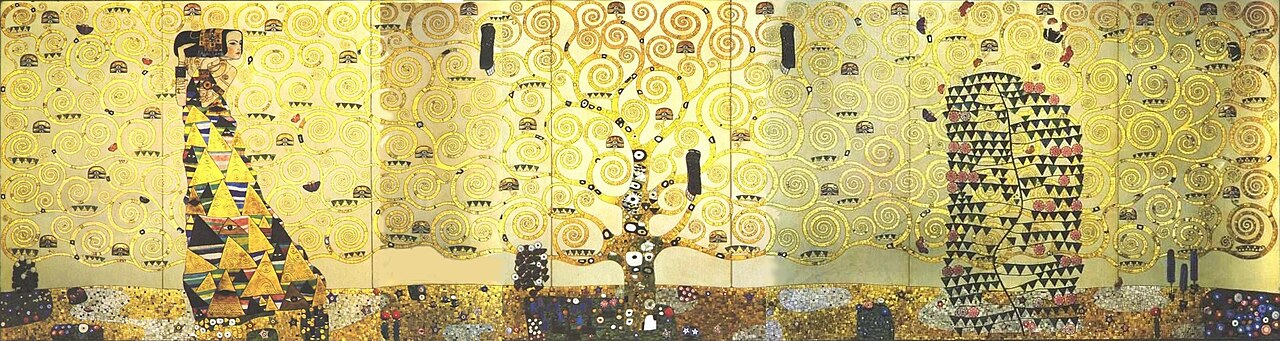
Stoclet Frieze
Gustav Klimt · 1905-1911
A mosaic frieze designed by Gustav Klimt for the dining room of the Stoclet Palace in Brussels, using precious stones and gold.
Klimt designed this mosaic frieze himself, calling it the ultimate stage of his decorative style.
About this source
What it is
Created between 1905 and 1911 by Gustav Klimt, this series of three mosaics was commissioned by Belgian financier Adolphe Stoclet and his wife Suzanne for their mansion, designed with architect Josef Hoffmann and the Wiener Werkstätte collective. The panels, showing a tree of life, a standing female figure and an embracing couple, remain in the Stoclet Palace dining room.
Why it matters
Made from marble, ceramic, gilded tiles, enamel, pearls and semi-precious stones, the frieze reflects the eclectic tastes of its wealthy patrons and Klimt's own fascination with ornament. Klimt considered it the furthest development of his decorative style, showing how his art moved from canvas painting into luxury architecture and design.
Look closer
- Why might a wealthy family have wanted art this elaborate built into their dining room?
- How does working in mosaic and precious materials change what an artist can do compared to paint?
- What repeated shapes or motifs can you find across the panels?
This artifact is part of the curated material that grounds the AI version of Gustav Klimt on Humy.ai — when students ask about related events, the AI can quote it and cite it.
More Gustav Klimt sources
Browse all 93 →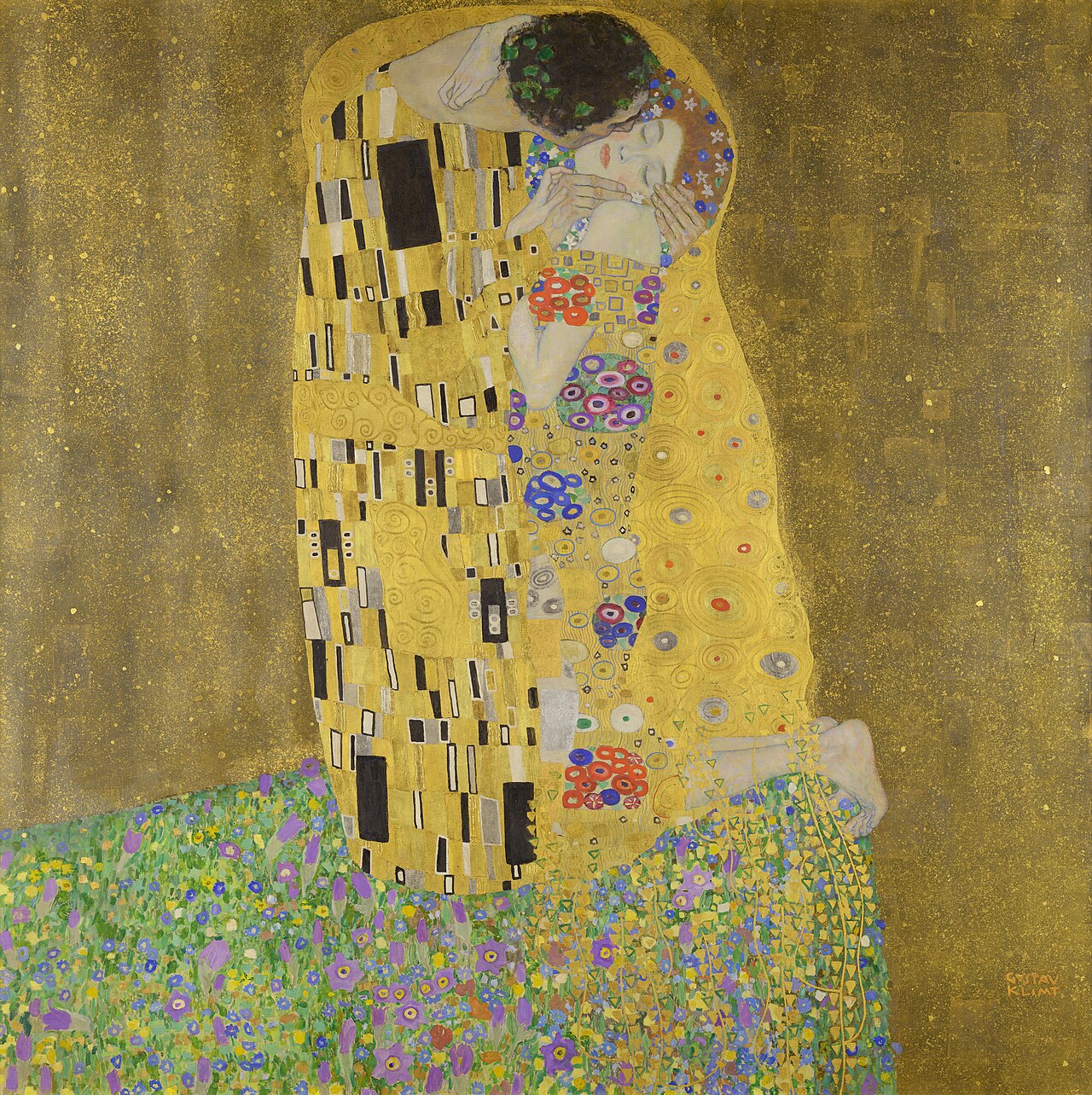 Painting
Primary source
The Kiss
Gustav Klimt · 1907-1908
 Painting
Primary source
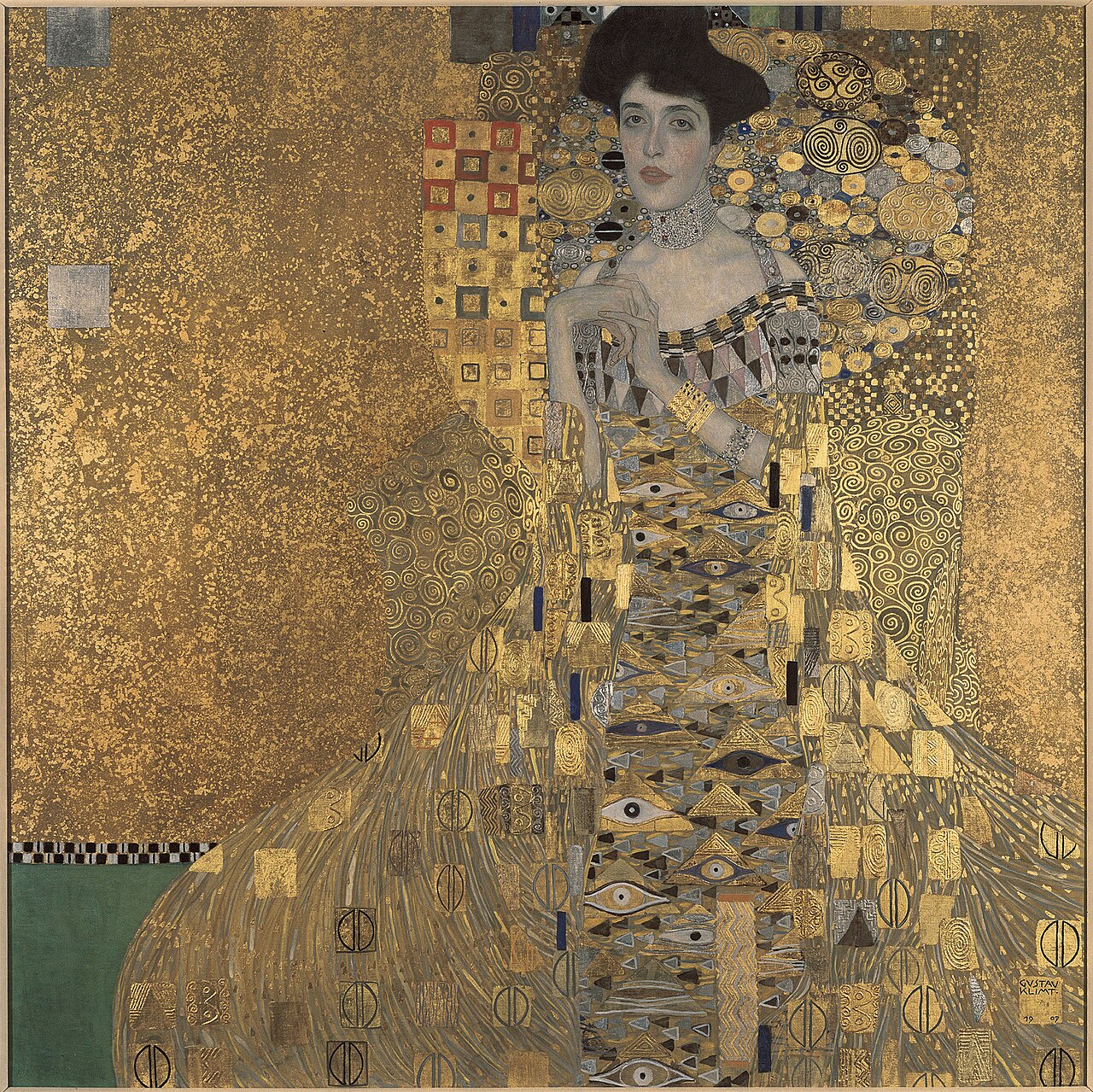
Portrait of Adele Bloch-Bauer I
Gustav Klimt · 1903-1907
 Painting
Primary source
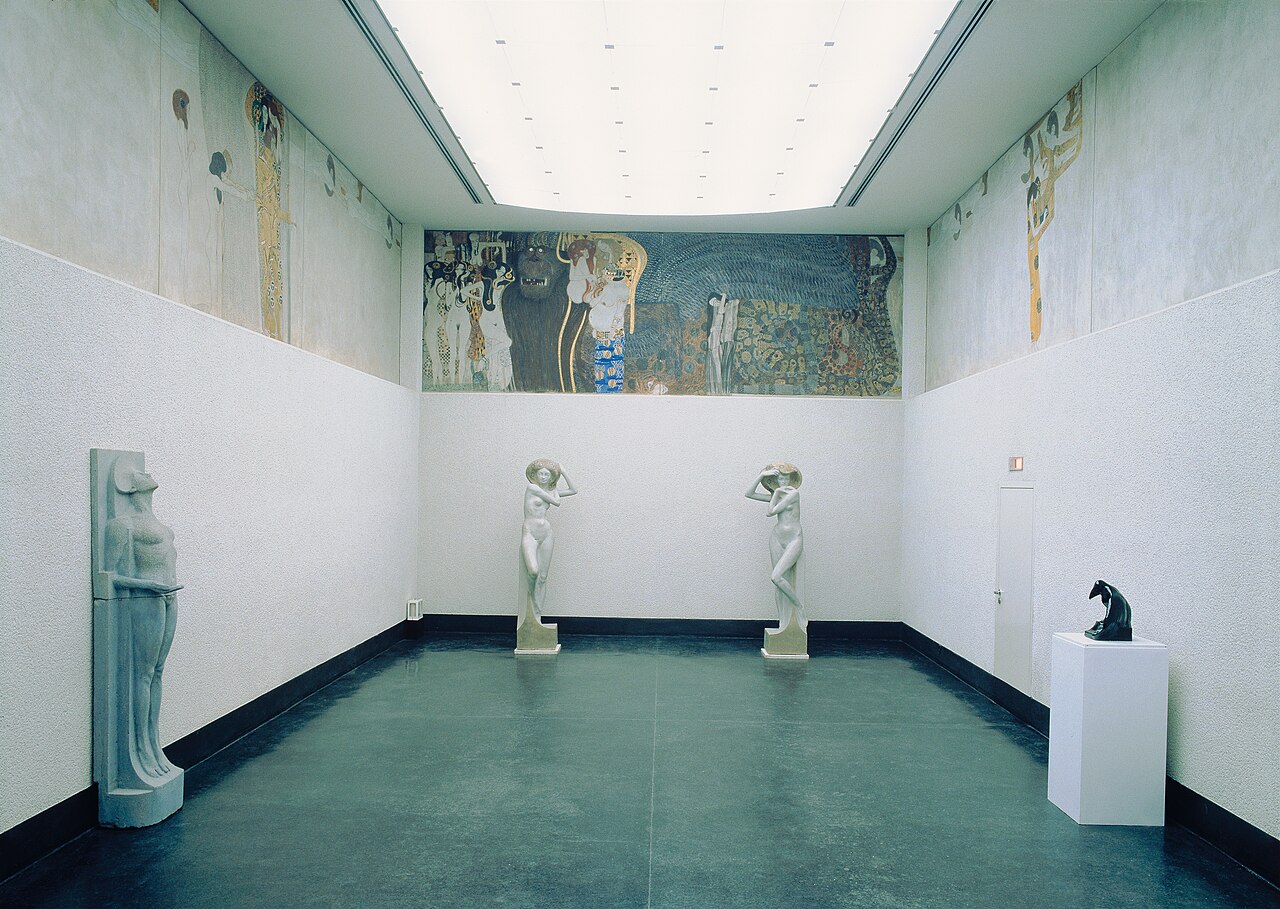
Beethoven Frieze
Gustav Klimt · 1902
 Painting
Primary source
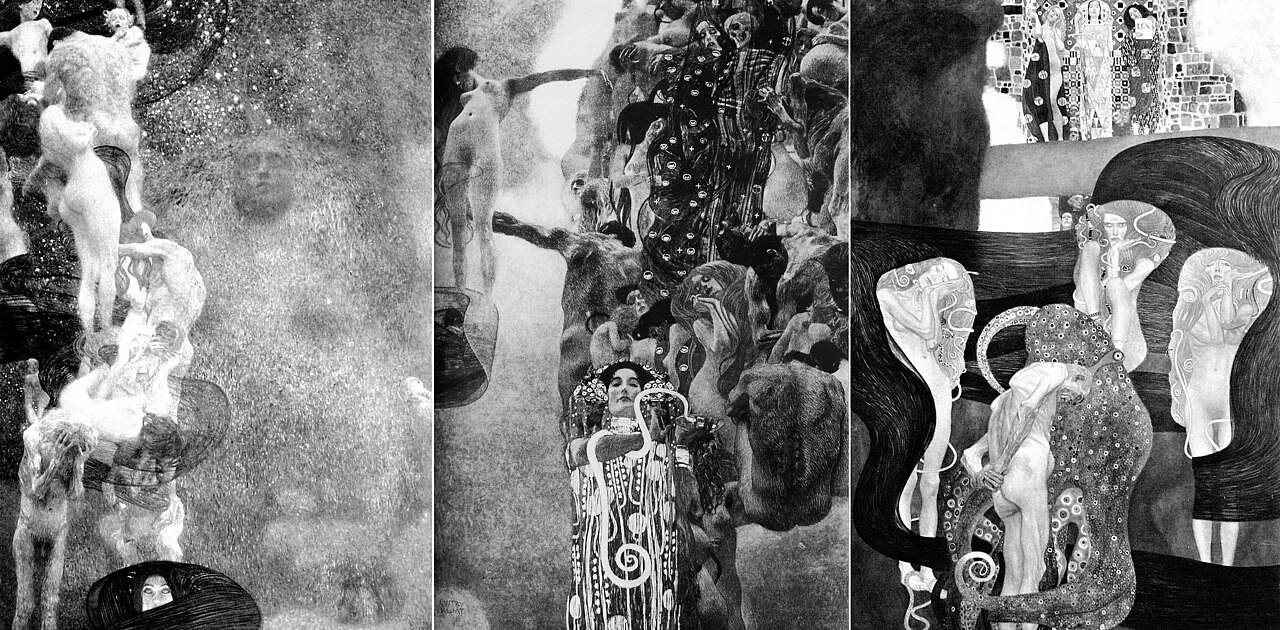
Klimt University of Vienna Ceiling Paintings
Gustav Klimt · 1900-1907
Free account
Read every Gustav Klimt source
Sign up free →
Ready when you are
Start chatting with Gustav Klimt now.
20 messages free · No credit card · Available in 50+ languages.