


Primary sourceArtifact1895
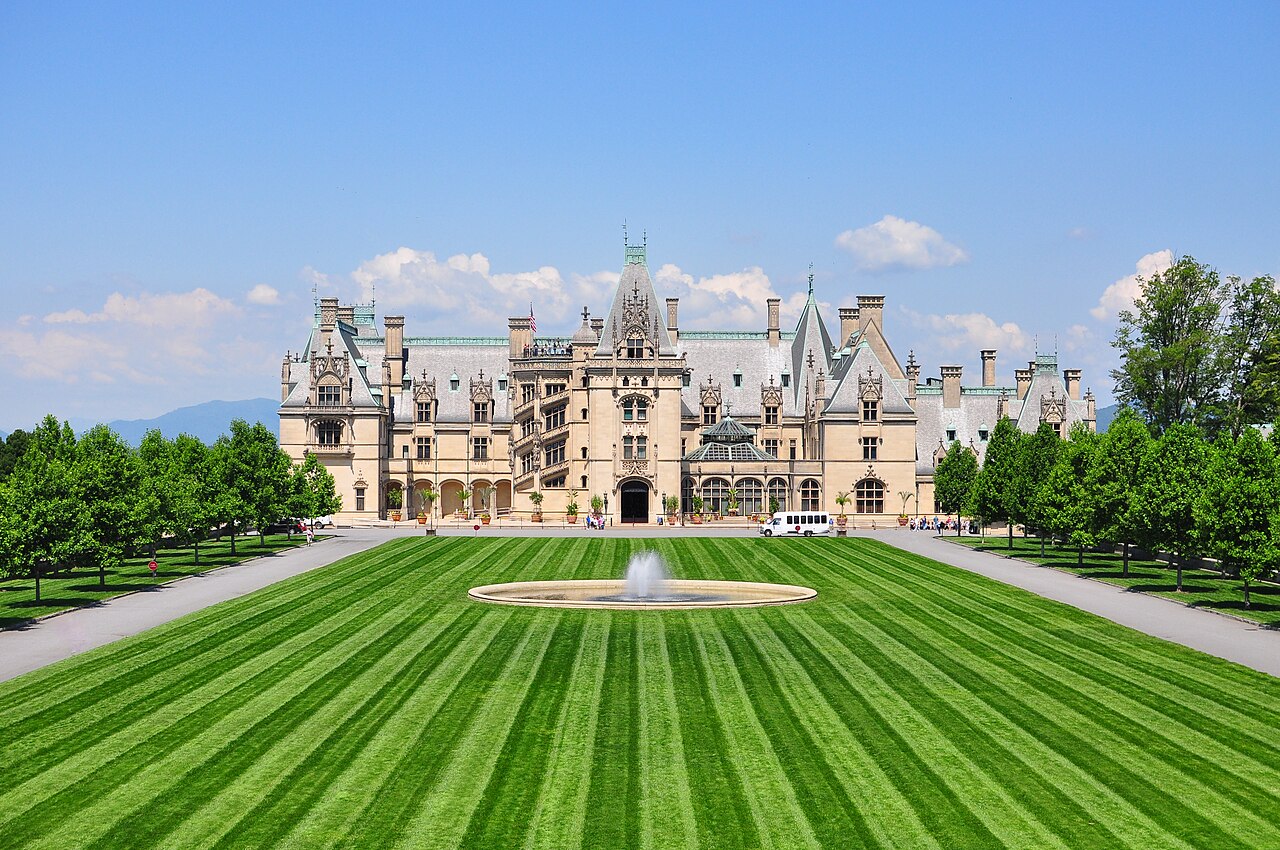
Biltmore Estate
1895
The Vanderbilt family's grand North Carolina mansion and grounds, Olmsted's last major private commission and site of his pioneering forestry work.
Biltmore was Olmsted's last major private commission, where he also pioneered scientific forestry.
About this source
What it is
Biltmore Estate is a historic mansion and grounds in Asheville, North Carolina, built for George Washington Vanderbilt II between 1889 and 1895. It remains the largest privately owned house in the United States and is still owned by Vanderbilt's descendants.
Why it matters
Olmsted designed the estate's grounds as his last major private commission, and used the project to launch systematic scientific forestry in America. The estate shows the vast wealth of the Gilded Age, embodied by George Vanderbilt, alongside Olmsted's late-career interest in managing land scientifically rather than just decoratively.
Look closer
- What does the scale of the house tell you about Vanderbilt's wealth and the era it was built in?
- Why might a landscape designer be interested in forestry as well as gardens?
- What is missing from the view of the house itself about the land and forest Olmsted managed?
This artifact is part of the curated material that grounds the AI version of Frederick Law Olmsted on Humy.ai — when students ask about related events, the AI can quote it and cite it.
More Frederick Law Olmsted sources
Meet the AI Frederick Law Olmsted →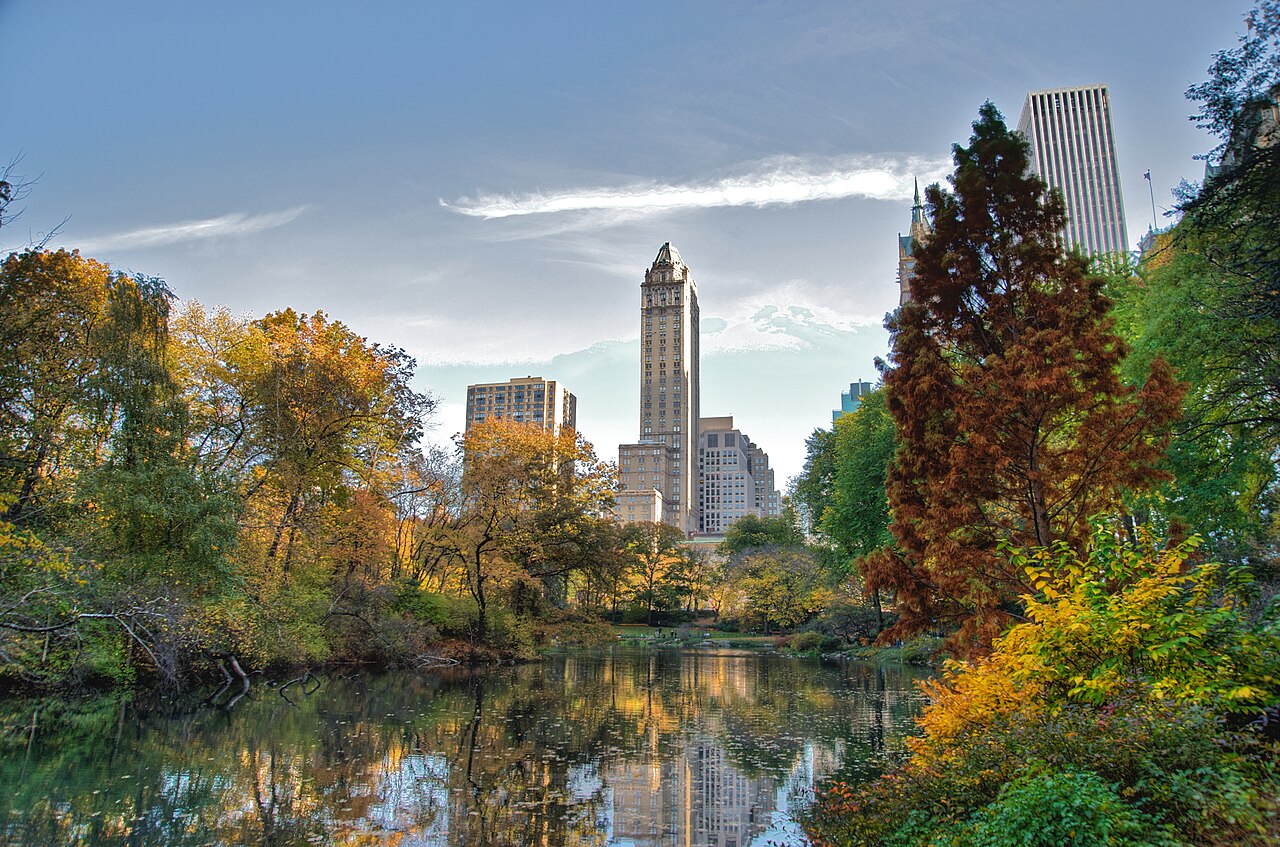 Artifact
Primary source
Central Park
Frederick Law Olmsted and Calvert Vaux · 1856
 Book
Primary source
Journeys and Explorations in the Cotton Kingdom
Frederick Law Olmsted · 1861
 Painting
Primary source
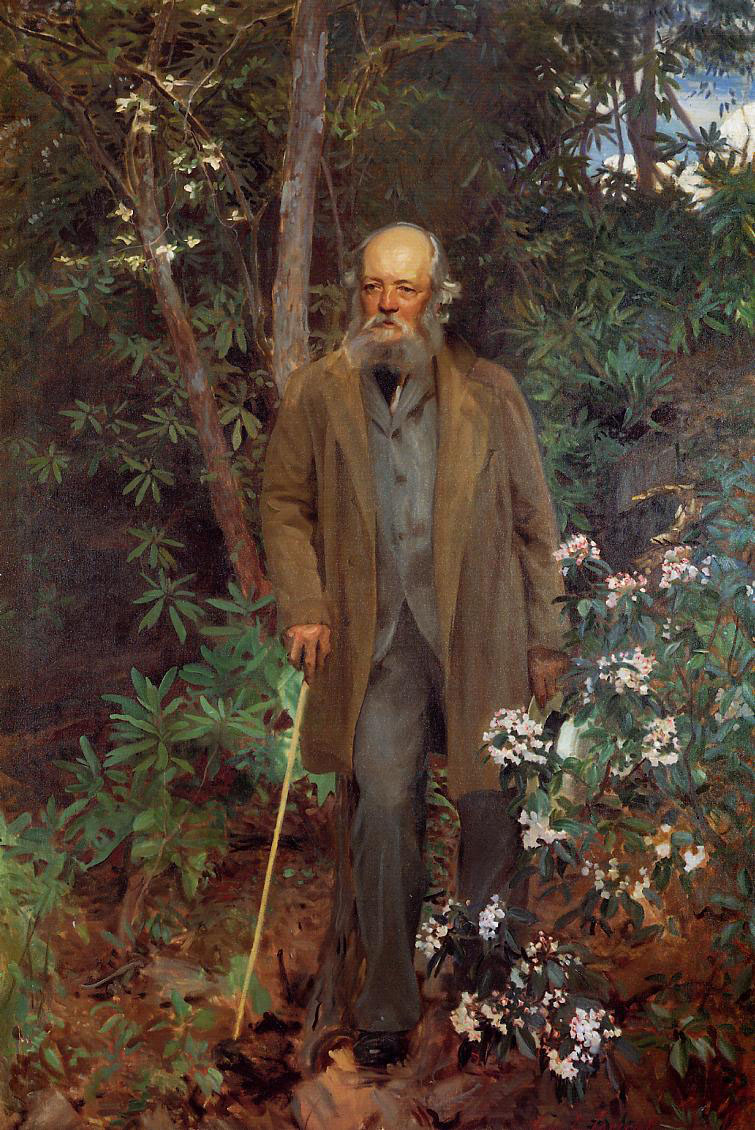
Frederick Law Olmsted
John Singer Sargent · 1895
 Artifact
Primary source
Prospect Park
Frederick Law Olmsted and Calvert Vaux · 1867
 Document
Primary source
Emerald Necklace
Frederick Law Olmsted · 1878–1896
Ready when you are
Start chatting with Frederick Law Olmsted now.
20 messages free · No credit card · Available in 50+ languages.