


Primary sourceArtifact1867
Prospect Park
Frederick Law Olmsted and Calvert Vaux · 1867
A Brooklyn park designed by Olmsted and Calvert Vaux, often considered their most fully realized landscape design.
Prospect Park is one of Olmsted's major designs, often seen as his and Vaux's most fully realized work.
About this source
What it is
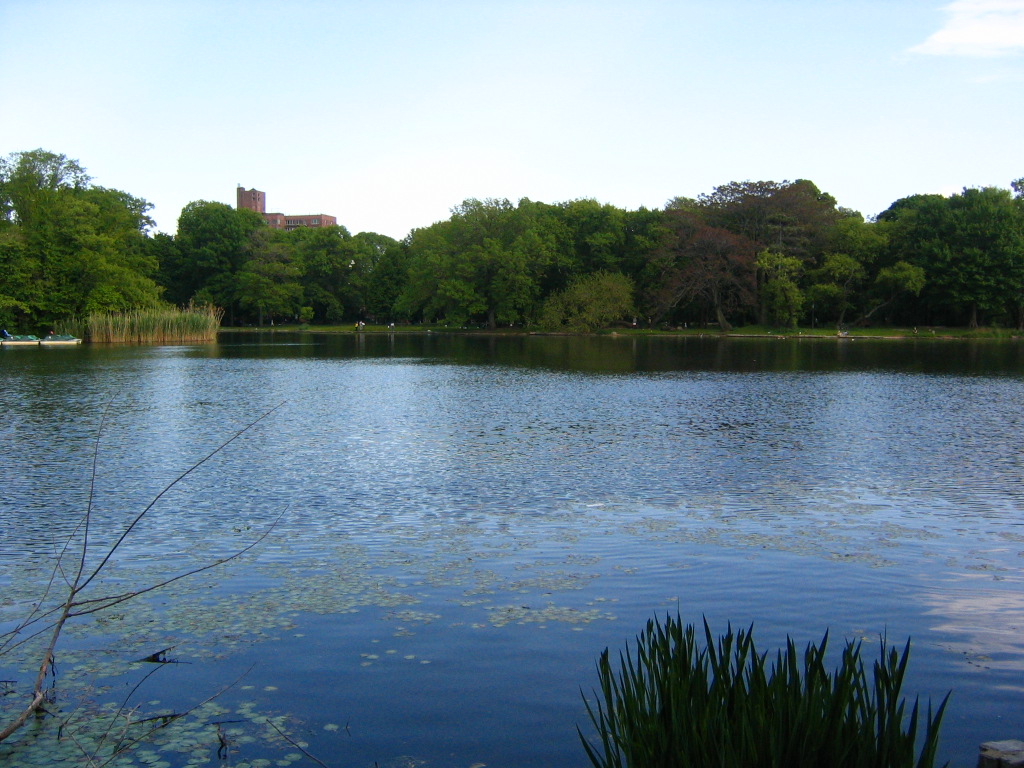
Prospect Park is a large urban park in Brooklyn, New York City, laid out by landscape architects Frederick Law Olmsted and Calvert Vaux. It opened in 1867, though it was not substantially complete until 1873.
Why it matters
Prospect Park came soon after Central Park and let Olmsted and Vaux refine their ideas about naturalistic park design, including the famous Long Meadow and connections to early parkways. It reflects the rapid growth of Brooklyn as a city in the mid-1800s and the growing popularity of public parks as a civic good.
Look closer
- What differences might you expect between a designer's first park and a later, more refined one?
- Why would a separate, fast-growing city like Brooklyn want its own large park?
- What features in the photograph suggest a 'natural' rather than a formal garden design?
This artifact is part of the curated material that grounds the AI version of Frederick Law Olmsted on Humy.ai — when students ask about related events, the AI can quote it and cite it.
More Frederick Law Olmsted sources
Meet the AI Frederick Law Olmsted → Artifact
Primary source
Central Park
Frederick Law Olmsted and Calvert Vaux · 1856
 Book
Primary source
Journeys and Explorations in the Cotton Kingdom
Frederick Law Olmsted · 1861
 Painting
Primary source
Frederick Law Olmsted
John Singer Sargent · 1895
 Artifact
Primary source
Biltmore Estate
1895
 Document
Primary source
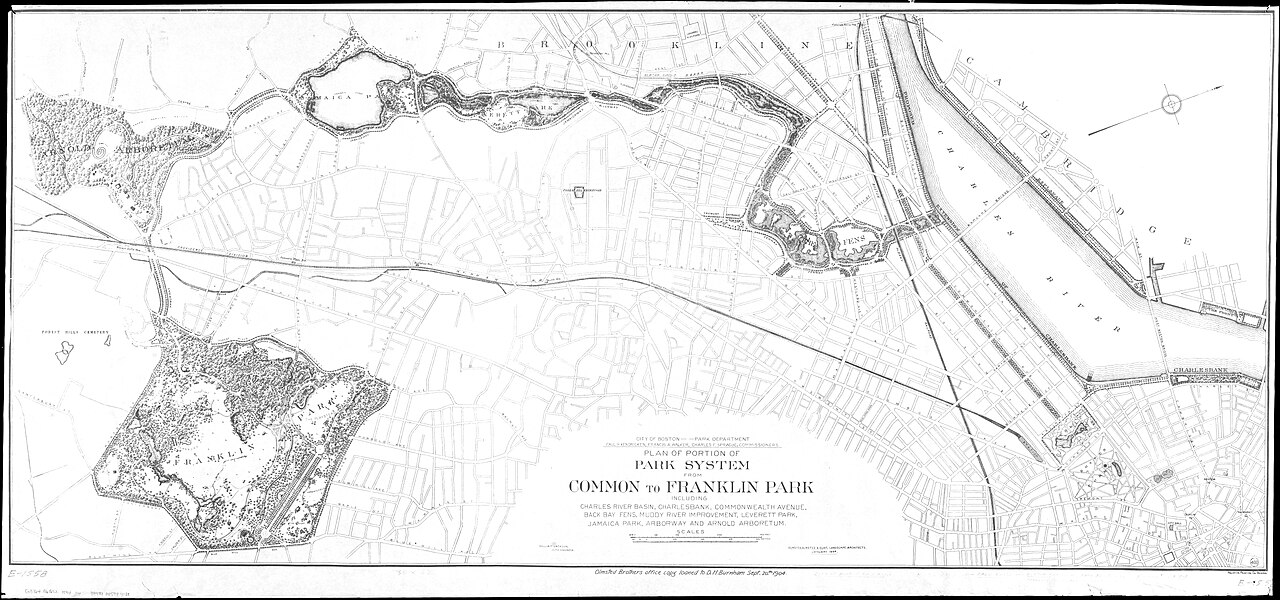
Emerald Necklace
Frederick Law Olmsted · 1878–1896
Ready when you are
Start chatting with Frederick Law Olmsted now.
20 messages free · No credit card · Available in 50+ languages.