


Primary sourceDocument568–645 CE
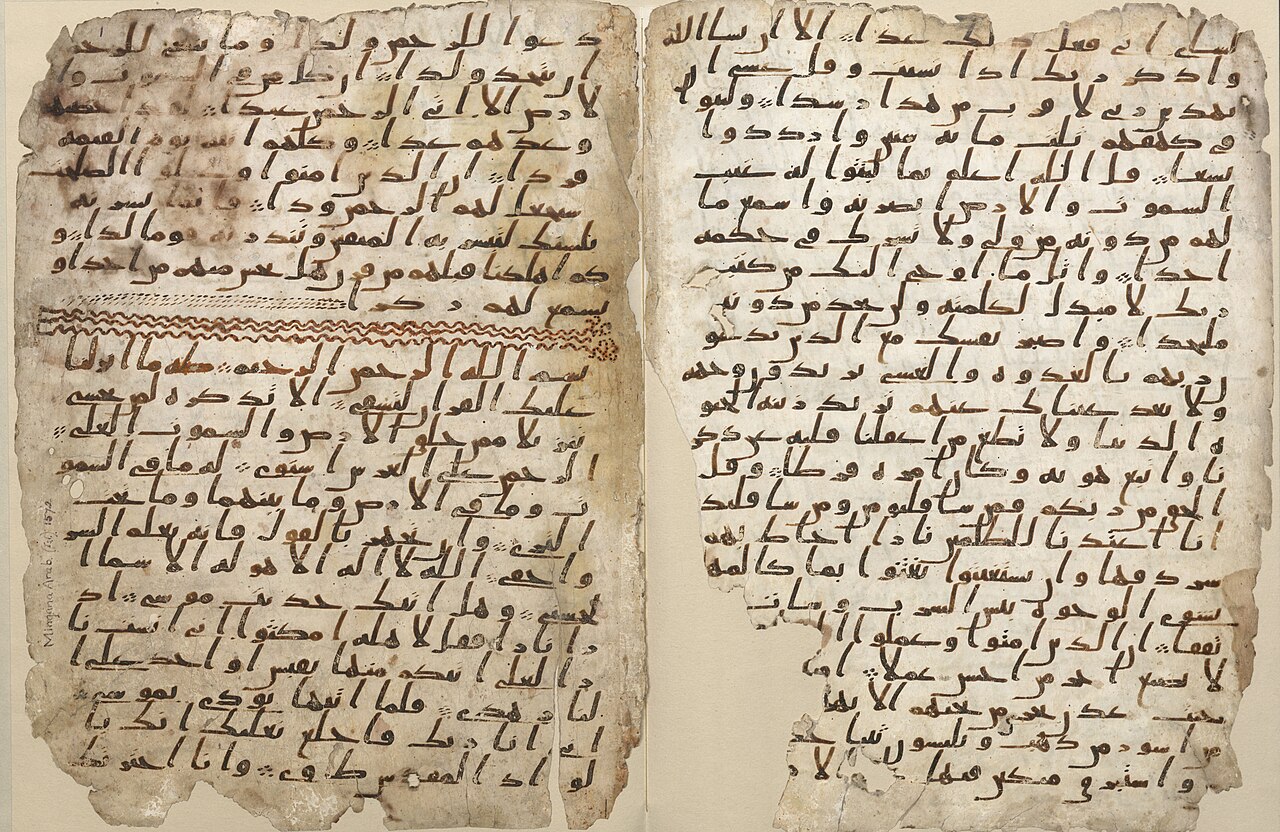
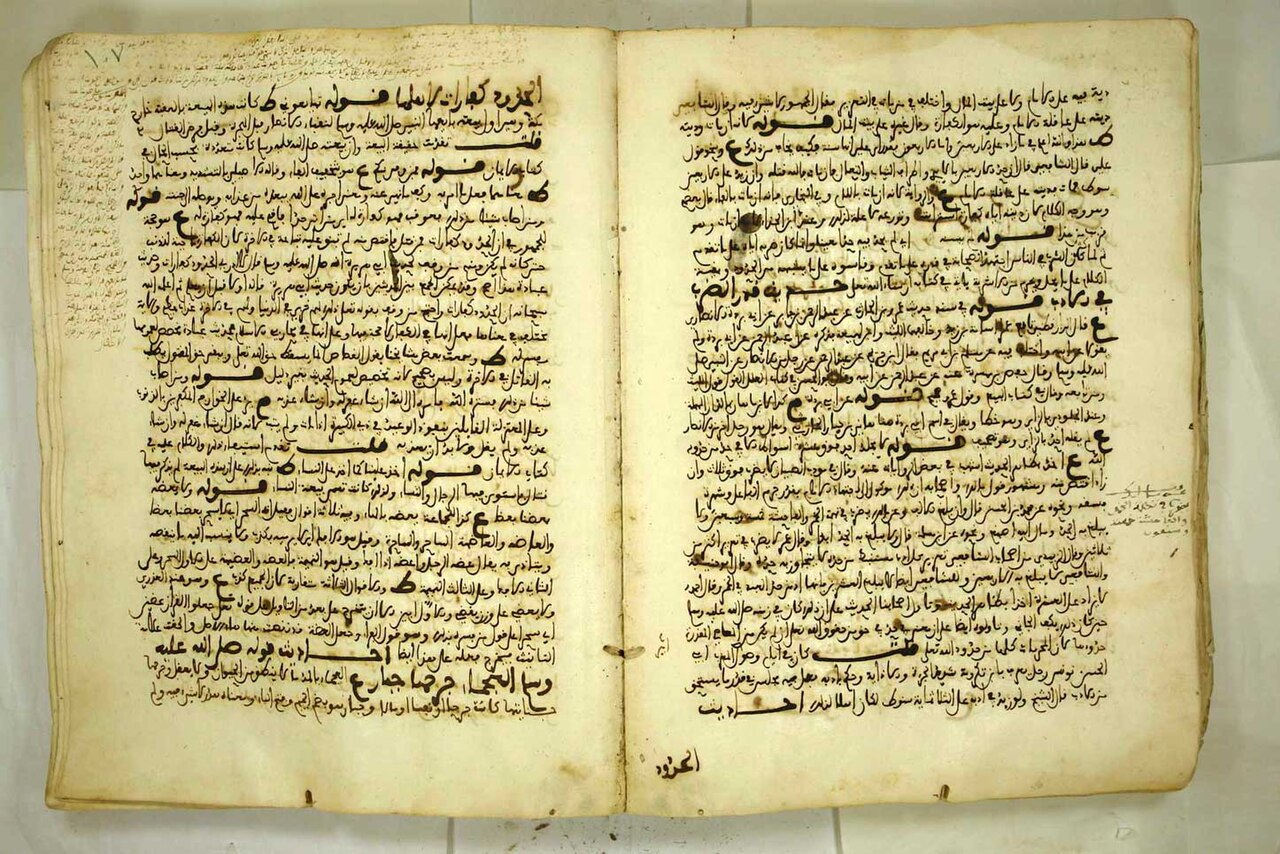
Birmingham Quran Manuscript
568–645 CE
Two early parchment leaves of the Quran, radiocarbon-dated to the lifetime of Ali and the first caliphs.
Dated to Ali's lifetime, this manuscript shows what the written Quran looked like during his era as caliph.
About this source
What it is
These two parchment leaves preserve parts of Surahs 18 to 20 of the Quran, written in Hijazi script. Held in the Mingana Collection at the University of Birmingham, they were radiocarbon dated in 2015 to between 568 and 645 CE, making them among the oldest surviving Quran fragments.
Why it matters
This manuscript dates to the generation of Muhammad and the first caliphs, including Ali, who was the fourth caliph. It offers a rare physical glimpse of what the written Quran looked like during this early period, helping scholars study the text's early transmission, though it does not mention Ali directly.
Look closer
- Why is radiocarbon dating useful for understanding how old a manuscript really is?
- What does the plain, undecorated script of this early manuscript tell us about how the Quran was first written down?
- How might a document like this help or complicate stories about who first compiled the Quran?
This document is part of the curated material that grounds the AI version of Alī ibn Abī Ṭālib and Muhammad on Humy.ai — when students ask about related events, the AI can quote it and cite it.
More Alī ibn Abī Ṭālib sources
Meet the AI Alī ibn Abī Ṭālib → Book
Secondary source
Nahj al-Balagha
Sharif al-Radi · c. 1000
 Book
Secondary source
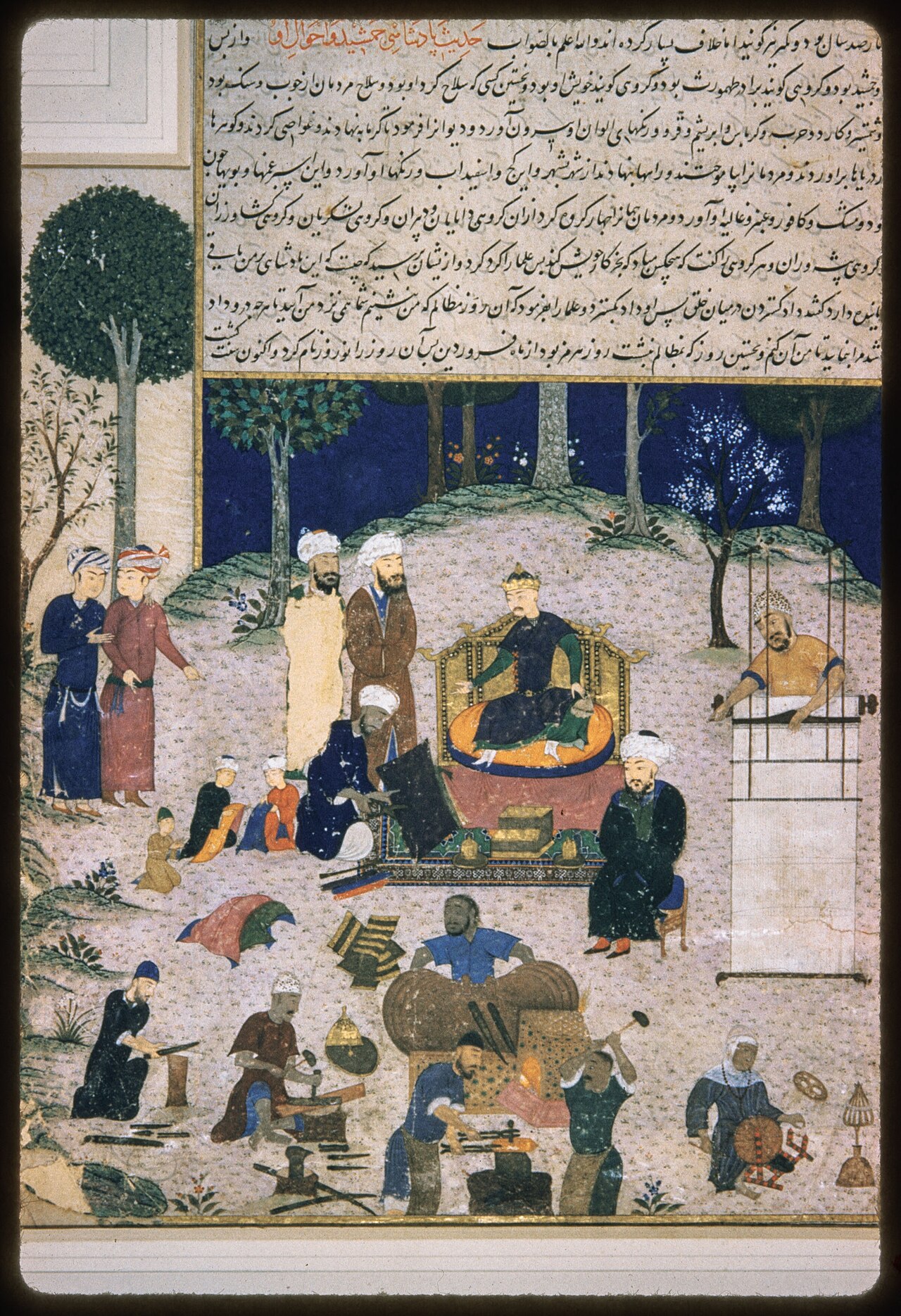
History of the Prophets and Kings
Muhammad ibn Jarir al-Tabari · completed 915 AD
 Artifact
Secondary source
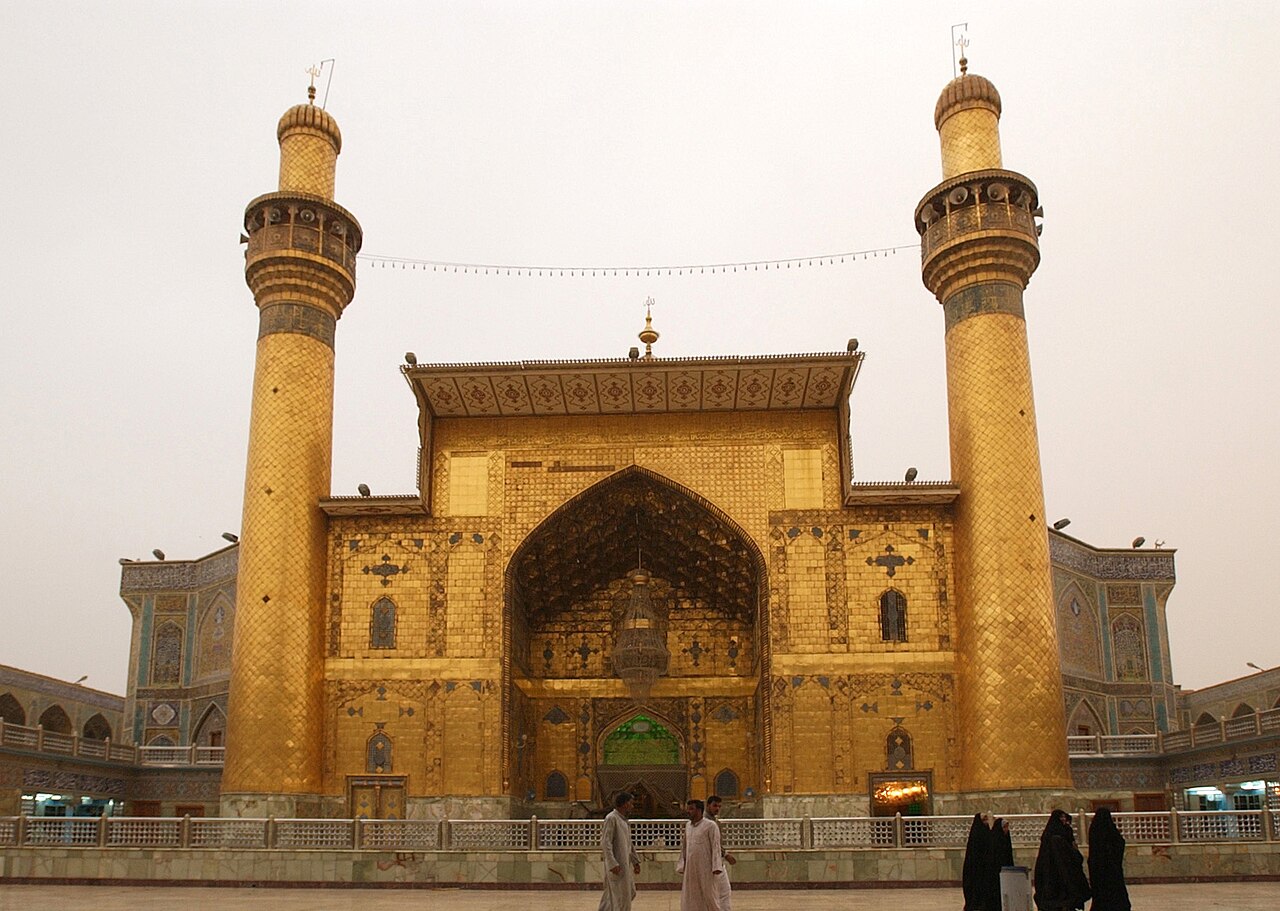
Imam Ali Shrine
977
 Artifact
Secondary source
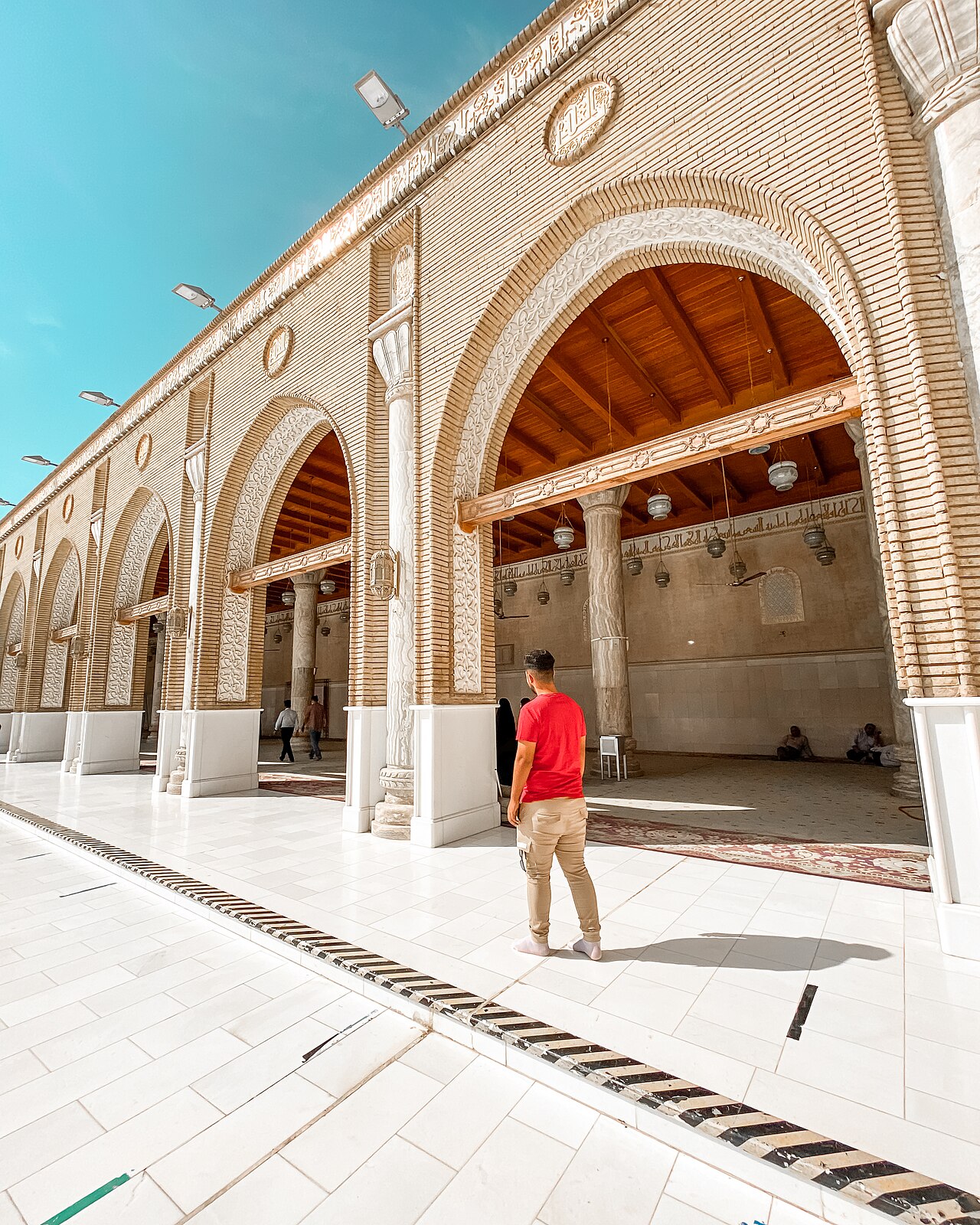
Great Mosque of Kufa
founded 638, completed 670s
 Book
Secondary source
Sahih Muslim
Muslim ibn al-Hajjaj · c. 900
Ready when you are
Start chatting with Alī ibn Abī Ṭālib now.
20 messages free · No credit card · Available in 50+ languages.